After a deer is field dressed, the entrails often stay where they fall, and that pile can become a busy gathering place. New research presented at The Wildlife Society’s annual conference suggests that the first animals to arrive may help decide who joins the meal next ([1]). The findings add a layer of activity to a routine part of hunting that most people never see.
A Meal Hunters Leave Behind
Gut piles are a common byproduct of the hunt. Some estimates put this total at about 20 million kilograms of offal per year left in the field in the U.S. In Minnesota, where the research is based, hunters take an estimated 150,000 to 200,000 deer annually.
Scavengers rarely pass up that kind of food. Ian Foote, a researcher at the University of Alaska Fairbanks, has been tracking which animals visit these piles and in what order. His work falls under the Offal Wildlife Watching project, which was supported by the Minnesota Environment and Natural Resources Trust Fund.
A Crowd Arrives in Stages
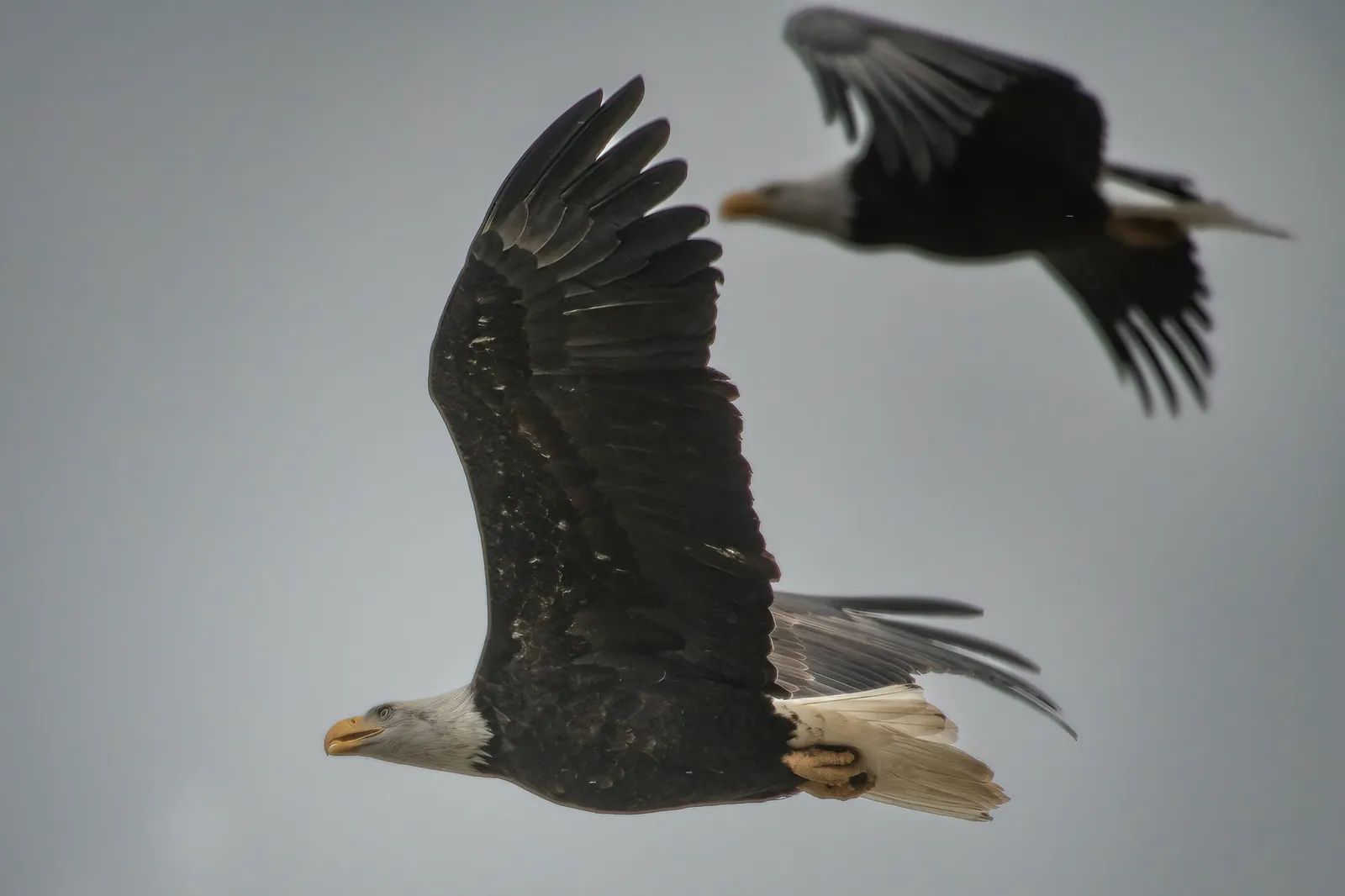
Foote reviewed about 500,000 photos from roughly 400 trail cameras placed at gut piles. The photos showed that American crows and ravens usually arrive first. Blue jays, woodpeckers, red-tailed hawks and bald eagles also show up, and mammals such as coyotes, Virginia opossums and raccoons join the feast as well.
The research team wondered whether one species drew in others. Their models identified only one possible relationship. When raptors such as bald eagles reached a pile first, crows and ravens were more likely to appear within the first two days the raptors were present than on later days. Corvids were 3.5 times more likely to arrive quickly when raptors were already on site.
What the findings show and what remains open
The pattern links raptor arrivals with faster corvid arrivals. The reason behind that pattern has not been established.
The results come from ongoing research, so they reflect early analysis rather than a final answer.
The Question Still Unanswered
The biggest mystery is the mechanism. During his presentation at the conference in Des Moines, Iowa, Foote summed up the puzzle plainly. “Corvids are drawn to raptors,” he said. “We don’t know why.”
Foote is not sure how the birds make the connection. Crows and ravens could be watching for visual cues, listening to feeding noises and calls, or responding to something else entirely. Each explanation would point to a different next step in the research, which is why the team is still testing possibilities rather than drawing conclusions.
A Small Stage in the Woods
For hunters and wildlife watchers, the findings offer a reminder that a single carcass pile can support a sequence of visitors, each one possibly influencing the next. The research has not yet explained why that sequence unfolds as it does. Still, the photographic record gives scientists a rare, detailed view of how scavengers find food in the wild, and future results may show whether the same pattern holds across other landscapes.