Bangladesh already records one of the highest preterm birth rates in the world, and a new policy brief suggests that extreme heat may be adding to the toll. The findings, released in early November by the research group Zero Carbon Analytics, link a 2024 heatwave to thousands of early deliveries. The story, which includes accounts from expectant mothers in Dhaka, was first reported by Mongabay ([1]).
A sunless apartment and an early arrival
Hafsa Begum, 25, spent much of her recent pregnancy in a two-room flat on the third floor of a crowded Dhaka building. Neighboring structures blocked daylight and airflow, so her bedroom stayed dim even in the afternoon. Power cuts during the humid summer wore her down, and her visits to the gynecologist meant walking through punishing heat.
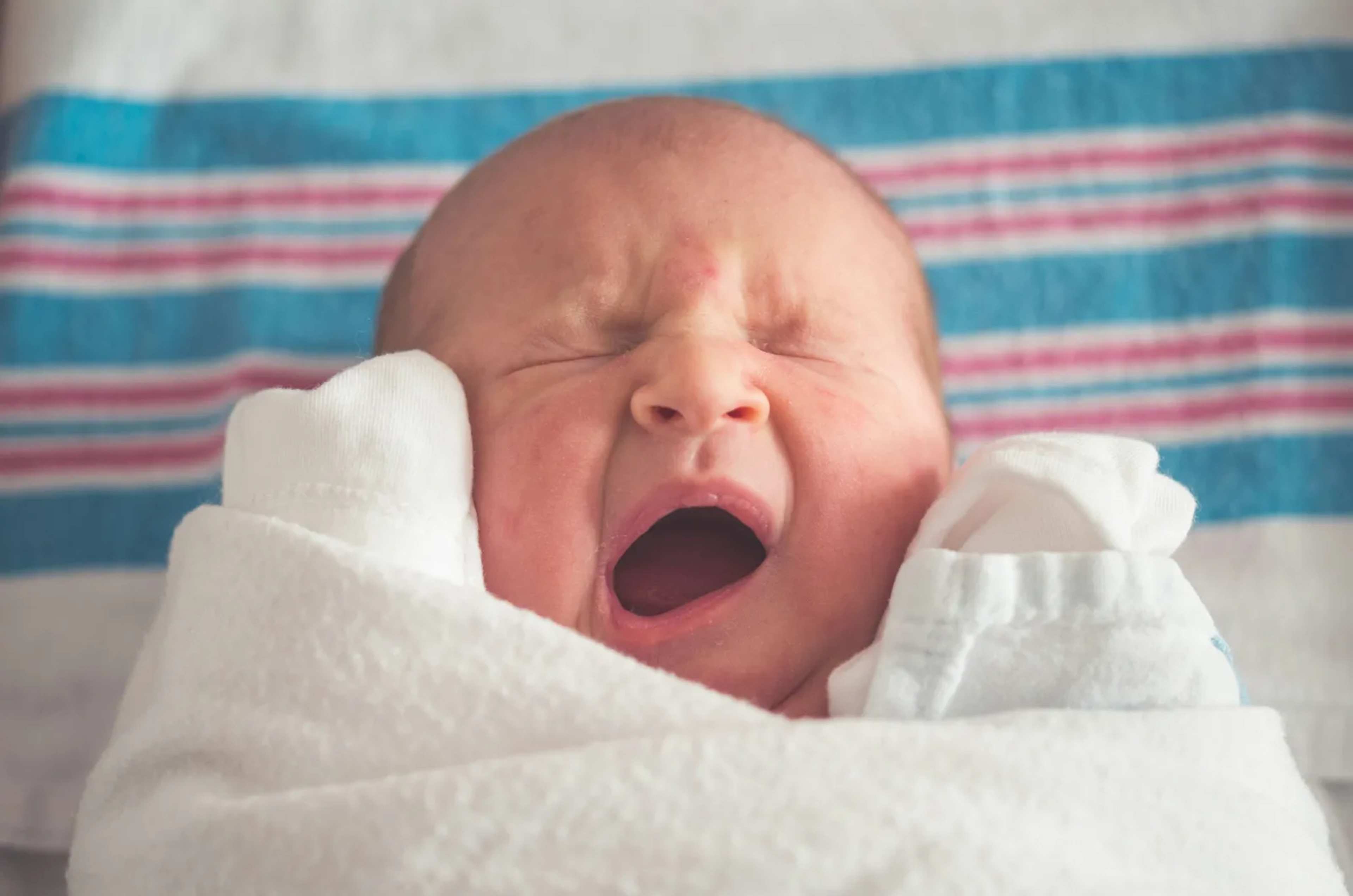
In early November she gave birth to a boy at a government-run hospital in Mohammadpur, about three weeks before a full term. The hospital’s chief gynecologist said staff have been seeing more early deliveries among mothers who are undernourished and under heavy stress. She could not provide the hospital’s preterm records at the time, and she has not studied the link between heat and early birth herself. Babies born early often need more than three days of hospital care because of the risk of pneumonia, sepsis and gastroenteritis.
What the researchers counted
The Zero Carbon Analytics brief examined heatwaves across Bangladesh, India and the Philippines in 2024. For Bangladesh, the group estimates 5,515 excess preterm births during the April 2024 heat event, an 11.9 percent increase over a typical April ([2]). That works out to roughly 19 additional early births for every 1,000 deliveries, the highest rate among the three countries ([3]).
The analysis also attributes about 1,479 of those early births to the extra warming caused by human activity ([4]). Lead author Joanne Bentley-McKune told Mongabay that “the link between heat and preterm birth is well established.” The numbers are modeled estimates measured against a 1991 to 2020 baseline, so they should be read as statistical associations rather than tallies of individual cases.
| What the study shows | What it does not settle |
|---|---|
| About 5,515 excess preterm births in April 2024 | Modeled estimates, not hospital-by-hospital case counts |
| Roughly 19 extra early births per 1,000 deliveries | Uses one national preterm rate, so local variation is not captured |
| Heat is associated with rising early births | Cause of any single pregnancy outcome remains unproven |
Where the burden falls hardest
Dhaka and Chattogram, the country’s two most populous divisions, account for 47 percent of the excess cases. The increase in preterm birth risk, however, was estimated at 10 to 15 percent across every division, which suggests the problem extends well beyond the big cities ([2]).
Mymensingh posted the highest rate of excess preterm births, at 24 per 1,000, even though it ranked sixth among the eight divisions by total cases. Sylhet recorded the lowest rate, at 16 per 1,000 ([5]). Bangladesh’s estimated national preterm rate stood at 16.2 percent in 2020, the highest national average globally, and preterm birth is the leading cause of neonatal death worldwide ([5]).
What could come next
The researchers also project the burden forward. Between 2041 and 2060, an average April could bring around 1,500 excess preterm births, with a plausible range of 630 to 2,900 cases, compared with the 1985 to 2014 climate baseline ([6]). Those projections assume no new adaptation measures are introduced and that the temperature to preterm risk relationship holds steady ([2]).
Bentley-McKune also warned that a strong El Niño is now developing, and that the next hot season could be severe ([1]). Pregnant women face particular vulnerability because of the added physical demands of pregnancy, and the study calls for heat protection to become part of routine maternal care ([7]).
The research does not prove that heat alone shapes each early birth, and it leaves open how much of the risk can be offset by better nutrition, housing and care. What it does make clear is that hotter summers are becoming a maternity ward concern in Dhaka, not only a weather story.