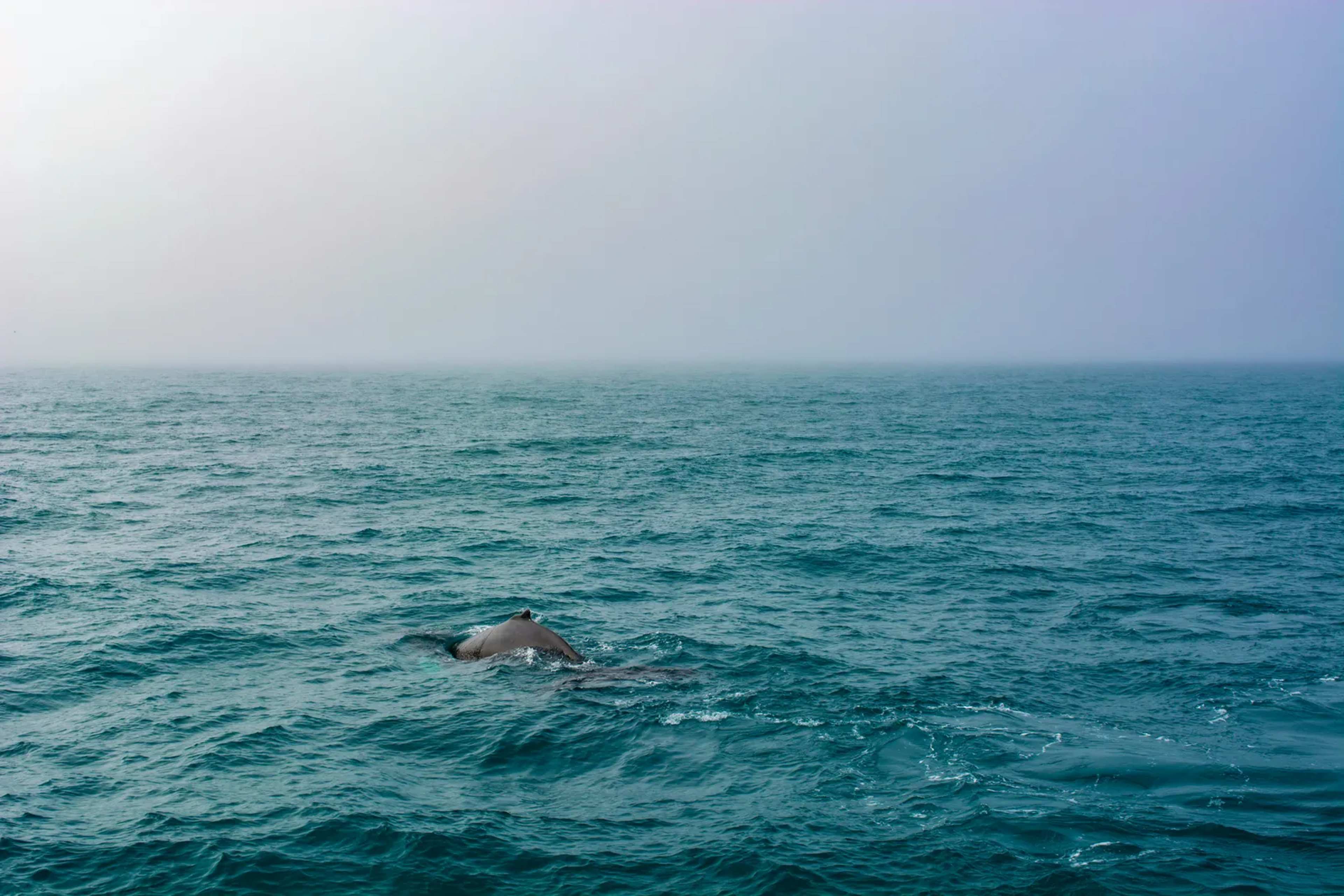
Few large animals live as close to the American coastline as the North Atlantic right whale, and few are as rare. The species spends its feeding season in coastal waters from Canada to the northeastern United States, which puts it in the path of busy shipping lanes and crab and lobster gear. The latest population estimate, released Monday at the annual meeting of the North Atlantic Right Whale Consortium in Halifax, Nova Scotia, shows the population slipping again. The figures were compiled by scientists at the New England Aquarium and NOAA, and the meeting runs through November 17 ([1]).
A small drop with a large meaning
The population now stands at 382 animals, down from 389 in 2024, a decline of about 1.8 percent. The drop is modest in percentage terms, but it arrives after a stretch that many researchers had hoped would mark a turnaround. ([2])reports that the new count carries a margin of error of plus or minus 11 whales, and that the 2025 population sits about 20 percent below the species’ recent peak of 483 whales in 2011.
Researchers say the change is hard to read with precision. Lindsey Jones, who manages the North Atlantic Right Whale Catalog at the New England Aquarium, told WGBH that the estimate has changed little from the previous year and falls within the margin of error. She described the result as a sign of stagnation or a slight decline, not the increase the population needs ([3]).
| Measure | Figure |
|---|---|
| Recent peak (2011) | 483 whales |
| Estimate for 2024 | 389 whales |
| Latest estimate | 382 whales |
| Breeding-age females | 73, steady |
Gear and ships remain the central dangers
Two human-related threats dominate the species’ outlook. NOAA identifies entanglement in fishing gear and vessel strikes as the leading causes of right whale mortality, and both problems are tied to the animals’ habits. Right whales prefer coastal waters and feed near the surface, which leaves them exposed to ships and to the ropes that connect traps and gillnets on the seafloor ([4]).
The toll is still visible in recent records. Researchers logged two right whale deaths in 2026, along with eight human-caused injuries, according to the latest tally reported by ([2]). Entanglement can wear a whale down over time, and some injuries that appear minor can become serious. NOAA has also noted that a mandatory vessel speed rule, in place since 2008, has reduced the threat from ships, although collisions continue to occur ([5]).
Pettis, who chairs the consortium and leads the right whale research program at the New England Aquarium, has argued that protections must follow the animals wherever they go. Whales move with their food, so rules that cover only part of their range may leave gaps ([6]).
Signs of hope in the nursery
Not every figure points downward. Researchers counted 24 calves born in the past year, the fourth highest total since records began in the 1980s, according to WGBH. The number of females of breeding age held at 73, a steady count that signals the population is not losing its capacity to reproduce, even if it is not growing quickly.
Jones said the calf count is encouraging for a species with low reproductive success, but she stressed that survival is the next challenge. Calves must reach adulthood and contribute to the population for the birth numbers to matter over time. For that reason, conservation groups have pressed for more protective measures rather than treating the birth year as a turnaround.
What comes next for the population
The consortium plans to publish a comprehensive annual report early in 2027. That document will give regulators and fishing communities a fuller picture before federal advisory meetings on how a new statistical model will affect Maine’s lobster fleet resume in March, according to the Sun Journal report cited above.
For now, the message from the scientists is measured but firm. Recovery will likely require several years of strong birth counts together with stronger protections against entanglement and ship strikes. The whales’ future along the U.S. East Coast depends on how well those two threats are managed in the seasons ahead.