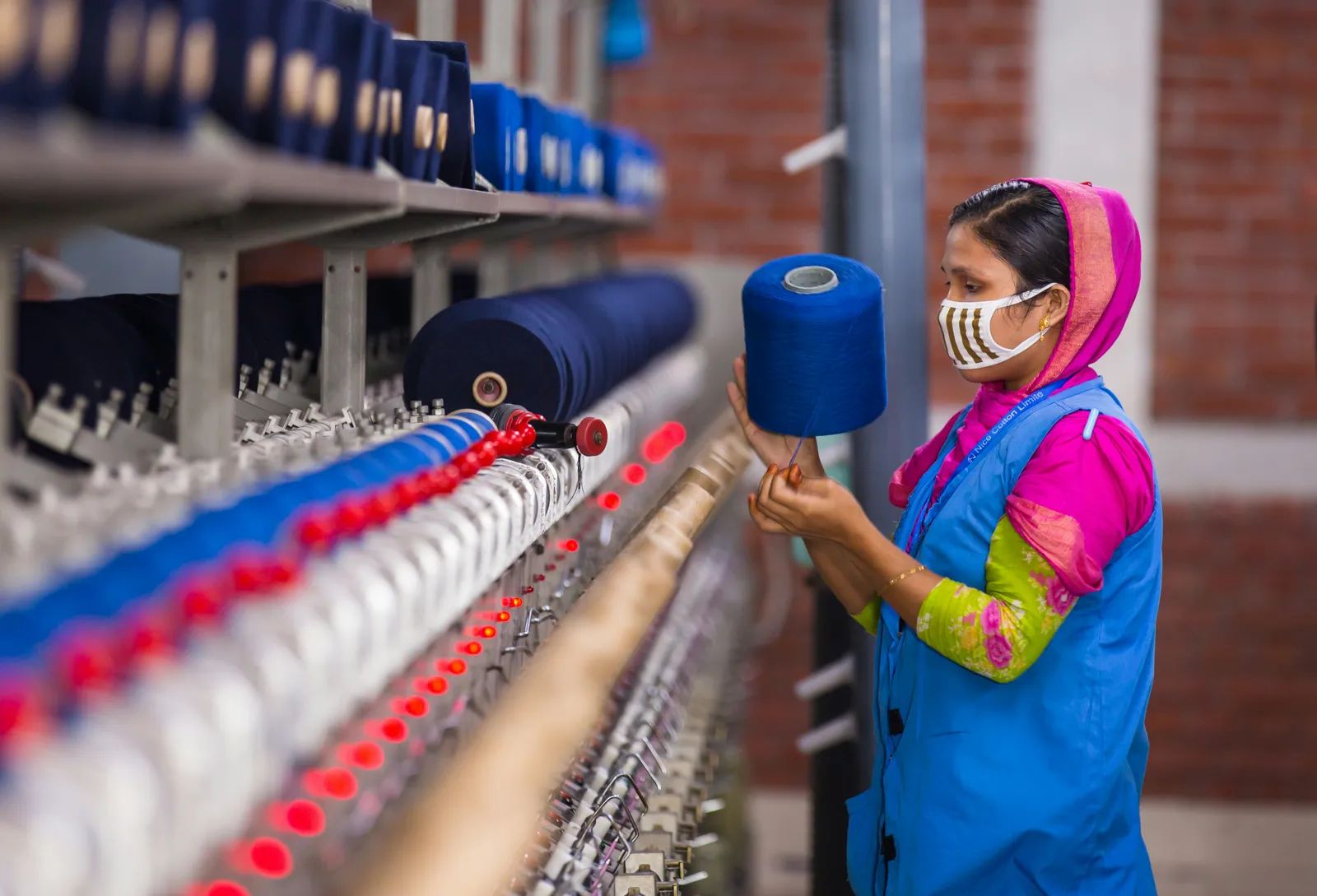
Bangladesh has recorded a steady climb in maximum temperatures of roughly 1.1 degrees Celsius since 1980, according to World Bank data. The capital, Dhaka, reached a record 40.6 degrees Celsius in April 2023 and later endured a prolonged 30-day heat wave in 2024. These conditions now extend into garment factories, where indoor readings frequently exceed safe thresholds for sustained physical work. The result is an emerging occupational health challenge for the 4.2 million people employed in the sector. ([1])
Indoor Conditions Exceed Safe Limits
A 2025 study documented peak indoor temperatures above 35 degrees Celsius on 37 percent of monitored days in garment facilities. Readings occasionally climbed past 40 degrees Celsius during the hottest summer periods. Such levels surpass typical comfort and safety ranges for repetitive manual tasks like sewing and cutting fabric. Workers must maintain focus and dexterity for long shifts, yet the heat accelerates fatigue and raises the chance of errors. Factory environments often lack adequate ventilation or cooling systems designed for these extremes. Many buildings were constructed decades ago, when average temperatures were lower. The combination of machinery heat, crowded workspaces, and limited airflow compounds the problem. Researchers note that these conditions are becoming more common as overall warming continues.
Workers Experience Immediate Health Effects
One 20-year-old sewing operator named Mridula collapsed at her station after feeling dizzy during a period of intense heat. She was later diagnosed with jaundice, a condition worsened by dehydration and physical strain. Medical staff at Dhaka-area factories report similar patterns, including more cases of low blood pressure tied to fluid loss. Needle injuries from sewing machines and falls have also increased during hotter months. These incidents highlight how quickly heat can impair coordination and judgment. Dehydration reduces blood volume, which in turn affects concentration and muscle control. Clinics inside the facilities are equipped mainly for sudden emergencies rather than ongoing monitoring. As a result, many milder but cumulative effects may go unrecorded.
Data Gaps Limit Understanding of Long-Term Harm
Comprehensive records on indoor heat-related illness remain limited. Aaron Bach of Griffith University in Australia, who co-authored the 2025 study, noted that factory clinics focus on acute cases and lack tools to track chronic conditions. “If we’re not recording health effects now, we’ll have no way of knowing how much harm is building up as conditions get hotter,” he said. Without systematic tracking, the full scope of risks stays unclear. Bangladesh’s 2024 National Guideline on Heat-Related Illness centers on outdoor labor and offers little specific direction for indoor manufacturing settings. This leaves factory managers and health teams without tailored protocols for the garment sector. The absence of standardized indoor monitoring makes it harder to compare conditions across facilities or measure progress over time.
Path Forward Requires Better Monitoring
Addressing the issue will likely need updated guidelines that explicitly cover indoor workplaces. Expanded temperature tracking inside factories could help identify the worst periods and locations. Improved ventilation, hydration stations, and scheduled rest breaks represent practical steps already discussed in some facilities. Yet scaling these measures across thousands of factories demands coordinated effort from industry, government, and health authorities. The garment sector remains central to Bangladesh’s economy, supplying clothing to markets worldwide. Sustained high temperatures add pressure on an already large workforce. Continued research and clearer data collection will be essential to understand how conditions evolve and to protect worker well-being as the climate changes.