In Autazes, Amazonas state, Brazil, construction of an access road for the Potássio Autazes potash mining project has led to the drying of at least two springs that hold deep spiritual significance for the Indigenous Mura people. Residents attribute the change directly to the road work and describe a profound disruption to the territory they have long stewarded. The episode adds to a decade of disputes surrounding the Canadian-backed development. ([1])
Project Background and Extended Timeline
The Potássio Autazes venture has faced repeated challenges since its early planning stages more than ten years ago. Local communities and environmental groups have raised concerns over land use, water resources, and cultural heritage throughout that period. Road construction represents the latest phase of site preparation, moving the project closer to full operations. Stakeholders on all sides continue to monitor how regulatory approvals and community consultations evolve.
Effects on Sacred Springs and Traditional Cosmology
Mura residents report that the springs once fed by underground flows now stand dry following the road work. In their traditional understanding, every spring carries a guardian spirit whose departure removes fertility, wildlife, and balance from the surrounding land. The loss therefore extends beyond physical water to the spiritual framework that supports daily life and seasonal cycles in the territory. Village leaders describe the change as irreversible in practical terms for the immediate area.
Statements from Affected Communities
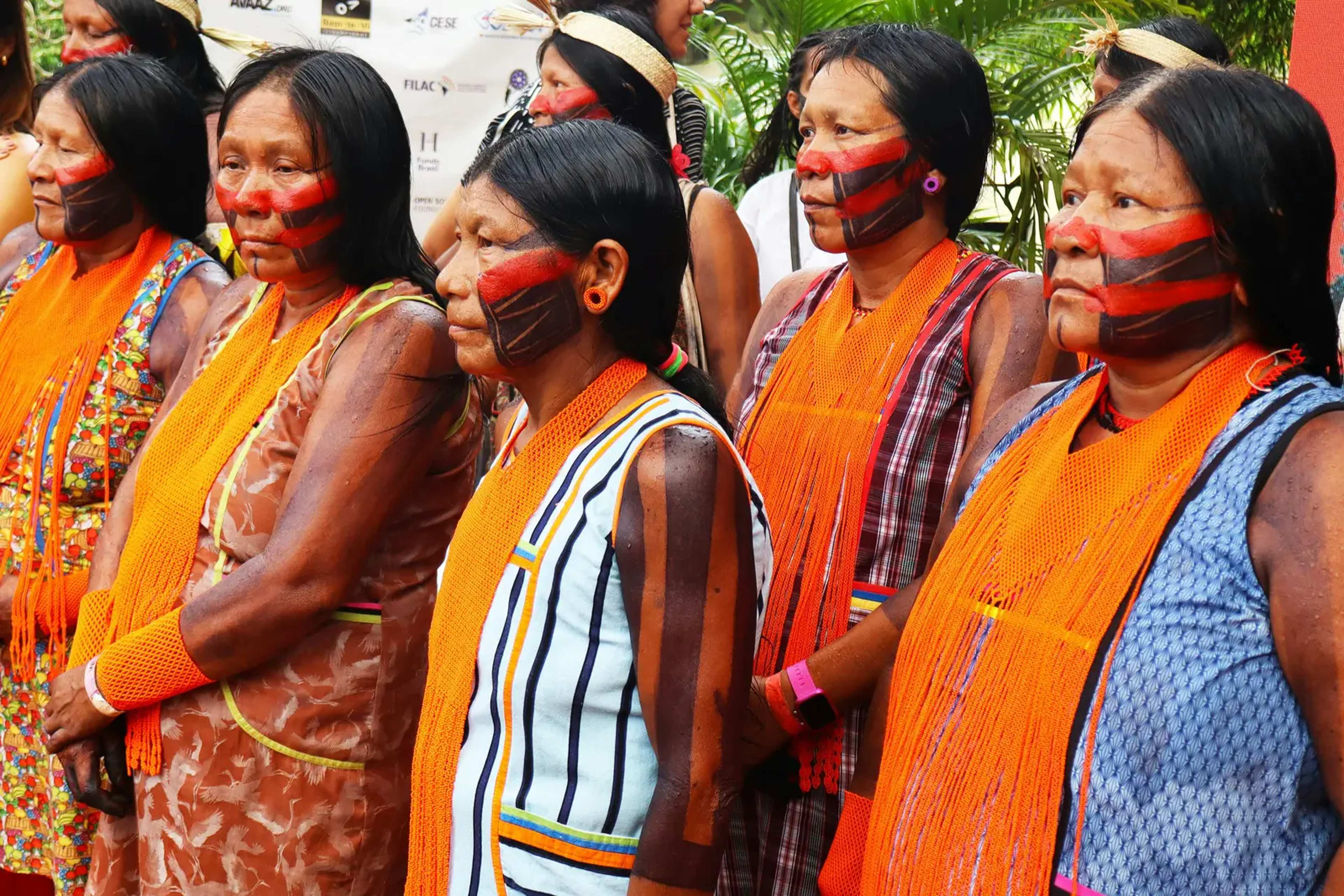
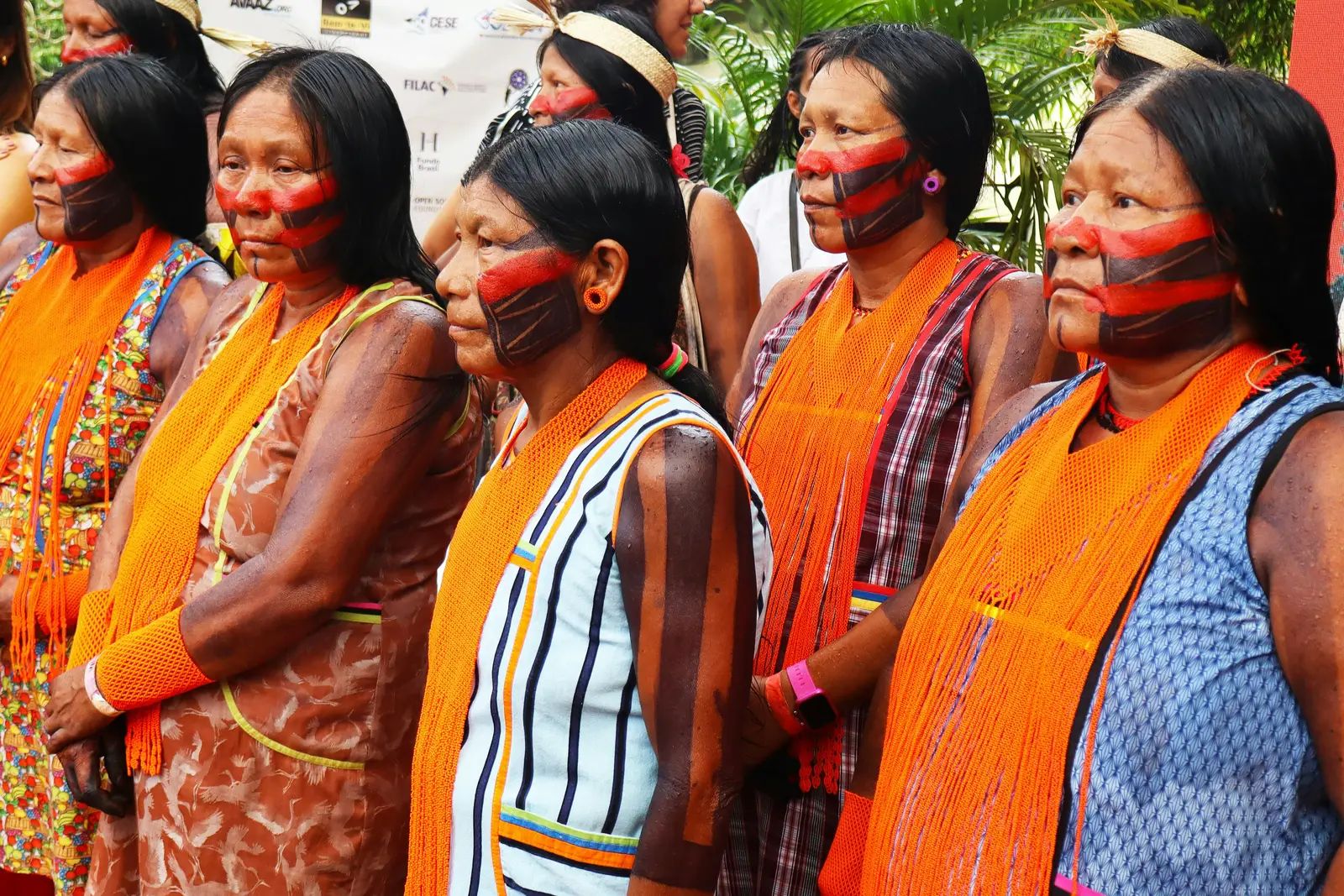
Filipe Mura, chief of the Lago do Soares village, has spoken of a deep sense of loss tied to territory, culture, and the living elements of the place. Willian Rodrigues Filgueira, a professor from a neighboring Mura territory and member of the Organization of Mura Indigenous Leaders of Careiro da Várzea, has explained the cosmological consequences when a spring’s keeper departs. Residents also note that the company has begun clearing sections of forest where further infrastructure is planned. These accounts come amid ongoing discussions between the project operators and local authorities.
Stakeholder Positions and Next Steps
The mining company has not publicly detailed its response to the specific spring claims in available reports. Government regulators in Amazonas continue to oversee permitting and environmental compliance for the overall project. Indigenous organizations emphasize the need for stronger protections around culturally important water sources during any future construction. Discussions between the parties remain active as the development advances. The situation in Autazes illustrates how infrastructure decisions can intersect with long-standing cultural practices and resource management in the Amazon. Continued attention from residents, officials, and project backers will shape whether additional safeguards emerge.