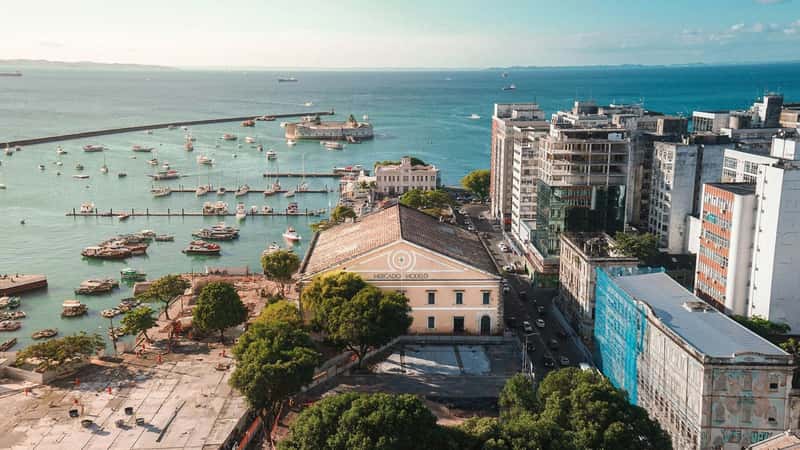
Discover Salvador: Best Things to Do, Tips & Itinerary – Image for illustrative purposes only (Image credits: Unsplash)
Salvador, Brazil pulses with a vitality that sets it apart from other destinations in the country. Its streets echo with rhythms rooted in centuries of Afro-Brazilian tradition, while colonial architecture frames scenes of everyday creativity and color. Travelers who arrive often find themselves drawn into an atmosphere that feels both historic and immediate.
Heritage That Shapes Daily Life
The city’s Afro-Brazilian roots run deep and remain visible in everything from religious practices to street festivals. This heritage influences the way residents move through their days, blending African traditions with Portuguese colonial influences in ways that feel organic rather than staged. Visitors notice the result in the expressive gestures during conversations and the spontaneous performances that break out without warning. Pelourinho, the historic center, serves as a living showcase of this blend. Its pastel buildings house workshops where artisans continue crafts passed down through generations. The neighborhood rewards those who wander slowly, allowing time to absorb the layers of history embedded in its plazas and facades.
Music That Fills Every Space
Sound defines Salvador more than any single landmark. On corners throughout the old town, musicians gather with instruments that range from traditional drums to modern guitars, creating soundscapes that shift with the hour. This constant presence of live music turns ordinary walks into immersive experiences. The energy builds naturally toward evening, when groups form and audiences grow without formal invitation. Local styles such as samba and axé emerge from these gatherings, carrying stories of resilience and celebration. Travelers who linger discover that the music serves as both entertainment and a direct connection to the city’s cultural core.
Flavors Rooted in Tradition
Food in Salvador tells its own story of cultural fusion. Dishes built around seafood, palm oil, and spices reflect the African influences that arrived with enslaved people centuries ago. Markets and family-run kitchens keep these recipes alive, offering meals that balance bold flavors with simple presentation. The result is a cuisine that feels generous and unpretentious. Street vendors and small restaurants alike emphasize fresh ingredients and communal eating, turning meals into opportunities for conversation. This approach to dining reinforces the city’s reputation as a place where culture is tasted as much as it is seen or heard.
Why the City Stays Underrated
Despite its depth, Salvador receives fewer visitors from abroad than Brazil’s more publicized coastal spots. Its reputation for vibrant street life and cultural authenticity has yet to translate into widespread recognition among travelers seeking alternatives to standard itineraries. Those who do arrive often describe a sense of discovery that larger destinations rarely provide. The city’s scale helps preserve this feeling. Neighborhoods retain their character without the heavy commercialization that can dilute other historic centers. This balance allows the Afro-Brazilian elements to remain central rather than ornamental, giving the place an authenticity that rewards repeat visits. The experience lingers long after departure, prompting many to reconsider what draws them to Brazil in the first place.