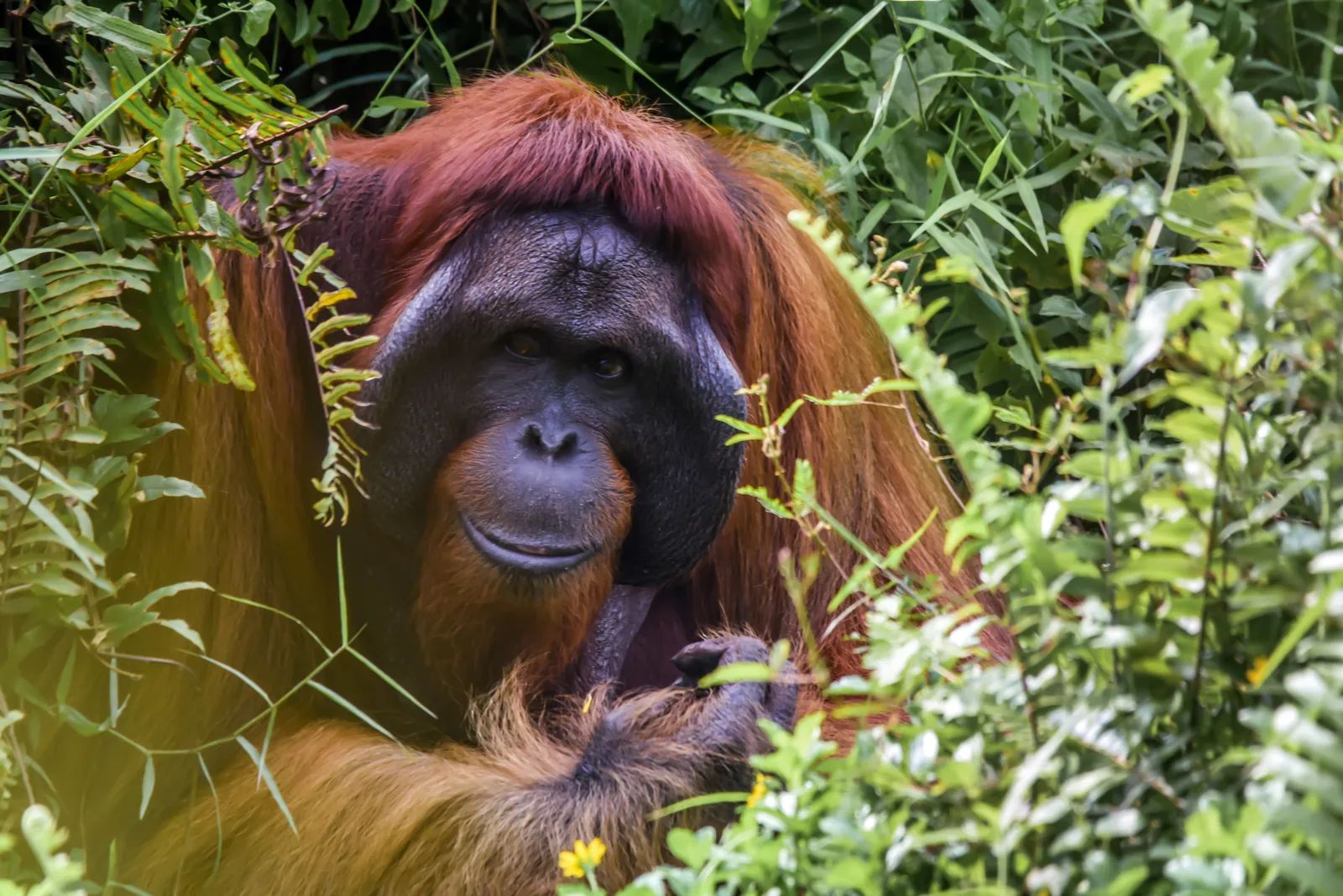
Indonesia faces an intensifying fire crisis that has already forced the rescue of dozens of critically endangered Bornean orangutans from burning rainforests. The blazes, driven by strong El Niño conditions, threaten habitats that shelter more than half the global population of the species. Conservation teams are racing to save animals trapped by flames, with some suffering severe injuries that highlight the immediate human and wildlife toll.
Rescues Reveal the Human Cost of the Crisis
Rescue workers in Central Kalimantan have pulled orangutans from active fire zones, including a roughly four-year-old female named Novita found near Sebangau National Park. She suffered serious burns on all four hands and feet before reaching safety. Novita is now receiving care at a rehabilitation center, one of many animals requiring urgent medical attention after escaping the flames. ([1])
By September 22, Indonesia’s Ministry of Forestry had recorded the rescue of 100 wildlife, 53 of them Bornean orangutans. Some individuals arrived at facilities with burns and respiratory distress, while others showed signs of exhaustion after fleeing advancing fire lines. These cases illustrate the direct physical toll on animals that cannot easily outrun fast-moving blazes.
Why Certain Orangutans Face Greater Danger
Females with dependent young often remain within established home ranges even as fires approach, a behavior that leaves them especially vulnerable. Their slower movement when carrying infants reduces their chances of reaching safer ground before flames close in. Experts note that in enclosed areas, orangutans can become surrounded with no escape route.
One adult male was discovered severely weakened and struggling to breathe inside an oil palm plantation. Despite emergency treatment, he did not survive. Such incidents underscore how fires push animals into unfamiliar and often hostile landscapes where food and shelter are scarce.
The Scale of Habitat Under Threat
The current fire season has reached 13 of the 20 largest remaining populations of Bornean orangutans. These groups together represent more than half the world’s total for the critically endangered species. Continued burning risks fragmenting these populations further and isolating survivors in shrinking patches of forest.
El Niño has intensified dry conditions across Indonesia, turning normally moist rainforest floors into tinder. Conservation groups report that fires are burning inside protected areas and concessions alike, complicating efforts to contain the spread. The combination of weather patterns and land-use pressures has created conditions that allow fires to persist longer than in typical years.
Urgent Calls for Coordinated Response
Scientists and field experts are urging faster intervention to protect remaining orangutan strongholds before local populations disappear entirely. Borneo Nature Foundation CEO Anton Nurcahyo has warned that animals can “literally burn alive” when flames trap them. He emphasized that the tendency of some females to stay put during fires compounds the risk for entire family groups.
Broader action is needed to strengthen fire prevention, improve early-warning systems, and support rehabilitation centers already stretched by incoming patients. Without stepped-up measures, the current season could leave lasting gaps in the species’ range that recovery efforts may struggle to fill for years to come.