Most first-time overnight train travelers picture something out of an old movie – a private compartment, a porter turning down crisp linens, a dining car with white tablecloths and someone pouring coffee as the sun comes up. The surprising part isn’t that the fantasy is fake. It’s that most of it is completely real, if you already know the rules nobody prints in the brochure.
Ask anyone who’s logged serious miles on America’s long-distance sleepers and you’ll hear the same quiet confession: the magic is genuine, but it’s rationed out through unspoken etiquette, sneaky pricing traps, and small logistics almost nobody bothers to learn before their first trip. Here are the 24 rules seasoned rail regulars actually live by, and a few of them will make you rethink everything you assumed about riding the rails overnight.
24. Booking Late Is the Single Costliest Mistake You Can Make
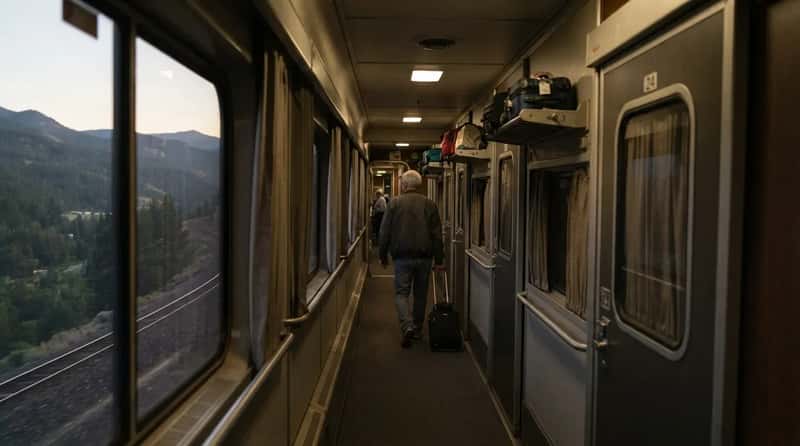
Sleeper car regulars treat booking like an airline elite would treat award seats – early, and without hesitation. Wait even a few weeks too long on a popular western route and the roomettes simply vanish from the system.
Sleeper car inventory is limited, so securing a reservation months in advance is standard advice among frequent riders. It isn’t paranoia, it’s math. There are only so many rooms per train, and once they’re gone, you’re stuck in coach whether you planned for it or not.
23. The “Cheap Train Ticket” Myth Falls Apart Fast
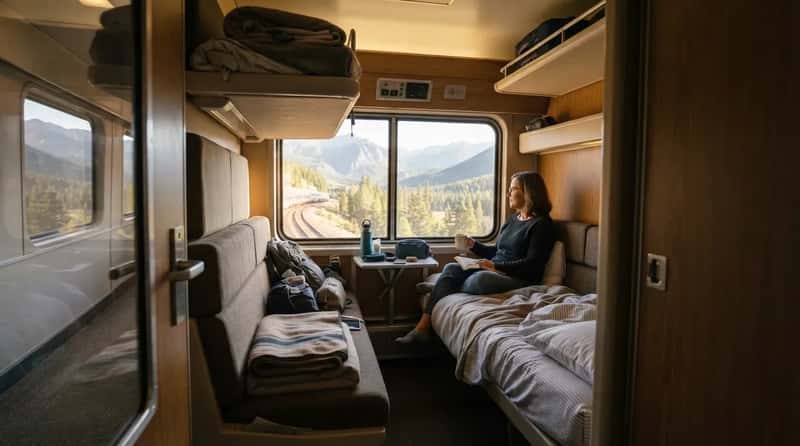
People assume train travel is automatically the budget option compared to flying. On popular long-haul routes, that idea falls apart the moment you want a private room.
On a Chicago-to-San-Francisco run, a one-way coach ticket booked roughly three months in advance costs around $106, while a roomette for the same trip costs $713. That’s the price of privacy and a bed, and regulars budget for it accordingly instead of getting sticker shock at checkout.
Quick Compare
- Coach seat: around $106 one-way
- Private roomette: around $713 one-way
- Full bedroom with bathroom: $2,619 one-way
22. A Full Bedroom Can Cost More Than a Flight to Europe
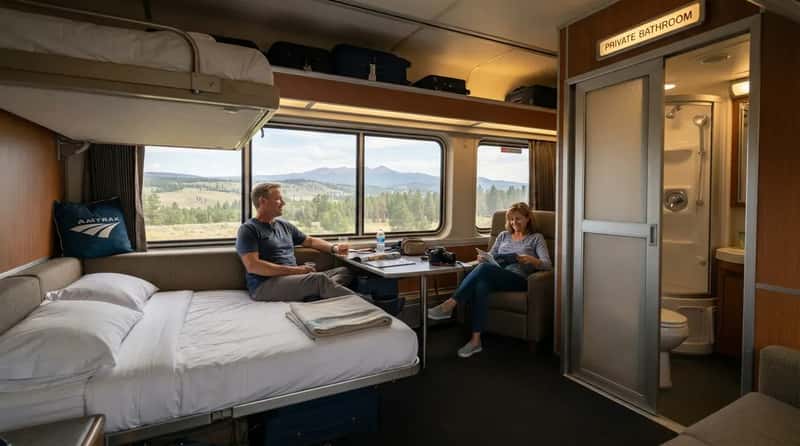
If a roomette feels pricey, the step up is a different universe entirely. Veteran riders treat the bedroom upgrade as a luxury splurge, not a default choice.
On that same cross-country route, a full Amtrak bedroom with its own bathroom and shower runs $2,619, nearly four times the roomette rate. Most regulars only book it for anniversaries, special occasions, or when they genuinely need the private toilet.
21. Your Meals Are Already Paid For – Most New Riders Don’t Realize It
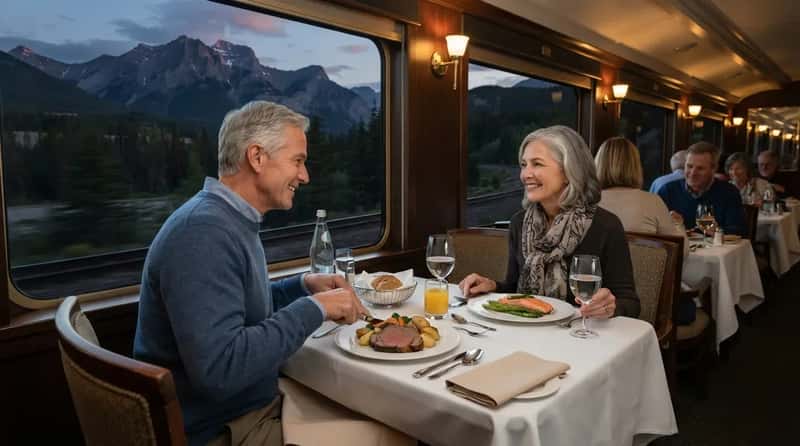
This is the detail that surprises first-timers the most. Sleeper passengers aren’t quietly paying per meal like a hotel room service menu.
Up to three full-service meals a day, along with water, soda, or juice, are included in the ticket fare for anyone in a sleeping car. Alcohol is the one thing that costs extra. Regulars order freely at dinner because they already paid for it back when they booked the room.
20. Coach Isn’t the Downgrade People Assume
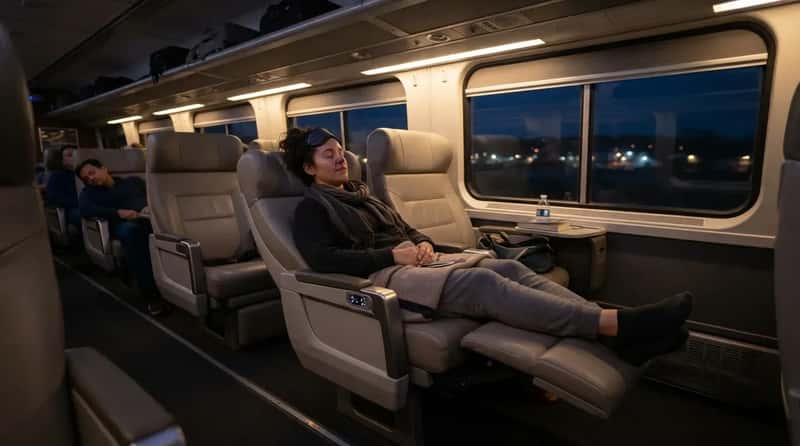
There’s a widespread bias that coach means suffering through the night. Seasoned riders know that’s outdated thinking on Amtrak specifically.
The average Amtrak coach seat measures 23 inches wide, compared to roughly 17 inches on an equivalent airplane seat, with generous legroom and full recline. For budget-conscious travelers who don’t need a private room, coach on an overnight train beats economy air travel by a wide margin.
19. Seat Selection Makes or Breaks Your Sleep
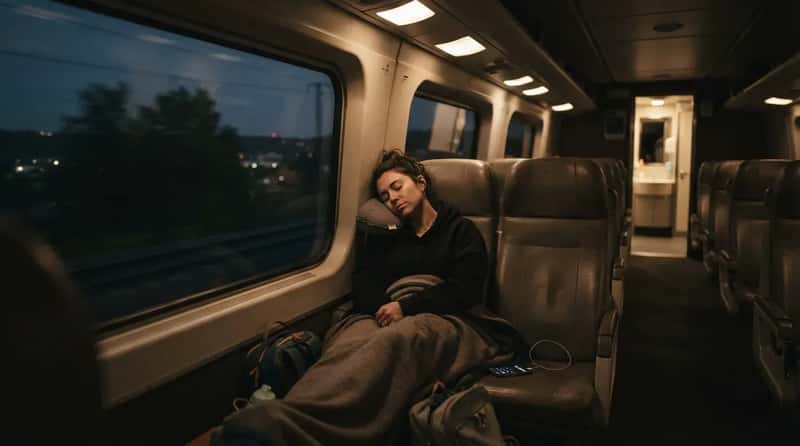
Even in coach, not all seats are created equal, and regulars are picky about where they sit. It’s one of the cheapest ways to upgrade your night without spending a dime more.
A window seat gives you a wall to lean against, which often matches the curve needed for comfortable sleep. Seats near the bathroom should be avoided, since that area tends to stay noisy and busy all night. Small choice, huge difference by hour six.
18. The Comfort Kit Trick Nobody Advertises
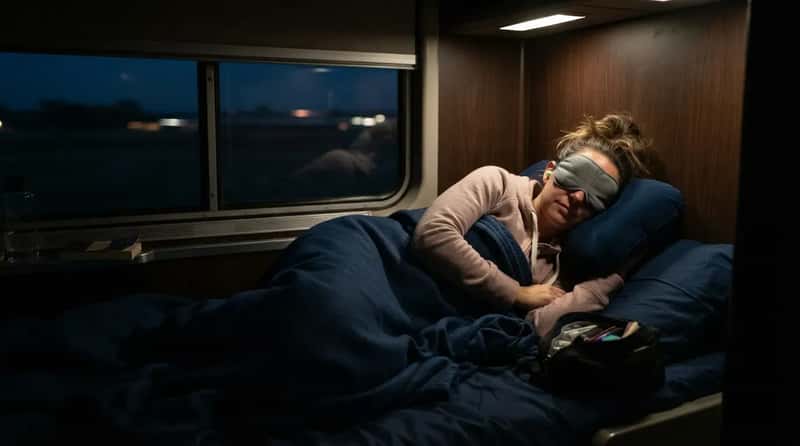
Frequent riders rarely travel without a sleep kit, whether they buy Amtrak’s version or bring their own. It’s the difference between a rough night and an actual rest.
Amtrak Comfort Kits containing a polyester blanket, inflatable neck pillow, eye mask, and earplugs are sold on the train and through the Amtrak store for exactly this reason. Light sleepers who skip this step almost always regret it by 2 a.m.
17. Don’t Count on WiFi Once You Head West
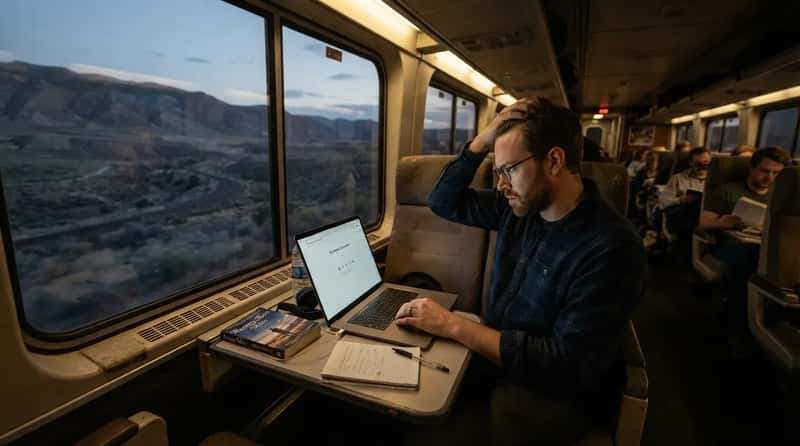
This one catches remote workers off guard constantly. The assumption that every Amtrak train has usable internet is simply wrong.
Aside from East Coast service, most Amtrak long-haul trains don’t even have WiFi. Heading west means passing through stretches of “No Service” territory where even mobile hotspots become unreliable or too slow to use. Regulars plan entertainment offline instead of hoping for a signal.
16. Superliner vs. Viewliner Changes Your Entire Room Layout
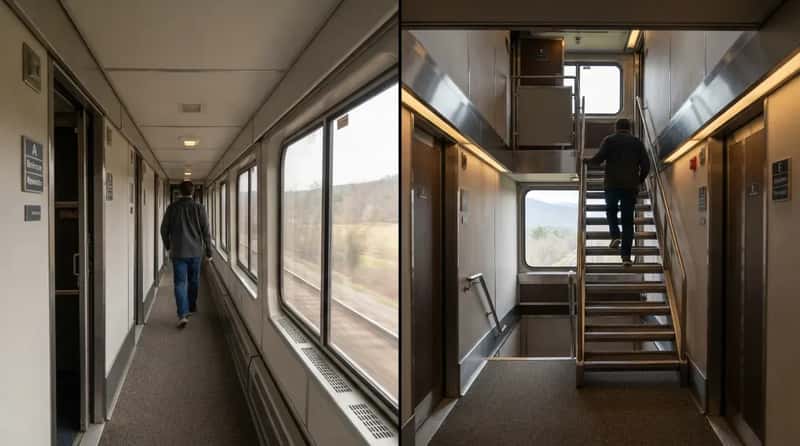
Not every sleeper car is built the same, and assuming otherwise leads to confusion at boarding. This is one of the more overlooked facts casual travelers never bother to research.
Whether your route uses Superliner (double-deck) or Viewliner (single-deck) equipment changes the room layout significantly. Western long-distance routes typically run Superliners, while many eastern trains use the single-level Viewliner design, and the difference affects everything from window placement to bathroom access.
Worth Knowing
- Superliner cars are double-deck and run mainly on western long-distance routes
- Viewliner cars are single-level and common on many eastern trains
- Room layout, window placement, and bathroom access differ between the two
15. Pack a Cooler – Amtrak Won’t Store or Heat Your Food
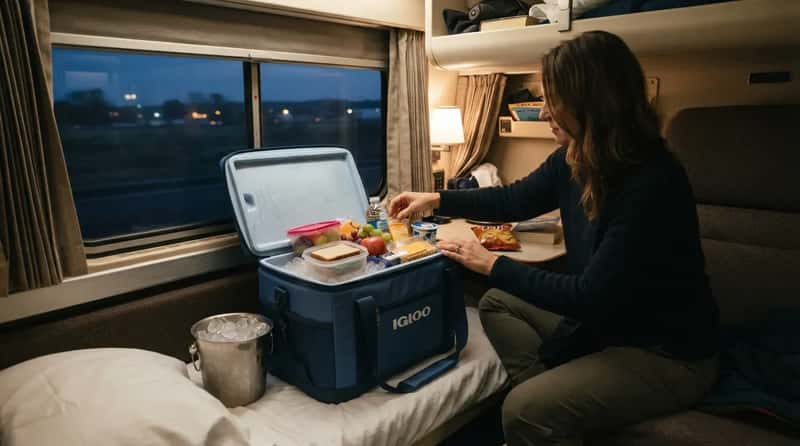
This rule trips up more travelers than almost any other on the list. People assume the crew can handle snacks the way a flight attendant might.
Passengers need to bring their own cooler, since Amtrak cannot heat or store personal food items. The workaround regulars use: the room attendant can supply ice to replenish a cooler as needed throughout the trip.
14. Get Ready for Bed Before the Train Starts Rocking

Timing your nighttime routine matters more on a moving train than almost anywhere else. Seasoned sleeper passengers never wait until lights-out to handle this.
It’s far easier to get ready for bed before the train is in motion than to attempt it while rolling down the track. In a sleeper, the smart move is washing up before the attendant comes to turn down the bed. Skip this step and you’re brushing your teeth while stumbling sideways at midnight.
13. You’re Allowed to Ask for Extra Pillows – Almost Nobody Does
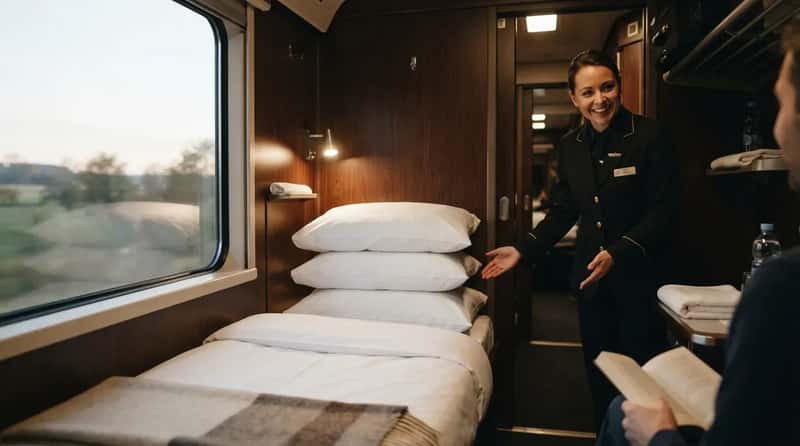
This is the small, embarrassingly simple secret most new sleeper passengers never test. The rooms come with a set amount of bedding by default, but that’s not the ceiling.
Yes, you can ask for extra pillows. Attendants generally accommodate the request without hesitation, yet most first-time riders never think to ask, and quietly settle for less comfort than they paid for.
12. Seven Stations Hide Private Lounges Most Travelers Never Find
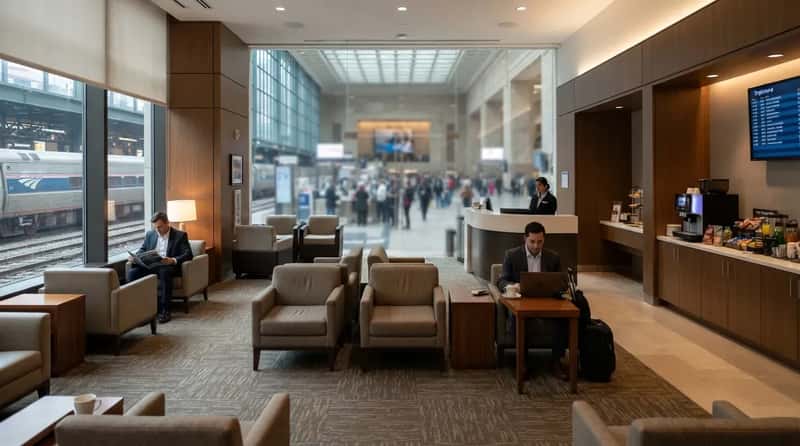
This is the kind of insider knowledge that separates casual riders from true regulars. It’s not advertised loudly, and plenty of sleeper passengers walk right past it.
Seven Amtrak stations feature a private staffed lounge reserved for sleeper passengers and Acela Business Class travelers: Boston, Chicago, Los Angeles, New York City, Portland OR, Washington DC, and Philadelphia. If your sleeper ticket routes through one of those cities, skip the crowded general waiting area entirely.
Fast Facts
- Boston, New York City, and Philadelphia
- Washington, DC and Chicago
- Los Angeles and Portland, OR
11. “Fresh Air Stops” Are Real, and Regulars Never Skip Them
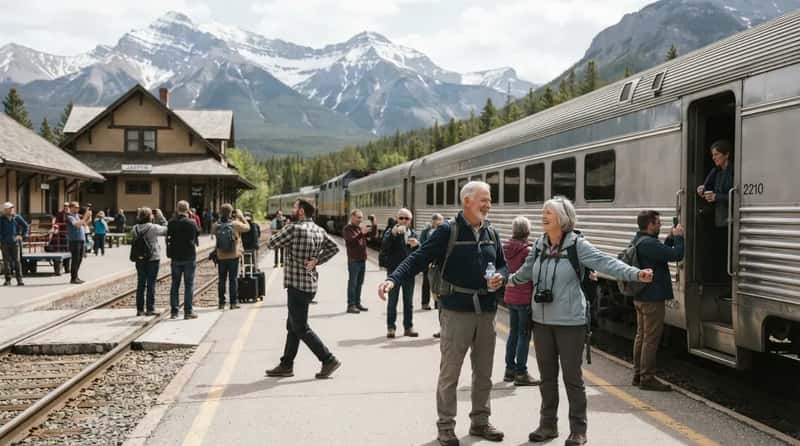
Long-distance trains build in stops longer than a normal station pause, specifically so passengers can get outside. Most riders don’t know to listen for the announcement.
The conductor announces upcoming “Fresh Air Stops,” longer station stops with enough time to step off the train. After 20 hours in a rolling metal tube, that few minutes of fresh air becomes the highlight of the entire day.
10. Amtrak Boarding Is Weirdly Civil Compared to Everywhere Else
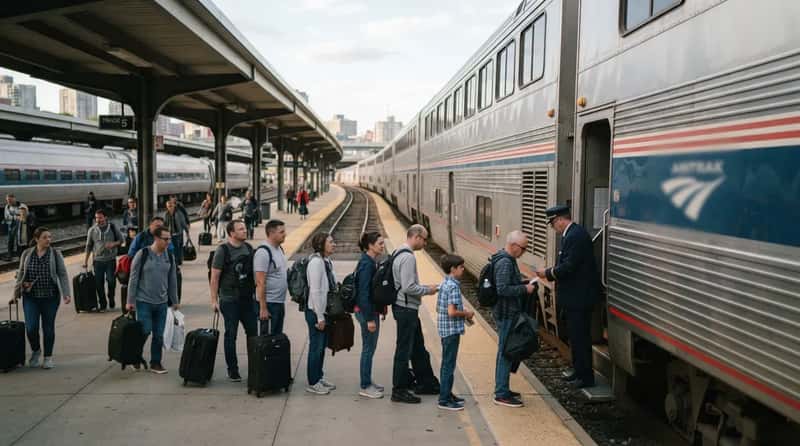
This is a cultural quirk regulars notice the moment they’ve ridden trains internationally. American train boarding just isn’t chaotic the way people expect.
Amtrak passengers don’t push and shove to get on their train when it’s time to board. The same can’t be said for popular European trains, where everyone shoves to board first and suitcases get tossed on like misguided Frisbees. It’s a small but genuinely surprising point of American rail pride.
9. Handle Contact Lenses at a Station Stop, Not While Moving
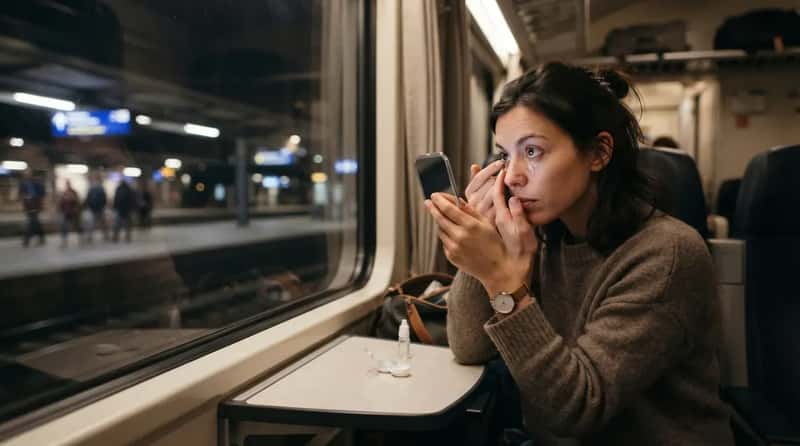
This sounds oddly specific until it happens to you once. A rocking train and a contact lens are a genuinely bad combination.
If you need to remove or insert contact lenses, do it at a station stop. Nobody wants to poke their eye going 80 mph. Regulars build this into their routine automatically, timing personal care around scheduled stops instead of fighting the motion.
8. Download Everything Before You Leave the Platform
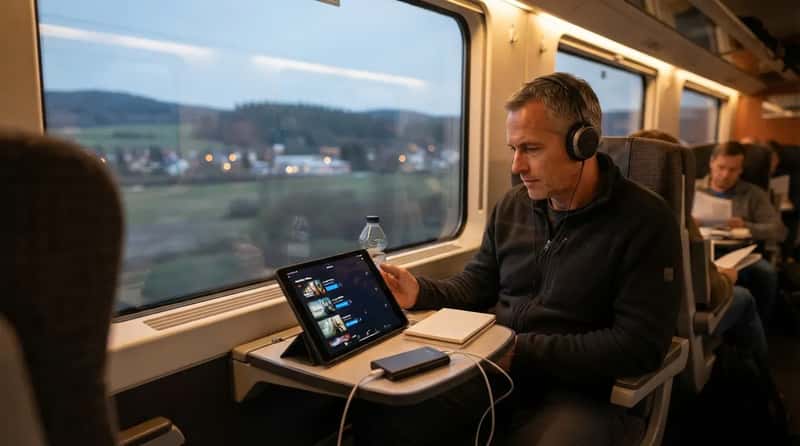
Once the train pulls out, your streaming options disappear fast in many regions. Waiting until you’re bored to search for entertainment is a rookie mistake.
The move seasoned riders make is downloading movies and TV shows ahead of time to help pass the hours. Combined with the earlier WiFi gaps heading west, offline entertainment isn’t optional, it’s essential trip planning.
7. Loose, Comfortable Clothing Beats “Travel Outfits” Every Time
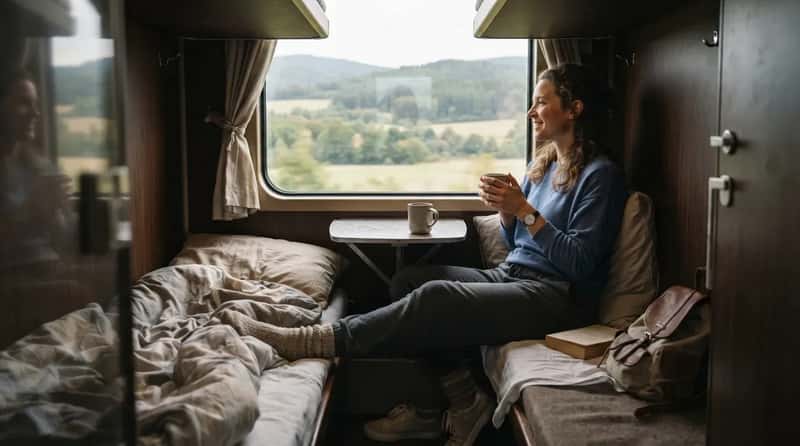
Fashion loses to function on an overnight train, and regulars figured that out a long time ago. Anything binding becomes miserable somewhere around hour ten.
Loose-fitting pants, think yoga or workout style, with nothing binding tend to win out once travelers actually settle in. They’re also presentable enough for the dining car and perfect for wandering in at breakfast.
6. Multi-Night Trips Demand a Backup Toiletry Stash
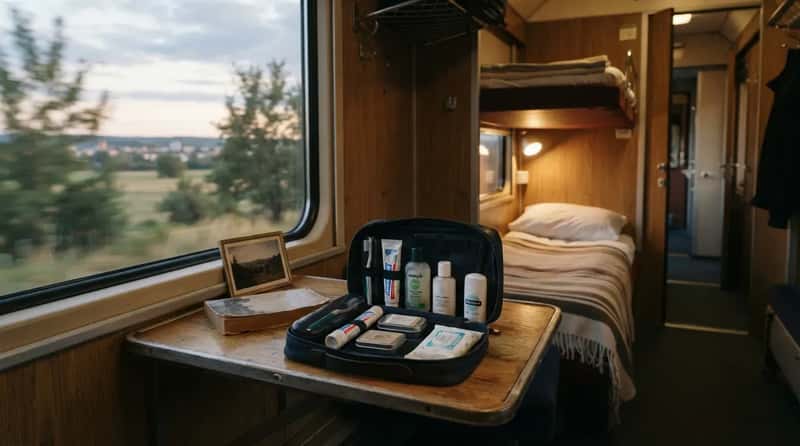
Short overnight hops don’t require much planning, but multi-night sleeper journeys are a different story entirely. This is a lesson most people only learn the hard way, once.
Sleeper cars come stocked with blankets, small pillows, bottled water, linens, and coffee station access, but on multi-night trips, keeping extra toiletries in your bag becomes worth the planning. Regulars never assume the room restocks itself the way a hotel does.
5. Power Outlets Exist, But They’re Not Enough
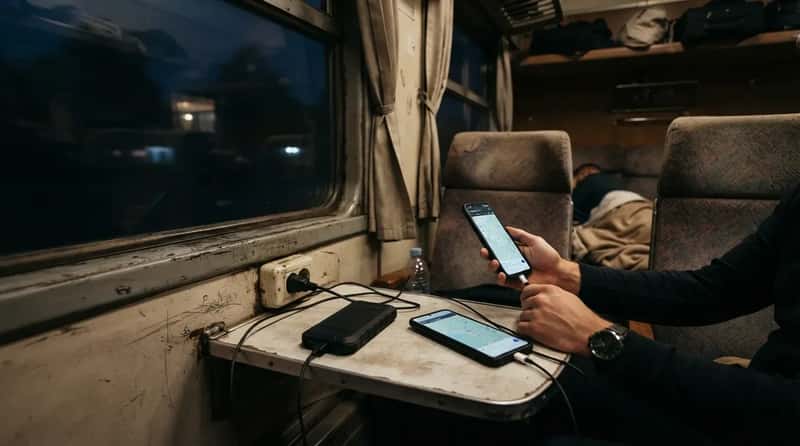
Outlets in sleeper rooms and coach seats give people a false sense of security about their devices. Frequent riders never rely on them alone.
Power outlets are available on board, but a portable charger offers extra flexibility, especially on trains where outlets are shared, finicky, or positioned awkwardly inside older railcars.
4. The 15-Hour and 18-Hour Rules Nobody Tells You
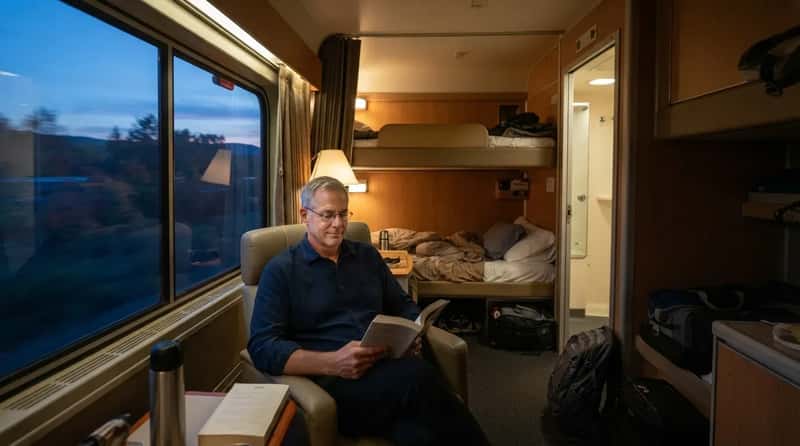
Seasoned riders quietly use trip length as their real decision-making tool, not the destination. It’s a smarter filter than most booking guides admit.
Industry guidance suggests a roomette works fine for a business traveler avoiding flights if the trip is under 15 hours, but on trips longer than 18 hours, cramped quarters become noticeably uncomfortable. Anything longer, and regulars start seriously considering the bedroom upgrade instead.
3. The Family Bedroom Sleeps Four – and Almost Nobody Books It
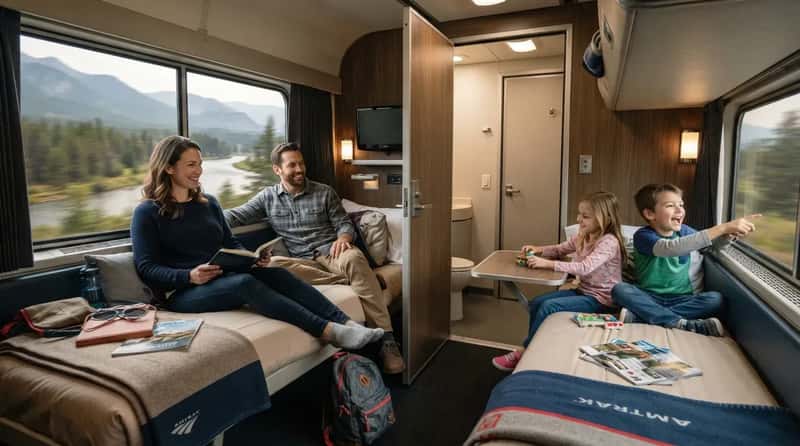
Most travelers assume sleeper rooms max out at two people. That’s simply not true, and it’s a genuinely underused option for families.
Amtrak’s sleeping car accommodations include a bedroom suite of two adjoining bedrooms that can accommodate one to four people, alongside standard roomettes, bedrooms, and accessible rooms. Regulars traveling with kids or extended family often find this the single best value on the train.
2. Auto Train Lets You Skip Driving Without Leaving Your Car Behind
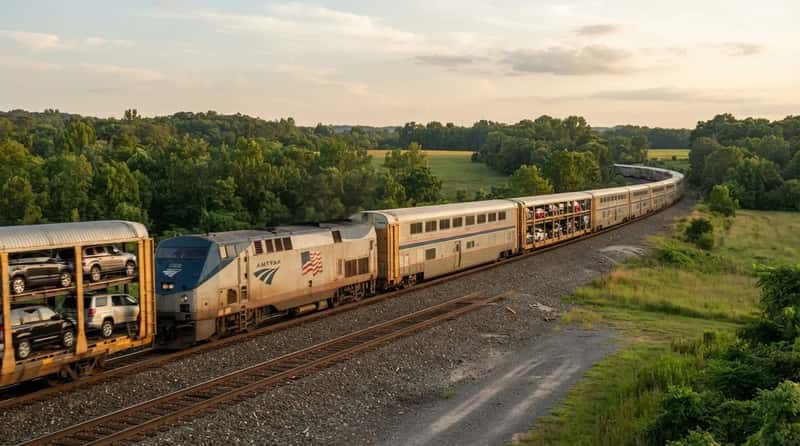
This is the loophole longtime rail fans quietly love. It solves the “how do I get my car there too” problem that ruins most long-distance train plans.
On the Auto Train route between Sanford, Florida and Lorton, Virginia, a First Class private roomette can start at $239 one-way plus the cost of transporting your vehicle. Regulars treat it as the closest thing America has to a genuine overnight car ferry.
At a Glance
- Route: Sanford, Florida to Lorton, Virginia
- First Class private roomette starts around $239 one-way
- Vehicle transport cost is separate from the ticket price
1. For Many Seasoned Riders, It’s the Only Way They’ll Ever Travel Long-Distance Again
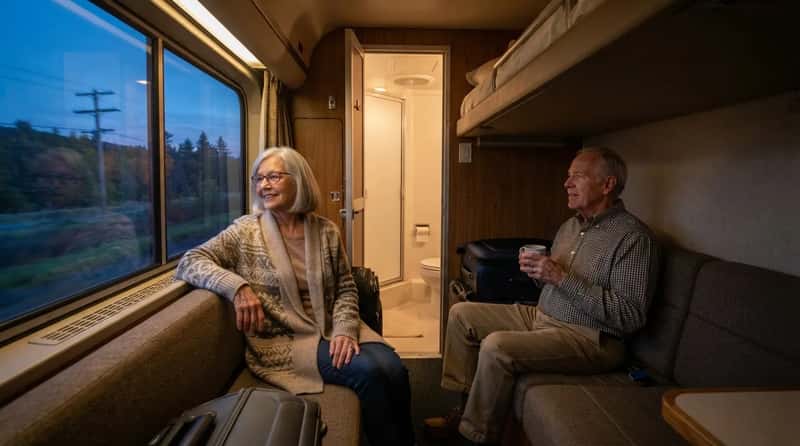
This is the rule that explains everything else on this list. For a huge share of loyal sleeper passengers, this isn’t a novelty trip, it’s the only realistic option left.
As seniors who can no longer drive long distances and who detest flying, booking a bedroom with its own shower and toilet is the only way we are able to travel long distances. There are undoubtedly many other people like us, which is why the bedrooms are usually sold out months in advance.
A longtime Amtrak sleeper passenger
That single sentiment explains why sleeper inventory disappears so fast, and why regulars never, ever wait until the last minute to book.
None of these rules are secret exactly. They’re just scattered across forums, blog posts, and decades of trial-and-error that most riders never bother collecting in one place. Put them together, though, and the whole overnight train experience stops feeling unpredictable.
The riders who keep coming back aren’t lucky. They just know which seat to pick, which stops to step off at, and which prices are worth paying. What’s the one overnight train rule you had to learn the hard way? Drop it in the comments.