There is something deeply magnetic about the idea. You dump the stuff, ditch the lease, book a one-way flight and suddenly your whole life fits into a carry-on. Social media has made this fantasy feel almost mandatory, practically a personality trait at this point. Millions of people are genuinely dreaming about it, too.
According to MBO Partners research, roughly 66 million U.S. citizens were planning to become digital nomads in 2024 alone. That is an enormous number of people holding onto this dream. The problem is that the dream rarely mentions what tends to follow the one-way ticket. Be surprised by what actually happens when the freedom kicks in.
1. The Loneliness Hits Harder Than Anyone Warned You

Here is the thing that nobody puts in the caption under their Bali sunset photo: the lifestyle can be genuinely, profoundly lonely. Around nearly half of digital nomads report feeling lonely or isolated, and roughly one in four experience frequent loneliness specifically because of constant relocations. Those numbers are not small.
Constantly being in new places makes it difficult to establish long-term friendships or a sense of community. Even when surrounded by people, nomads may feel disconnected due to language barriers, cultural differences, or the transient nature of their relationships. This isolation can lead to mental health struggles including loneliness, depression, and anxiety.
The paradox of this life is that you can be surrounded by people yet experience profound feelings of loneliness. As mental health professionals point out, the quantity of social interactions matters far less than their quality. When constantly changing locations, building the deep connections that sustain emotional health becomes one of the biggest challenges remote workers face.
2. Travel Burnout Is a Real and Sneaky Thing

The most exotic place in the world soon becomes a place with all the mundane parts of daily life and can lose its shine very quickly. Honestly, this one surprises almost everyone. The fantasy assumes that novelty is infinite. It is not.
Travel burnout is not simply tiredness. It is the mind’s response to processing too many environmental changes without adequate recovery time. Many nomads experience this after stepping outside their comfort zone for extended periods. Think of it less like vacation fatigue and more like running a constant background app that drains your battery without you noticing.
The lack of routine that initially feels liberating often becomes destabilizing over time. Human brains naturally seek patterns and predictability as a way to conserve mental energy. Without these anchors, many nomads find themselves adrift, struggling with both productivity and emotional balance.
3. You Grieve the Things You Sold More Than You Expected

I know it sounds counterintuitive when the whole point was to become free of stuff. But a grandmother’s kitchen pan, a record collection, or even a secondhand bookshelf that held memories ends up meaning more than you realized before you sold it. Many people discover a closet full of expensive clothes that tell the story of their former life. Those items accumulated into identity, not just clutter.
The problem with selling everything in a rush is that the decision is usually irreversible. Selling ten-plus years of accumulated possessions typically takes around six weeks in practice. It has to move fast because you still need to use things before the departure date. That speed means the emotional weight of each item rarely gets its moment.
The sentimental regret is one of the quieter ones, but it tends to linger the longest. Objects carry a kind of memory storage that photos on your phone genuinely cannot replicate. People who have been on the road for years often describe a nagging sense of having traded something irreplaceable for a lifestyle that turned out to be more complicated than they expected.
4. The Financial Reality Is Much Messier Than the Budget Blogs Suggest

Not every nomad is flush with cash. A 2024 study by MBO Partners found that roughly one in six digital nomads earn less than $25,000 a year, while just under half earn $75,000 or more. The gap is wide and unforgiving.
Many digital nomads, especially freelancers, face unpredictable income fluctuations. Irregular payments make budgeting genuinely difficult. Banking fees and currency exchange rates can silently chip away at earnings over time. The lifestyle that looks cheap from the outside has a lot of invisible costs.
The deeper financial regret that often surfaces is a lack of preparation in earlier years that forces a difficult choice between personal fulfillment and financial security. Many full-time travelers spent their twenties either unemployed or working low-wage roles, and then suffered anxiety and burnout trying to catch up financially once on the road. Selling everything feels like a clean slate. Sometimes it is. Often it is not.
5. Visa Logistics and Tax Complexity Will Age You Fast
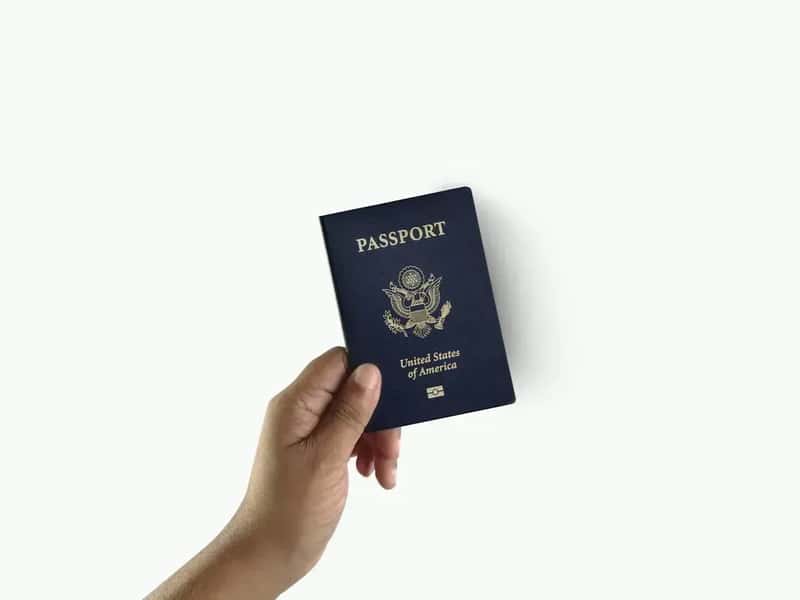
Schengen short-stay visas had a rejection rate of nearly fifteen percent in 2024, with applicants from some countries facing refusals around half the time. Each denied application can cost over ninety euros in non-refundable fees. The bureaucracy is not limited to Europe.
The phrase “work from anywhere” does not mean tax-free. If you work informally or outside an approved visa category, you risk double taxation or penalties. Countries like Spain, Germany, and Australia treat you as a tax resident if you spend 183 days or more there, subjecting you to local income tax rates that can climb to forty-five percent.
Once traditional employees begin working nomadically across borders, they may expose their employers to tax, compliance, and legal challenges. Despite these risks, few organizations have formal policies addressing digital nomadism. Many employees operate under informal “don’t ask, don’t tell” arrangements, effectively placing themselves off the grid. That is a fragile arrangement to build an entire life on.
6. Relationships Back Home Begin to Quietly Drift Away

Maintaining long-distance relationships with romantic partners, family, and friends is one of the major challenges facing full-time travelers. Constant travel strains connections as it becomes harder to stay involved in the lives of loved ones. The physical distance combined with different time zones makes communication less frequent and more difficult to coordinate. Romantic relationships can be especially challenging, as long periods apart can lead to feelings of neglect or insecurity.
Living without a home base often means being separated from close friends and family for extended periods. Frequent moves make it difficult to establish meaningful relationships or get involved locally. This can lead to profound feelings of loneliness and isolation. Additionally, the lack of community removes critical support systems that help maintain mental health.
It is hard to say for sure at what point “I’ll catch up with them next time” becomes “we’ve just drifted apart.” It tends to happen slowly, then suddenly, and full-time travelers often report that this particular regret catches them entirely off guard.
7. The Idea That a New Location Fixes Old Problems Is a Dangerous Myth

Roughly seven in ten people who make a major location change are weighed down by regrets afterward. A majority of movers in 2024 thought a change in location would fix their problems, but more than one in four say they thought they would be happier after the move and are not. Full-time travel is simply this tendency cranked up to maximum intensity.
The location cure does not work. Cracks in the foundation become chasms if you are running from something, because it will follow and eventually catch you. This is probably the most sobering truth on this entire list. Anxiety does not stay behind in your old apartment. It books the same flight.
Studies show that expatriates experience depression at three times the rate of people with stable home bases. About a quarter of them report feeling anxious or nervous, which is double the rate of those who remain grounded in one place. The freedom is real, but so are the psychological pressures that come along for the ride.
Conclusion: Freedom Has a Price Tag Worth Knowing in Advance

None of this means selling everything and traveling is a mistake. For some people it is genuinely transformative. The issue is that the romanticized version skips a lot of the fine print. Digital nomadism is a high-wire act that only certain profiles are genuinely built to sustain: those with robust savings, in-demand remote skills, strong mental health habits, and a genuine appetite for uncertainty.
The regrets listed here are not reasons to stay home forever. They are reasons to go in with open eyes rather than just an open heart. Grieving a grandmother’s pan, rebuilding a social life from scratch, and navigating a foreign emergency room are experiences that genuinely happen. They just rarely make the highlight reel.
The dream is worth chasing. The preparation is equally worth doing. What would you have changed if you had known all of this before you packed that first bag?