Travelbinger
TravelbingerTravel deals, guides and hacks
Travel News
Trip Planner
Sign In
Travel News

Social Media Algorithms Fuel India’s Exotic Pet Surge as Rules Fall Short

Share:
Expert reviewed
Matthias BinderKatherine Woodward Ramer

By Written by Matthias Binder

·

Edited by Katherine Woodward Ramer

Cited 1 sourceUpdated Oct 30, 2026· 3 min read
DetailsFull details

Cited Sources (1)

  1. news.mongabay.com — Legal loopholes and weak enforcement leave indias exotic pet trade hard (news.mongabay.com)
Author:Matthias Binder

Travel Expert & VP of Operations

Matthias a curious globetrotter who collects moments from night markets, coastlines, and tiny mountain villages. Plans trips around local food, scenic trains, and the best views at golden hour.

Editor:Katherine Woodward Ramer

Editorial Specialist

Checks destination facts and source links before a story is published.

Published October 30, 2026 · Updated October 30, 2026 · 3 min readRead our editorial policy.
Social Media Algorithms Fuel India’s Exotic Pet Surge as Rules Fall Short
Add as a preferredsource on Google

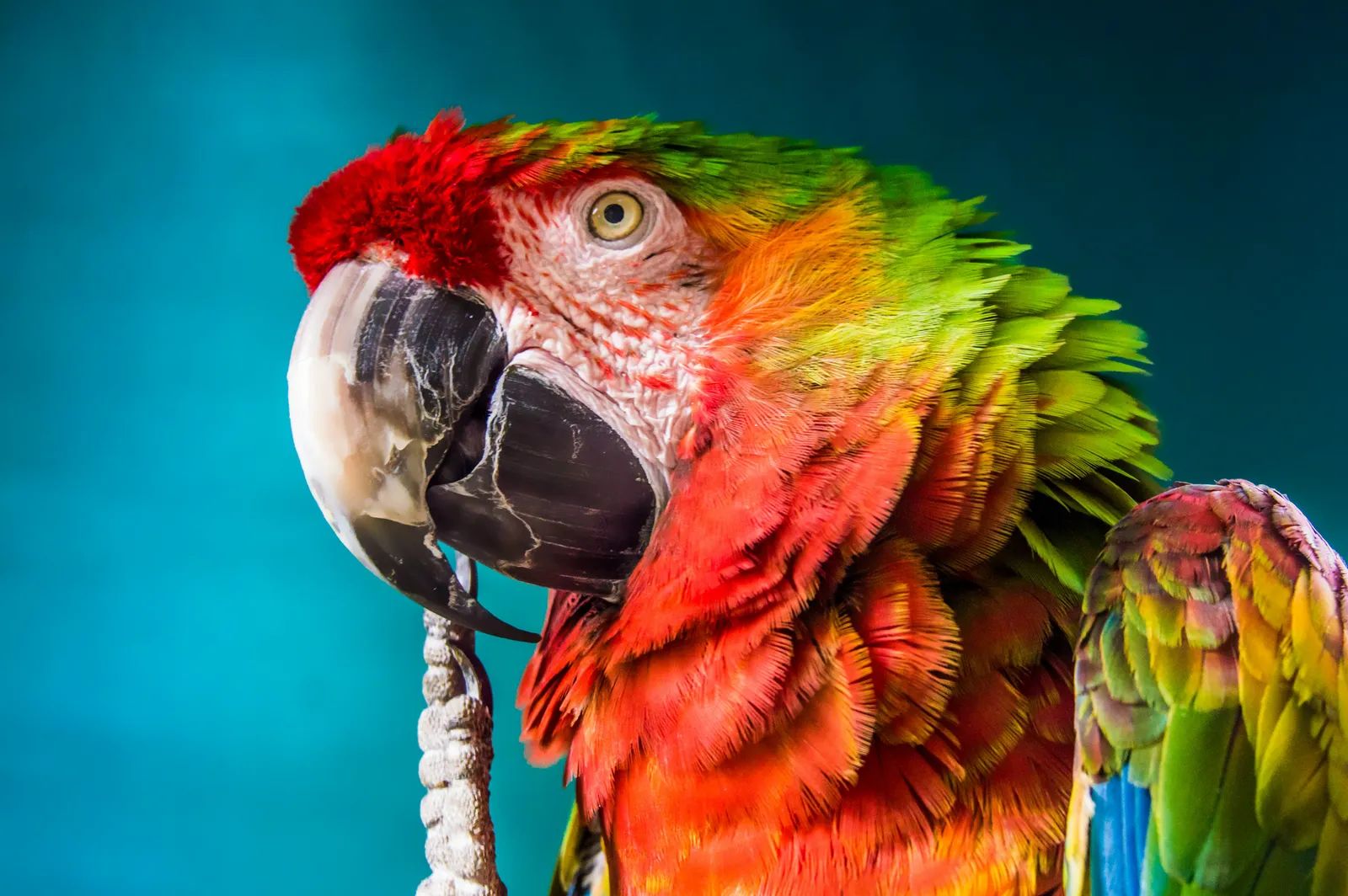
India’s exotic pet market reached $42.6 million in 2024, according to a report by Humane World for Animals, and is on track to nearly double by 2030. Rising incomes, pop culture references, and the reach of social media platforms have combined to increase demand for nonnative species across the country. Reporting by Arathi Menon for Mongabay India highlights how these trends continue despite existing wildlife protections. ([1])

Market Growth Tied to Digital Platforms

The Humane World for Animals assessment links the expansion directly to online visibility. Videos and posts featuring exotic animals generate high engagement, which in turn pushes similar content to wider audiences. This cycle has normalized ownership in ways that traditional advertising could not achieve. Petting zoos and similar interactive experiences add another layer. They allow direct contact that often translates into purchases once people return home. Closed messaging groups and unmonitored online marketplaces then complete the transactions without required health checks or paperwork.

Policy Updates and Their Reach

In 2020 the environment ministry launched a Voluntary Disclosure Scheme that let owners register nonnative pets without immediate penalties. More than 40,000 declarations came in from 30 states and union territories. The step provided an initial snapshot of the scale of private holdings. A later amendment to wildlife law now requires registration of possession, transfers, births, and deaths for species covered by the CITES treaty. Jose Louies, chief executive of the Wildlife Trust of India, noted that the change supplies forest departments with a clearer legal basis for action against unauthorized animals inside the country.

Enforcement Realities on the Ground

Gaps remain between the updated rules and daily practice. Online sales often bypass screening requirements, and closed groups make tracing difficult. Sumanth Bindumadhav, India director for Humane World for Animals, observed that algorithms reward high-engagement content and thereby sustain interest in these animals. Environmental lawyer Shubhra Sotie has pointed to the practical limits of current monitoring. Resources for inspection and follow-up are stretched, leaving many transactions outside official view. The result is a market that grows faster than regulatory capacity in several regions.

Related Stories From Travelbinger

  • 24 Requests Flight Dispatchers Approve Far More Readily Than Anyone Expects
  • Jet Fuel Shortage Risk Persists For Smaller European Airports Despite Improved Wider Supply
  • Long-Distance Drivers Swear By These 16 Fuel-Stop Rules

Stakeholders and Practical Effects

Forest departments now hold registration data that can support targeted interventions. Animal welfare groups track trends through the disclosure numbers and market projections. Pet owners who came forward under the 2020 scheme gained a path to compliance, while those operating outside it face continued risk of enforcement actions. The combination of digital amplification and uneven oversight creates ongoing challenges for consistent application of the rules. Projections through 2030 suggest the pressure will increase unless monitoring tools improve in step with demand. Travelers and wildlife observers encounter these dynamics indirectly through changing availability of species in private settings and occasional reports of seizures at borders or markets. The underlying tension between expanding interest and limited enforcement capacity remains the central issue for Indian authorities.


🔥 Would you like to save this?

We’ll email this post to you, so you can come back to it later.

Matthias Binder

Matthias Binder

Matthias a curious globetrotter who collects moments from night markets, coastlines, and tiny mountain villages. Plans trips around local food, scenic trains, and the best views at golden hour.

View Profile & Articles
Katherine Woodward Ramer

Edited & reviewed by Katherine Woodward Ramer — Editorial Specialist

Expert reviewed

More from Matthias Binder

Chase Sapphire Reserve Gaps: The Second Cards That Fill Them

Chase Sapphire Reserve Gaps: The Second Cards That Fill Them

1 min read

Hooved Migrators Vanished Faster Than Homebodies Over 100,000 Years

Hooved Migrators Vanished Faster Than Homebodies Over 100,000 Years

1 min read

This Endangered Hawaiian Bird Swings Its Body Like an Axe

This Endangered Hawaiian Bird Swings Its Body Like an Axe

1 min read

Why Thousands of Americans Are Quietly Retiring to This Colorful Town in Colombia

Why Thousands of Americans Are Quietly Retiring to This Colorful Town in Colombia

1 min read

Latest News

Fresh travel updates

Chase Sapphire Reserve Gaps: The Second Cards That Fill Them

Chase Sapphire Reserve Gaps: The Second Cards That Fill Them

Matthias Binder·Nov 12
Hooved Migrators Vanished Faster Than Homebodies Over 100,000 Years

Hooved Migrators Vanished Faster Than Homebodies Over 100,000 Years

Matthias Binder·Nov 12
This Endangered Hawaiian Bird Swings Its Body Like an Axe

This Endangered Hawaiian Bird Swings Its Body Like an Axe

Matthias Binder·Nov 12
Why Thousands of Americans Are Quietly Retiring to This Colorful Town in Colombia

Why Thousands of Americans Are Quietly Retiring to This Colorful Town in Colombia

Stefan Brand·Nov 12
View All News

Stay Updated

Get the latest travel news delivered to your inbox

Stay Inspired

Get travel inspiration, guides, and exclusive deals delivered to your inbox.

Travelbinger
TravelbingerTRAVEL DEALS, GUIDES AND HACKS

Discover the world through the eyes of seasoned travel experts. From breaking news to hand-picked destination guides, we bring you the stories that matter. Join our community for exclusive member deals and authentic inspiration for your next journey.

Deals

  • All Deals
  • Beach Holidays
  • City Breaks
  • Luxury Hotels
  • Last Minute

Popular Destinations

  • Europe
  • Asia
  • North America
  • South America
  • Africa

Company

  • About Us
  • Travel News
  • Editorial Policy
  • Contact

Legal

  • Privacy Policy
  • Terms & Conditions

This website contains affiliate links to trusted partners.

© 2026 Travelbinger. All rights reserved.

Secure payment with:
Visa
MC
PayPal
Klarna