

Tobacco use is shrinking at the global level. A WHO report published in October 2025 shows that tobacco use continues to fall across the world.[1] That trend doesn’t reach every place equally, and in some countries a smoker on the corner is still a normal sight.
Rankings depend heavily on what gets counted. Some datasets track all tobacco, including smokeless forms, while others look only at cigarettes, so the numbers below vary by source. Most figures come from WHO estimates for adults aged 15 and over, and I’ve flagged where national surveys tell a slightly different story.
Nauru

This tiny Pacific island sits at the top of the WHO’s 2025 series. Nauru ranks first, with current tobacco use of 46.7 percent among adults aged 15 and older.[2] That means close to half of all adults use tobacco in some form.
The gender gap is almost nonexistent here. Men smoke only slightly more than women in Nauru, at 47.8 percent compared with 45.6 percent.[3] In most countries on this list, smoking is heavily male, so that near parity stands out.
Myanmar
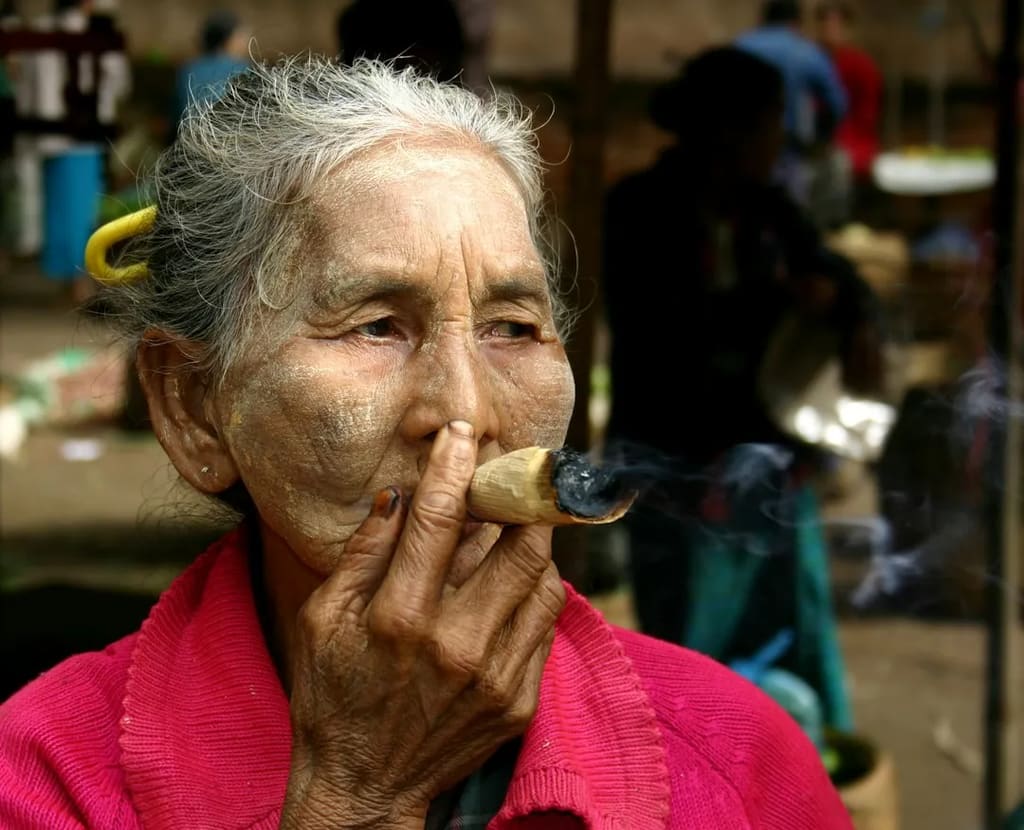
Myanmar comes second in the same WHO ranking. It sits at 42.3 percent, ahead of Serbia, Bulgaria and Indonesia.[2] The split between men and women is wide, though.
According to one 2025 dataset, the total consists of 68 percent of men and 16.6 percent of women.[3] There’s a measurement wrinkle too. The WHO measure captures smokeless and oral tobacco and traditional forms like cheroot and betel quid, which a cigarette only count would miss.[4] So not every user in that figure lights a cigarette.
Serbia

Serbia ranks third in the WHO’s 2025 data. Its tobacco use rate is 39.0 percent.[2] A European study looking at smoking and tobacco control policy found that smoking prevalence in Serbia is over 30 percent.[5]
Unlike many countries here, Serbia doesn’t have a big gender divide. In one 2025 breakdown of cigarette smokers, women in Serbia come in slightly above men, at 36.9 percent against 34.8 percent.[3] One explanation commonly offered for the Eastern European pattern is that it reflects a historical smoking culture, weaker tobacco control policies, and higher rates of economic hardship.[6]
Bulgaria
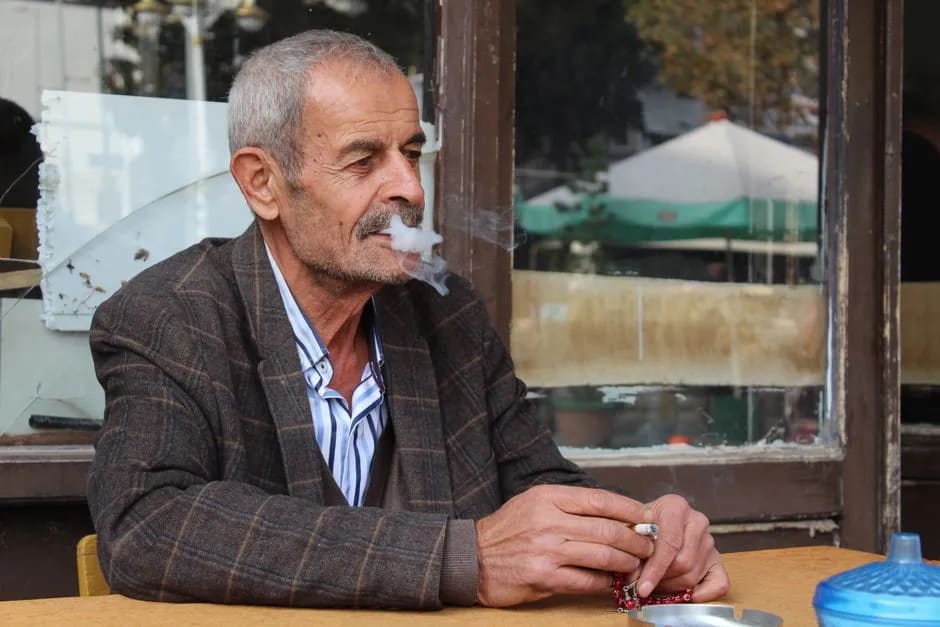
Bulgaria is the heaviest smoking country in the European Union by most measures. The Eurobarometer figure puts Bulgaria at 37 percent, with Greece at 36 percent, while Sweden sits at 8 percent.[7] The EU average is far lower, as 24 percent of people aged 15 and over smoked in 2023.[7]
The WHO’s 2025 series puts the Bulgarian figure a touch higher, at 38.8 percent.[2] Daily smoking tells a similar story. In earlier Eurostat data, Bulgaria had the highest share of daily smokers, at 28.7 percent of residents.[8]
Indonesia

Indonesia’s numbers are dominated by men. WHO ranks it fifth globally, with 38.7 percent of people aged 15 and older using tobacco in 2025.[9] The country has about 70 million smokers, according to the 2023 National Health Survey.[9]
Kretek, the clove based cigarette, is central to the market. Kreteks dominate the domestic market and account for a large part of total consumption.[9] A tiered excise system keeps cheap cigarettes widely available, so smokers tend to trade down rather than quit.[9] Estimates vary by method, since one WHO based table lists a cigarette smoking rate of 30.2 percent, with 59.3 percent of men and 1.1 percent of women.[3]
Papua New Guinea
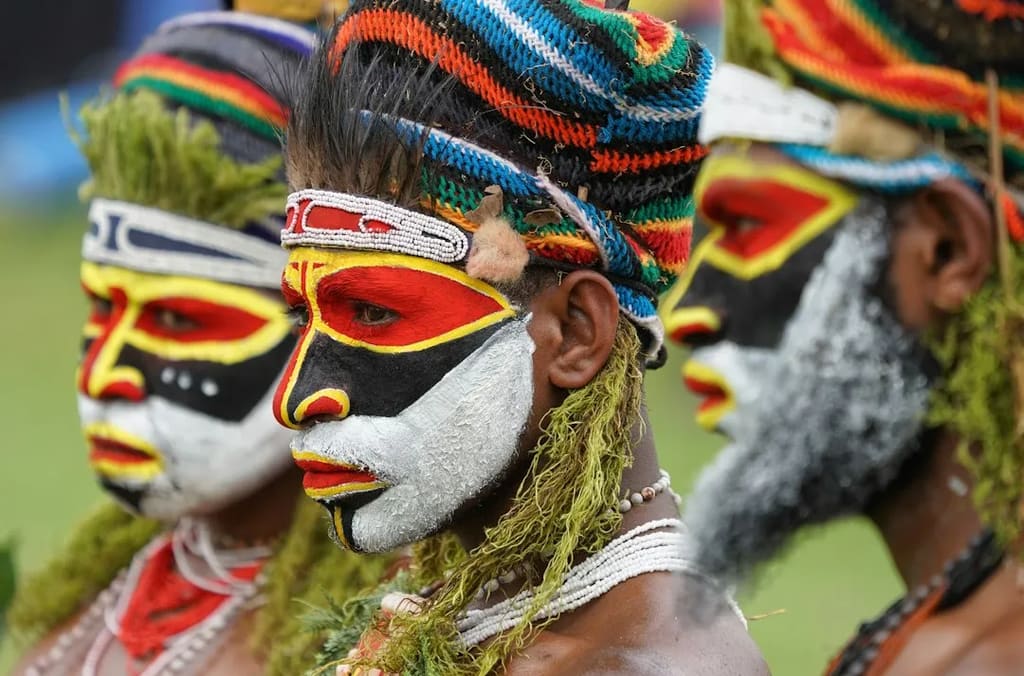
Papua New Guinea is one of several Pacific nations at the top of the tables. The WHO series lists it sixth, at 38.1 percent.[2] Pacific island countries show consistently high rates in these datasets.
Men account for most of the habit. World Bank data for 2024 puts male tobacco use at 53.5 percent.[10] The pattern starts young, because a 2019 study found that among countries with more than one million people, smoking among males aged 15 to 24 was 46.7 percent in Papua New Guinea.[11]
Croatia

Croatia sits seventh in the WHO’s 2025 ranking, at 37.6 percent.[2] The Eurobarometer survey, which focuses on smoking, shows a similar picture, with Bulgaria at 37 percent, Greece at 36 percent and Croatia at 35 percent ranking highest.[12]
It isn’t alone in the region. Older WHO figures for 2021 showed neighbors Croatia at 37 percent and Bosnia and Herzegovina at 36 percent.[6] Meanwhile, the European Union wants to create a smoke free generation by 2040, but differences in tobacco rules across the bloc remain.[12]
Timor-Leste
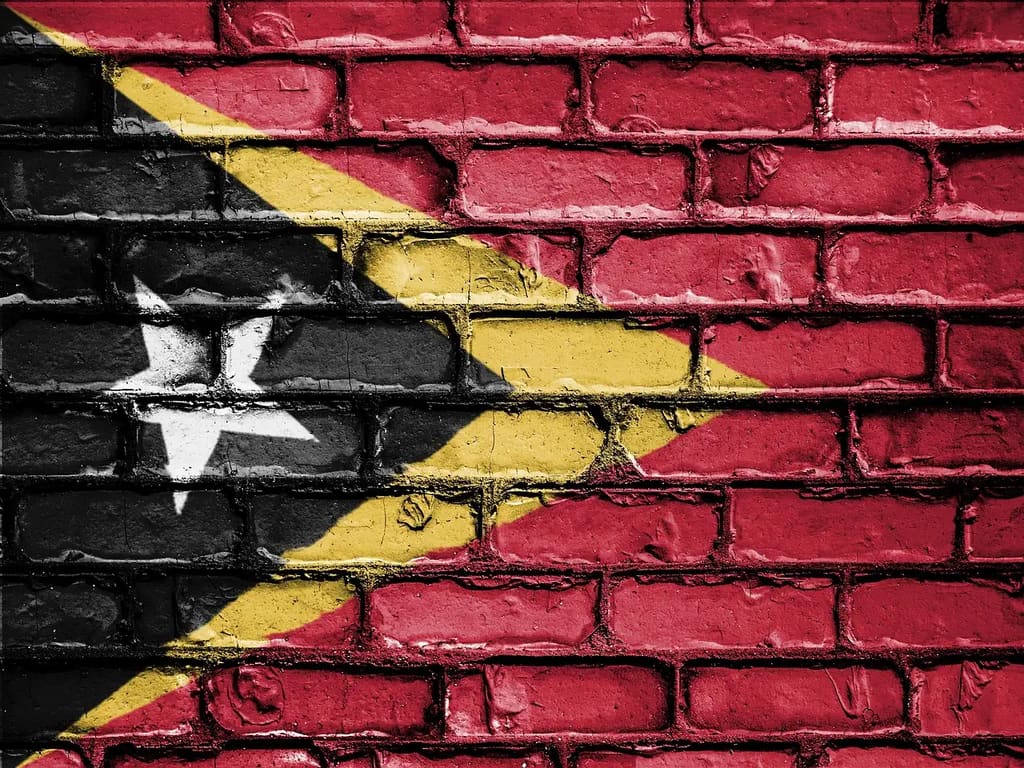
Timor-Leste’s figures change a lot depending on the source. The WHO series lists it eighth, at 37.2 percent.[2] The World Bank’s 2024 series, however, puts the share of adults who use tobacco at 48.8 percent, the highest of any country.[13]
Related Stories From Travelbinger



What both agree on is that men do most of the smoking. World Bank data shows male tobacco use at 76.2 percent in 2024.[10] The 2019 youth study found something similar, with the highest male smoking prevalence among young people in Timor-Leste, at 52.8 percent.[11]
Kiribati
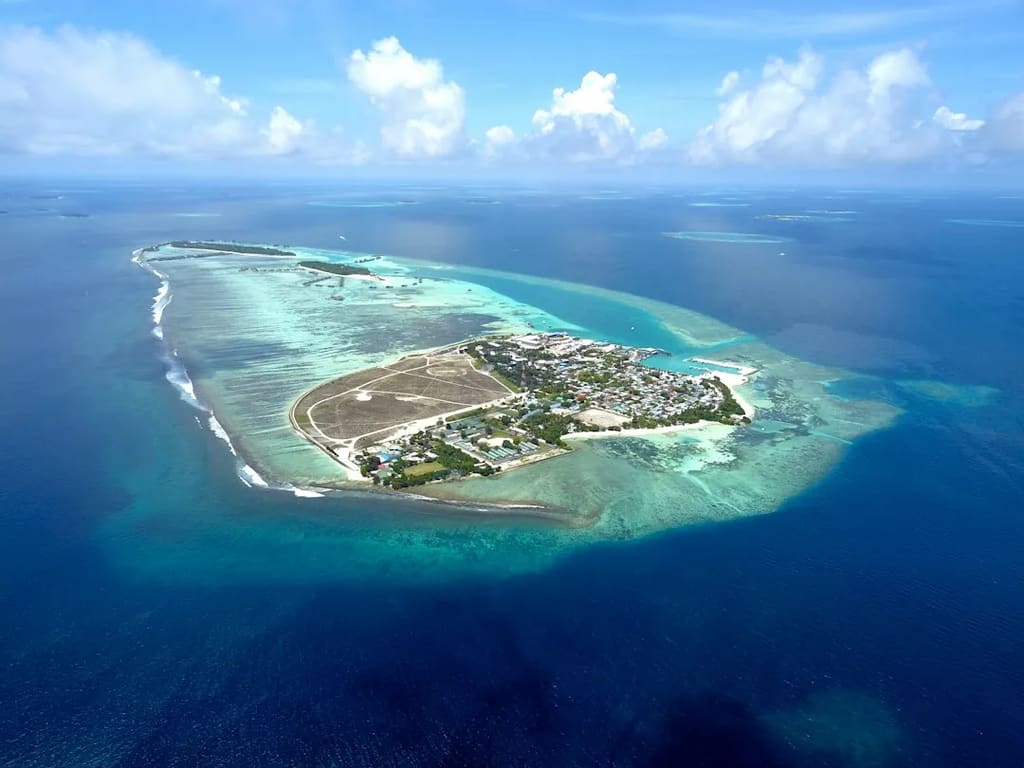
Kiribati is another Pacific nation near the top. The WHO series lists it ninth, at 36.8 percent.[2] The CIA World Factbook also ranks it ninth, giving an estimate of 35.4 percent for 2025.[14]
Men again drive the average. World Bank data shows male tobacco use at 50.4 percent in 2024.[10] One dataset also shows a notable share of women, with 19.8 percent of women smoking cigarettes, against 41.7 percent of men.[3]
Greece

Greece is a rare case among wealthy European countries, with a smoking culture that stays visible in cafes and bars. The EU’s statistics office reported 36 percent of Greeks smoking in 2023, second only to Bulgaria.[7] Other surveys use different methods, and a European study put Greek prevalence at 28.8 percent.[5]
There are some signs of movement. A later Eurobarometer comparison found that smoking decreased by 6 percentage points in Greece compared with the previous analysis.[15] Politics around the issue has been mixed, though. When EU health ministers backed extending smoke free areas, all countries voted in favour apart from Germany and Greece, which abstained.[12]