Family trips are supposed to live in memory as a blur of sunburns, snack breaks, and inside jokes. For some adults, though, looking back at those vacations brings up a different feeling: exhaustion. If every stop was scheduled to the minute and every decision ran through one parent’s approval, the trip may have been less about exploration and more about control.
Recognizing these patterns later in life can be clarifying. It does not mean the vacations were without joy, but it can explain why certain memories feel more tense than warm. Below are the signs that often show up when a parent’s need for control shaped the family’s travel experience.
Every minute of the day had a plan
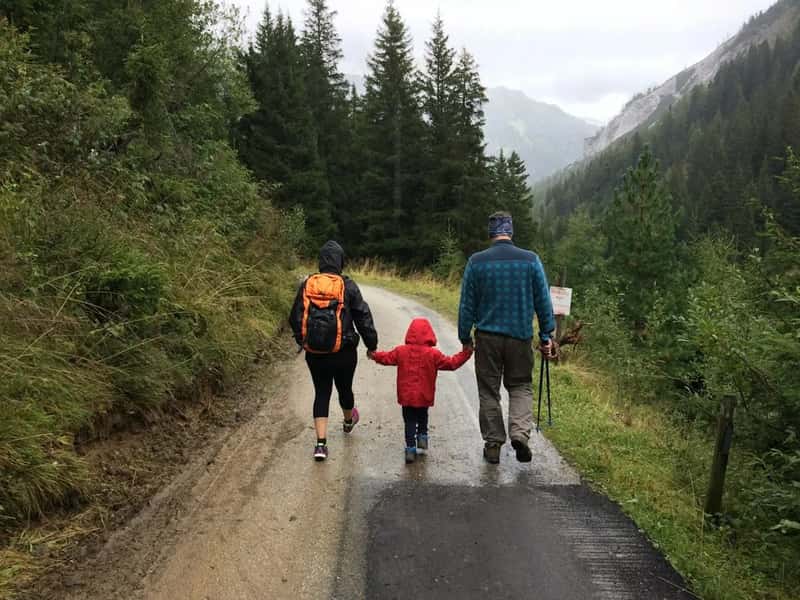
There was no room for spontaneity because a printed or mentally rehearsed itinerary dictated wake-up times, meals, and activities down to the hour. Even downtime was treated as a scheduled block rather than something that happened naturally. Children in these households often describe feeling like participants in someone else’s checklist rather than people on a family trip.
If a sibling wanted to linger at the pool an extra fifteen minutes or skip a museum stop, that request was often met with visible frustration. The parent’s timeline mattered more than the mood of the group. Vacations became something to complete rather than something to enjoy.
Complaints were treated as ingratitude
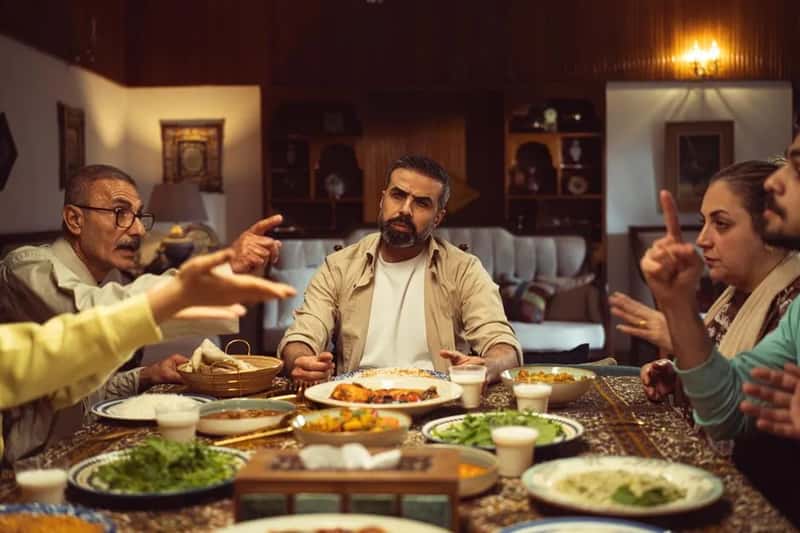
Tired feet, boredom, or hunger were rarely acknowledged as valid feelings in these family dynamics. Instead, expressing discomfort was framed as a lack of appreciation for the money and effort the parent had put into the trip. This taught children early on that their physical and emotional needs were secondary to the parent’s investment.
Over time, kids learned to mask discomfort rather than voice it, since voicing it led to guilt trips or lectures about ungratefulness. That silence often followed them into adulthood, showing up as difficulty asking for breaks or accommodations even as grown travelers. The lesson embedded was that a good time was mandatory, not optional.
Photos mattered more than the moment

Documentation often took priority over actual experience, with families stopping mid-activity to stage the “perfect” photo for social media or family albums. Children were sometimes asked to redo smiles or poses until the image matched the parent’s vision of a happy vacation. This could turn simple moments, like watching a sunset, into a production rather than something felt.
The pressure to look happy on camera sometimes overshadowed whether anyone actually was happy. Kids who grew up this way may notice as adults that they instinctively perform for photos rather than experiencing an event directly. The habit of curating an image over living an experience often started at a young age during these trips.
Deviations from the plan caused visible anger

A missed reservation, a wrong turn, or a canceled excursion could derail the entire mood of the trip. Rather than adapting, the overbearing parent often reacted with frustration or blame directed at other family members, even when the disruption was outside anyone’s control. This turned unpredictable travel moments, which are common and often memorable in a good way, into sources of tension.
Weather delays, closed attractions, or fully booked restaurants became personal affronts rather than normal travel hiccups. Family members learned to walk carefully around these moments, sometimes withholding information about problems just to avoid the fallout. This left little room for the flexibility that makes travel enjoyable.
Choices were made without input from the rest of the family

Destinations, hotels, restaurants, and daily activities were often decided unilaterally, with children and sometimes even the other parent having little say in the matter. Preferences were occasionally asked for as a formality, but the final decision rarely changed based on that input. This created a dynamic where one person’s taste defined the entire family’s experience.
Kids who wanted to visit a specific attraction or skip a particular activity often found their requests dismissed or reframed as impractical. The result was a vacation that reflected one person’s interests rather than a shared family experience. Many adults recall not feeling like their preferences mattered on these trips at all.
Rest was treated as wasted time

Lounging by a pool or sleeping in was sometimes framed as a missed opportunity rather than a legitimate part of vacationing. The overbearing parent often pushed for maximum activity and sightseeing, equating stillness with laziness. This left little room for children to recharge during a trip that was supposed to be restorative.
Naps were cut short, mornings started early regardless of how late the previous night ran, and breaks were minimal. The underlying message was that value came from constant motion and achievement, even while on vacation. Adults raised this way sometimes report struggling to relax on their own trips as a result.
Money was frequently mentioned as leverage

Financial contributions to the trip were sometimes brought up during disagreements, used as a way to end arguments or silence complaints. Phrases about how much the vacation cost or how hard the parent worked to afford it often followed any pushback from children. This linked the family’s travel experiences to a sense of debt rather than shared enjoyment.
Kids grew up associating vacations with an unspoken obligation to perform gratitude in exchange for the expense. This dynamic sometimes carried into adulthood, where individuals feel guilty spending money on their own travel or leisure. The connection between money and control on these trips left a lasting impression.
Emotional outbursts shaped the family’s mood

One parent’s stress, disappointment, or anger during the trip often set the emotional temperature for everyone else. Family members became attuned to reading that parent’s mood and adjusting their own behavior to avoid triggering a negative reaction. This turned vacations into an exercise in emotional management rather than relaxation.
Children in these situations frequently took on the role of peacekeeper, trying to keep siblings quiet or upbeat to prevent a parent’s frustration from escalating. This responsibility, carried at a young age, often shaped how these children managed conflict later in life. The vacation’s emotional climate depended almost entirely on one person’s state of mind.
Comparisons to other families were common

The overbearing parent sometimes measured the trip’s success against other families’ vacations, whether real acquaintances or examples seen online and in media. Statements about how other families “did things better” or spent more on similar trips created pressure to keep up appearances. This turned vacations into a form of quiet competition rather than a personal or shared experience.
Children absorbed the idea that the trip needed external validation to be considered worthwhile, rather than being judged by their own enjoyment. This comparison-driven mindset sometimes followed them into how they evaluate their own adult vacations and life milestones. The need to measure up to an external standard overshadowed the ability to simply enjoy the moment.