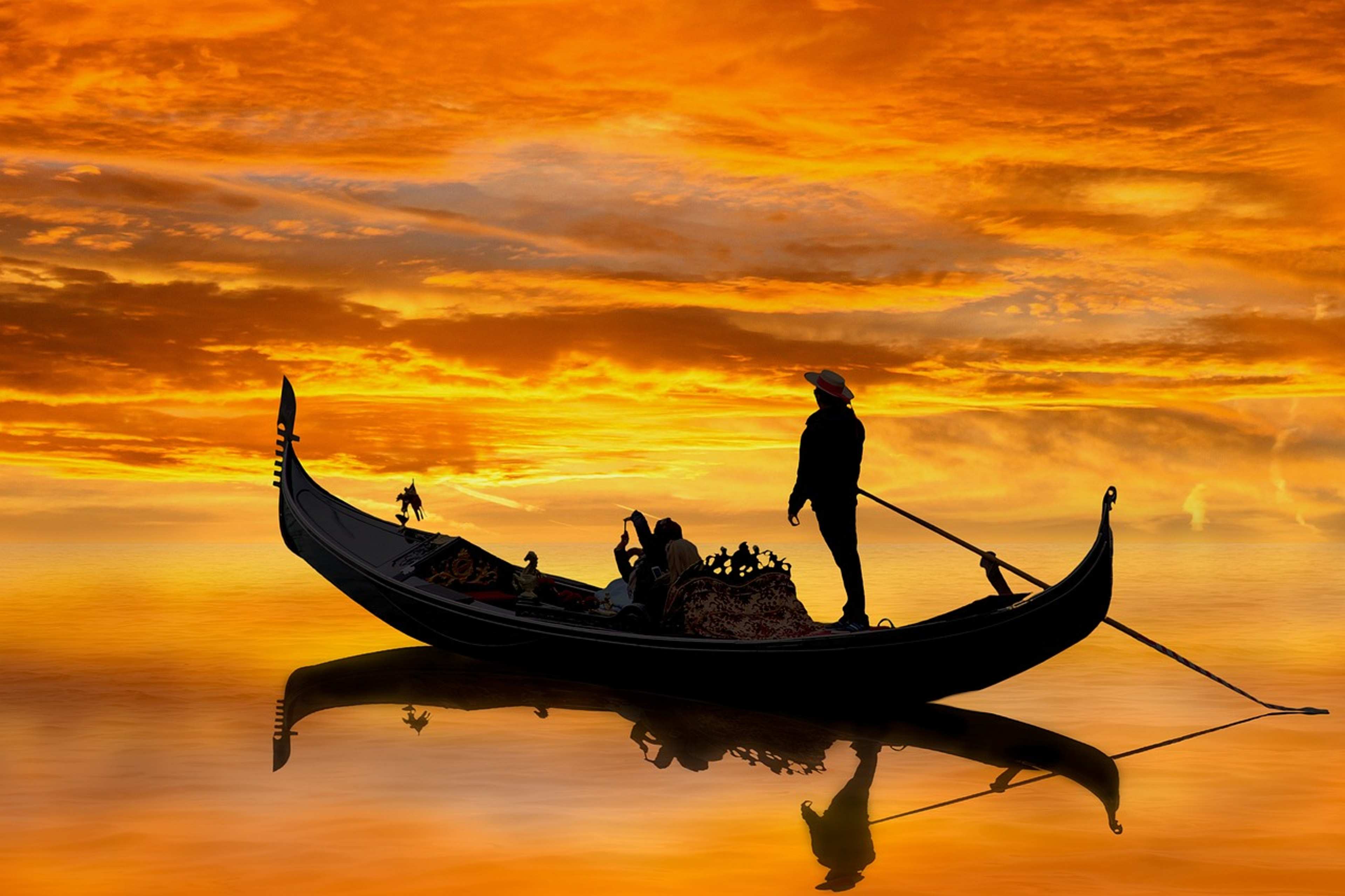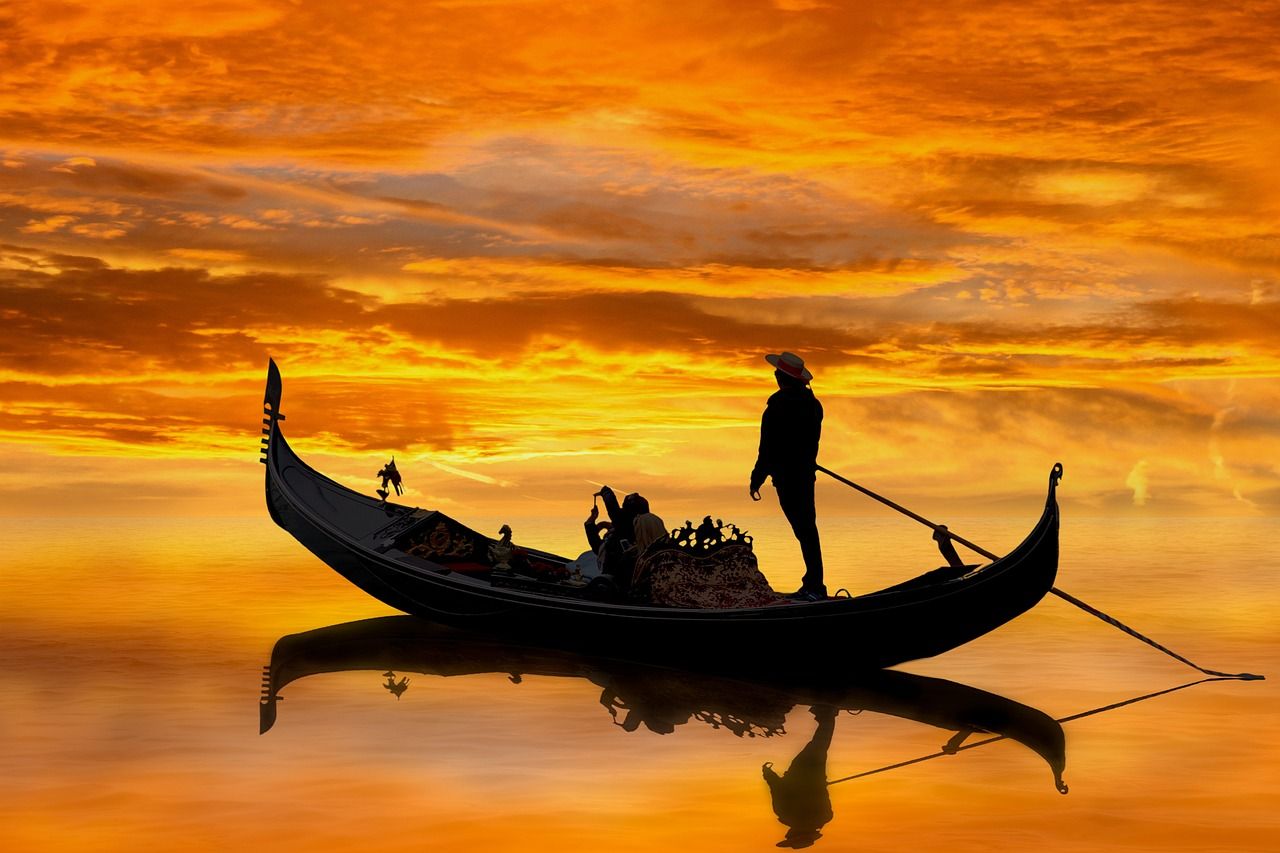
Some places are famous for good reason, and some are famous enough that the experience suffers. In several cities, overtourism has reached the point where officials have introduced daily visitor limits and even outright bans on new hotels[1]. You can still visit these headline destinations. A smarter option is to pair them with a quieter neighbor that offers a similar character.
The eight picks below follow that idea. Some of the numbers come from official tourism bodies, and some of the swaps come from travel guides and operators. Rules and fees change often, so check official sources before you book.
Japan: Swap the Golden Route for Shikoku
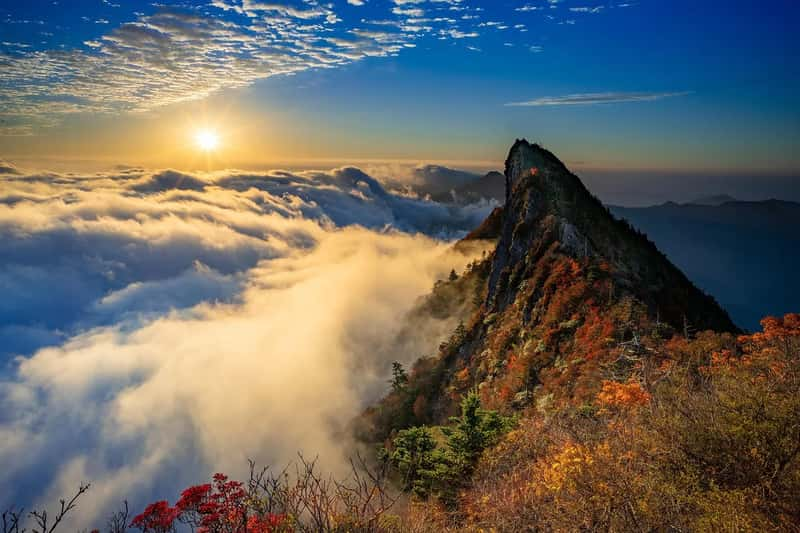
Japan is as busy as it has ever been. The national tourism organization reported that international arrivals in 2025 rose nearly 16 percent to more than 42.6 million, about 10 million more than in 2019[2]. The agency has also been encouraging visitors to explore regions of Japan beyond the major cities[3]. That official nudge makes a good starting point for a less crowded trip.
Shikoku, the smallest of Japan’s four main islands, is a strong place to follow it. The Iya Valley is known for its steep gorges and old vine bridges. Matsuyama has Dogo Onsen, one of the country’s best known hot spring bathhouses. The art island of Naoshima, just offshore, rounds out a trip with far fewer tour groups than you’d meet in Kyoto’s busiest temple districts.
Italy: Let Chioggia Stand In for Venice
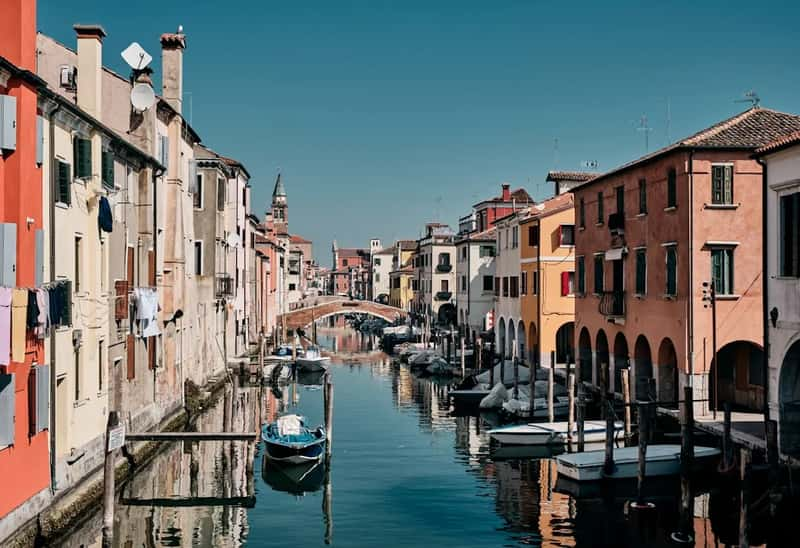
Venice is the textbook case of a city stretched by day visitors. Roughly 30 million people visit each year, and many of them don’t stay overnight[4]. In 2026 the city required day-trippers to pay an access fee on 60 days between 3 April and 26 July[5]. Officials later reported that more than 650,000 paid vouchers were issued[6]. They described the findings on crowding as preliminary.
If you want canals without the crush, look at Chioggia. One Italy guide describes it as offering canals, a fish market and lagoon life, with far fewer visitors[7]. Padua, Verona and Treviso are other quieter bases, and staying overnight rather than day-tripping[8] is also recommended. The same guide suggests Procida as a calmer alternative to Capri, a small and colorful island in the Bay of Naples.
Greece: Choose Naxos or Alonnisos Over Santorini

Santorini has moved to control its cruise traffic. The island now enforces a hard daily cap of 8,000 cruise passengers, introduced in 2025 and tightened for 2026[9]. Its berth allocation system shows only 595 ships scheduled to dock in 2026, compared with 728 in 2025[9]. For context, the island previously saw as many as 17,000 cruise passengers a day in peak season[10]. The cap applies to cruise passengers only, so Fira and Oia can stay crowded on days when cruise numbers are well down[11].
Naxos is a frequently suggested alternative, and one 2026 swap list pairs it directly with Santorini. It’s the largest island in the Cyclades, with long sandy beaches, mountain villages such as Apiranthos, and the marble Portara gateway at the harbor. For something even quieter, Intrepid Travel’s list for 2027 points to Alonnisos as a less crowded alternative to Greece’s most booked islands[12]. The island sits inside a protected marine park that is known for its monk seals.
Portugal: Pair Lisbon With the Alentejo and the Douro
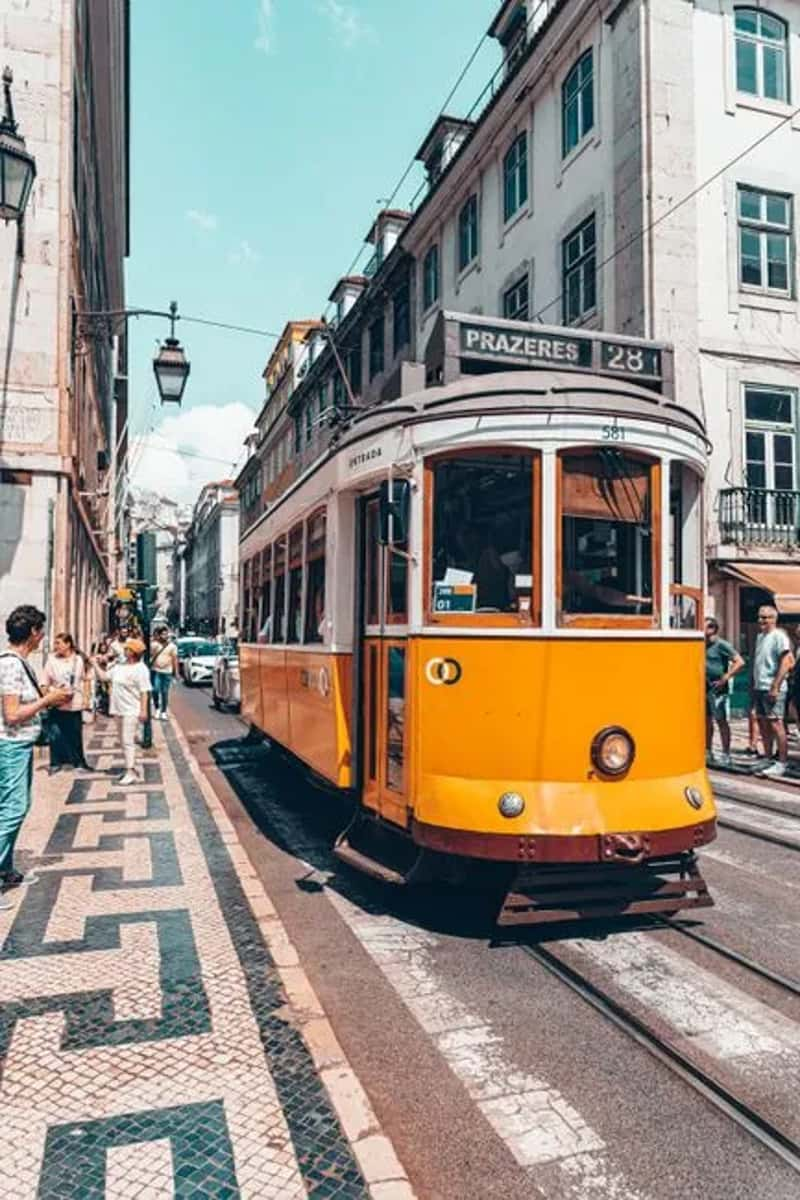
Lisbon’s popularity has kept climbing. One 2026 guide on destinations to approach carefully lists the city’s recent popularity that continues to grow[13] and flags summer and major festivals as the busiest periods. Its advice is to travel in winter or fall and combine Lisbon with less crowded neighboring regions such as Alentejo or the Douro Valley[13].
The Alentejo rewards a slow pace. Évora’s walled center is a UNESCO World Heritage site and includes a well-preserved Roman temple. The surrounding plains are dotted with cork oaks, whitewashed villages and hilltop towns like Monsaraz. The Douro Valley, another UNESCO-listed landscape, offers terraced vineyards and river views. It suits travelers who like to drive a little and linger over lunch.
Peru: Trek to Choquequirao Instead of Queuing for Machu Picchu
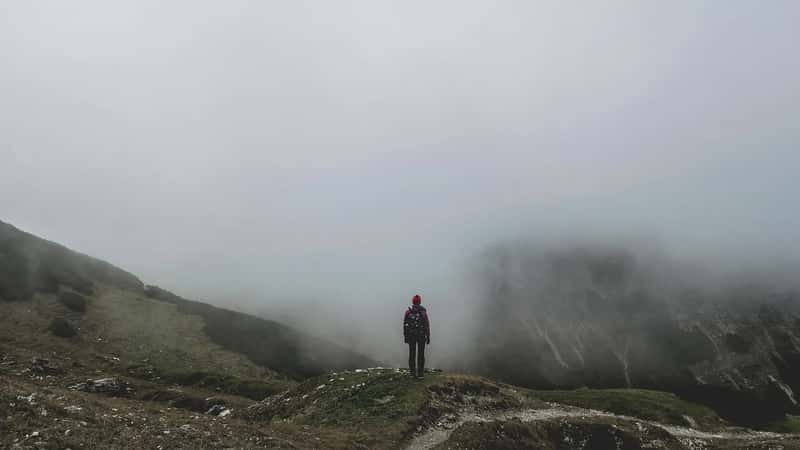
Machu Picchu is one of the most visited archaeological sites in South America, and access is managed through timed tickets and set circuits. That keeps the site protected, but it can also mean busy walkways and tight schedules. Rules and quotas change from year to year, so check the official ticketing site before you commit to dates.
Choquequirao is the usual suggestion for travelers who want Inca ruins with more space. The site sits high above the Apurímac canyon in the Vilcabamba range, and you reach it on foot over several days. The trek is demanding, with steep descents and climbs, so it suits prepared hikers. In return, the terraces and plazas often feel nearly empty compared with Machu Picchu.
Iceland: Head for the Westfjords
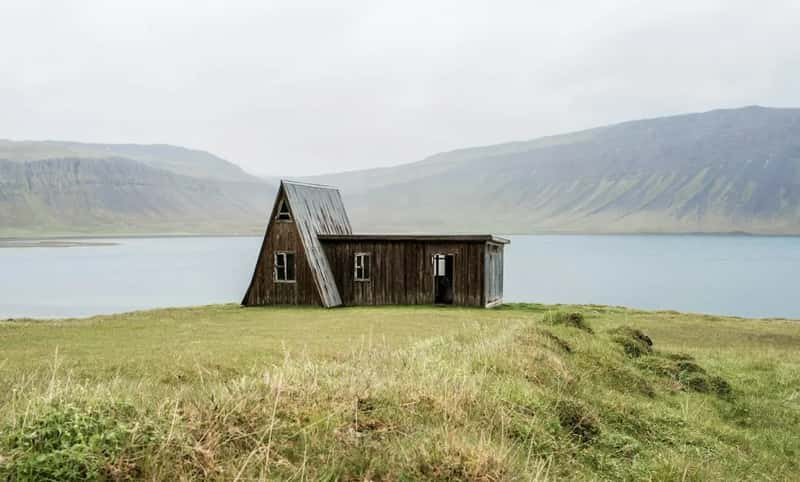
Iceland attracts well over two million foreign visitors a year, and most of them follow the same compact loop from Reykjavik. That loop covers the Golden Circle and the South Coast. The Westfjords are far less traveled, partly because the roads are slower and the distances feel longer. That remoteness is the main reason to go.
The region’s highlights include the tiered waterfall Dynjandi, the red and golden sands of Rauðasandur beach, and the bird cliffs of Látrabjarg. In summer, Látrabjarg is known for its puffins. Plan extra driving time and check road conditions, especially outside the summer months, since mountain passes can close.
Croatia: Choose Vis Over the Dubrovnik Rush
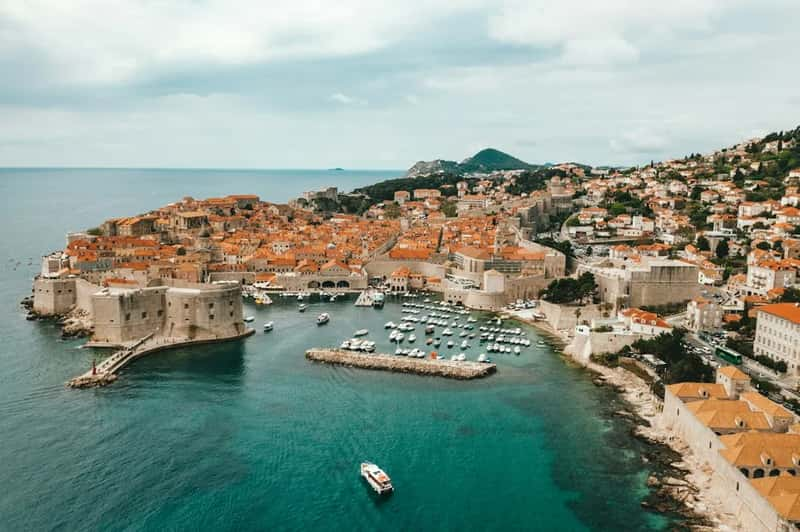
Dubrovnik’s walled Old Town is one of the Adriatic’s great sights, and it has long struggled with cruise day crowds. City officials have pursued limits on visitor flows in recent years. The practical lesson for travelers is simple. Visit early in the morning or in the evening, and consider spending time elsewhere on the coast.
Vis is a good option. The island was a military base closed to foreign visitors until 1989, which helped preserve its quiet, unspoiled feel. Today you can wander the fishing town of Komiža, swim at the hidden cove of Stiniva, and take a boat to the Blue Cave on the nearby islet of Biševo. Ferry schedules are seasonal, so book transport ahead in summer.
Spain: Try Galicia and Extremadura Beyond Barcelona
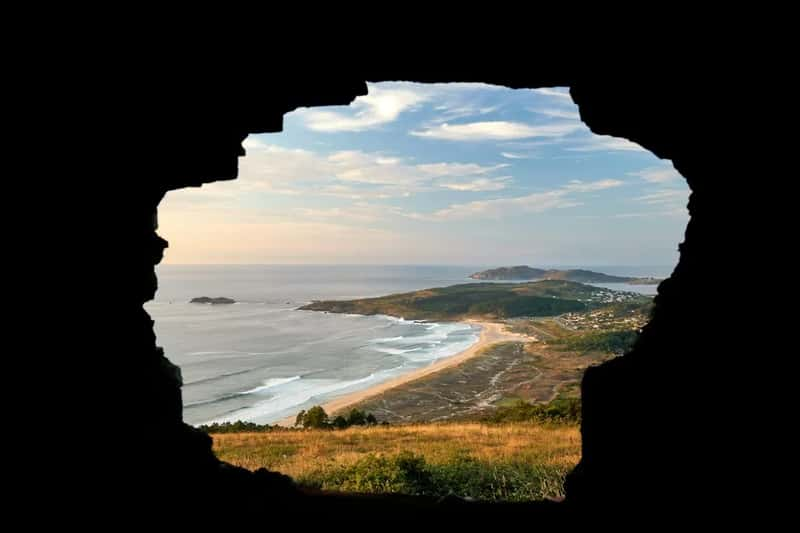
Spain is one of the world’s most visited countries, with roughly 94 million international tourists in 2024. Barcelona is one of the cities that has introduced anti-tourism measures to control crowds[1]. That pressure is why many travelers are looking at the country’s less obvious regions.
Galicia, in the northwest, offers misty coastlines, seafood towns and the Ribeira Sacra, where vineyards cling to river canyons. Extremadura, in the west, is home to the medieval walled city of Cáceres and the Roman theater at Mérida, both UNESCO World Heritage sites. It’s also known for birdwatching in Monfragüe National Park. Both regions reward travelers who rent a car and stay a few nights rather than hopping between big cities.
Conclusion: Go Slower, Stay Longer, Look Next Door
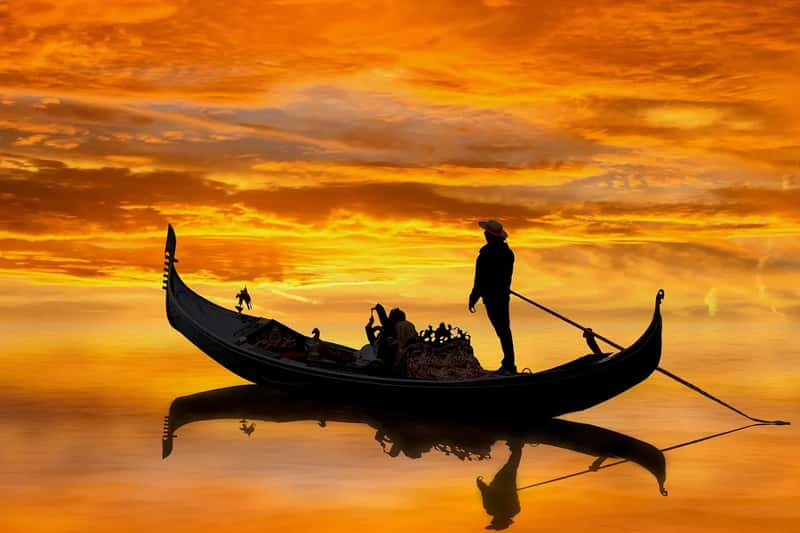
The pattern across all eight places is the same. Crowds concentrate on a few famous spots, and a short trip beyond them often gives you more space. Staying overnight rather than day-tripping, traveling in the shoulder season, and choosing a neighboring region all help. They’re also the habits officials in places like Venice and Santorini are trying to encourage.
None of these swaps needs to replace the icons entirely. Pair a famous stop with a lesser known one and the trip often improves. The best memories tend to come from the places that weren’t on the postcard.