Rental counters have a way of adding up. There’s the daily rate, the insurance, the fuel, the parking, and the stress of reading road signs in a language you don’t speak. In some countries you can skip all of that and still reach almost everywhere you’d want to go.
The ten countries below are good examples. Each one stands out for something specific, such as punctuality, a single pass that covers everything, or a rail network that makes driving feel optional. Prices and policies change often, so the figures here reflect what was published for 2026.
Switzerland: One Pass for Trains, Buses, Boats and Trams
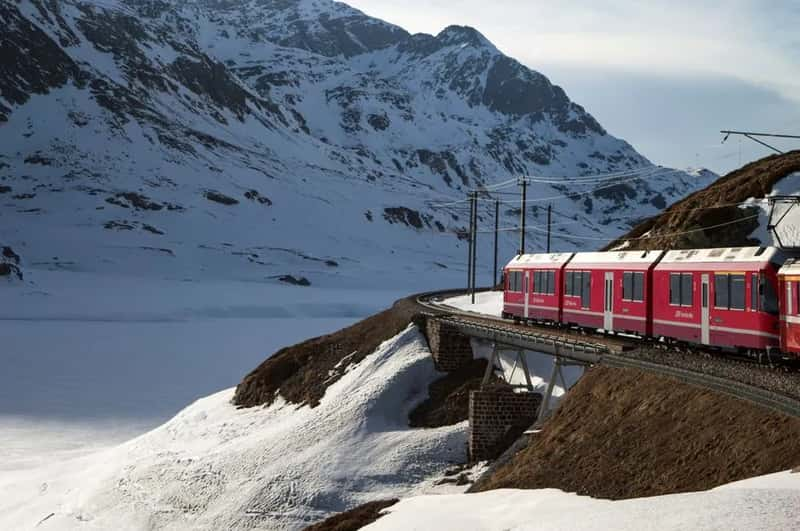
Swiss transit works as one connected system. A GA Travelcard gives unlimited travel across Switzerland by rail, S-Bahn, Postbus, boat and urban transport.[1] That means a lake steamer or a mountain postbus sits in the same ticket as the intercity train.
Residents pay CHF 3,995 for an adult second class annual GA until 12 December 2026, rising to CHF 4,095 after that date.[1] Visitors have their own option, and the Swiss Travel Pass costs CHF 254 for three days in second class.[2] That pass is reserved for people who live outside Switzerland.[3]
Japan: Punctuality You Can Plan Around
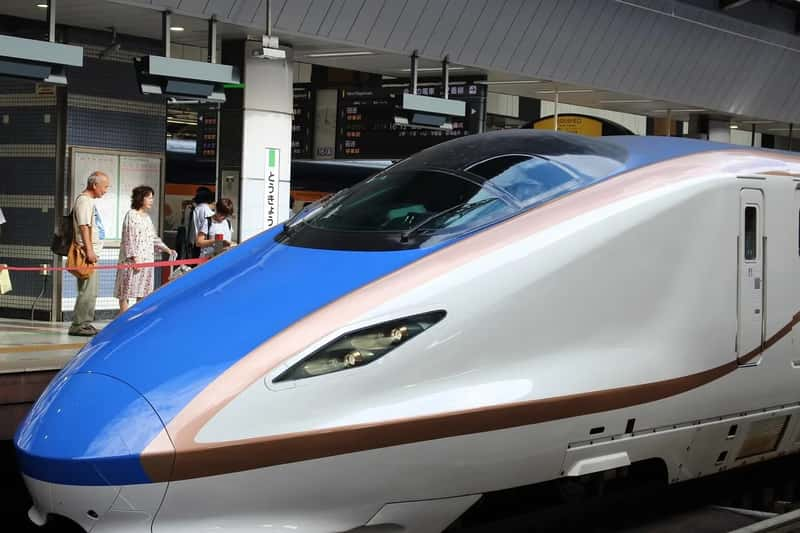
Japan’s reputation for on time trains holds up in the numbers. JR Central reported an average delay of 1.4 minutes per Tokaido Shinkansen train in fiscal 2024, including delays from natural disasters.[4] That figure covers one line, not every train in the country.
The frequency is just as impressive. Some 372 Shinkansen services run each day on that line, carrying 432,000 passengers in total.[5] The trip between Tokyo and Osaka takes two hours and twenty one minutes.[5] When delays do happen, operators hand out certificates for them, a small reminder that lateness is measured and acknowledged.
Germany: A National Ticket for Local and Regional Travel
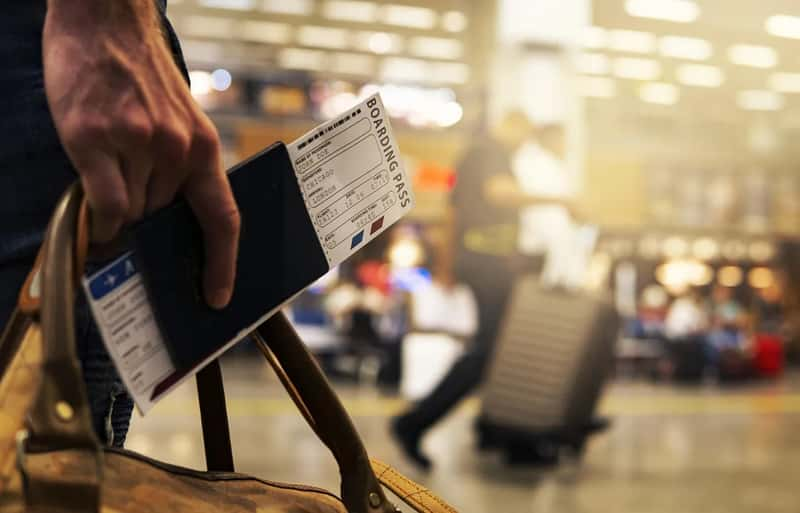
Germany’s big idea is simple. The Deutschland-Ticket gives unlimited travel across the country for €63 a month on regional and local trains, buses, trams and underground trains.[6] For a traveler hopping between a few cities on regional services, it can replace a rental car completely.
There are catches. It isn’t valid on long distance ICE, IC or EC trains.[6] It’s sold only as a subscription, which you can cancel before the 10th of the month.[6] The price has crept up too, from €49 at launch to €58 in 2025, then €63 in January 2026, and €66.80 by January 2027.[7]
The Netherlands: Compact, Connected and Bike Friendly
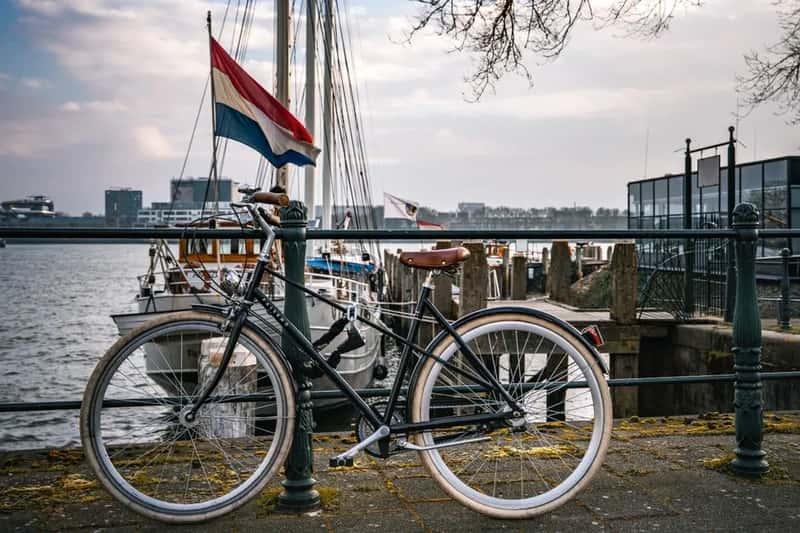
The Netherlands is small and dense, which suits trains well. Frequent intercity services link the major cities, and local trams, metros and buses pick up from the stations. You rarely need to check a timetable, because another service is usually coming soon.
Payment is straightforward, too. Travelers can use a rechargeable OV chipkaart, and many services now accept contactless bank cards through OVpay. Rental bikes at train stations handle the final stretch to a hotel or a canal side cafe, which is how many locals finish their own trips.
Austria: A Single Ticket for the Whole Country

Austria has taken the national pass idea further than most. The Klimaticket Österreich launched in 2021 as an annual ticket for public transport across the country. Holders can ride regional buses and trams in the cities and trains between them, all on a single pass.
It’s aimed mainly at residents, so short visits don’t benefit as much. The price has risen in recent years, so check the current figure before you plan around it. Vienna’s dense network of U Bahn lines, trams and buses also makes the capital easy to explore without a car.
Spain: A High Speed Network That Rivals the Roads
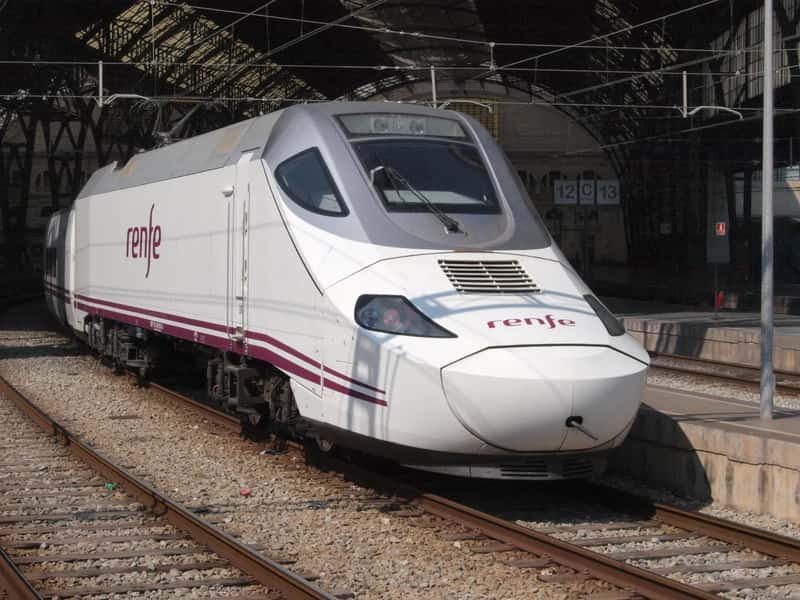
Spain has built one of the world’s largest high speed rail networks, well over three thousand kilometres of track. Madrid sits at the center, with fast AVE services reaching Barcelona, Seville, Valencia, Málaga and other major cities. For many of these routes, the train is faster than driving and easier than flying once you count airport time.
City transit holds up as well. Madrid’s metro is among the largest in Europe, and Barcelona’s mix of metro, buses and regional trains reaches most visitor areas. Rural Spain is a different story, so a car can still make sense for villages and coastal back roads.
South Korea: Fast Trains and a Card That Covers the City
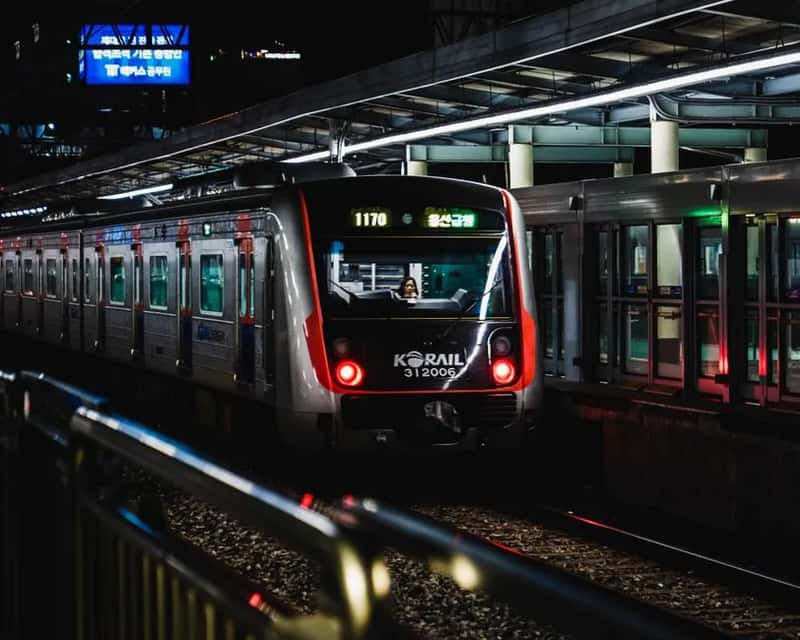
Seoul’s subway and bus system is one of the most thorough in Asia. A rechargeable transit card works across subway lines, buses and many taxis, and transfers between buses and trains are discounted. Signs and announcements come in English, which takes some of the stress out of the first day.
Beyond Seoul, the KTX high speed rail line connects the capital to Busan in a little over two hours. The city also introduced a Climate Card for unlimited rides on public transport, though its price and terms can change. For most visitors, a car in Seoul would mean traffic and expensive parking with little benefit.
Singapore: Strong Transit, Costly Cars
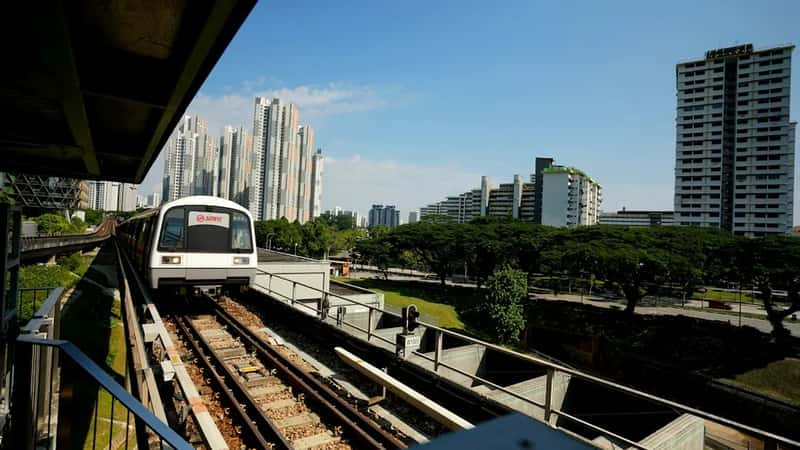
Singapore is a city state, so one transit system serves the whole country. The MRT reaches most neighborhoods, and buses cover the gaps. One 2026 ranking placed Singapore first for public transport, with a score of 9.7.[8] That ranking comes from a smaller website, so treat it as a rough guide rather than an official verdict.
Policy also pushes people toward transit. Owning a car in Singapore is expensive because buyers must first win a costly entitlement certificate. Visitors can generally tap in with a contactless bank card, so you don’t need a special pass for a short stay.
Luxembourg: Public Transport Without a Fare

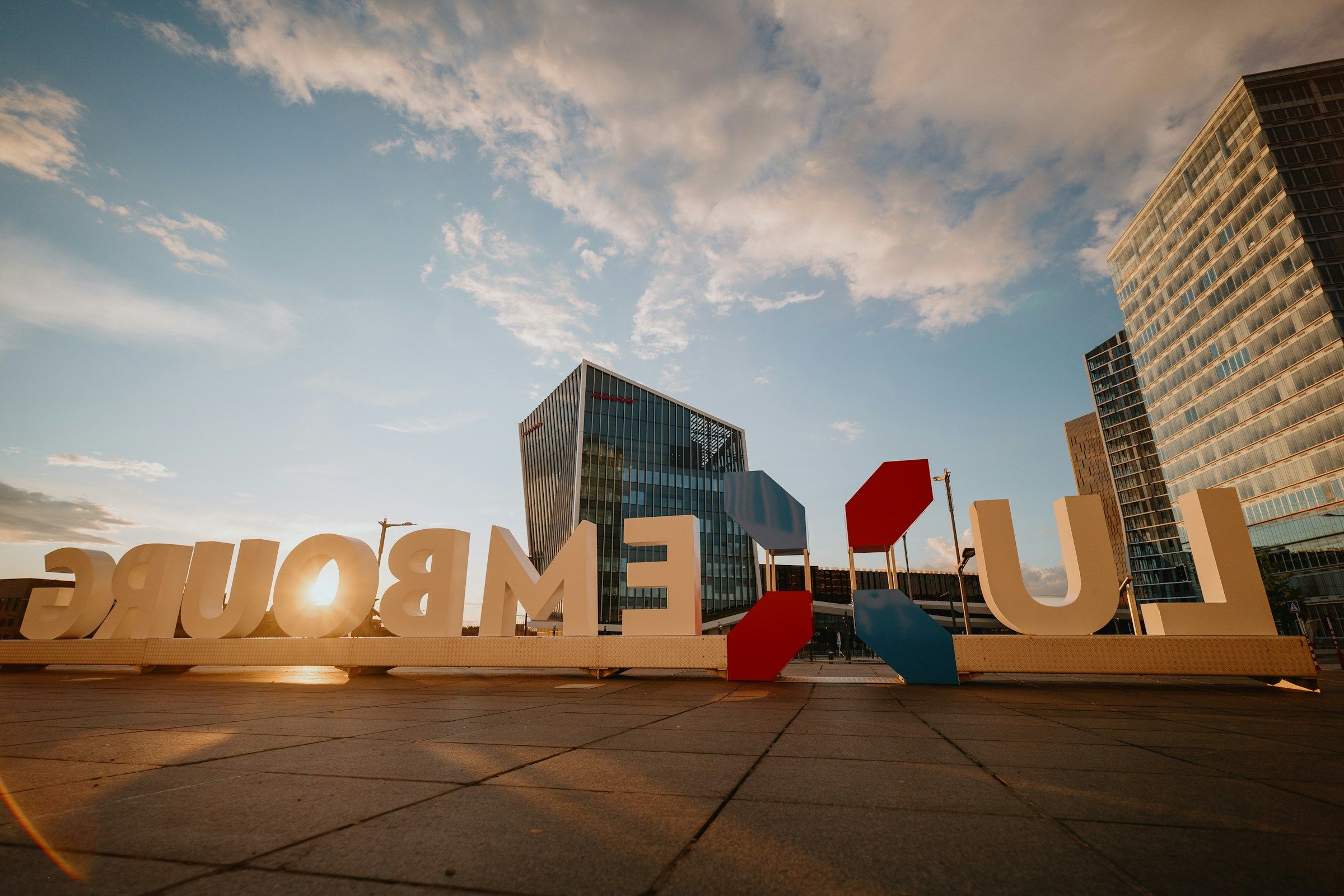
Luxembourg stands out for one policy. The country introduced free public transportation nationwide, letting passengers ride buses, trains and trams without paying fares.[9] The change took effect in March 2020, and it applies to travelers as well as residents.
There’s a small exception, since first class on trains still costs money. The country is tiny, so you can cross it by train and bus in a few hours. Many people also commute in from neighboring France, Belgium and Germany, which keeps the cross border connections busy.
China: The World’s Biggest High Speed Rail Network
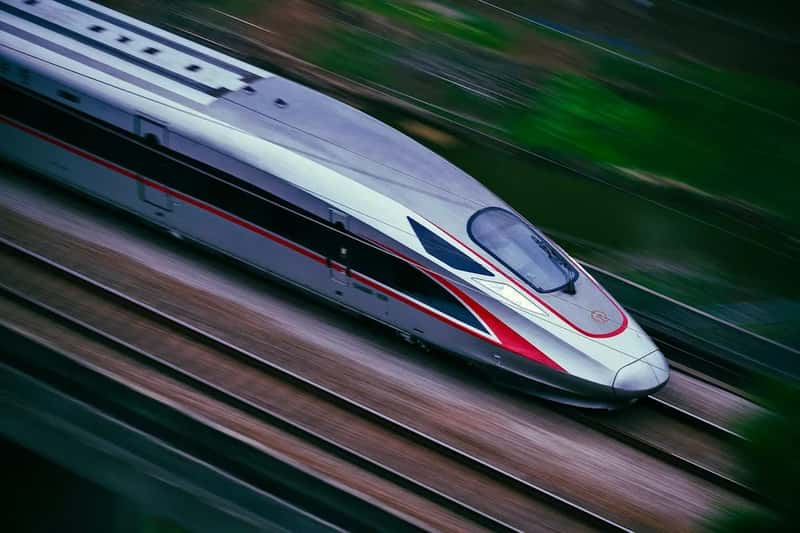
China has built the largest high speed rail network in the world, well beyond forty thousand kilometres of track. Trains link Beijing, Shanghai, Guangzhou, Chengdu and many smaller cities, often with departures every few minutes on the busiest routes. Stations feel more like airports, with security checks and assigned seats.
City transit is equally extensive. Shanghai and Beijing both run some of the longest metro systems in the world. Foreign visitors should plan ahead, since booking tickets usually requires a passport and an app, and some payment systems take time to set up.
Final Thoughts

Each of these countries makes car free travel practical in a different way. Switzerland and Austria offer all in one passes, Japan and China lean on fast trains, and Luxembourg has made rides free. Check current fares and ticket rules before you book, since several of them change each year.