Board an Amtrak sleeper car thinking you’ve packed like a pro, and there’s a good chance you’ll be proven wrong before the first meal is served. There’s no bellhop waiting on the platform, no 24-hour front desk, and definitely no gift shop stocked with backup shampoo when you realize you left yours on the bathroom counter at home.
Sleeping car attendants watch the same scramble play out on almost every overnight run – passengers hunting for a free outlet, tiptoeing barefoot down the hall to a shared shower, or wishing they’d stashed some cash for a tip. The fixes aren’t complicated, but a few of them will genuinely surprise you. Here’s the full list, straight from the people who work these cars every single night.
23. A Roll of Duct Tape (Yes, Really)
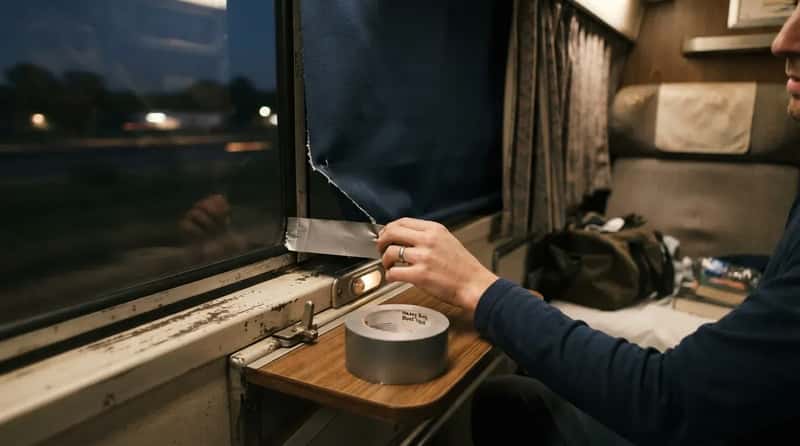
It sounds like an odd thing to pack for a train ride, but frequent sleeper passengers swear by it. One longtime rider says she never travels an Amtrak overnight route without duct tape tucked somewhere in her bag.
From a loose curtain to a rattling window shade, small repairs come up more often than you’d expect in an older railcar. A quick strip of tape solves it in seconds – no need to page an attendant for something they simply can’t stock in a supply closet.
22. A Multi-Outlet Power Strip
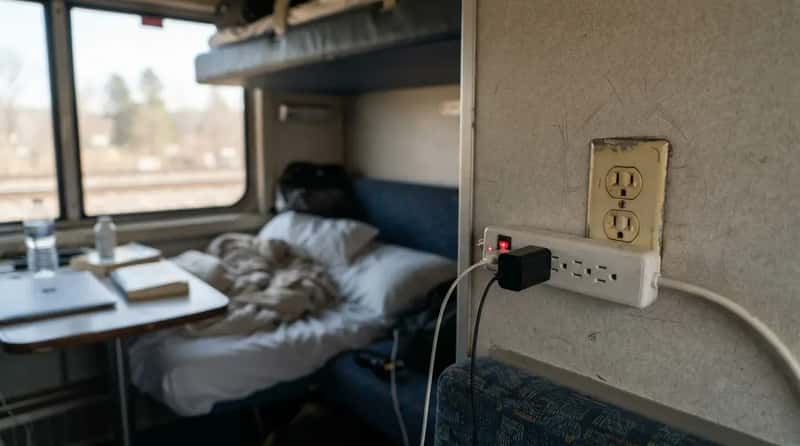
Most roomettes were designed decades before anyone carried a smartphone, and it shows. Superliner Roomettes date back to a time long before travelers packed phones, tablets, and laptops, so each room comes with exactly one standard U.S. three-prong outlet – that’s it.
Attendants recommend a simple multi-outlet extension cord rather than a surge protector, since surge protectors can sometimes trip the onboard circuit. Rail regulars rank a power strip near the top of their must-pack list for good reason – skip it, and you’ll be unplugging your phone charger just to run a laptop for an hour.
Fast Facts
- Each Superliner Roomette comes with just one standard three-prong outlet
- Bedrooms and larger suites still rely on that same single-outlet setup
- A basic power strip works; surge protectors can trip the train’s circuit
- A charged portable battery pack covers you when the outlet’s already busy
21. A Soft-Sided Duffel Bag, Never a Hard-Shell Suitcase
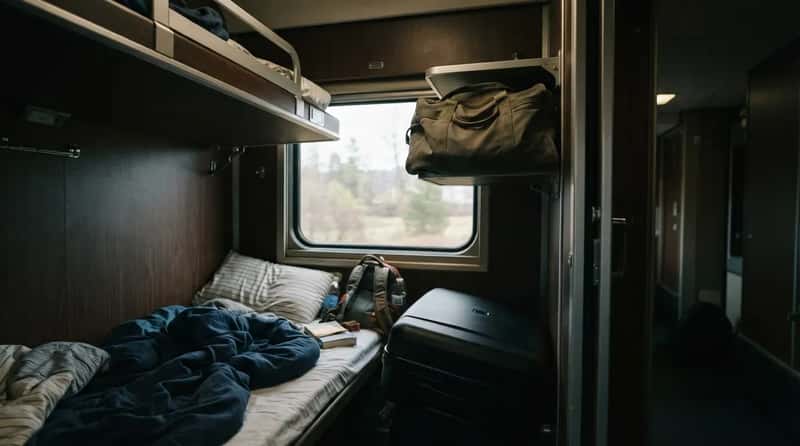
One traveler learned this the hard way after bringing a standard hard-shell carry-on that wouldn’t fit overhead, then spent three days tripping over it in a room barely big enough to turn around in. Roomettes simply aren’t built for rigid luggage.
The fix is simple: pack a soft duffel that squishes into the overhead rack instead. As one seasoned rider put it, a soft duffel bag is non-negotiable – save the hard-shell suitcase for the airport, not the rails.
20. Your Own Soft Drinks
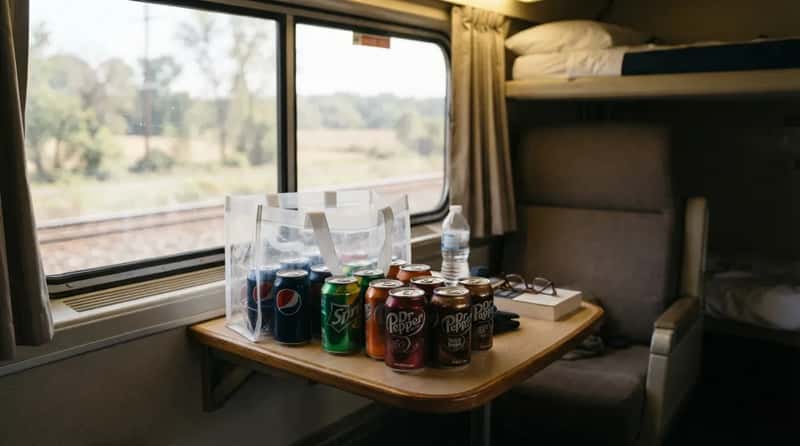
Here’s a detail almost nobody expects before their first trip: you’re allowed to bring your own soft drinks, but Amtrak only carries Coke products in the café car. If you’re loyal to Pepsi, Dr Pepper, or a specific root beer, the onboard menu won’t help you.
If you want a different brand, pack it yourself before boarding. It’s a small detail, but for brand-loyal travelers it’s the difference between a satisfying trip and three quiet days of low-grade disappointment.
19. A Small Bottle of Your Own Alcohol
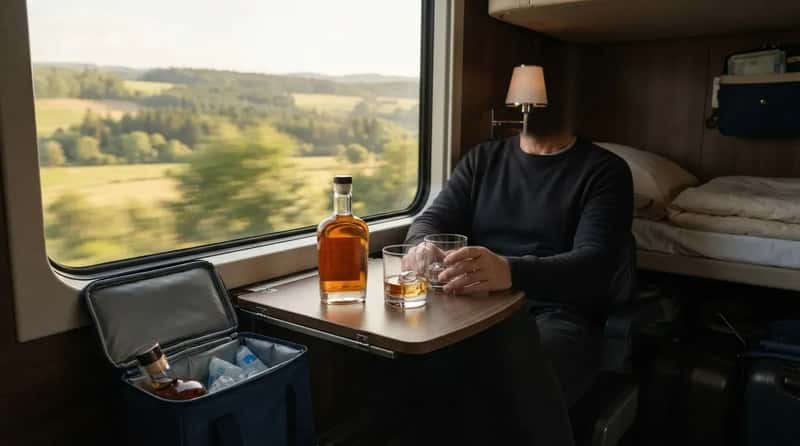
Sleeper passengers get a perk coach riders don’t. You’re allowed to bring your own alcohol into a private sleeper – a bedroom or roomette – which makes a quiet cocktail hour before dinner entirely possible.
Just remember the fine print: you’re only allowed to enjoy it as long as you don’t carry it out of your private room into shared spaces. Pair a small bottle with a collapsible cooler and you’ve basically built your own happy hour rolling through the countryside.
18. Rubber Flip-Flops and a Ziplock Bag
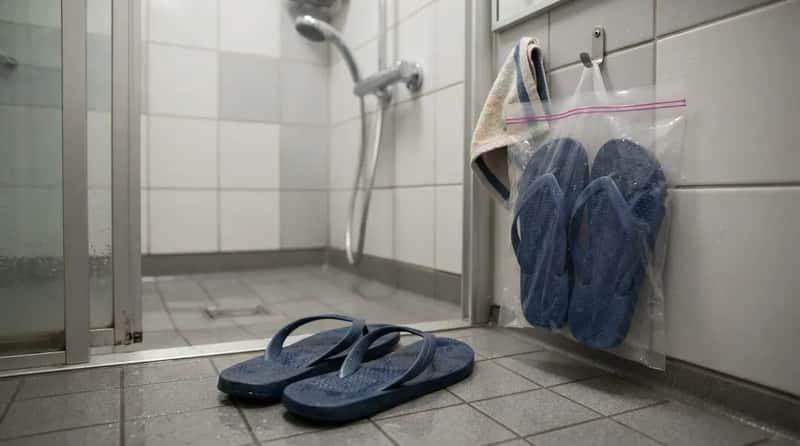
The shared shower room is clean, but it’s still a shared shower room. Attendants consistently recommend packing a pair of rubber flip-flops to wear inside – no exceptions, no matter how confident you feel about the cleaning crew.
The move most first-timers miss? Bring a ziplock bag to stash the wet flip-flops afterward if there’s no time for them to dry. Nobody wants soggy shower shoes rattling around loose in an overnight bag.
17. Cozy Slip-On Shoes for Inside the Room
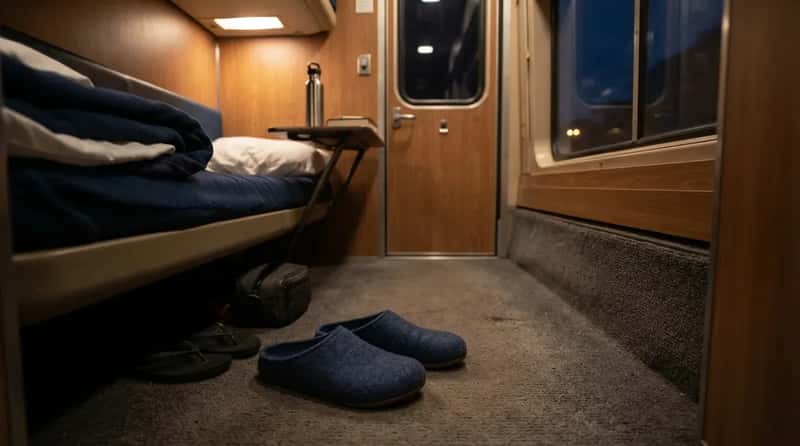
Attendants notice which passengers travel like pros almost immediately – they’re the ones wearing easy slip-ons. One rider’s go-to advice is simple: pack flip-flops for the shower, and stick to comfortable slip-on shoes for everywhere else in the room.
The reasoning is practical, not fussy. Slip-ons are easy to put on in the dark for a half-asleep walk to the bathroom, whether you’re in coach or a sleeper, and fumbling with laces at 2 a.m. while the train sways is nobody’s idea of relaxing.
16. Backup Socks or Hotel Slippers
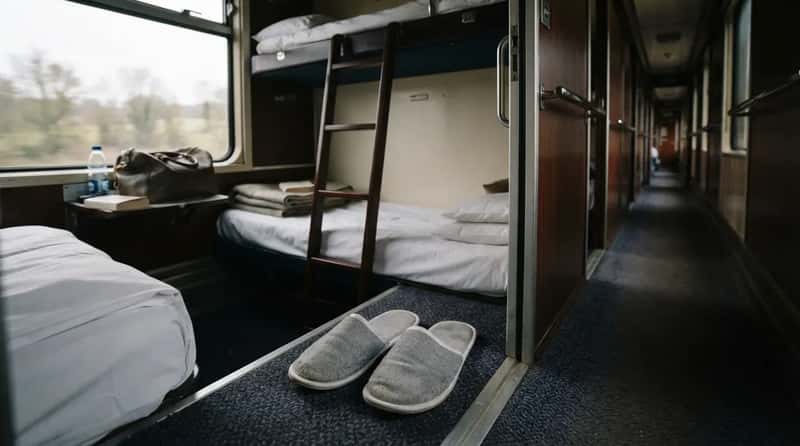
Most people assume one pair of shower shoes covers everything. Experienced attendants know better. If your flip-flops are still wet from the shower, a spare pair of old socks or hotel slippers keeps you off the cold floor – and nobody wants to pad around barefoot on a moving train.
It’s a small detail most first-timers overlook entirely. But once you’ve walked a swaying hallway in damp sandals, you understand why the pros never skip this one.
15. Trail Mix or Personal Snacks
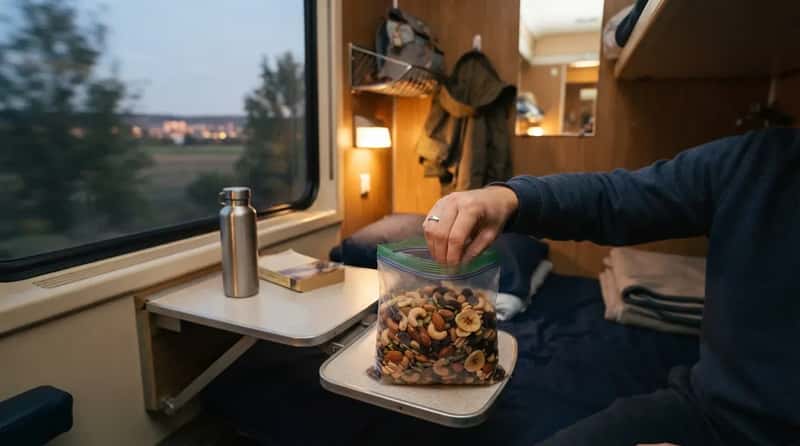
Meals come included with a sleeper ticket, but that doesn’t mean they’ll satisfy everyone. Attendants regularly see passengers bring their own snacks to bridge the gap between meals, or as backup when the day’s menu just doesn’t appeal.
One rail veteran swears by trail mix – enough calories and salt to get through unexpected delays or a missed connection window. It’s a small bag that’s saved more than a few late-night hunger emergencies.
14. A Refillable Water Bottle
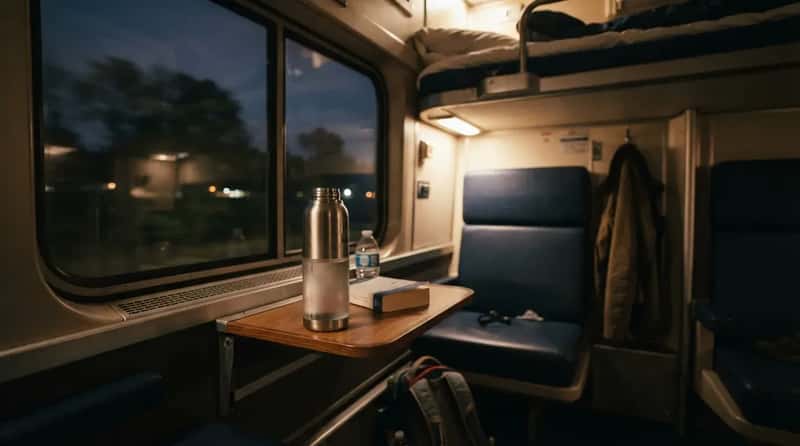
Hydration matters more on a train than most people realize, especially overnight when the dry cabin air really starts to show. Seasoned riders call a refillable water bottle an easy essential, and select trains even have onboard fountains to refill it for free.
Bottled water is complimentary for sleeping car passengers, but it’s still smart to keep extra water on hand in case an attendant isn’t immediately available. It’s a one-dollar item that solves a very real 2 a.m. problem.
Worth Knowing
- Bottled water is already complimentary for sleeper passengers
- Some trains have onboard fountains for free refills
- Dry cabin air makes dehydration sneak up faster overnight
- A personal bottle covers you when the attendant is mid-round elsewhere
13. Your Own Pillow and an Extra Blanket
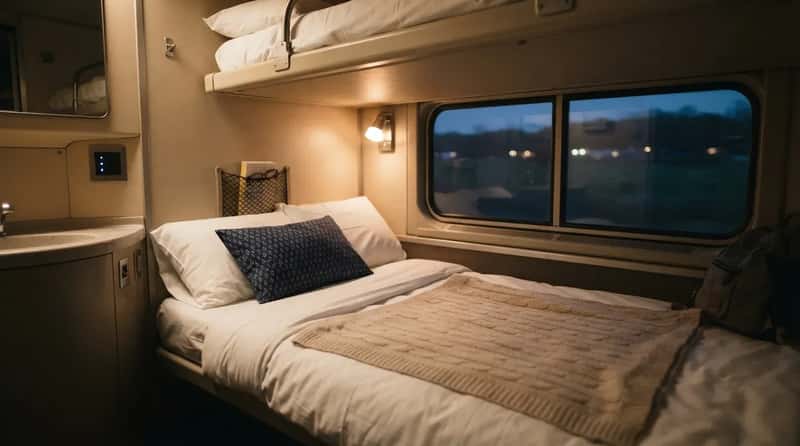
Amtrak provides bedding, but comfort is personal, and everyone’s version of “cozy” is different. Many travelers still bring their own pillow and an extra blanket for warmth, even though the room already comes made up.
Don’t be shy about asking, either – you can request an additional blanket from your attendant when they turn down your bed for the night. It’s a perk most first-timers never think to use.
12. An Eye Mask and Earplugs
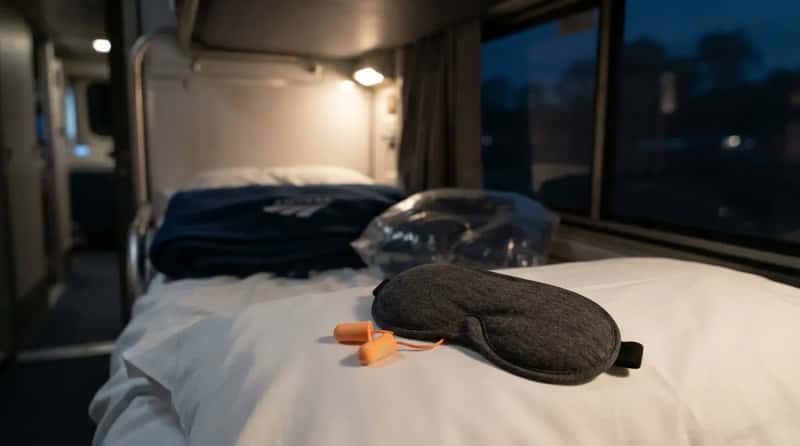
Trains are loud in ways hotels simply aren’t – couplers clanking, doors sliding open, announcements crackling at odd hours. Earplugs and an eye mask block out that noise and light for a genuinely restful night, especially when a quiet car isn’t an option.
Don’t want to shop ahead? Amtrak Comfort Kits bundle a polyester blanket, inflatable neck pillow, eye mask, and earplugs into one pouch sold right on the train. Light sleepers consider this the single most important item on the entire list.
11. Travel-Size Shampoo
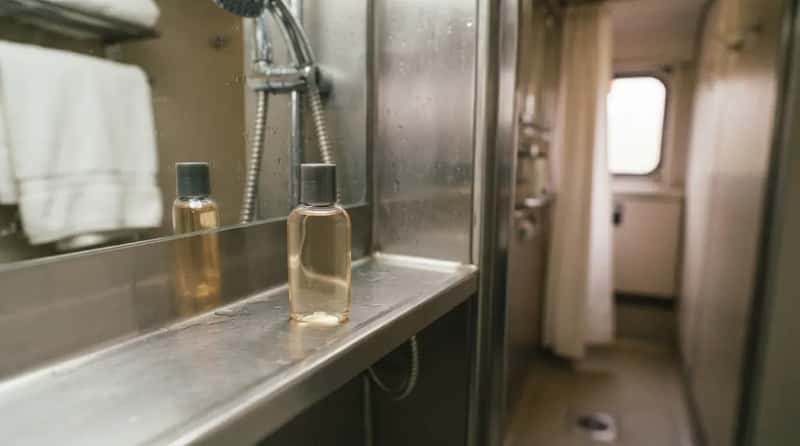
This is the one nearly everyone forgets, and attendants notice every single time. Fresh soap and towels are provided, but shampoo is not – Amtrak simply doesn’t stock it in the sleeper cars.
Skip this one and you’re stuck washing your hair with bar soap, which every frequent rider agrees is a mistake you only make once. It’s a two-ounce bottle that saves an entire shower experience.
10. Disinfecting Wipes
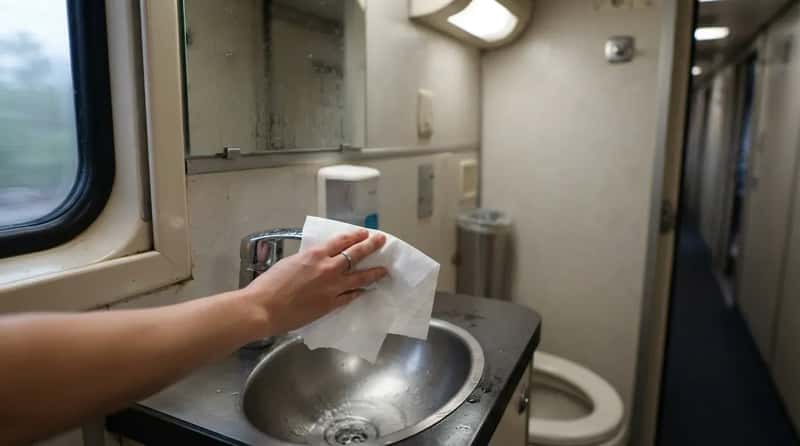
Communal bathrooms on a moving train see more traffic than you’d think over a two- or three-day trip. Veteran riders recommend packing extra Clorox or Lysol wipes for the shared bathrooms before you ever board.
Some go further, wiping down tray tables, door handles, toilet seats, and faucet handles as a matter of routine – often burning through two full packs per sleeper trip. It sounds excessive until you remember how many strangers touch the exact same surfaces every day.
9. A Collapsible Cooler
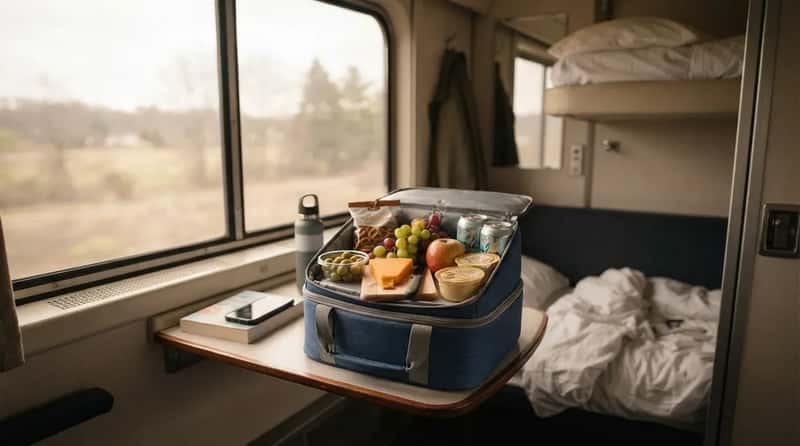
Room service doesn’t exist on a train, but a cooler basically replaces it. Frequent sleeper passengers bring their own, since Amtrak can’t heat or store personal food and drinks for you.
The upside is real: a small collapsible fabric cooler loaded with olives, cheese, and snacks folds flat in your suitcase once it’s empty for the ride home. It’s the difference between a satisfying snack stash and an empty stomach at midnight.
Quick Compare
- Café car: coffee, snacks, and Coke products, but limited hours on long routes
- Personal cooler: any food or drink you choose, available around the clock
- Café car: possible line during peak meal rushes
- Personal cooler: zero waiting, zero menu restrictions
8. Slim Freezer Ice Packs
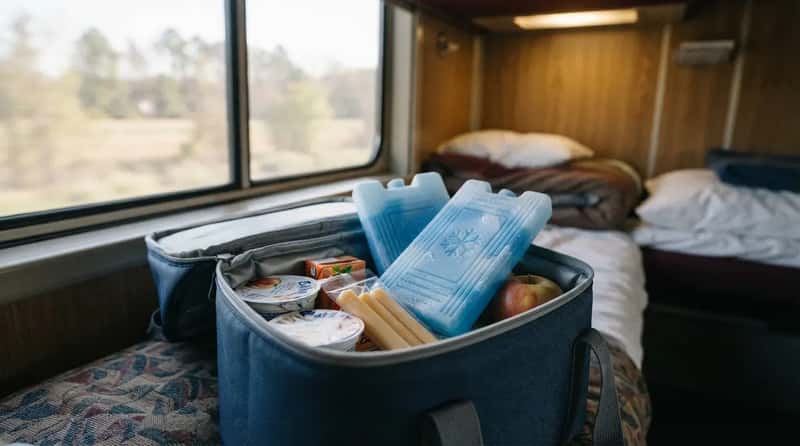
A cooler is only as useful as it is cold, and attendants have a built-in workaround. Your room attendant can get ice for you to replenish as needed throughout the trip, no extra charge.
Even so, most seasoned riders still pack their own backup – a couple of ultra-slim freezer ice packs from home, just in case ice runs low. It’s a small plan that keeps your snacks edible for the whole journey.
7. A Small “Day Bag” Separate From Your Main Luggage
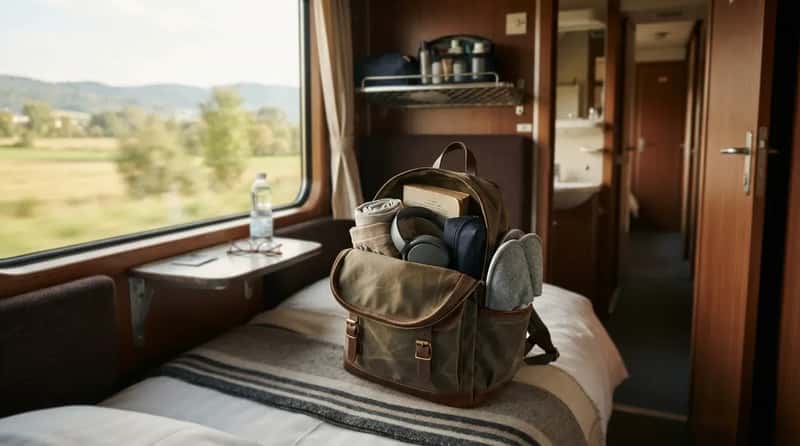
This is the trick that separates relaxed passengers from frazzled ones. Rail regulars pack a small backpack to shuttle between the room and the rest of the train, holding valuables, toiletries, a change of clothes, reading material, headphones, and slippers.
Why bother? Because sleeping car rooms are genuinely tiny, and dragging a full-size bag out to dig through it in the vestibule gets old fast. Nobody wants to unpack an entire suitcase in a hallway at midnight.
6. Downloaded Entertainment Before You Board
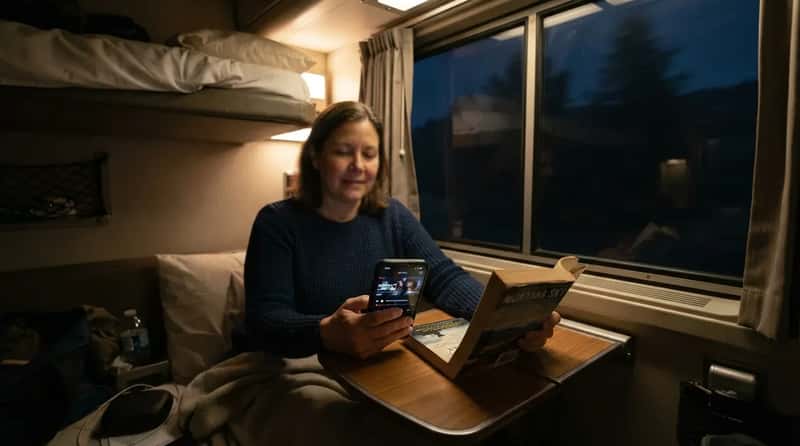
Most passengers assume they’ll have WiFi the whole ride. They won’t. Internet on a moving Amtrak train is unreliable at best, and outside of a few East Coast corridors, most long-haul trains don’t offer WiFi at all.
Smart riders come prepared with books, downloaded movies, or podcasts already saved to their phone before departure. It’s a five-minute step at home that prevents hours of staring blankly out a dark window somewhere in rural Montana.
5. A Portable Charger and Extra Cables
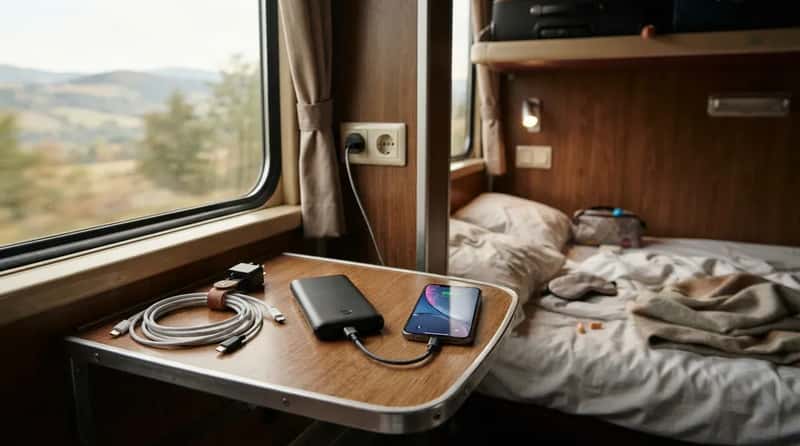
With just one outlet per room, devices end up competing for power fast. Essentials for any sleeper trip include toiletries, medications, an eye mask, earplugs, and charging cables for every electronic device you’re bringing.
A portable charger is worth its weight in gold here – it buys you flexibility when the single outlet is already busy running something else. It’s a small add that prevents a dead phone right before your stop.
4. Comfortable, Stretchy Loungewear
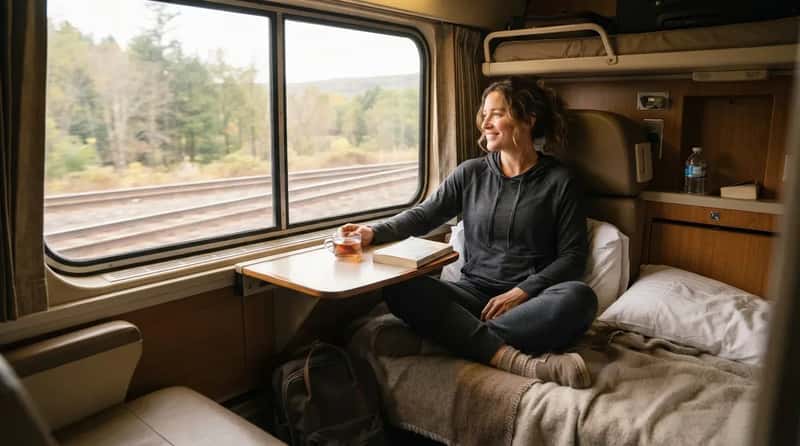
You’ll be sitting far more than you expect on a long-haul route. Amtrak’s own packing guidance suggests bringing at least one comfortable, stretchy pair of pants, since you’ll spend most of the day seated – useful in the observation car too.
Think joggers or soft travel pants that double as sleepwear. Comfort-first loungewear pulls double duty as both daytime attire and nighttime pajamas, which matters when your luggage is limited to one small bag.
3. One Casual Outfit for the Dining Car

Sleeper fare includes meals in the dining car, and there’s an unspoken dress expectation worth knowing before you sit down. The dress code is casual – no formalwear required, but sweatpants and slippers might still draw a look from the table across the aisle.
Pack one slightly nicer top or shirt that isn’t your travel pajamas. It’s a small gesture that turns dinner into something closer to an occasion instead of just another meal squeezed between naps.
2. Shoes You Don’t Mind Wearing All Day
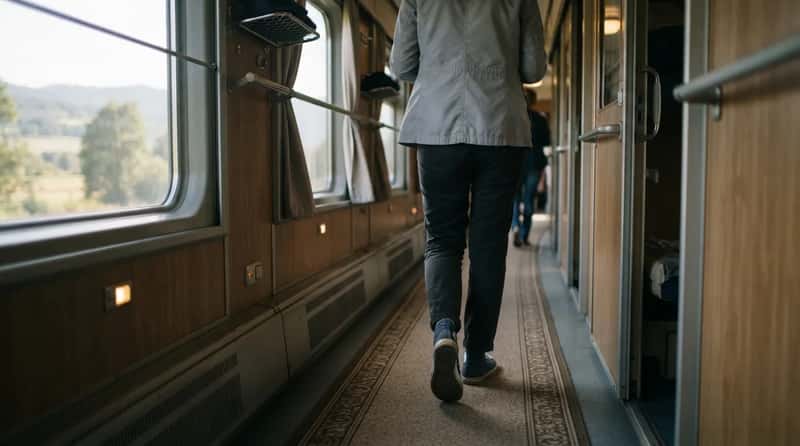
This rule surprises people every time: shoes aren’t optional on a moving train. They’re required whenever you’re walking between cars, no matter how comfortable your slippers feel back in the room.
Pack flat, flexible footwear like sneakers that you’re fine wearing for hours at a stretch, since passengers are required to wear shoes at all times while moving around the train. But that’s nothing compared to what attendants actually hope you remember most.
1. Cash for Tipping Your Attendant

Here’s the one thing attendants themselves quietly hope every sleeper passenger remembers. Sleeper travel comes with real hands-on service – a hot shower, bottled water, soft drinks, ice, and coffee, all managed personally by your sleeping car attendant for the entire trip.
The going rate experienced riders recommend is simple: about $10 per night, per attendant. It sounds small, but it’s the one item on this list that directly shapes how the whole trip feels – extra blankets that show up without asking, faster ice refills, and a genuinely warmer experience from the person who runs your car.
At a Glance
- Suggested tip: roughly $10 per passenger, per night
- Cash is the easiest option – attendants rarely carry card readers
- Tips are handed over directly, not added to any bill
- Generous tippers often notice quicker ice runs and extra blankets
Pack light, pack smart, and pack for the person who actually runs your car – because these 23 items keep coming up for a reason. None of them are expensive, none of them take up much room, and every single one solves a problem attendants watch new passengers stumble into on almost every trip.
The difference between a rough night rattling toward the coast and a genuinely restful one usually comes down to a handful of small choices made before you ever step onto the platform. Which one of these have you learned the hard way? Your fellow overnight travelers will thank you for the warning.