Traveling solo opens doors to incredible experiences, spontaneous adventures, and connections with cultures across the globe. Yet there’s a darker side to wandering alone through unfamiliar territory. In certain destinations, that beaming smile and enthusiastic greeting from a helpful stranger might be the opening move in a well-rehearsed scam. While genuine hospitality exists everywhere, some countries have developed reputations for exploiting tourists through friendly approaches that ultimately empty wallets and ruin vacations.
Over 20% of international travelers have reported being scammed at least once. Even more concerning, tourist-targeted crimes spike by over 35% during peak travel seasons. Understanding which destinations present the highest risk and recognizing the warning signs can mean the difference between cherished memories and costly mistakes. Based on recent data from 2024 through early 2026, here are six countries where solo travelers should exercise extreme caution when approached by overly friendly locals.
Egypt: The Overwhelming Pressure Cooker
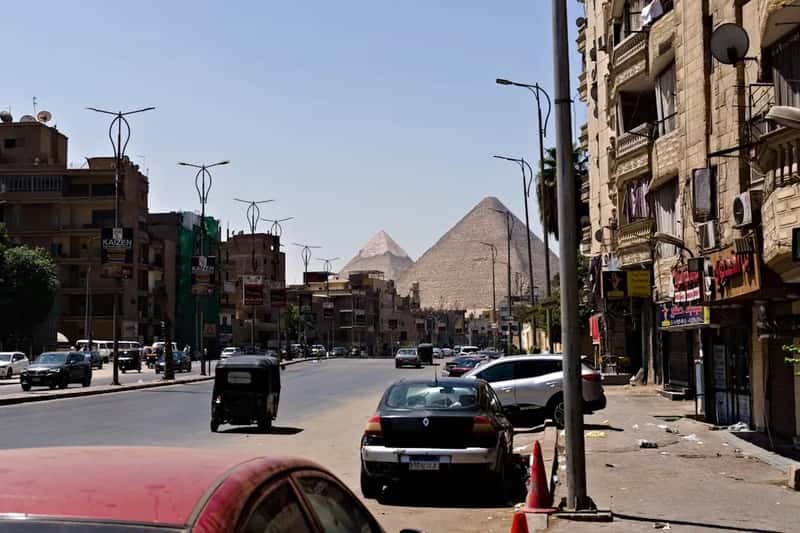
Throughout 2025, consensus has been unanimous: Egypt is the undisputed number one destination on the planet for scamming tourists. Egypt is a bucket-list destination that breaks people. For many, the dream of seeing the Pyramids is shattered by the reality of the experience. The moment you step outside Cairo International Airport, the relentless hustle begins. Locals approach with offers to help carry luggage, guide you through customs, or arrange transportation, but these seemingly kind gestures come with aggressive demands for payment afterward.
One of the most common Egypt scams involves people approaching you with a beaming smile and offering to help you when they find you looking a bit lost. It’s all well and fine until they start asking you a tip for helping them out or buying something from a shop where they sell overpriced items. The famous Pyramids of Giza present their own challenges. The most notorious Egypt Pyramid scams involve camel or horse rides. A handler might offer a short ride for “just one dollar,” making it sound harmless. Once the ride begins, however, the price changes dramatically. The rider is often told they must pay for each step or each photo taken along the way, resulting in an unreasonably high final bill.
Thailand: The Land of Smiles Hiding Hustles
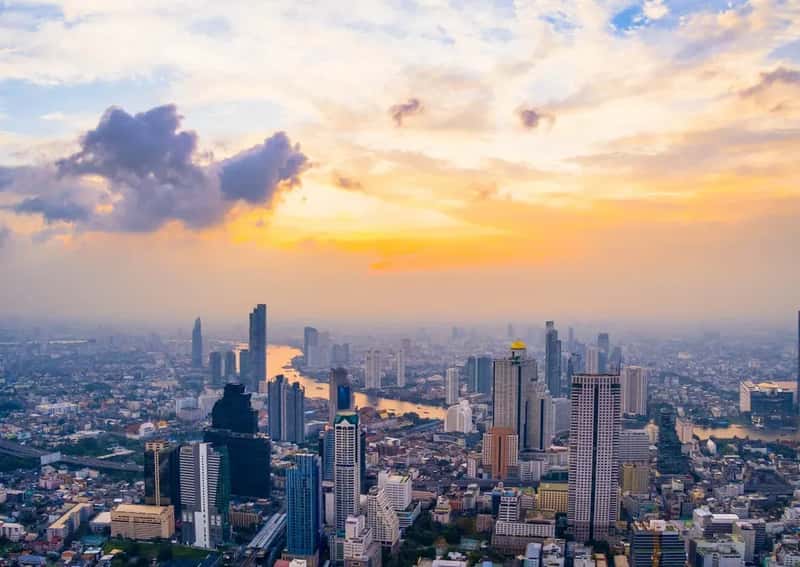
Thailand is the “Land of Smiles,” but in Phuket and Bangkok, the smile often hides a hustle. The scams here are opportunistic and target travelers when they are trying to have fun. The famous “Grand Palace is Closed” scam remains one of the most widespread tricks in Bangkok. An enterprising tuk-tuk driver approaches tourists near the Grand Palace and tells them the palace was closed for lunch. A friendly man near a temple says it was “closed for a local holiday.” He offered to show another place instead. Luckily, some had read about this scam – the temple was open, and he was trying to take them to a jewelry shop that gives commissions to scammers.
The “Jet Ski Mafia” scam targets beachgoers. You rent a jet ski for an hour. When you return, the operator points to a pre-existing scratch on the hull and demands $1,000 for damages. “Police” (who are often in on the scam) will threaten to arrest you if you don’t pay. Southeast Asia has become a major hub for organized scam operations. In 2024, Americans lost at least $10 billion to Southeast Asia-based scams, according to the U.S. Treasury Department. Thailand’s popularity as a tourist destination unfortunately makes it a prime target for such operations.
Turkey: Social Engineering at Its Finest

Turkish hospitality is legendary, but in tourist hotspots like Sultanahmet and Taksim, that reputation is weaponized. The scams here are social engineering at its finest. The “Let’s Have a Drink” scam remains particularly effective against solo male travelers. A friendly local (often well-dressed and speaking perfect English) approaches a solo male traveler. They strike up a conversation and suggest heading to a specific bar for a beer. You go, have a couple of drinks, and the bill arrives for hundreds of euros. If you refuse to pay, large bouncers appear to escort you to an ATM.
Taxi overcharging is rampant. Drivers will switch bills (claiming you gave them a 50 instead of a 500) or simply refuse to use the meter. Istanbul’s position as a major tourist destination makes it particularly vulnerable. Tourists headed to Antalya in Turkey should be particularly wary, as accommodation scam rates there represent 35% of the total. The country’s combination of genuine cultural hospitality and targeted scam operations creates confusion for visitors trying to distinguish authentic interactions from calculated schemes.
Morocco: The Fake Guide Capital

Morocco is full of generous people who genuinely just want to help, however not all people will be as kind-hearted as you would like to believe. Cities such as Marrakech or Fes have extensive souks, where it is very easy to get confused and lost within the labyrinth. Here you will likely encounter locals, or tour guides, who will ask where you are going and insist on giving you directions. Whether or not you agree, they will take you to your destination where you will be expected to pay a ridiculously high amount of money. The fake guide phenomenon has become so notorious that it defines many visitors’ entire Moroccan experience.
Morocco is famous for its leather tanneries. The ones located in Fez and Marrakech are particularly popular among tourists. The problem is that they became a center for a nefarious “fake guide” scheme. When walking in the vicinity of these tanneries, you are approached by overly friendly “guides”. They assure you that if you visit the tanneries by walking through the main entrance, you’ll have to pay a super high price. They then guide you through a different entrance where they assure you that you won’t have to pay for a ticket. The problem is that once you are in the tanneries, they start asking for money, and usually much more than what you would have paid if you had bought the ticket. Another variation involves locals shouting that attractions are closed or roads are blocked, then offering alternative routes that conveniently pass through shops where they receive commissions.
India: The Northern Gauntlet

India registers a whopping 87 scams per 1,000 people, more than double the figures of Mexico and Russia. Beyond the internet, where shady operators sell the usual fraudulent packages, visitors can get ripped off at unofficial ‘tourist offices’, taking higher-priced cabs from the airport, and falling victim to India’s trademark ‘hotel switch’ scam. The sheer volume of scam attempts in northern India particularly stands out. In northern India, if you walk on the street, every few meters there will be a guy approaching you to try taking advantage of you. Not to mention fake tourist agencies, tour guides-shops partnerships, dishonest tuk tuk drivers, and more.
Your taxi or tuk-tuk driver will stop mid-journey and tell you your hotel has closed, the road is closed due to a protest, or your booking is invalid. They will drive you to a fake “Government Tourist Office” where an “official” will try to sell you an entirely new, overpriced itinerary. The sophistication of these operations creates an environment where solo travelers struggle to distinguish legitimate services from elaborate schemes. The constant barrage of approaches wears down even experienced travelers, making India’s northern cities particularly challenging for those journeying alone.
China: The Tea Ceremony Trap

A common tea scam in China involves a beautiful local woman who wants to practice English. Due to the culture shock, many men are more than happy to speak English to a friendly local. She invites you to try a tea ceremony, so you go to a tea house (commonly near the Forbidden City). After a while, the owners bring you the bill, it’s a huge amount of money and the owner threatens to call the police unless you pay up. This scam operates with remarkable consistency around Beijing’s major tourist attractions.
The Forbidden City has had almost 80 mentions of scams on Tripadvisor, making up 0.55% of all reviews on the site. Of the scam-related reviews posted by tourists who have visited the Forbidden City, some common occurrences include people being approached by scam artists inviting them for tea in an attempt to get free drinks and scam taxis that hugely overcharge unsuspecting tourists. The most common version begins when a friendly middle-aged stranger approaches a hapless solo-traveller on the street, in a park or perhaps outside a shopping centre, and strikes up a conversation. Each city where the scam operates has its own hotspots where the scammers lurk. The stranger can be a man or a woman and speaks unusually good English for an Asian person. The elaborate setup, involving conversation about mutual connections and cultural exchange, makes victims feel comfortable before the expensive bill arrives.
Awareness remains your strongest defense against these sophisticated operations. The overwhelming evidence from recent years shows that certain destinations have developed scam cultures so pervasive they fundamentally alter the travel experience. Solo travelers who research common scams, maintain healthy skepticism toward unsolicited help, and book services through verified channels significantly reduce their vulnerability. While these six countries offer incredible cultural experiences and breathtaking sights, the reality of aggressive scam operations cannot be ignored. Preparation, vigilance, and a willingness to firmly decline unwanted assistance allow solo adventurers to navigate these challenging destinations while protecting both their finances and their peace of mind.