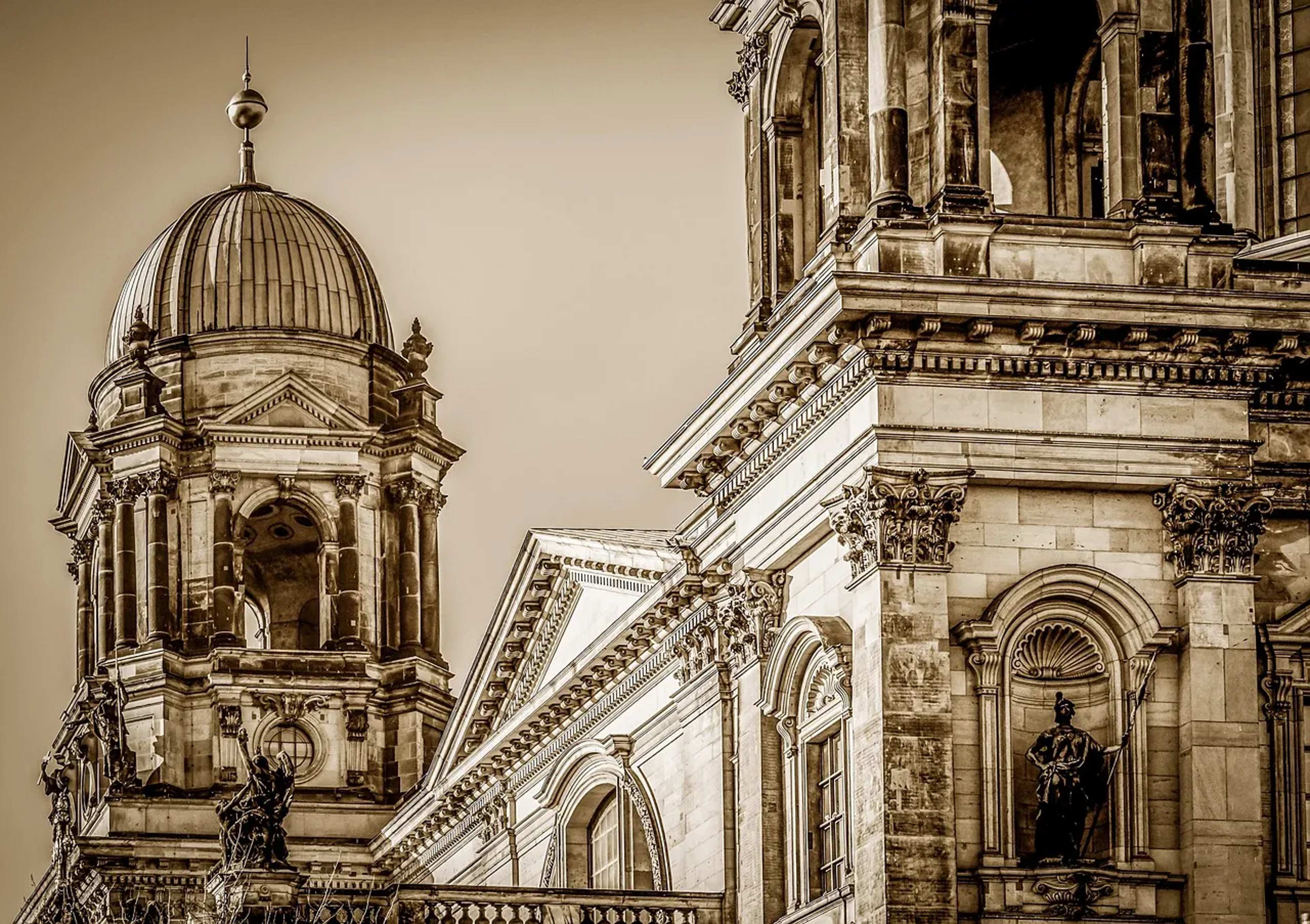
Spain holds some of Europe’s most ancient urban treasures, where weathered stones tell stories spanning millennia. These historic cities breathe with distinct rhythms, each coming alive at different moments throughout the year when festivals burst forth, and traditions unfold. Picture walking through streets where Phoenicians traded silver three thousand years ago, or where Roman emperors once gazed upon amphitheaters that still echo with history.
Cádiz: Europe’s Phoenician Pearl and Carnival Capital
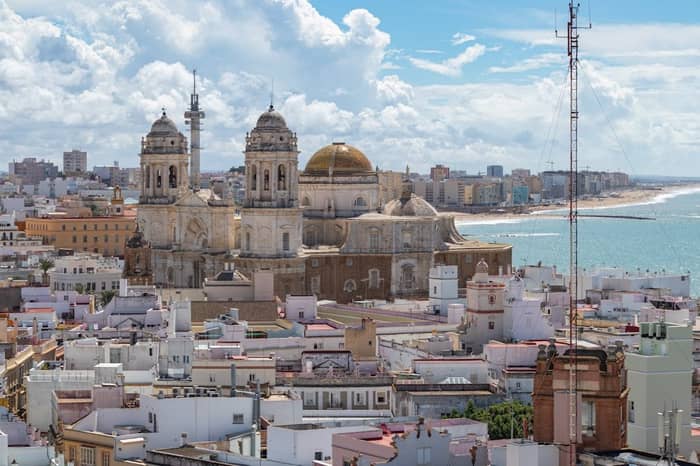
Founded as Gadir or Agadir by Phoenicians from Tyre, Cádiz is often regarded as the most ancient city still standing in Western Europe, with traditional founding dates around 1100 BC, though archaeological evidence supports settlement from the 8th century BC. The Phoenicians arrived here 3,000 years ago from Tyre in Lebanon, founding Gadir, considered the first city in Western Europe. The archaeological site reveals street layouts, houses, and utensils from the 9th century BC. Visitors can explore the remains of a fish production facility with brining pools from Roman times, dating to the mid-second century BC.
In February, Cádiz transforms during Carnival, declared an event of International Tourist Interest, filled with comparsas featuring songs with irony and humor, with performers riding through the city on floats. The best place to celebrate Carnival in southern Spain is Cádiz, one of the most flamboyant festivals in all of Spain, with parades, music, and costumes filling the streets for ten days.
Tarragona: Roman Glory Under Mediterranean Skies
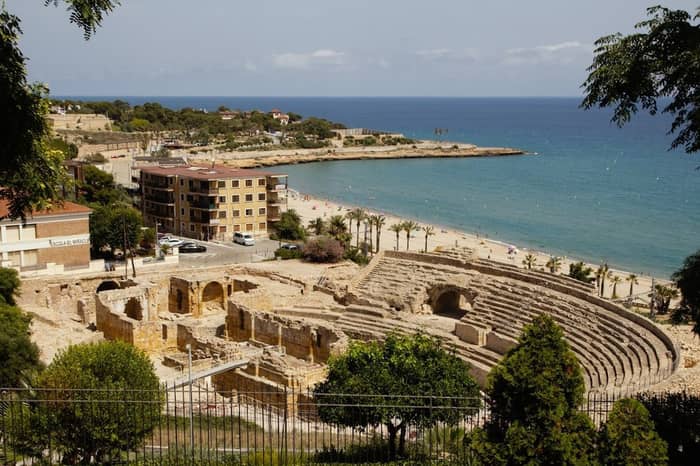
Founded in the 5th century BC by the Iberians, Tarragona became a significant Roman settlement known as Tarraco, serving as the capital of the Roman province of Hispania Citerior with grand structures including an amphitheater, aqueducts, and city walls. The Roman archaeological complex in Tarragona is one of the best in Spain and a designated UNESCO World Heritage Site, where tourists can visit the amphitheater, Roman Circus, walls, aqueduct, and forum. Visitors can travel through time and marvel at the architectural remains of Roman Tarraco and its well-preserved archaeological sites.
The city reaches its peak vibrancy during late spring and early summer when Mediterranean warmth makes wandering the ancient ruins comfortable. Summer temperatures in Catalonia remain milder at 25-28°C (77-82°F), perfect for walking city streets and enjoying Mediterranean beaches. The Roman sites become particularly magical during golden hour when ancient stones glow against the coastal backdrop.
Salamanca: University Town’s Golden Renaissance
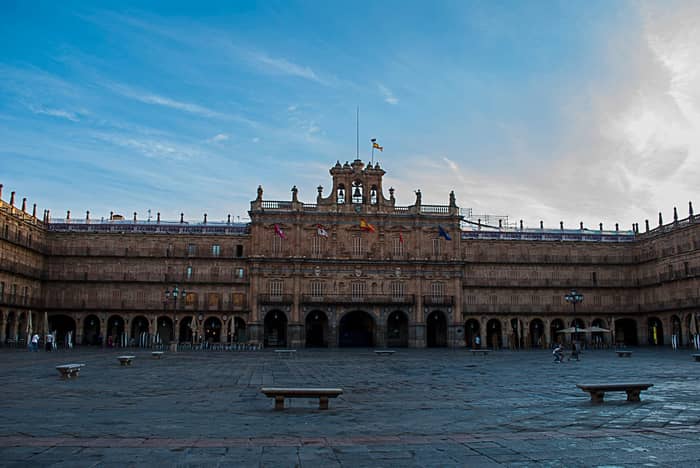
Salamanca’s recorded history as a Roman settlement dates to around the 2nd century BC, with archaeology suggesting human habitation since prehistoric times, gaining importance during the Roman period on the Vía de la Plata (Silver Road). Salamanca houses the oldest university in Spain and among the third or fourth oldest in Europe, with the University of Salamanca attracting both Spanish and international students. The main attraction is the Plaza Mayor, one of the most beautiful plazas in Spain, complemented by delicious tapas, jaw-dropping architecture, and incredible nightlife.
October is the best time to visit inland cities like Madrid and Salamanca, as they’re finally cool from summer but not as cold as winter. The best time to explore destinations like Salamanca on foot is during the fall and spring when temperatures are cool and comfortable. The student energy peaks during the academic year when the ancient university corridors buzz with youthful excitement.
Cartagena: Carthaginian Harbor Reborn
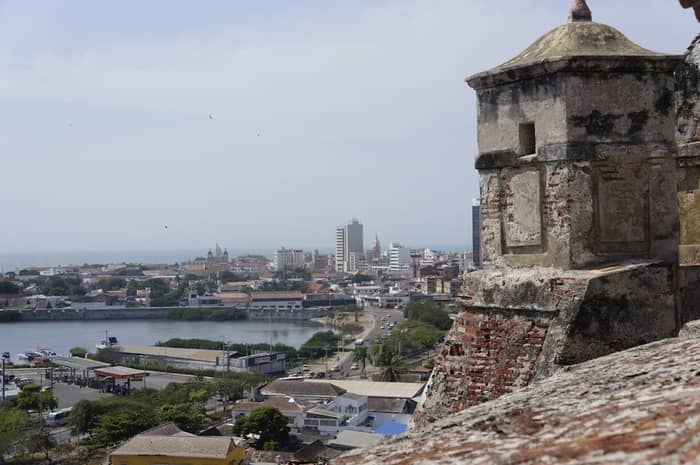
Cartagena (Carthago Nova) was founded by the Carthaginians in 227 BCE, with a significant maritime and commercial history. Due to the quality of architecture, incredible food, and pleasant year-round weather, Cartagena is beautiful to visit at all times of the year, especially for history enthusiasts. Cartagena’s Roman sites spread across the city center and tell different parts of the story, from public entertainment grandeur to practical engineering, with tours taking visitors through 2,000 years of history.
The port city maintains its allure throughout the year thanks to Mediterranean influences, but truly sparkles during shoulder seasons when cruise crowds thin out. The weather remains lovely even in December, making it an excellent year-round destination. The Roman theater and archaeological museums provide perfect indoor refuges during any season.
Sevilla: Flamenco Heart of Andalusia
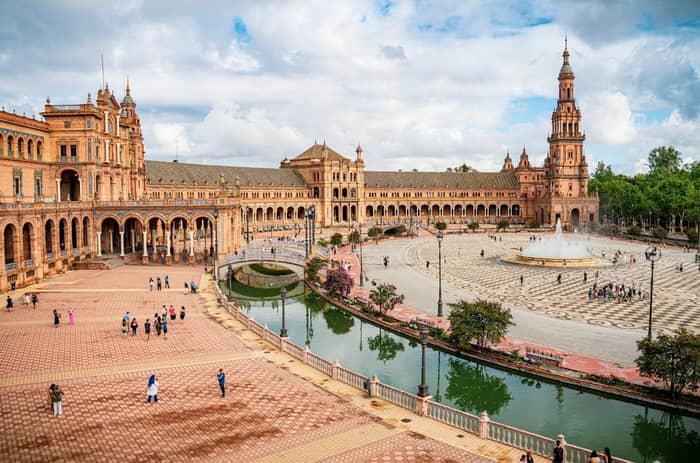
Sevilla epitomizes traditional Spain with flamenco, tapas, stunning architecture, and the best fiestas, enjoying approximately 50-60 rainy days per year, hosting famous festivals like Feria de Abril and Semana Santa. Sevilla is one of southern Spain’s most-loved cities, known for flamenco shows, friendly locals, stunning Moorish architecture, year-round sunny weather, and being among the most affordable areas to visit.
Late April brings the Feria de Abril (April Fair) to Sevilla, while Semana Santa in March or April features elaborate processions in cities like Seville with beautifully adorned floats and traditional costumes, followed by Feria de Abril, transforming the city with week-long celebrations of flamenco, horse parades, and tapas. These moments represent when Sevilla’s soul truly ignites with passion.
Granada: Moorish Majesty Against Sierra Nevada
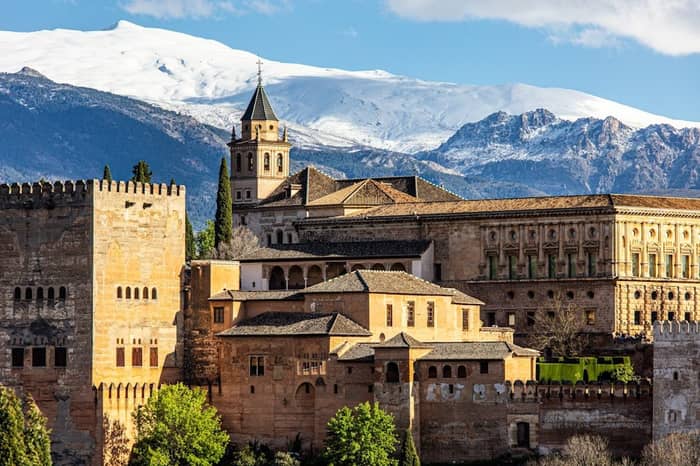
Granada features incredible Islamic architecture, narrow winding streets, colorful buildings and impressive street art, with the famous Alhambra UNESCO World Heritage Site being a stunning palace and fortress dating to the 13th century, offering lush gardens, breathtaking architecture, and incredible views. Granada is famous for its “free” tapas with every drink, making it perfect for bar crawls.
Granada practices the tradition of free tapas with beer, with October being one of the best months to visit southern Spain for mild, walk-friendly weather, while still warm enough to swim, with temperatures averaging 60°F in the evenings to 80°F during the day. It’s hard to beat a view of the Alhambra against the snowy Sierra Nevada ranges. The city reaches perfection during autumn when the summer heat fades, but warmth lingers.
Mérida: Rome’s Enduring Legacy
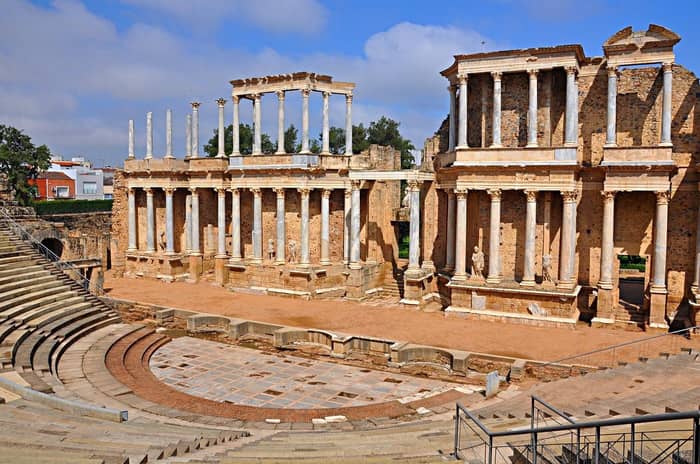
For Roman history enthusiasts, visitors can explore Roman theaters in Mérida and Cartagena, walk city walls in Lugo, and check out aqueducts in Tarragona. Mérida features extensive and well-preserved Roman archaeological sites. The city houses one of Spain’s most complete Roman complexes, including a theater, amphitheater, circus, and aqueduct system that still inspires awe.
Mérida shines brightest during the classical theater festival season when ancient Roman venues host contemporary performances. The Roman theater comes alive with modern productions against ancient backdrops, creating magical intersections of past and present. Spring and early autumn offer ideal temperatures for exploring the extensive archaeological park without summer’s punishing heat.
Lugo: Celtic Roots Behind Roman Walls
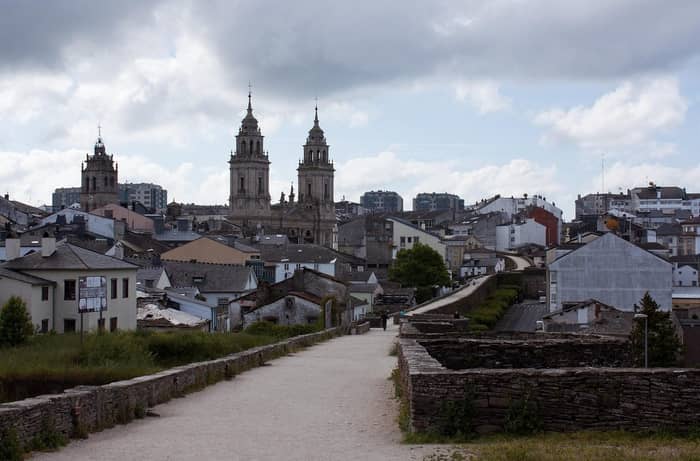
Lugo is known for its remarkably intact Roman walls, which represent one of the finest examples of Roman military architecture in Spain. Galicia is characterized by Celtic roots, lush landscapes, and a strong maritime tradition, with historical cities deeply intertwined with Camino de Santiago pilgrimage routes, featuring granite stone buildings, Romanesque churches, and charming old quarters.
Lugo awakens during the Camino de Santiago pilgrimage seasons when thousands of walkers pass through its ancient gates. Northern Spain, including Galicia, offers cooler temperatures and green landscapes, excellent for hiking and coastal exploration. The Celtic heritage manifests through summer festivals featuring traditional music and dance, while the complete Roman wall circuit provides year-round historical immersion regardless of the weather.
Spain’s oldest cities pulse with distinct seasonal rhythms, each revealing different facets of their ancient souls throughout the year. From Cádiz’s wild Carnival chaos to Granada’s golden autumn light on the Alhambra, these urban treasures offer perfect moments when history, culture, and atmosphere align in unforgettable harmony. What draws you most to these timeless Spanish destinations?