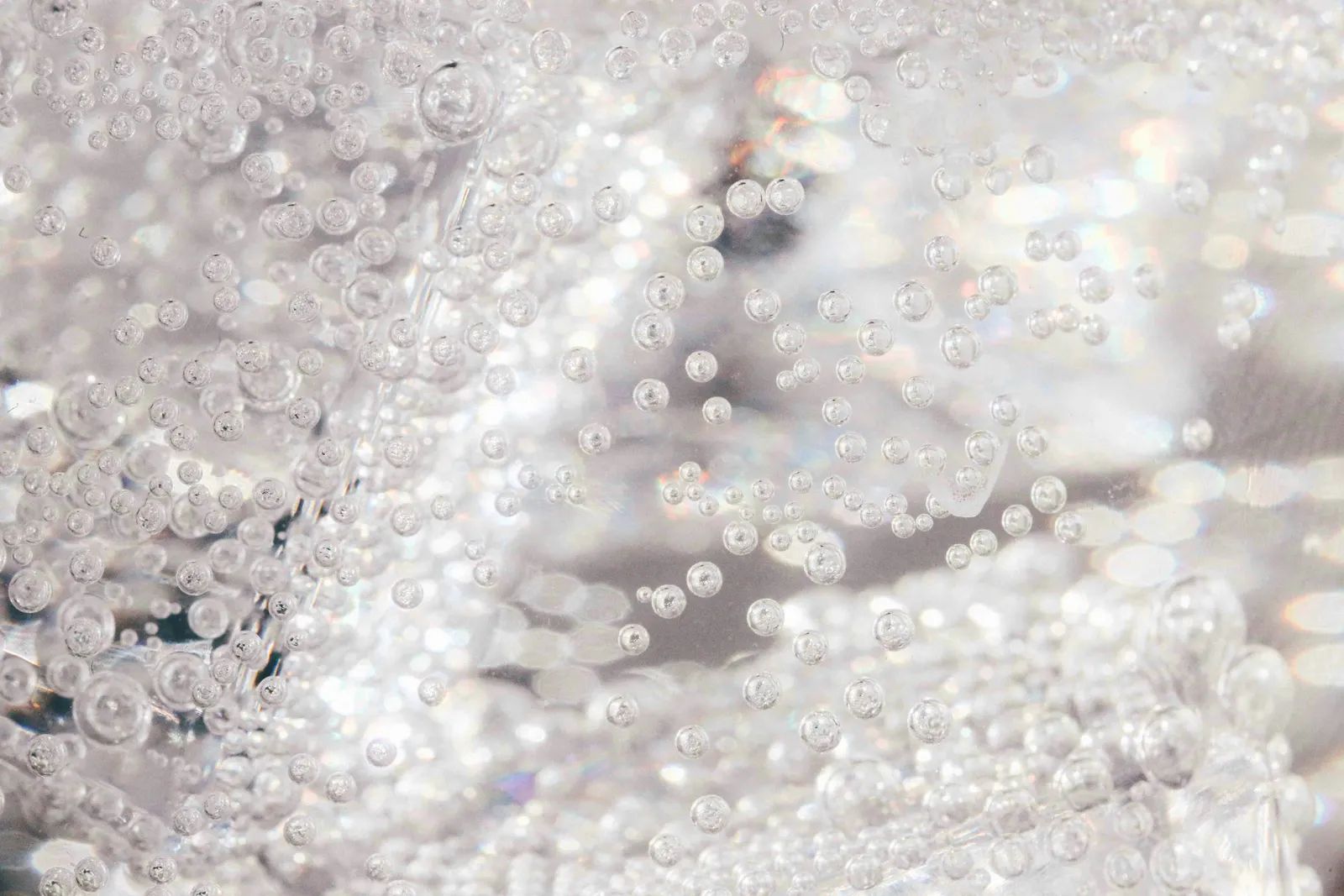
Many households discover a forgotten can or bottle tucked in the back of a pantry or cooler, its printed date from months or even a year earlier. The question that follows is straightforward: is it still worth drinking, or has time turned it into something to discard? For plain sparkling water the answer usually hinges on quality rather than safety, with the fizz fading long before any risk appears.
The Printed Date Signals Freshness, Not a Hard Deadline
Federal guidance treats dates on most shelf-stable beverages as markers of peak quality rather than safety cutoffs. Manufacturers use them to indicate when carbonation and flavor are expected to be at their best, yet the underlying water itself does not spoil in the way perishable foods do. A sealed container that shows no damage can often remain drinkable well beyond the stamped date, provided it has been kept away from extreme heat or strong odors. This distinction matters for anyone who stocks up for road trips or keeps a steady supply at home. The focus shifts from worrying about expiration to checking whether the container itself remains intact and the liquid still tastes right once opened.
Plain Versus Flavored Versions Age Differently
Not every can labeled sparkling water behaves the same once time passes. Plain seltzer or naturally carbonated mineral water contains little more than water and dissolved gas, so the main change is a gradual loss of bubbles. Products that include real fruit juice, sweeteners, or added vitamins follow their own best-by recommendations because those extra ingredients can affect taste and stability over longer periods. A simple comparison shows how the starting ingredients shape what happens next.
| Type | Example Ingredients | First Change Noticed |
|---|---|---|
| Plain seltzer | Carbonated water, natural essence | Softer bubbles |
| Mineral water | Carbonated mineral water | Gradual loss of fizz; minerals remain |
| Fruit-based | Fruit and sparkling water | Follow stamped date for best flavor |
| Sweetened or fortified | Juice concentrate, sweetener, vitamins | Flavor and sweetness shift over time |
The first two categories stay closest to plain water, while the latter two benefit from closer attention to any printed guidance on the package.
Storage Choices Protect Both Taste and Container
Room-temperature or cooler conditions away from direct sunlight give sealed cans and bottles the best chance of holding their carbonation. Plastic containers allow slight gas exchange over very long periods, so cans or glass tend to preserve bubbles more reliably when stocking up for months. Proximity to household cleaners, paint, or fuel should be avoided because plastic can absorb odors that affect the water inside. Prolonged exposure to high heat or strong fumes occasionally allows off odors or, in rare cases, visible changes inside the container. Keeping stock in a cool cabinet rather than a hot garage or car trunk reduces those risks without requiring refrigeration for unopened items.
Clear Signs the Contents Should Be Discarded
A few visible or sensory checks quickly separate normal aging from actual problems.
- Bulging, leaking, or heavily rusted containers warrant immediate disposal without opening.
- Cloudiness, sediment, or a film inside plain sparkling water means it should be poured out.
- A chemical, musty, or fuel-like smell often traces back to nearby fumes and signals the product is no longer suitable.
- Any can or bottle that has been sipped from and left at room temperature for hours is best discarded rather than saved.
Flatness alone does not indicate spoilage; it simply means the carbon dioxide has escaped and the remaining liquid is essentially still water.
Once Opened, Timing Becomes More Important
Carbonation begins escaping as soon as the seal is broken, and cold temperatures slow that process better than warm ones. A capped bottle kept in the refrigerator usually retains acceptable fizz for a day or so, after which it can still be used as plain water if it looks and smells normal. Cans offer no resealing option, so any portion not consumed right away is best enjoyed immediately or poured over ice. Left-out containers that have been exposed to room air for extended periods introduce the possibility of outside contamination, even though plain sparkling water itself offers few nutrients for microbes. When in doubt, replacing the drink with a fresh one avoids unnecessary risk while preserving the intended sparkling experience. Travelers and households that keep sparkling water on hand can therefore treat most intact, properly stored cans as usable well past the printed date, with the main trade-off being reduced bubbles rather than any safety concern.