Breekkrans River, roughly two hours north of Cape Town, has become the focus of a targeted conservation push. Scientists and local authorities have worked to clear invasive spotted bass from sections of the waterway, creating safer conditions for the critically endangered doring fiery redfin. The effort marks a concrete step toward protecting one of South Africa’s rarest freshwater species.
The Long Shadow of an Introduced Predator
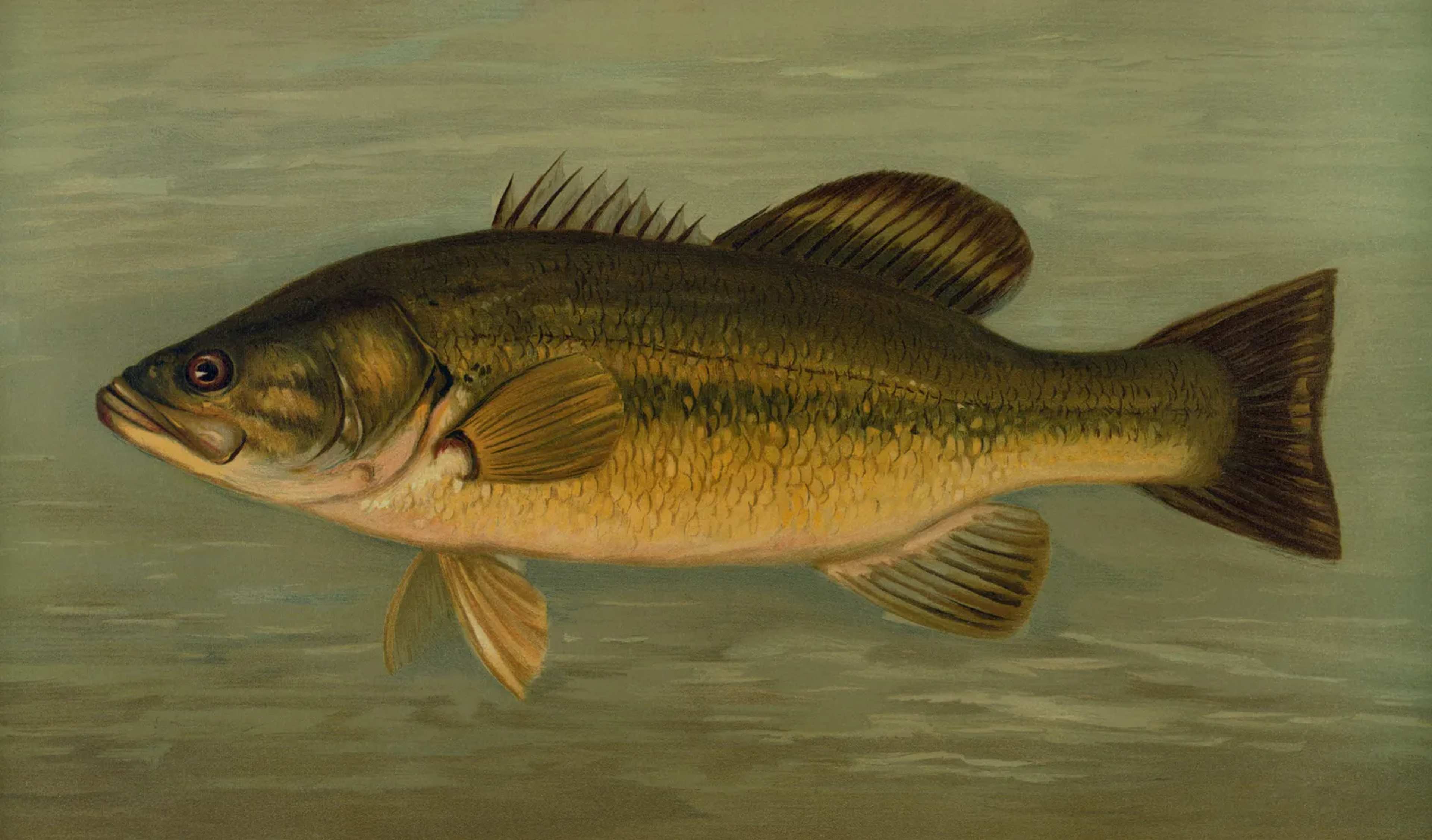
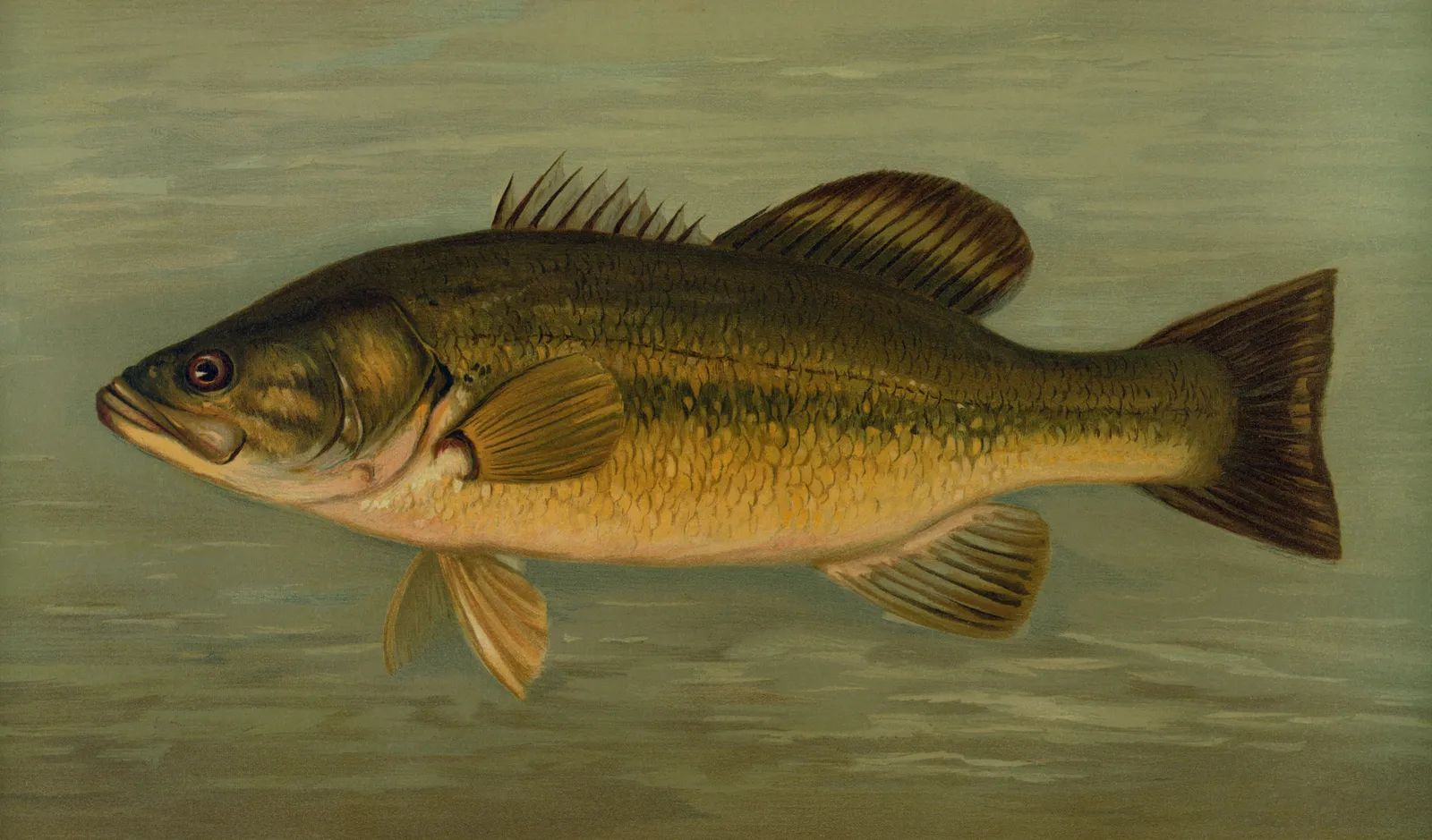
Spotted bass were brought into the river system in the late 1930s. The goal at the time was to create better angling opportunities. Those same traits that made the fish attractive to anglers turned it into a formidable invader. It actively hunts small native species, most of which measure 12 centimeters or less. Once established, the bass expanded wherever habitat allowed. Natural barriers such as waterfalls eventually halted further spread. Native fish populations often survived only in upstream stretches the bass could not reach. This pattern left the doring fiery redfin especially vulnerable in the Breekkrans system.
A Shrinking Refuge for the Doring Fiery Redfin
The doring fiery redfin, known scientifically as Pseudobarbus doring, now exists in very low numbers outside the Breekkrans River. Within that river, the largest remaining population consists of only a few hundred adults. Before the recent intervention, these fish were restricted to a narrow 2-kilometer stretch that remained free of bass. That limited range left the species with little room to expand or recover. Any further pressure from the invasive predator risked pushing the redfin closer to extinction. The situation highlighted how a single introduced species can reshape an entire river ecosystem over decades.
Clearing the Way for Recovery
The Breekkrans River Restoration Project, led by the Freshwater Research Centre, set out to reverse that pressure. By removing spotted bass from previously occupied sections, the team has opened additional habitat for the native fish. Early results indicate the redfin now has more space to move and breed. Martine Jordaan of Cape Nature noted that bass spread until stopped by natural barriers, often leaving native species confined to isolated pockets. Jeremy Shelton of the Freshwater Research Centre added that the Breekkrans holds the species’ strongest remaining population. The removal effort directly addresses the main threat that had kept numbers so low. The project demonstrates how focused removal of an invasive predator can shift the balance in favor of a threatened native species. While full recovery will take time and continued monitoring, the redfin has gained meaningful breathing room. Ongoing work will determine how far that advantage extends.