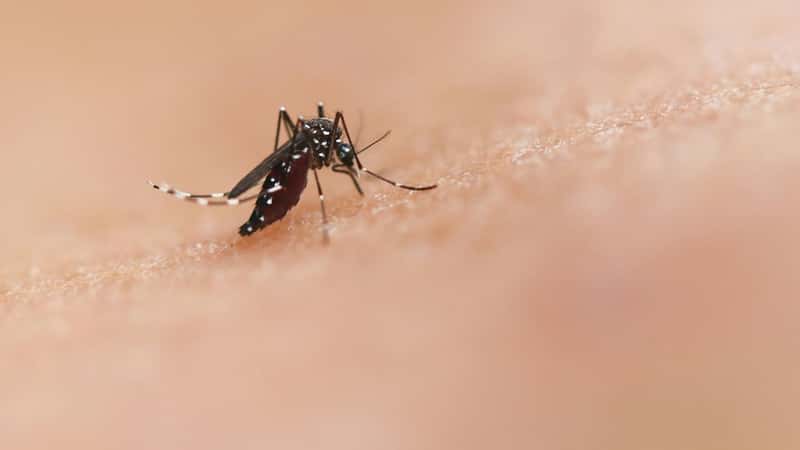
Sri Lanka intensifies fight against dengue and the mosquitos that cause the infection – Image for illustrative purposes only (Image credits: Unsplash)
Dematagoda, Sri Lanka – In this crowded Colombo suburb, residents like Niroshan Peters navigate daily exposure to standing water and discarded waste that create ideal breeding grounds for the mosquitoes carrying dengue. Peters, 54, has watched repeated fumigation efforts come and go without lasting change. National figures released as of July 1 show 56,422 confirmed cases and 35 deaths so far this year, already exceeding the 51,000 cases recorded for all of 2025.
Local Frustrations With Temporary Fixes
Peters points out that waste continues to pile up in vacant lots between official drives. He notes that Colombo Municipal Council teams arrived last week to fog the neighborhood, yet he sees little follow-through once the immediate surge passes. The pattern leaves communities vulnerable for months at a time, he says, because dumping persists and drainage problems remain unaddressed.
National Case Trends and Health System Pressure
Health Minister Nalinda Jayatissa recently warned journalists that the current pace of infections risks overwhelming hospitals and placing severe pressure on the healthcare system. Four distinct dengue virus serotypes circulate in Sri Lanka, with different strains dominating in successive seasons. A major outbreak in 2017, which produced more than 186,000 suspected cases, highlighted how quickly one serotype can drive widespread transmission when conditions favor the vector mosquito.
Current Control Efforts and What Remains Uncertain
Authorities have stepped up fogging and community awareness campaigns in high-incidence areas. Public health teams continue to monitor which serotype is most active this season, information that helps guide targeted responses. Still, experts note that sustained reductions depend on consistent waste removal and household-level prevention that extend beyond peak periods. Travelers heading to Sri Lanka this year should stay informed through official health advisories and practice routine mosquito protection, particularly in urban and suburban zones where cases are concentrated. The situation remains fluid, and monitoring updates from health authorities offers the clearest picture of evolving risk.