Many new business owners put rent, equipment, software, and advertising on a credit card from the first month. Those routine charges can also build up points and miles, and the card a founder chooses determines how much of that spending turns into travel value. Writing for The Points Guy, the site’s editors outlined how eligible startup costs can earn rewards when paired with the right business card ([1]). The payoff is real but conditional, and it depends on how a company actually spends.
Where startup costs can earn rewards
Equipment purchases and certain tax payments are among the expenses that can earn rewards, according to the same guidance. Founders who already plan to make these payments can route them through a card that offers bonus points, while working toward a welcome bonus and an annual spending threshold.
The caution is equally important. Balances should be paid in full each month, and processing fees should not erase the value of the points. A card that earns well on paper can lose its appeal if interest charges or fees outweigh the rewards.
Annual fees and earning highlights
The cards named in the source differ widely in cost and earning design. Some reward airfare and hotel bookings at high rates, while others favor flat-rate cash back or simpler point structures. The table below summarizes the highlights reported for four of them.
| Card | Annual fee | Earning highlight |
|---|---|---|
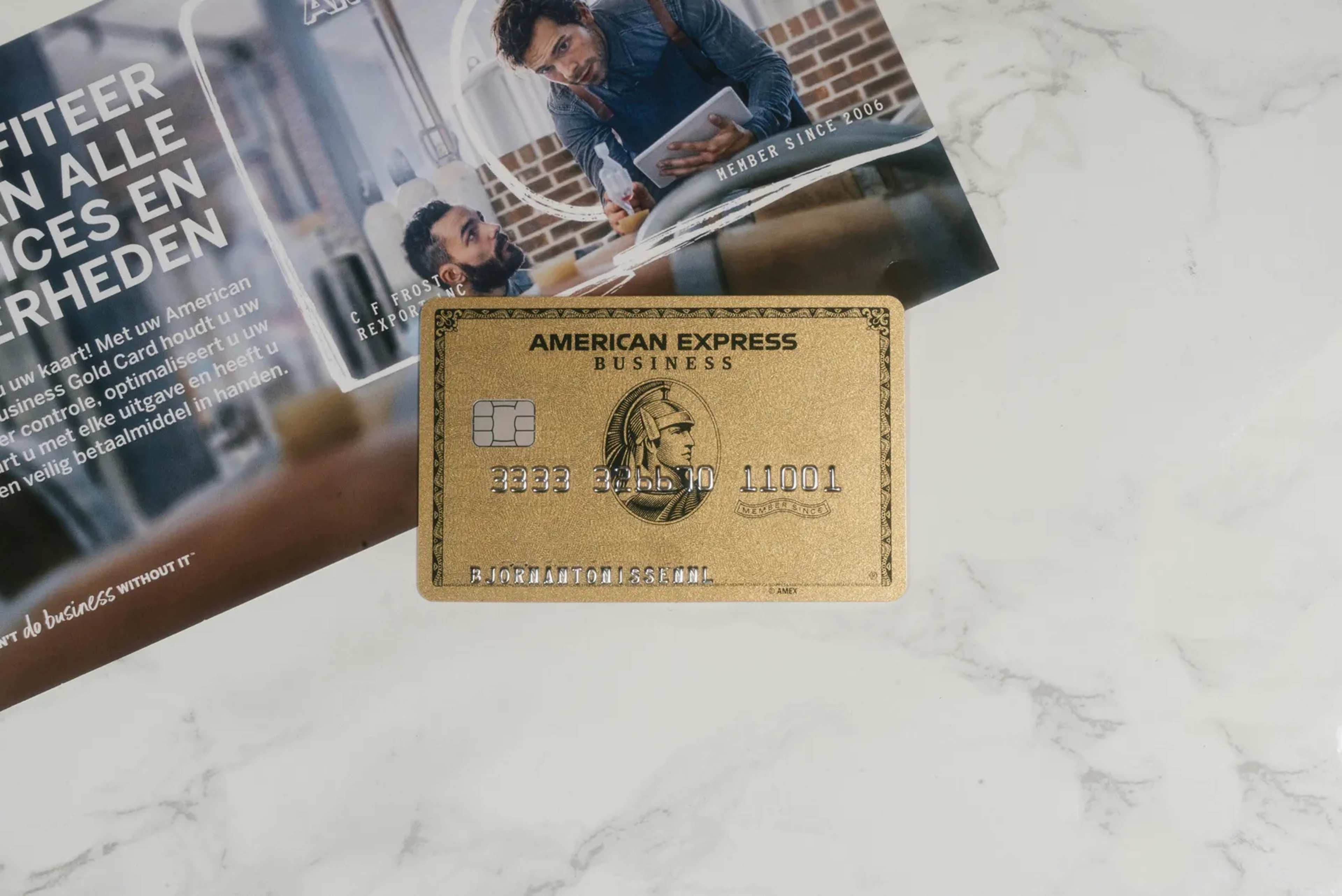
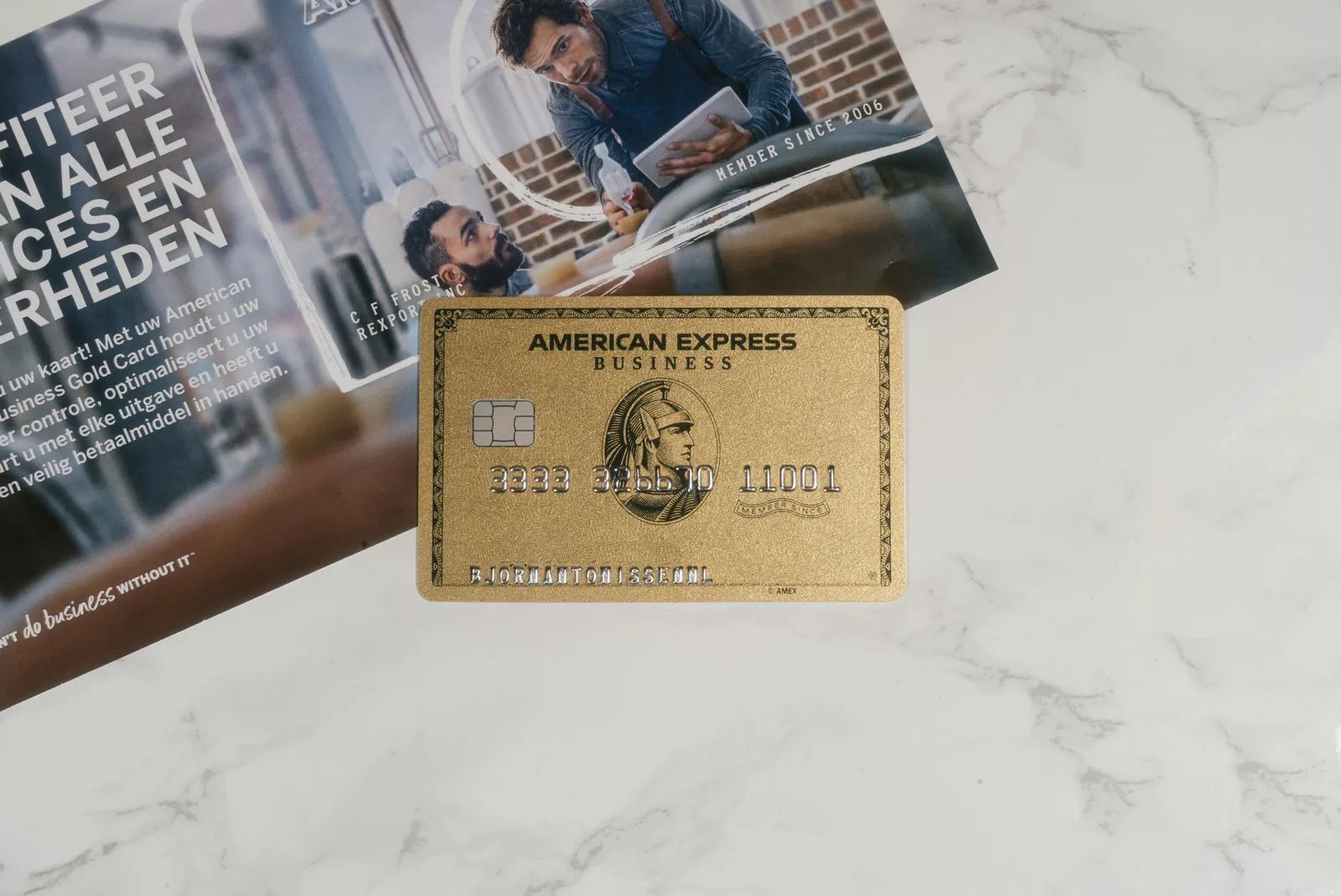
| The Business Platinum Card from American Express | $895 | 5 points per dollar on airfare and prepaid lodging booked on amextravel.com |
| Capital One Venture X Business | $395 | Unlimited 2 miles per dollar on purchases |
| Ink Business Preferred | $95 | 3 points per dollar on the first $150,000 in travel and select business categories each year |
| The Blue Business Plus Credit Card from American Express | No annual fee | 2 points per dollar on the first $50,000 in purchases each year |
Those figures come from the source’s description of each card and may change, so applicants should confirm current terms with the issuer before applying.
A home office and the housing question
Founders working from home face a different question. Bilt allows cardholders to earn Bilt Points on rent or mortgage payments, and the three Bilt cards can reach up to 1.25 points per dollar on eligible housing costs without transaction fees. The earning rate under the Housing-only option depends on everyday card spending. Cardholders who spend at least the amount of their monthly housing payment on everyday purchases with the card receive the 1.25 rate for that month.
The limit is significant for entrepreneurs. Bilt’s housing rewards apply only to residential properties, so a commercial office lease does not qualify. Points can be transferred to loyalty partners or used through Bilt’s travel portal, which makes the program most relevant to founders whose homes double as their workplaces.
Advertising, office supplies, and travel protections
Advertising is often one of the largest startup expenses, and some cards add bonus categories for it. The American Express Business Gold Card earns 4 Membership Rewards points per dollar in a company’s top two spending categories each billing cycle, with advertising from U.S. media providers among the eligible categories. The Ink Business Preferred also rewards advertising purchases with social media sites and search engines.
For office supplies, the Ink Business Cash offers 5% cash back on the first $25,000 in combined spending across office supply stores and internet, cable, and phone services each account anniversary year. Businesses that use this card alongside a points-earning Chase card can gain flexibility in how they redeem rewards.
Travel protections add another layer. The Business Platinum Card includes statement credits for Global Entry or TSA PreCheck, airline incidental fee credits, and access to more than 1,550 airport lounges. Starting January 1, 2027, Fine Hotels and Resorts bookings will require a minimum two-night stay to qualify for the lodging credit. Founders who plan to book after that date should note the change. The Ink Business Preferred offers trip cancellation and interruption insurance, trip delay reimbursement, and primary rental car coverage for eligible business rentals.
What to weigh before applying
Several factors determine whether a card is worth its cost. Founders should consider which expenses take up most of the budget, whether they can meet a welcome offer‘s spending requirement, and how much value the ongoing benefits deliver. A high annual fee may make sense for a company that travels often, while a no-fee card can suit a young business with modest spending.
Business cards also tend to reward the expenses that new companies face most, which is a useful starting point. The Points Guy’s startup card guide notes that many of these cards are geared toward business costs and can produce points redeemable for business-related travel.
For a startup, the strongest outcome is usually a card that matches its real spending. A company that pays for advertising, software, and travel may benefit from a premium card with bonus categories, while a smaller business with steady office costs may find a simpler product more practical. The rewards are earned on money the business already spends, which is why a careful match between card and budget matters more than any single headline offer.