A debut novel places its central mystery among some of Britain’s most recognizable ancient sites. David Horsup’s “Circles – The Secrets of the Stones” draws directly from real locations that remain open to visitors. The story links fiction to places travelers can reach without special access or restricted permits. ([1])
The Novel’s Connection to Real Ground
Horsup sets key scenes at stone circles and historic structures that predate written records by centuries. Rather than inventing fictional backdrops, the author anchors the plot in landscapes that still exist and can be walked today. This approach gives readers a tangible route from page to place. The result is a narrative that invites exploration beyond the book itself. Travelers interested in the story gain a ready-made itinerary. The sites span southern England, eastern England, Ireland, and northern Scotland. Each location carries its own archaeological weight and public access options. The novel therefore functions as both entertainment and a prompt for independent travel planning.
Stonehenge and Brú na Bóinne
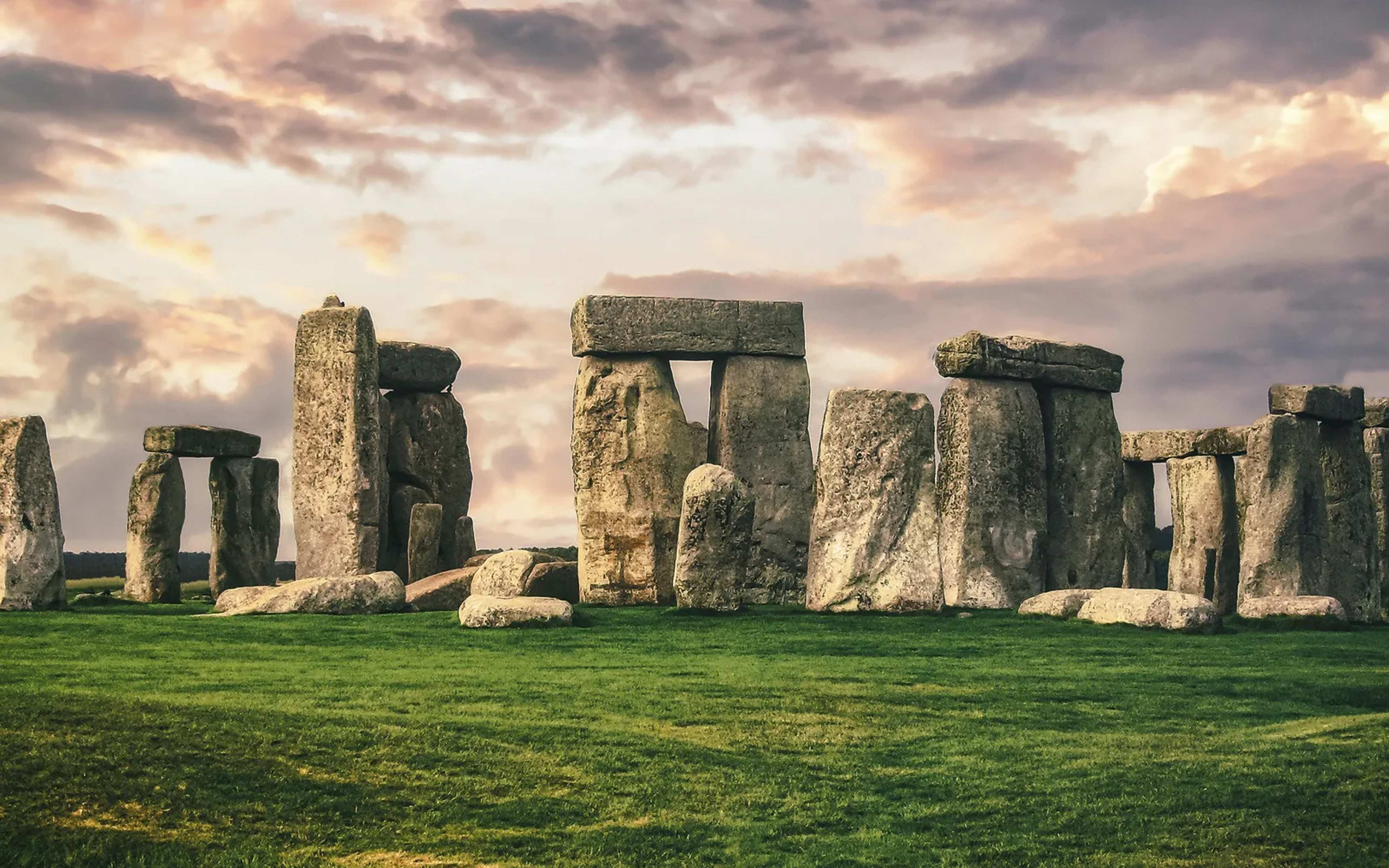
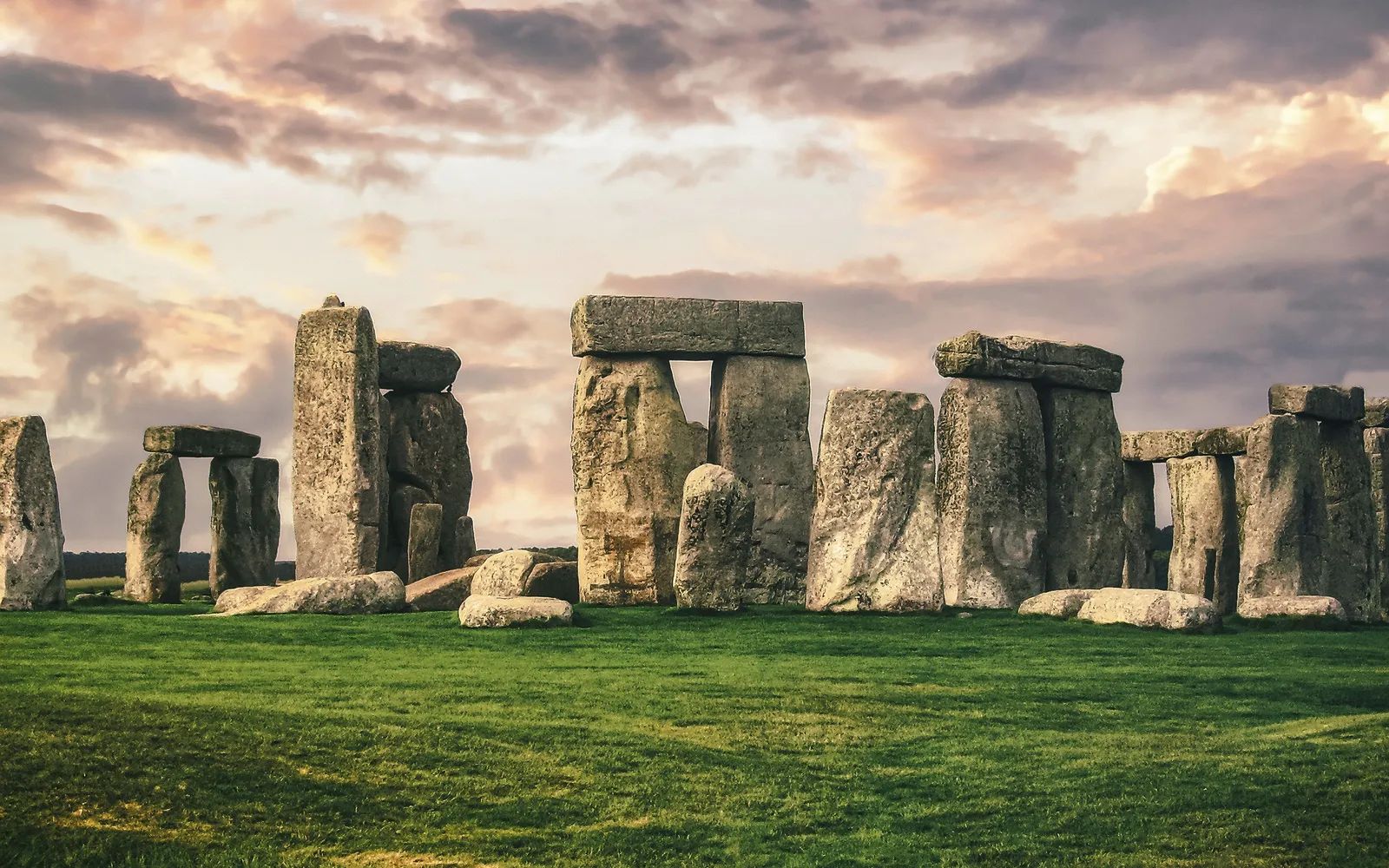
Stonehenge stands as the most widely recognized setting in the book. The prehistoric monument on Salisbury Plain continues to draw millions of visitors annually through managed tours and timed entry. Its alignment with the solstices remains a focal point for those tracing the novel’s themes. Brú na Bóinne, also known as Newgrange, offers a contrasting experience in Ireland’s Boyne Valley. The massive passage tomb predates Stonehenge and features intricate carvings preserved inside the chamber. Guided visits allow small groups to enter the structure during winter months when the winter solstice light effect is recreated. Both sites appear in the narrative as anchors for the unfolding mystery.
Further Settings Across Britain
The New Forest in southern England supplies a wooded counterpoint to the open stone circles. Ancient trees and quiet paths provide quieter exploration compared with the larger monuments. Framlingham Castle in Suffolk adds a medieval layer, its walls and grounds open for public visits year-round. Farther north, the Ring of Brodgar on Orkney completes the circle of locations. The stone ring sits within a UNESCO World Heritage area that also includes other Neolithic monuments. Access remains straightforward via ferry and local roads, though weather can influence the experience. These additional places expand the novel’s geographic reach without requiring specialized permits.
Key locations tied to the novel: Stonehenge, Brú na Bóinne (Newgrange), the New Forest, Framlingham Castle, and the Ring of Brodgar.
Practical Steps for Visitors
Most of the sites operate under standard heritage management rules. Advance booking is recommended for Stonehenge and Newgrange, especially during peak summer months. Public transport reaches several locations, while others benefit from a rented car for flexibility between sites. Travelers can combine visits over a week or more, moving from southern England northward. Local visitor centers provide current opening hours and any seasonal restrictions. The novel’s settings therefore translate into a feasible multi-region trip for those drawn by the story’s premise.