Picture the photo that sold you on Tulum: pale sand, turquoise water, jungle pressing right up to the beach. Now picture arriving and finding a line of rakes, a wall of brown seaweed and a fence between you and the shoreline. That gap between the postcard and the place has widened in 2026.
Yet the image itself isn’t wrong. It just exists a short drive south, inside a protected area that most people only know as a day trip add on. What follows is a look at what’s happening on Tulum’s beaches, and what Sian Ka’an offers instead.
The Seaweed Problem Is Bigger Than One Bad Season
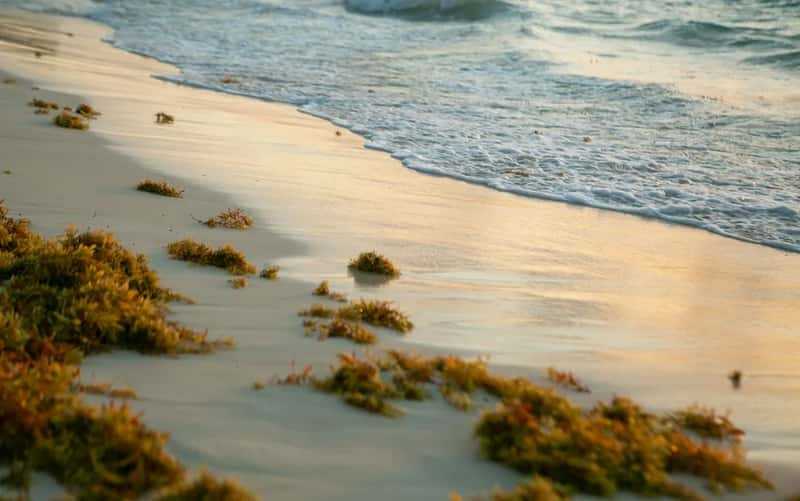
Tulum’s beach zone is dealing with sargassum on a scale that local officials haven’t seen before. Tulum’s Zofemat director reported 1,224 tons collected so far this year.[1] The same reporting says 50 tons were removed in 2024 and 59.10 tons in 2025.[1]
It’s no longer a short summer nuisance either. Tulum’s hotel association says the algae now reaches this coast eight or nine months a year.[2] On a regional level, Semar reported its 2026 season collection reached 88,998 tons across Quintana Roo.[3]
Paying to Reach the Sand
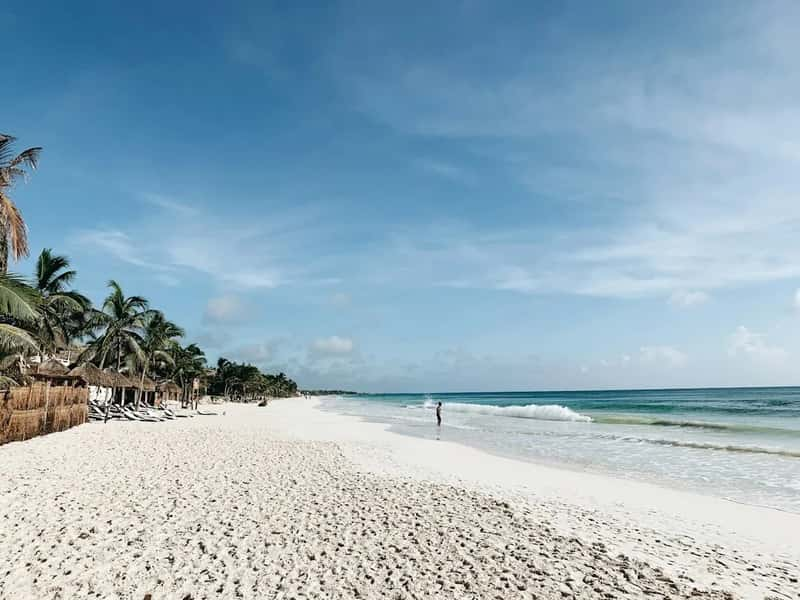
Seaweed isn’t the only complaint. One recent analysis of Tulum’s slump notes that Jaguar National Park, which holds the ruins and some well known beaches, has been run by a military owned company since December 2024.[4] The same piece says it charges foreigners 415 pesos to enter.
The hotel zone adds its own barriers. Fences, guards and minimum spends did the rest, according to that analysis.[4] Mexican beaches are public by law, but reaching them in Tulum has increasingly meant paying someone along the way.
What Sian Ka’an Actually Is
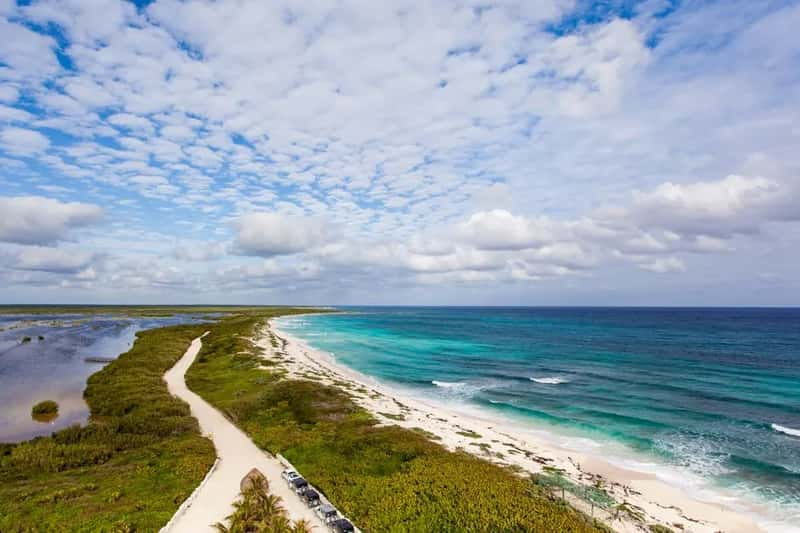
Sian Ka’an is a federal biosphere reserve and UNESCO World Heritage Site, and it’s enormous. It sprawls across 5,280 square kilometers.[5] That’s larger than the neighboring island of Cozumel and the entire land area of Delaware.[6]
The protection is fairly recent but solid. Mexico declared it a biosphere reserve in 1986 and UNESCO named it a World Heritage Site in 1987.[7] The name is usually translated from Yucatec Maya as where the sky is born.[8]
Wildlife That Isn’t Staged
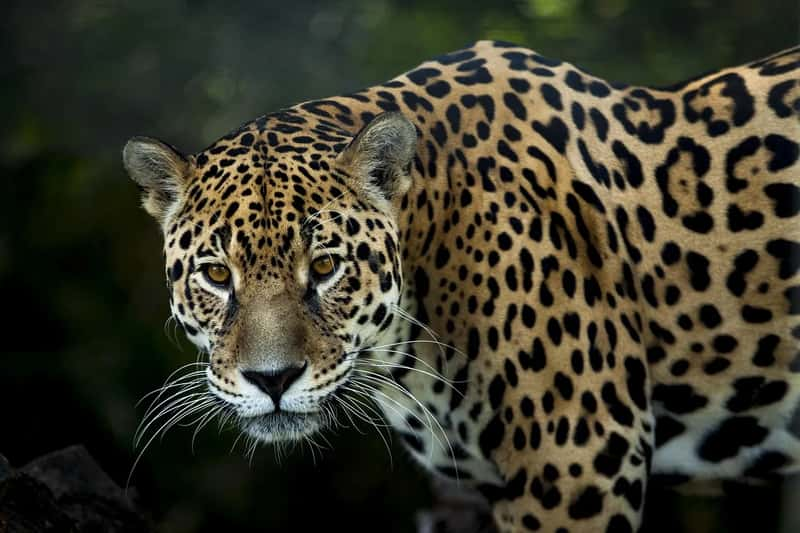
Here the reserve is a different kind of place from a beach club strip. It shelters roughly 345 bird species and five of Mexico’s six wild cat species: jaguar, puma, ocelot, margay and jaguarundi.[8] Manatees, crocodiles, spider and howler monkeys and tapir are also on the list.
Be realistic about what you’ll see on a single outing. Jaguars and pumas are elusive[5], so herons, egrets and frigatebirds are the likelier sightings from a boat. Going with a local guide improves the odds.
Muyil: Ruins and an Ancient Maya Canal
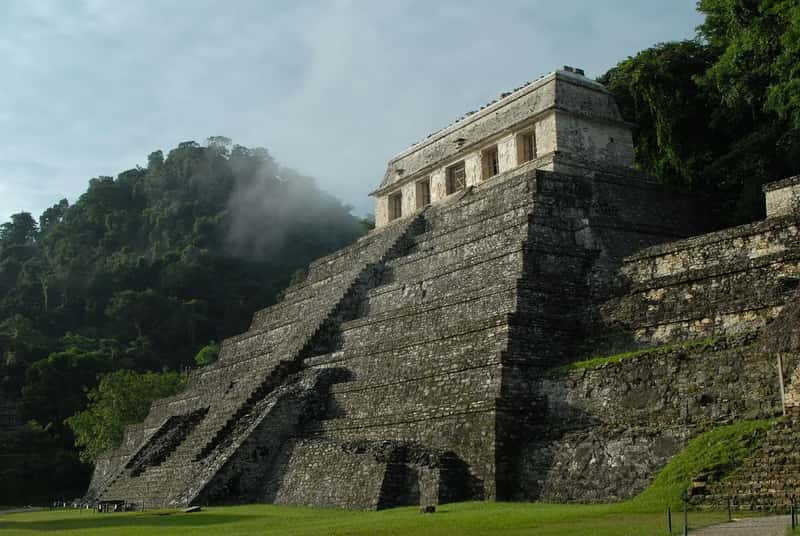
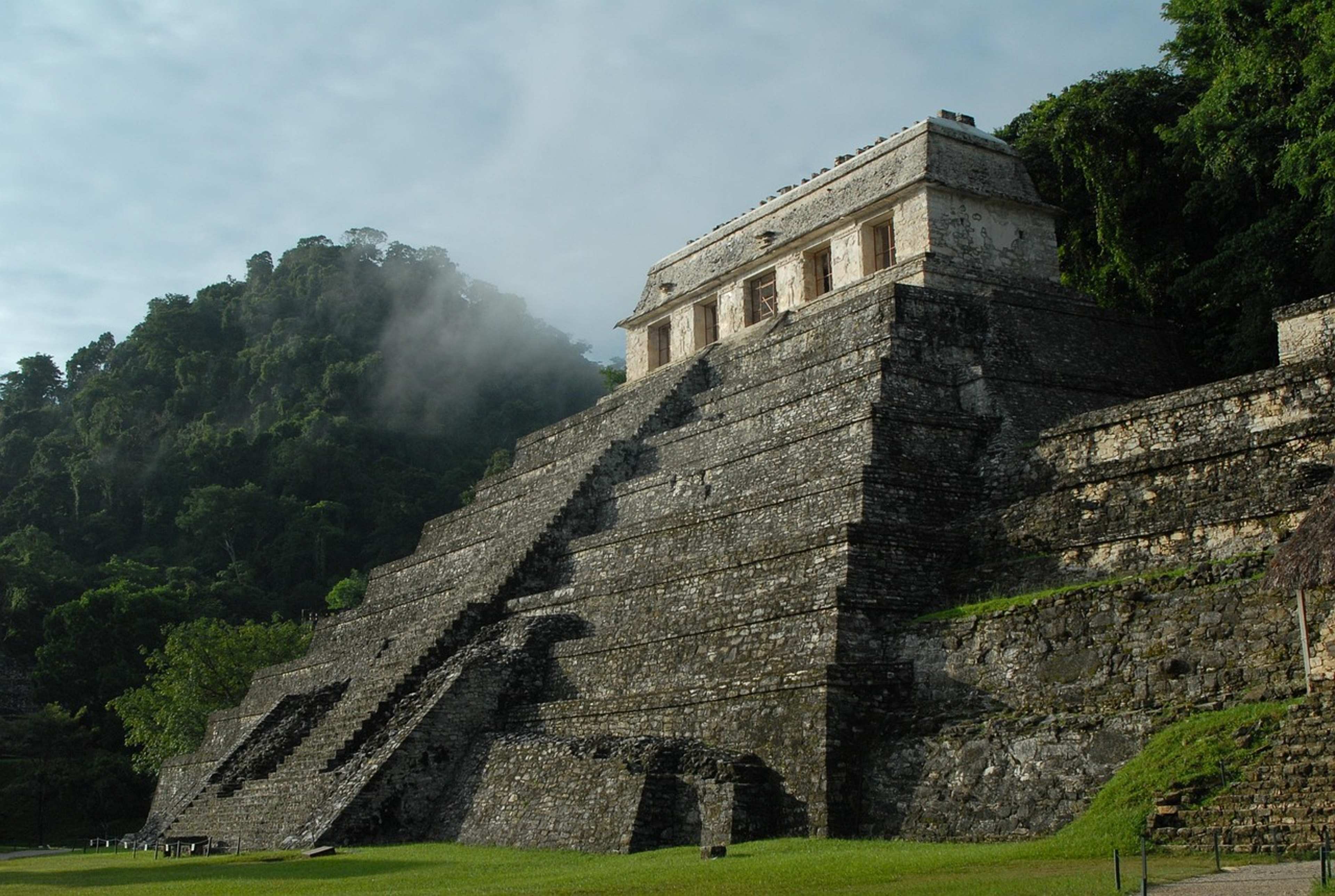
The most popular entry point is Muyil, on the reserve’s northern edge. It’s described as the most important of the 20 Maya sites within the biosphere.[9] A 500 meter interpretive trail leads from the ruins to Chunyaxché lagoon, with signs on local flora and fauna and a lookout tower.[9]
The signature activity is the canal float. The Maya widened these canals more than a thousand years ago to move goods between the lagoons and the sea.[10] You wear a life jacket and drift through mangroves, and note that the float is a separate eco tour reached by boat from the Muyil lagoon, not part of a standard ruins visit.[11]
Punta Allen and the Long Road South
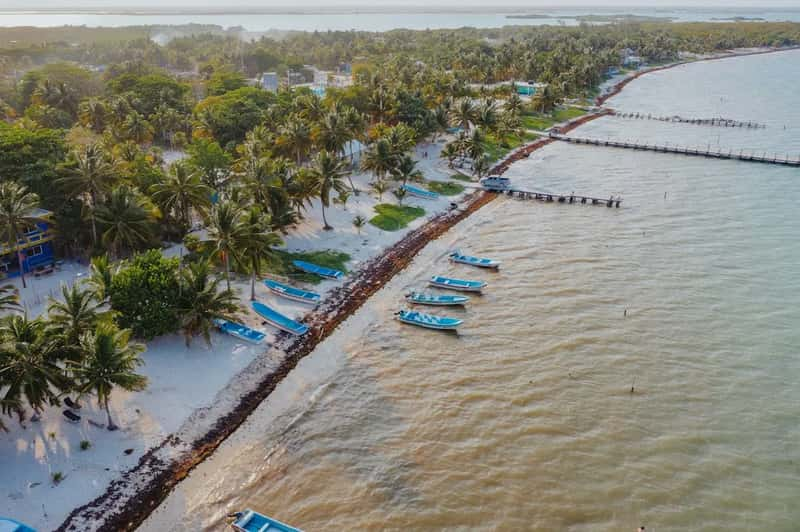
For something wilder, there’s the Boca Paila peninsula. You reach it through the Sian Ka’an arch on the Tulum beach road, then follow the route down to Punta Allen.[12] The drive is slow, and guided tours describe the Boca Paila road as bumpy.[12]
Most visitors do it as a full day with a guide. One 2026 guide lists a Punta Allen tour of dolphins, turtles and snorkeling at 120 to 190 US dollars per person, with six people per boat.[7] Lunch in the fishing village is typically part of the day.
The Reef and the Water Beneath It All
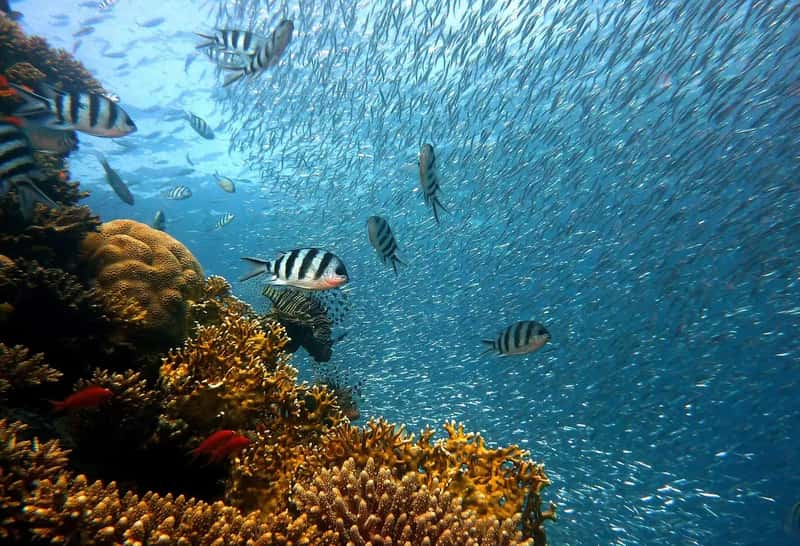
What makes the reserve unusual is how connected it is. Rain falls on the forest, filters through porous limestone into underground rivers, surfaces in lagoons, moves through mangrove channels to the bay, and finally reaches the Mesoamerican Reef.[8] Protecting one piece protects the chain.
The reef itself is substantial. About 110 kilometers of coral reef sit within the reserve, part of a system stretching 1,000 kilometers from Yucatán to Honduras.[7] That system is the second largest coral reef system in the world.[13]
Getting There From Tulum

The Muyil entrance is easy to reach. One local cooperative describes it as 20 minutes from Tulum, 1 hour from Playa del Carmen and 2 hours from Cancún, on paved and signposted Highway 307.[14] Parking is free at the entrance.[14]
Without a car, it gets trickier. Colectivos will drop you at the Muyil entrance for a few dollars, but they won’t take you to the dock, and getting back is a gamble.[8] A tour with pickup is the more dependable choice.
What It Costs in 2026
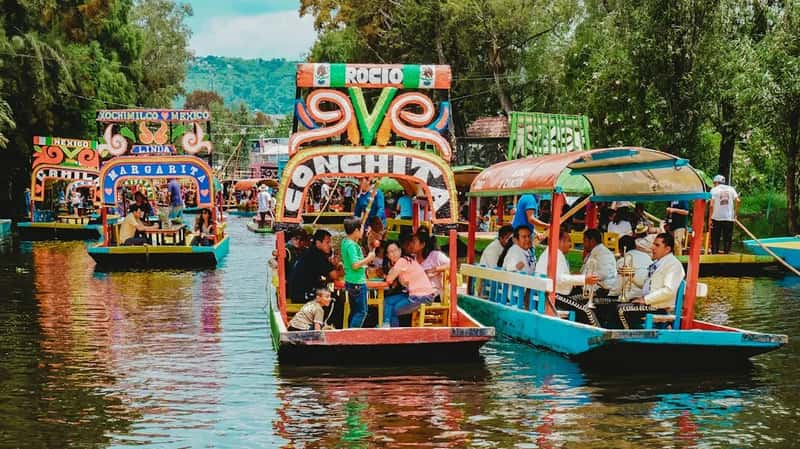
There are two layers of cost: the tour and the reserve fee. The federal entry fee is approximately 225 pesos, about 14 US dollars per person, set by CONANP and paid on arrival.[8] One operator adds that the fee is currently under adjustment by federal authorities and subject to variation.[15] Another guide lists a lower Muyil entry price, so confirm before you go.
Tour prices vary by length. A local cooperative lists an eight hour Ancient Canal tour at 2,980 pesos for adults, and a five hour kayak tour at 1,880 pesos.[16] A shorter option is the Maya channels and floating tour, listed at 35 to 50 US dollars for about 2.5 hours.[7]
Not Untouched, and Not a Perfect Escape
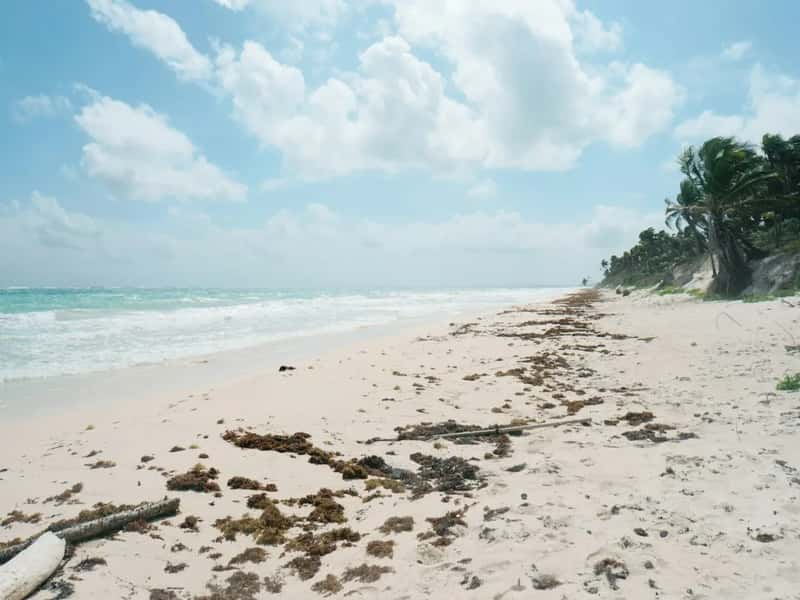
Sian Ka’an isn’t immune to the problems elsewhere on this coast. Sargazo Monitor’s red list in late July included Mahahual and Punta Allen in the worst category[3], so the seaward side can see seaweed too. The inland lagoons and canals at Muyil are a different setting from the open beach.
The reserve also faces its own pressures. One guide notes habitat destruction from illegal activities, climate change impacts and tourism development.[6] People live there too, with the population limited to about 2,000 people across seven fishing communities.[7] Choosing a cooperative run tour keeps more of your money local.
Quick Facts Before You Book
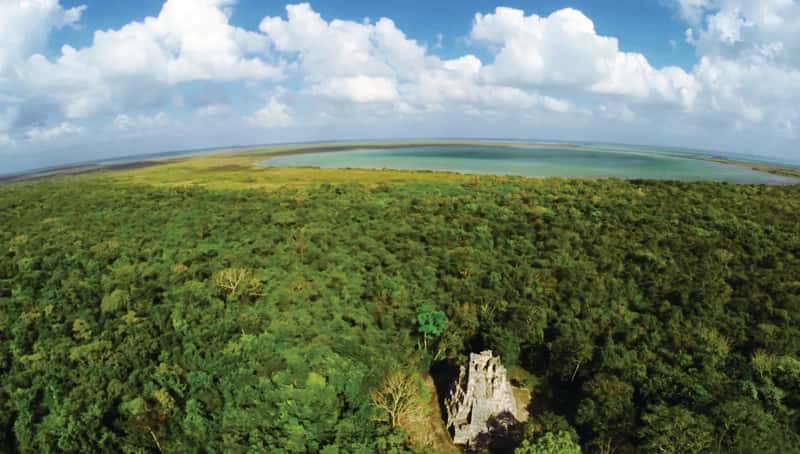
Sian Ka’an covers 528,000 hectares south of Tulum, with its main visitor entrance at Muyil, about 20 minutes away on Highway 307. Its draws are the Maya canals, lagoons, mangroves, birdlife and a long stretch of the Mesoamerican Reef.
Budget for a federal entry fee of about 225 pesos, paid on arrival and separate from tour prices. Full day tours generally start in the early morning, and shorter canal tours run about two and a half hours.