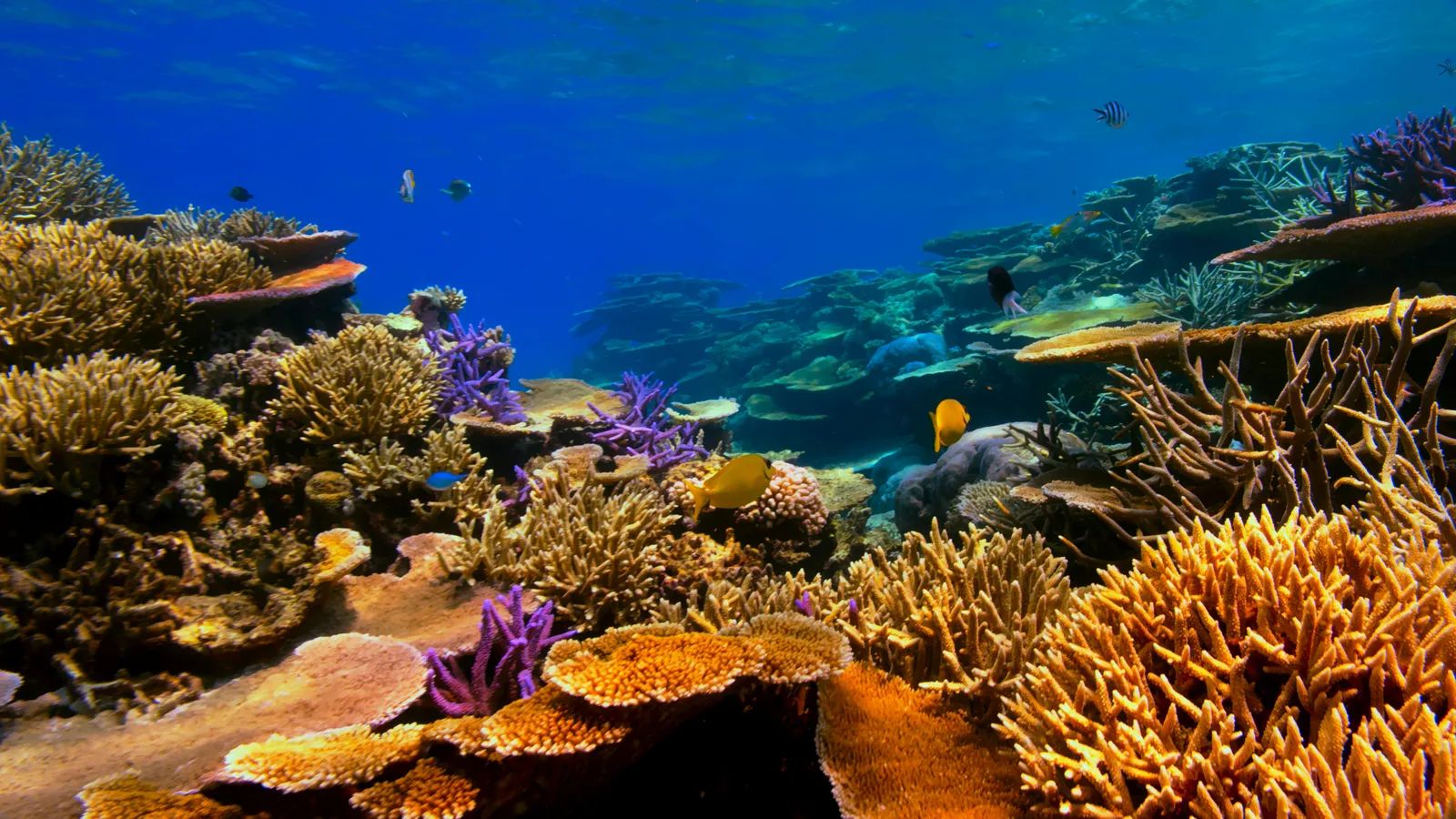
Sanur has long drawn visitors to its beaches on Bali’s southeast coast, where the local economy relies on tourism centered around clear waters and marine life. New research shows the area’s coral reefs continue to degrade even after repeated restoration projects. The study, published in Ocean & Coastal Management, points to a mismatch between visible fixes and the underlying pressures that harm the reefs. ([1])
Reefs Under Pressure
Restoration efforts in Sanur have focused on planting coral fragments and installing artificial structures. These steps address symptoms rather than the main drivers of loss. Sediment runoff from land and wastewater discharge remain the dominant threats, according to the analysis of reef health data.
Without tackling those sources, new coral growth struggles to survive. The pattern repeats across many tropical sites where quick visible actions receive more attention than upstream changes.
Competing Interests at Play
Researchers interviewed 18 stakeholders involved in reef management. The group included government agencies, local officials, community groups, academics, fishers, and tourism operators. Their views on priorities and responsibilities often diverged.
Some favor immediate on-reef work. Others argue that broader land and water management would deliver better long-term results. These differences complicate coordinated action.
Tourism’s Potential Role
The study suggests tourism could support reef protection if operators and visitors help reduce local pressures. Revenue from diving and snorkeling already funds some monitoring and education. Properly directed, that income might also support better wastewater treatment or sediment controls.
Lead author Min Chung noted that visible damage prompts urgent action on the reef itself. Yet addressing root causes proves more efficient overall. The findings leave open how quickly such shifts could occur amid existing stakeholder tensions.
Next Steps for Sanur
Effective progress will require clearer alignment among the many groups that influence the coastline. Targeted policies on runoff and sewage could complement existing restoration work. Continued monitoring will show whether these combined efforts can stabilize or improve reef condition over time.