Cairo’s bustling streets tell countless stories, yet too many tourists find themselves starring in the wrong kind of tale. Picture this: You’ve just landed at Cairo International Airport after a long flight, eager to explore the land of pharaohs, only to step into a web of taxi schemes that could drain your wallet faster than sand through your fingers. The reality hits hard when you realize that this frequently happens in Cairo, but mostly when trying to get to/from touristy places.
These scams aren’t just random occurrences. They’re calculated moves by drivers who’ve perfected their craft on unsuspecting travelers. Let’s dive into the four most persistent taxi tricks that catch even seasoned travelers off guard.
The Airport Vulture Swarm

The moment you set foot outside Cairo International Airport, you’ll understand why this scam tops the list. As soon as you leave any major transport hub, you’ll be verbally assaulted by a dozen drivers shouting over each other to try and get you in their taxi. After all, nothing says ‘I’m new to this country and clueless about how much things cost’ like emerging from the international airport terminal in Cairo with all your luggage.
Unofficial drivers approach travelers inside the terminal, offering rides at inflated prices. Many don’t use meters, and the fares can be four or five times higher than normal. What makes this particularly sneaky is how legitimate these drivers can appear. Some even have official-looking badges or claim to represent your hotel.
The Money Switch Master Class

This scam requires skill, speed, and nerves of steel. The taxi driver agreed on a fare before we got into the cab (25 Egyptian), then gave us 75 Egyptian in change and asked for a 100 Egyptian note. He very cleverly and quickly switched the note we gave him to a 10 note and claimed we had given him the wrong note.
The sleight of hand happens so fast that most tourists don’t even realize what’s occurred until it’s too late. One moment you’re handing over a crisp 100 Egyptian pound note, the next moment the driver is holding up a 10 pound note, insisting that’s what you gave him. Avoid using a taxi at the airport, as many tourists on TripAdvisor have posted about how the drivers quickly change the local note and deny giving back any change.
What’s particularly frustrating about this scam is how aggressive drivers can become when challenged. He became quite aggressive, and we told him we would sort it out at our hotel, but coincidentally, his taxi broke down about 50 yards from the hotel entrance, and the police were outside. The timing of that “breakdown” wasn’t coincidental at all.
The Uber Cash Demand

Even technology can’t completely shield you from Cairo’s taxi trickery. Although you theoretically pay the price listed in the Uber app, some drivers will see your foreign name and aggressively push for extra cash. There are two ways they’ll do this.
The first method involves messaging you before pickup. Drivers will usually accept your ride request first (yay!). Then they will private message you in the app asking for more money (one driver wanted $20 USD for a $5 USD ride between Giza and Cairo Station). The audacity is staggering, but it works because tourists often feel trapped after their ride has been accepted.
The second approach happens after you’re already in the car. Or they will wait until you get in the car before aggressively asking that you cancel the ride on the app and pay more in cash. This puts you in an uncomfortable position where you’re already committed to the journey but facing unexpected demands.
The Hotel Doesn’t Exist Con
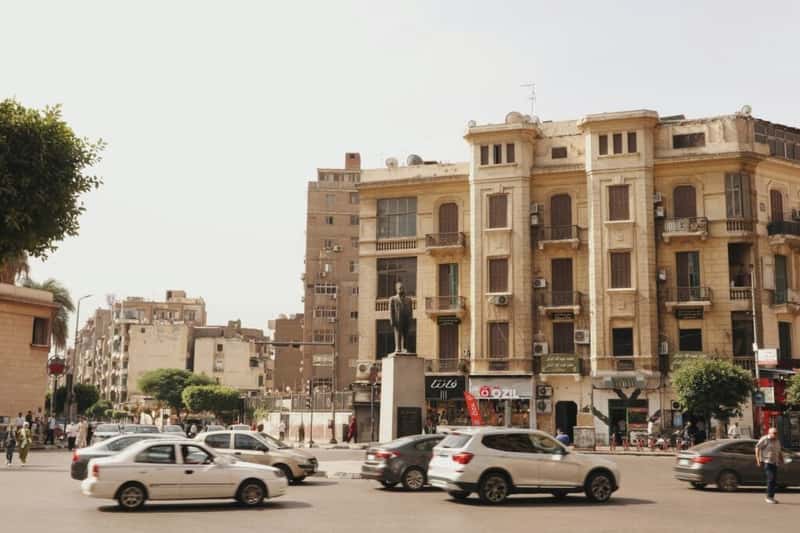
If you get in a taxi to your hotel, ey may tell you that they don’t know where your hotel is. They may also tell you that your hotel has had to close because of a leak, a fire, or because it’s a brothel(!). The creativity of these excuses would be impressive if it weren’t so frustrating for tired travelers.
This scam works because it preys on your uncertainty and fatigue. You’re in an unfamiliar city, possibly jet-lagged, and suddenly your carefully planned accommodation is supposedly unavailable. They’ll ‘helpfully’ offer to find you an alternative, which inevitably costs more and likely earns them a commission from the recommended establishment.
There isn’t a high turnover of businesses in Cairo, which makes these claims even more suspicious. Your hotel that you booked online just hours before didn’t suddenly become a brothel or burn down in a mysterious fire. Yet in the moment, when you’re vulnerable and unsure, these lies can seem plausible enough to work.
These four scams represent just the tip of the iceberg when it comes to Cairo’s taxi troubles. The key to avoiding them lies in preparation, confidence, and knowing that legitimate alternatives exist. Another common scam in Egypt is that they’ll tell you that there’s no public transport from Cairo Airport. But public buses regularly serve routes from Cairo Airport to central locations like Tahrir Square. Armed with this knowledge, you can explore Cairo’s incredible attractions without falling victim to these persistent schemes. What tricks have you encountered while traveling in bustling cities?