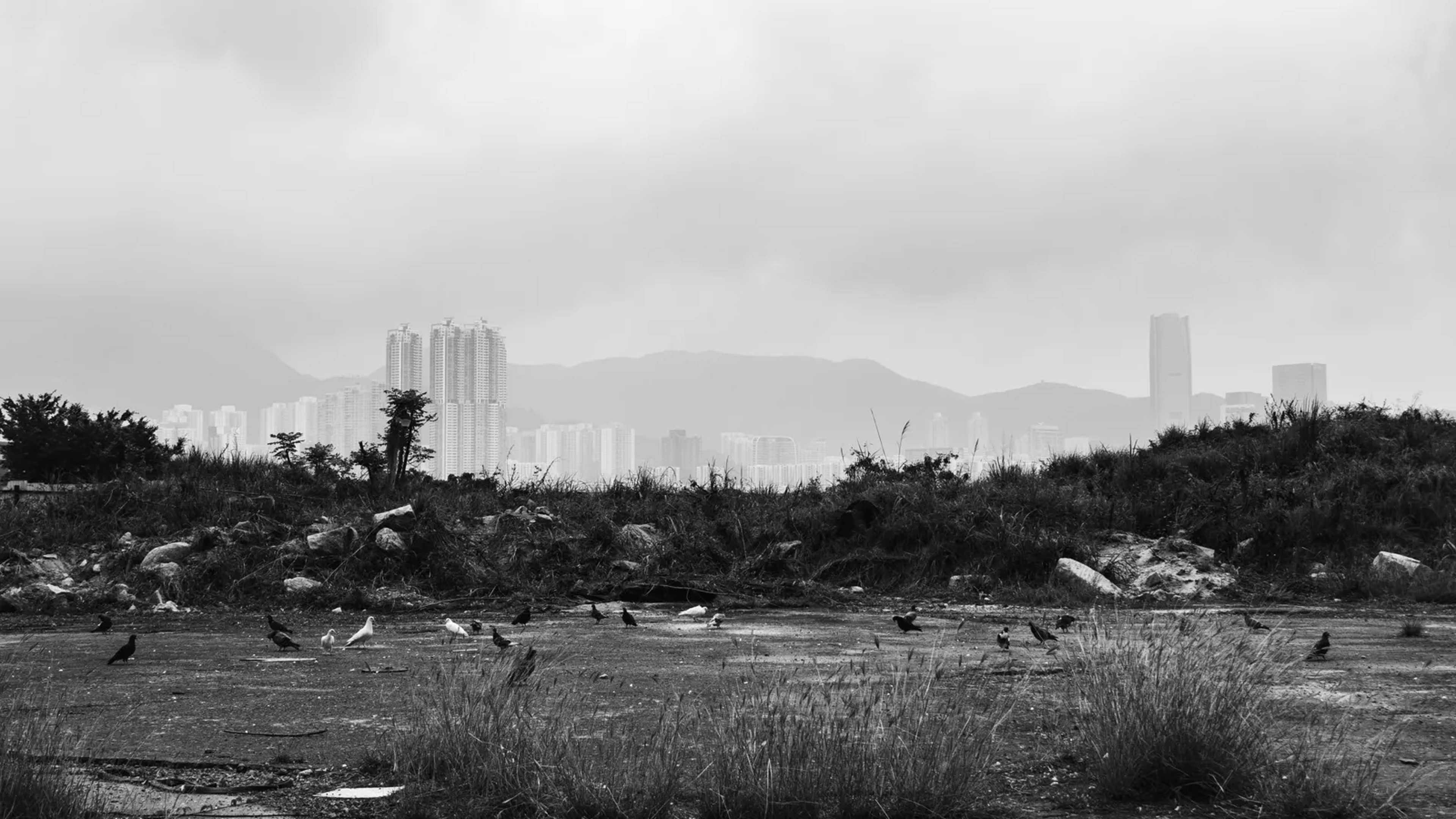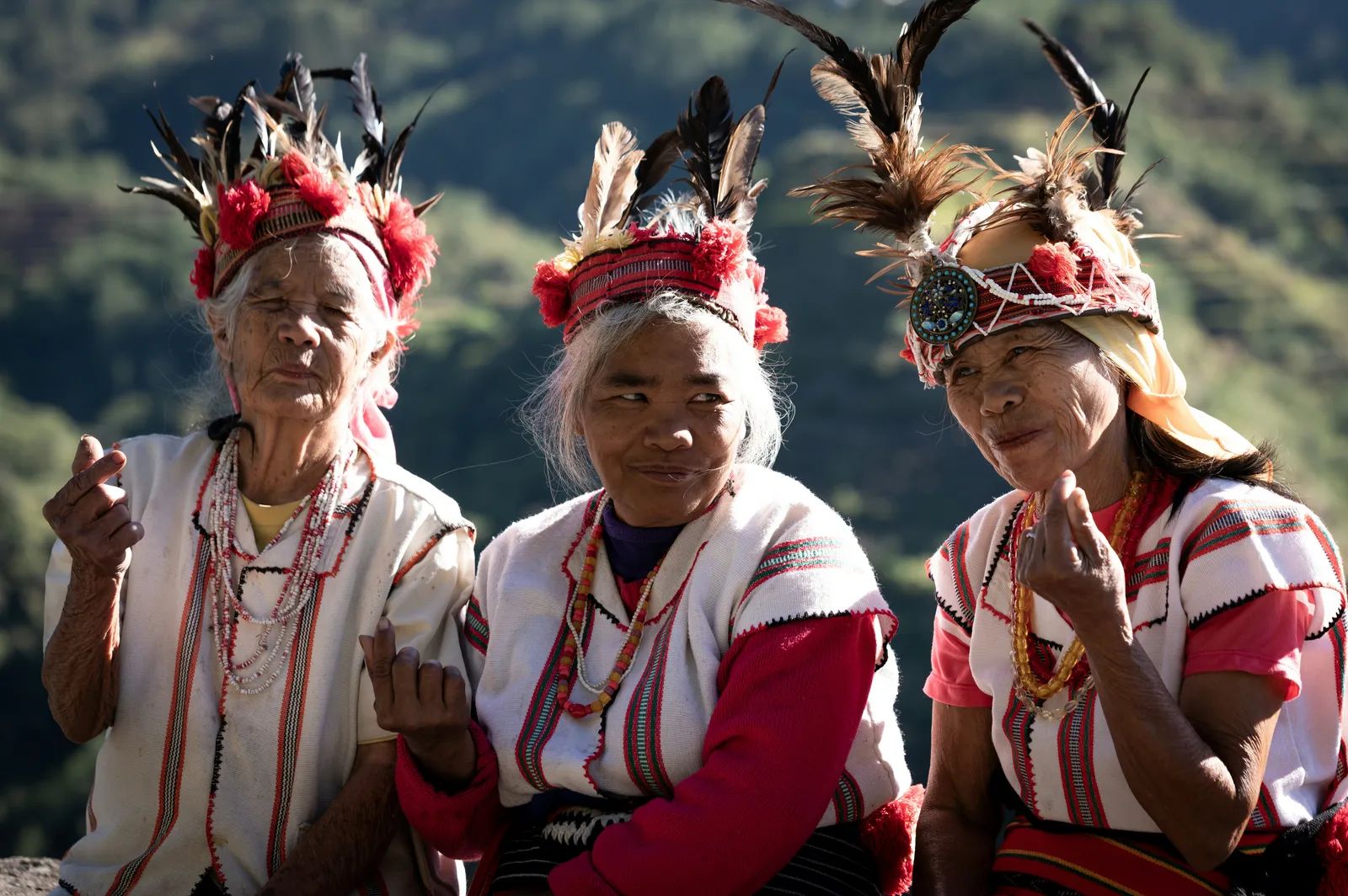
Southern Taiwan – Tengjhih once stood as a remote high-mountain hamlet where Bunun families farmed tea and coffee on steep slopes. Today wild grass covers the wooden houses, and the only road that connected the village to the lowlands remains closed. Roughly 150 residents were permanently moved out after Typhoon Morakot destroyed access in 2009, and later storms have kept the route blocked. ([1])
A Timeline of Repeated Losses
Typhoon Morakot in 2009 triggered floods and landslides that killed 755 people across Taiwan and cut off Tengjhih for good. Authorities later declared much of the surrounding land unsafe, with a large share of those areas falling inside Indigenous territories. Reconstruction attempts in 2012, 2021 and 2023 each failed when heavy rains triggered new slides. A typhoon in 2025 damaged another section of the mountain road. The Tengjhih National Forest Recreation Area has stayed closed indefinitely, removing the main source of local income from ecotourism and farming. – 2009: Morakot severs the only road; permanent resettlement begins.
– 2012–2023: Three separate rebuilding efforts halted by landslides.
– 2025: Additional storm damage blocks further progress.
– 2026: Farmers report total harvest losses and rely on government aid.
Economic Fallout for Relocated Families
Residents who once earned a living from tea, coffee and guiding visitors now depend on assistance programs. Bi’ Ismahasan, a 70-year-old farmer, described losing an entire year’s income whenever a major typhoon strikes. In 2026 he watched his crops fail completely, and he noted that each season brings greater hardship than the last. The closure of the recreation area eliminated seasonal work that had supported dozens of households. Without the road, even small-scale agriculture became impractical for those who stayed nearby. Many families now live in lowland settlements where job opportunities remain limited and costs are higher.
Efforts to Keep Cultural Ties Intact
Displacement has broken daily contact with ancestral land, making it harder for elders to pass on language and traditions to younger generations. Saminat Maliklan, a 55-year-old cultural guide, observed that young people who return find no village and no work waiting for them. Community members continue to organize visits and storytelling sessions when access allows. These gatherings focus on recording oral histories and demonstrating traditional practices before they fade. The goal is to maintain a living connection even though the physical settlement has been abandoned. The practical result is a community that must balance government support with the desire to keep its heritage visible. Without a reliable route back to Tengjhih, that balance grows more difficult each year.