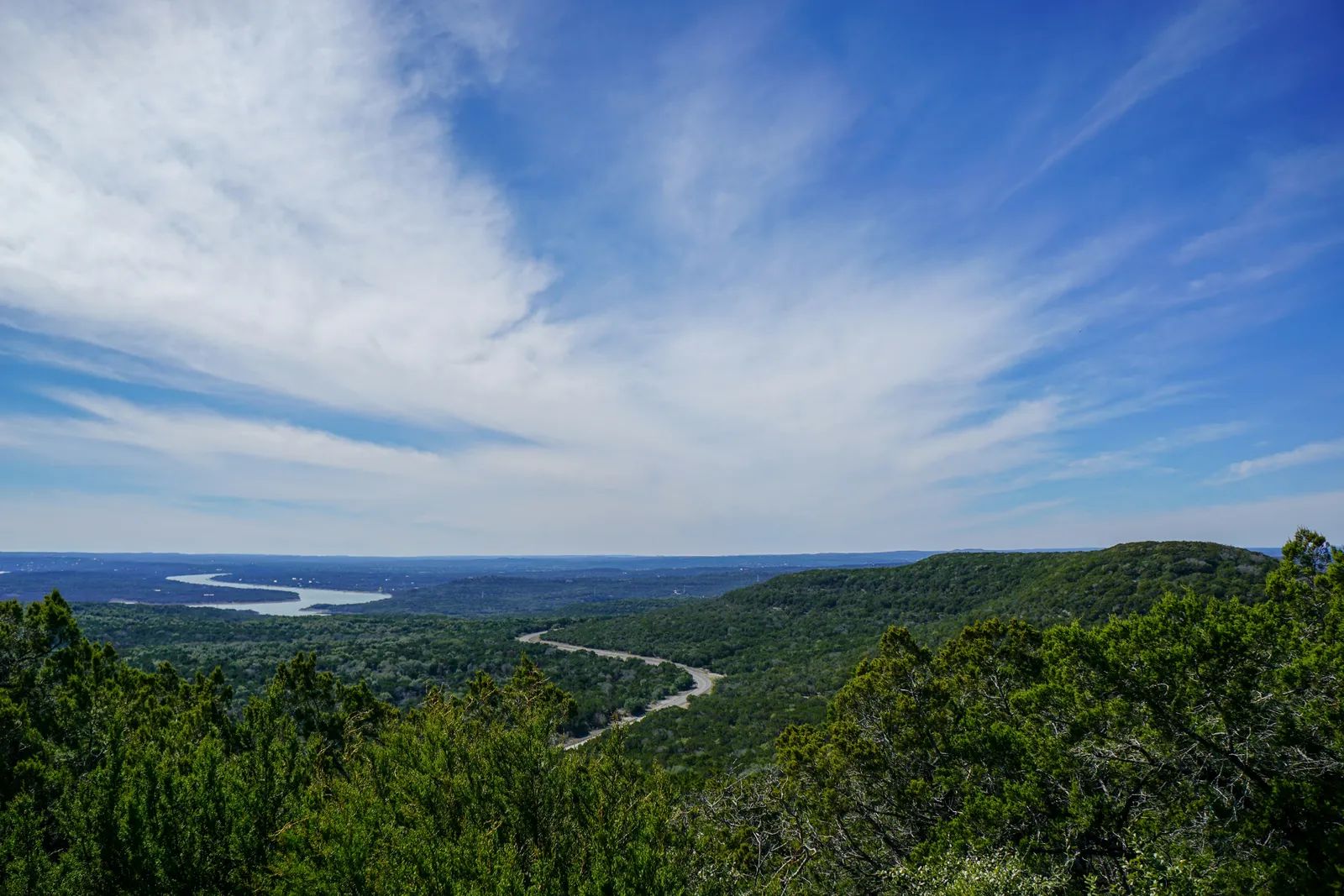
San Antonio and Austin sit at either end of a compact stretch of central Texas that rewards drivers willing to leave the interstate behind. The route threads through limestone hills, clear rivers and small towns where German heritage meets modern wineries and live music venues. Travelers who take their time discover a region that balances outdoor escapes with cultural stops in a way few other American drives can match.
Timing and Practical Planning
The Hill Country rewards a relaxed pace more than a rushed checklist. Three days allow a solid introduction, while a full week opens room for winery visits, longer hikes and evening shows. Spring brings wildflowers, fall shows changing leaves, and winter offers milder temperatures with fewer visitors. Summer heat can reach triple digits, yet the barbecue and music scenes still draw crowds on warm nights. Heavy rains sometimes hit between May and October, though the towns on this route largely avoided the worst of the 2025 floods. Two major airports serve the area, making either city an easy entry point. Many visitors base themselves in Fredericksburg or similar smaller towns for a night or two to soak in the slower rhythm before returning to urban energy.
Starting in San Antonio
The southern anchor of the trip offers a strong mix of history and riverfront energy. The San Antonio Missions National Historical Park preserves Spanish colonial sites, with Mission San Jose standing out as the largest and most restored. Downtown exploration often begins along the River Walk, where the Museum Reach section provides the most appealing stretch of greenery and public art. The Alamo sits nearby, its story tied directly to the Texas Revolution. North of the core, the Pearl District has transformed an old brewery into a lively collection of shops and restaurants. Lodging options range from the historic Hotel Emma in the Pearl to resorts like the JW Marriott San Antonio Hill Country Resort & Spa that sit closer to the surrounding countryside.
Fredericksburg and Nearby Escapes
North of San Antonio, the drive passes Guadalupe River State Park, where trails lead to cool swimming spots along the river. Boerne offers a quick stop for coffee or craft beer before the road continues toward Fredericksburg. The town’s Main Street features limestone buildings that house German restaurants, shops and museums, including the National Museum of the Pacific War. A short detour reaches Luckenbach, a tiny venue that has hosted country, bluegrass and folk acts for decades. Day trips from Fredericksburg reach Enchanted Rock for granite dome hikes and Inks Lake State Park for swimming amid pink outcroppings. Wineries along the way provide tastings, while Old Tunnel State Park offers a chance to watch millions of bats emerge at dusk in season.
Reaching Austin and Closing the Loop
The eastward leg along U.S. Highway 290 passes dozens of wineries and the Lyndon B. Johnson National Historical Park sites. Dripping Springs and Wimberley provide relaxed stops with cafes and boutiques before the route reaches Lake Travis for boating or riverside views. Austin itself centers on neighborhoods filled with music venues, restaurants and trails along Lady Bird Lake. Barton Springs Pool offers a constant 70-degree swim even on hot days. The return south can follow back roads through Gruene, home to the state’s oldest dance hall, and New Braunfels before rejoining the interstate near San Antonio. The full loop highlights how the Hill Country blends natural beauty with distinctive local culture in a single, drivable stretch.