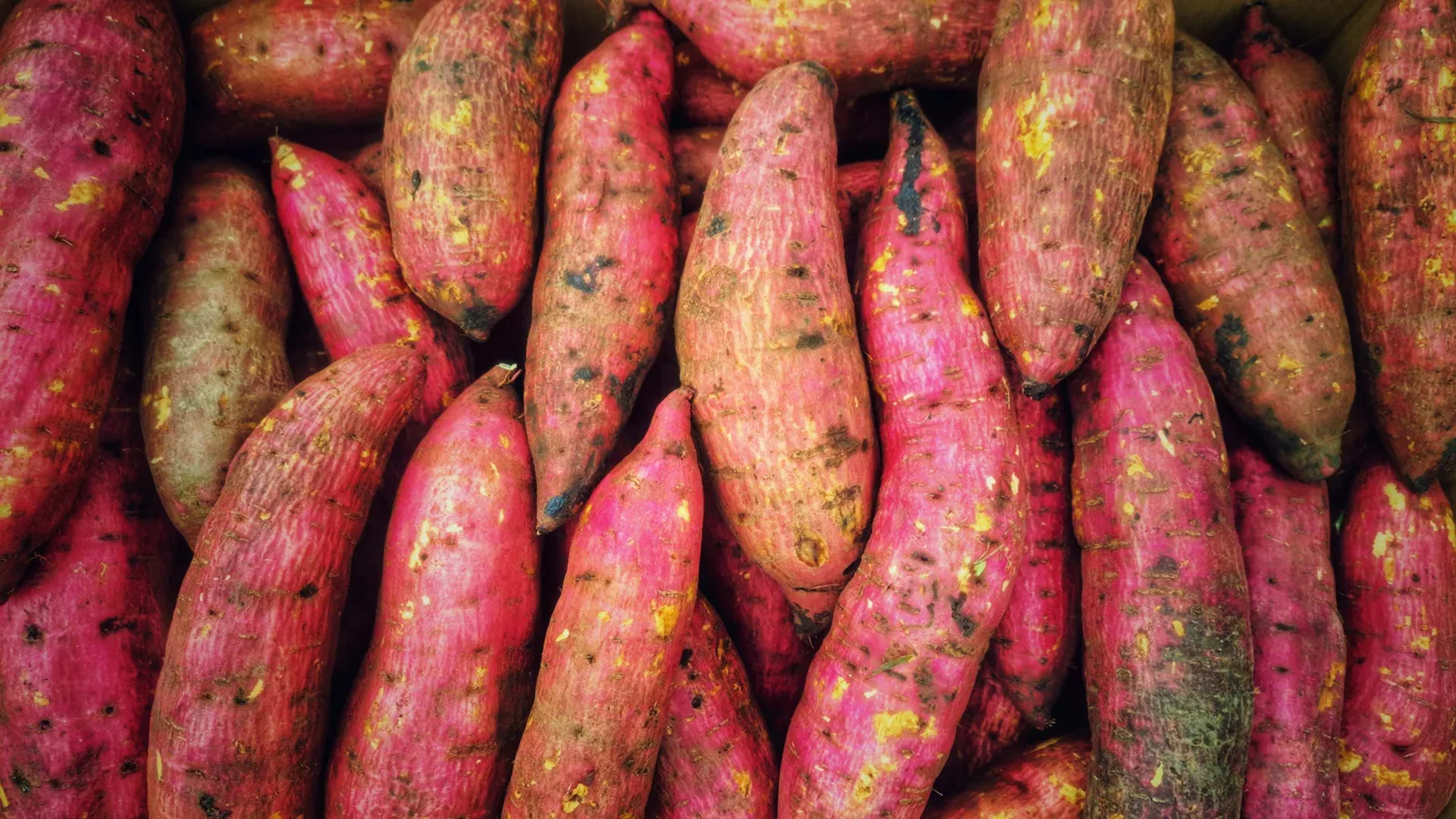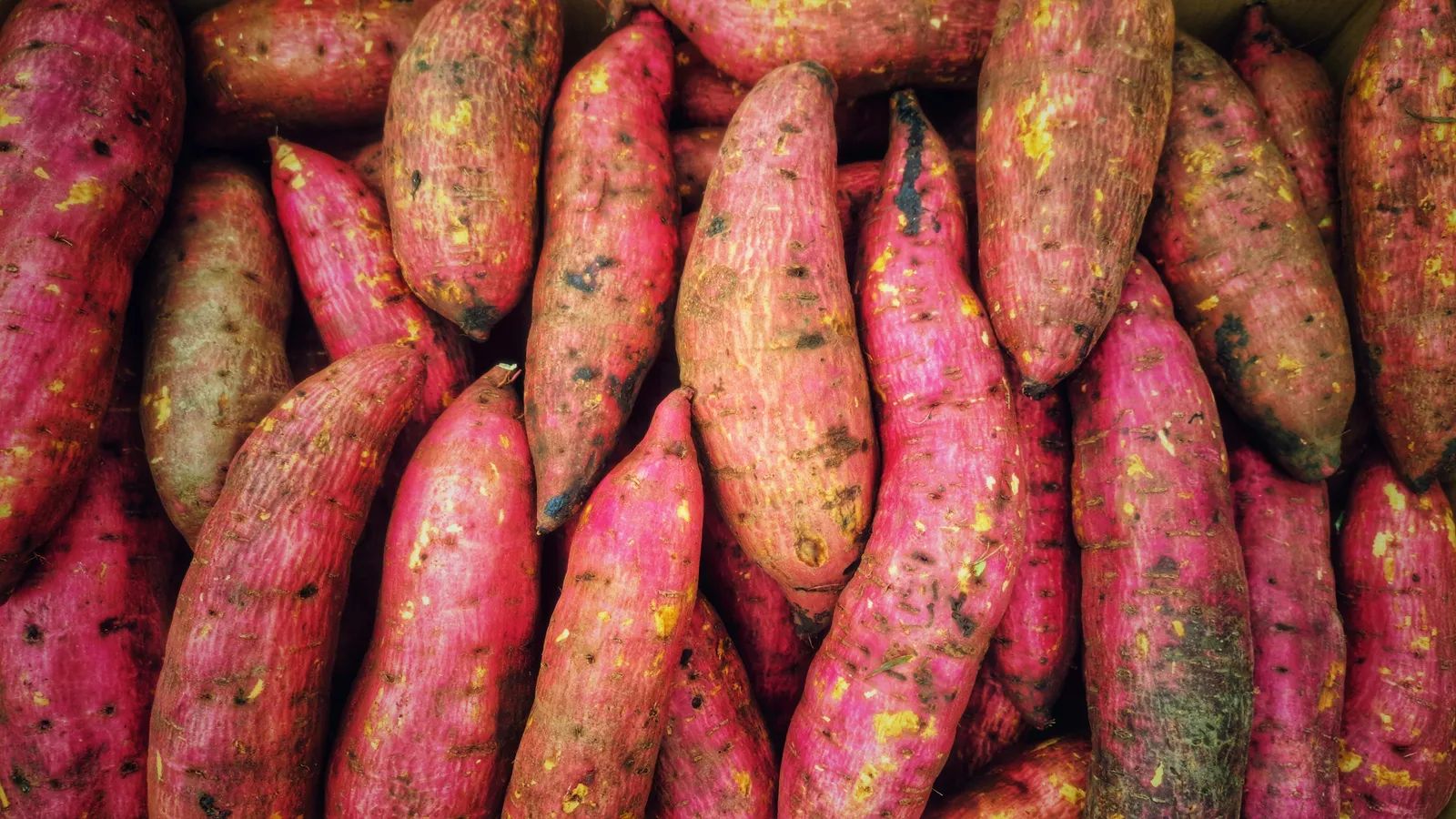
With Thanksgiving approaching, many home cooks look for ways to ease the workload in the final days before the feast. Freezing cooked sweet potatoes offers one practical solution, allowing families to prepare a key side dish well in advance. University extension services provide clear, tested guidance on the process, emphasizing safety and quality. This approach draws from established recommendations that help preserve flavor and texture for later use. ([1])
Why This Matters for Holiday Planning
Thanksgiving gatherings often involve multiple dishes prepared under time pressure. Preparing sweet potatoes ahead reduces last-minute kitchen demands and supports smoother hosting. Extension services from several states outline methods that keep the vegetable suitable for casseroles, mashed servings, or other preparations. The timing aligns well with seasonal availability, when fresh sweet potatoes are widely stocked.
Proper handling before freezing also minimizes waste. Cooked sweet potatoes maintain better quality when processed correctly rather than left raw. This step-by-step approach comes directly from cooperative extension resources focused on food preservation.
Step-by-Step Freezing Process
Begin with firm, unblemished sweet potatoes that have been properly cured. Wash them thoroughly, then cook until fork-tender or nearly tender using boiling, steaming, baking, or pressure cooking. Prompt cooling follows immediately after cooking to limit bacterial growth. Place the hot potatoes in shallow containers set over ice water if needed, and avoid leaving them at room temperature for extended periods.
Once cooled, peel the sweet potatoes and cut them into halves, slices, or mash them as preferred. An optional step involves a brief dip in a lemon juice solution to help retain color, though some guides note this treatment is not required. Pack the prepared pieces into freezer-safe containers or bags, leaving roughly a half inch of headspace to allow for expansion during freezing. Seal tightly, label with the date, and store at 0°F or below.
Storage Duration and Quality Expectations
Recommended storage times vary by source but generally fall within several months for best results. One university extension suggests using the frozen sweet potatoes within 10 to 12 months. Other guidance points to shorter windows of three to four months for optimal flavor and moisture retention. Frozen items remain safe beyond these periods, yet quality can decline over time.
Labeling each package helps track freshness. Using the potatoes sooner rather than later supports the best texture when they reach the table. Continuous storage at the proper temperature remains essential throughout.
Thawing and Reheating Guidelines
Safe thawing options include the refrigerator, cold water in a sealed bag with periodic water changes, or the microwave. Food thawed by the latter two methods should move directly to cooking or reheating. Reheat to an internal temperature of 165°F, measured with a food thermometer, for safety.
Some methods allow reheating straight from frozen without prior thawing. Never thaw sweet potatoes on the counter at room temperature. These practices align with broader food safety recommendations from federal and university sources.
Additional Notes on Raw Freezing and Variations
Extension guidance reviewed does not support freezing raw sweet potatoes. Whole, uncooked roots store best at cool room temperatures rather than in the refrigerator, which can affect flavor and texture. Cooked preparations, including mashed versions or simple baked potatoes, follow the same core steps of cooking, cooling, and packing.
Casseroles made with sweet potatoes can also be frozen after cooling, with similar attention to headspace and temperature. Refreezing thawed portions is possible under certain conditions, though repeated cycles may reduce quality. Following these established methods helps ensure reliable results for holiday meals.