English may have been born in England, but these days its sharpest speakers are just as likely to come from Amsterdam, Zagreb, or Vienna. Every year, EF Education First publishes its English Proficiency Index, the largest publicly available study of adult English skills, drawing on millions of test results from people who learned the language in classrooms rather than cribs. The 2025 edition, released in November 2025, shook things up considerably after Singapore was removed from the rankings for good.
That change opened the door for a wave of European nations to claim the spotlight, and the reshuffling that followed tells us a lot about how English is taught, absorbed, and used across the continent. Here is how the ten strongest non-native English-speaking countries in the world stack up right now, based on the latest EF EPI data.
1. The Netherlands
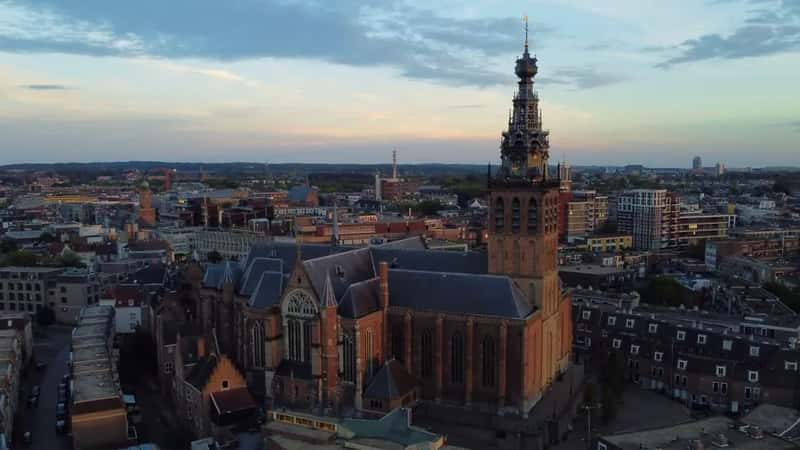
The Netherlands has topped the EF EPI rankings for years, and the 2025 edition confirms it once again as the world’s number one non-native English speaking nation, topping the rankings once again as the world’s number one non-native English speaking nation, scoring 624 points and placing it first among 123 countries and regions with a proficiency level classified as very high. That score sits comfortably inside the “Very High” proficiency band, a tier reserved for countries where English functions almost like a second national language rather than a foreign subject.
Part of the explanation lies in structural choices rather than luck. The country’s small population and export-driven economy have long pushed Dutch schools to prioritize English from an early age, and it shows in everything from television subtitling to university lecture halls, with Dutch universities leaning so heavily into English instruction that entire degree programs are now taught almost exclusively in the language. Combine that with a domestic language market too small to sustain heavy dubbing, and you get a population that hears authentic English dialogue from childhood onward.
2. Croatia
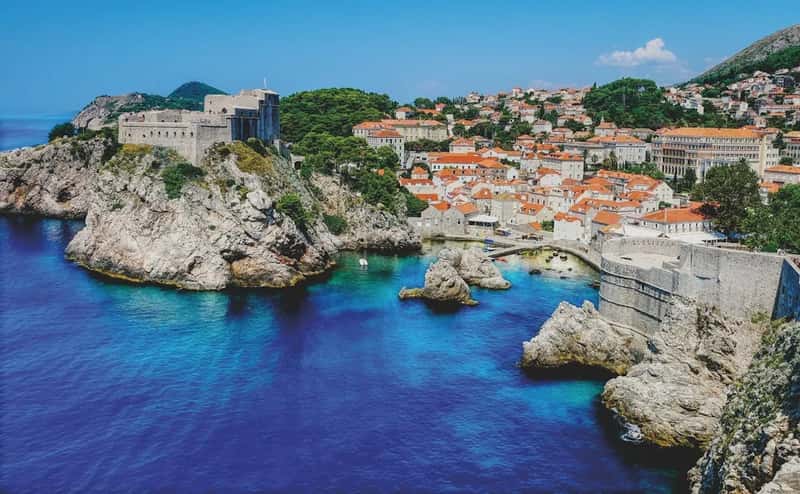
Croatia is the biggest surprise of this year’s rankings, and by a wide margin. Croatia achieved its best-ever result in the newly released EF English Proficiency Index 2025, rising from 11th place to 2nd and establishing itself as one of the strongest non-native English-speaking countries in the world. A jump of that size in a single edition is almost unheard of among the countries EF tracks year after year.
Media habits appear to be doing a lot of the heavy lifting here. Part of the explanation lies in how Croatians consume media, since foreign films and television programs in Croatia are broadcast almost exclusively with subtitles rather than dubbing, except for children’s content. Layer on top of that a tourism-heavy economy along the Adriatic coast where locals interact with English-speaking visitors on a daily basis, and Croatia’s rapid rise starts to look less like a fluke and more like the product of constant, low-key exposure.
3. Austria
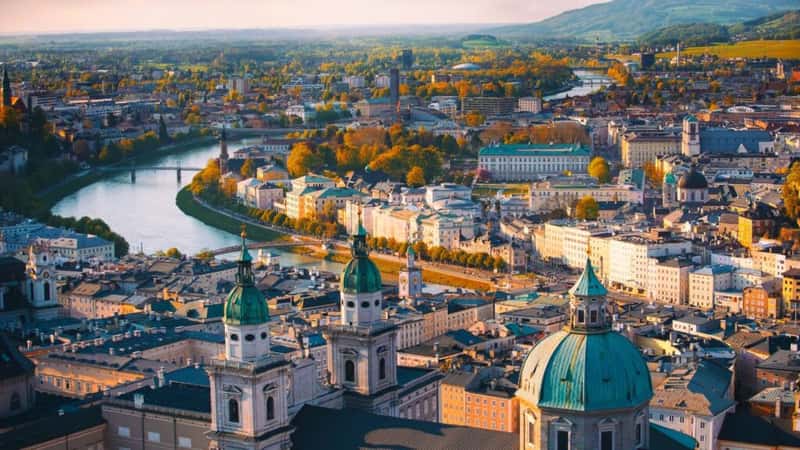
Austria has long been one of Europe’s most consistent performers, and 2025 kept that streak alive. Austria has long been one of Europe’s steadiest performers on the EF EPI, and this year was no different, finishing third globally with a score of 616, keeping it firmly among the world’s most proficient non-native English-speaking nations. That places the country solidly ahead of many nations where English carries official status on paper but lags behind in daily practice.
Austria’s climb into the top three represented a genuine improvement rather than simple stability. Austria climbed into third place in the 2025 edition with a score of 616, marking a notable jump from previous years. A schooling system that introduces English early, paired with close cultural and economic ties to Germany and the wider European Union, keeps the language embedded in everyday professional life across the country.
4. Germany
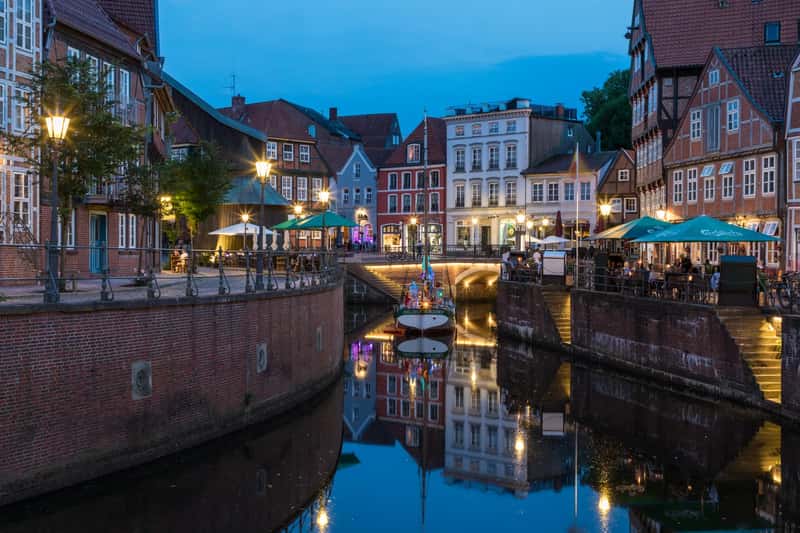
Germany posted one of the more eye-catching gains of the entire 2025 index. Germany climbed to #4 with one of the biggest gains in Europe. With a final score of 615, the country now sits just behind Austria and well inside the “Very High” proficiency band that only a handful of nations reach each year.
Germany’s improvement fits a broader pattern seen across the continent, where economically integrated nations tend to push English proficiency hard through both schooling and workplace demand. Germany, Norway, and Portugal also rank high in English proficiency, surpassing countries with English as an official language like the Philippines and Nigeria. That comparison matters because it shows fluency depends far more on how a language is taught and used than on whether it holds official status.
5. Norway
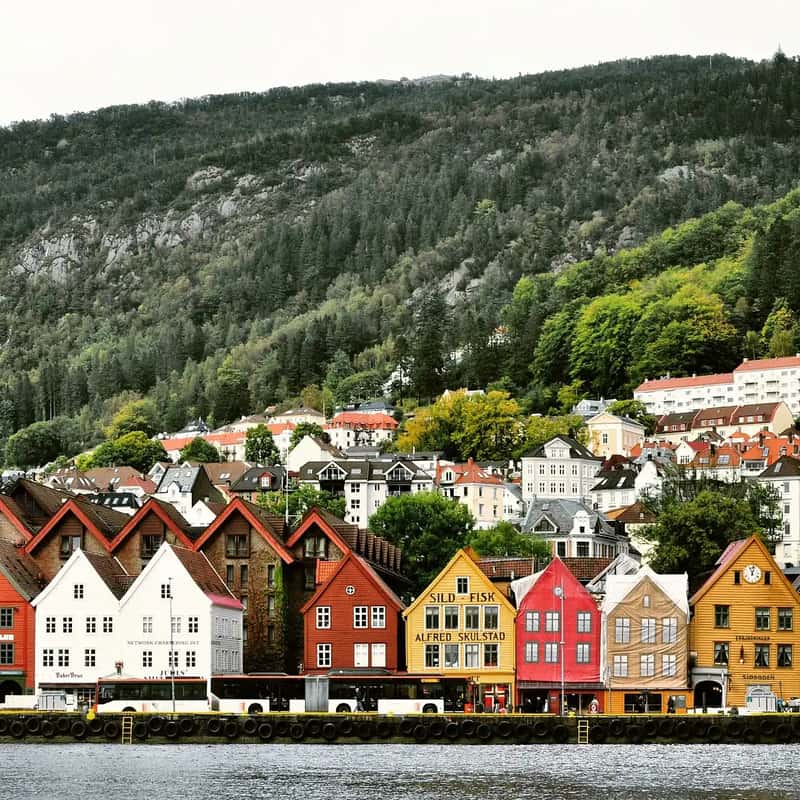
Norway continues to sit comfortably near the very top of the global rankings. Norway consistently ranks among the world’s most fluent English-speaking nations, landing in fifth place with a score of 613 in the latest index. That places Norway just behind Germany and ahead of several countries with far larger economies and populations.
Analysts point to viewing habits as a major driver of this result. Analysts often credit this to viewing habits, since Norway and Sweden, where dubbing is not developed, and residents of these countries watch most TV series and films in the original language, giving Norwegians constant passive exposure to spoken English from a young age, while Norwegian schools also begin English instruction early and maintain it throughout the education system. A workforce closely tied to international shipping and energy sectors adds even more pressure to keep English skills sharp well into adulthood.
6. Portugal

Portugal has quietly built one of Europe’s strongest English-speaking populations without attracting quite the same attention as its Nordic neighbors. Portugal has quietly become one of Europe’s strongest English-speaking nations outside the native-speaker world, ranking sixth globally with a score of 612, placing it well above the “High” proficiency threshold. That result puts Portugal ahead of several countries where English is spoken as a first or official language.
A growing international tourism sector and expanding remote-work economy have both played a role in pushing English further into daily Portuguese life. Younger Portuguese generations in particular tend to encounter English constantly through streaming platforms, gaming communities, and university programs taught partly or fully in English. That everyday exposure, layered on top of formal classroom instruction, helps explain why Portugal now ranks among Europe’s elite tier rather than trailing behind it.
7. Denmark
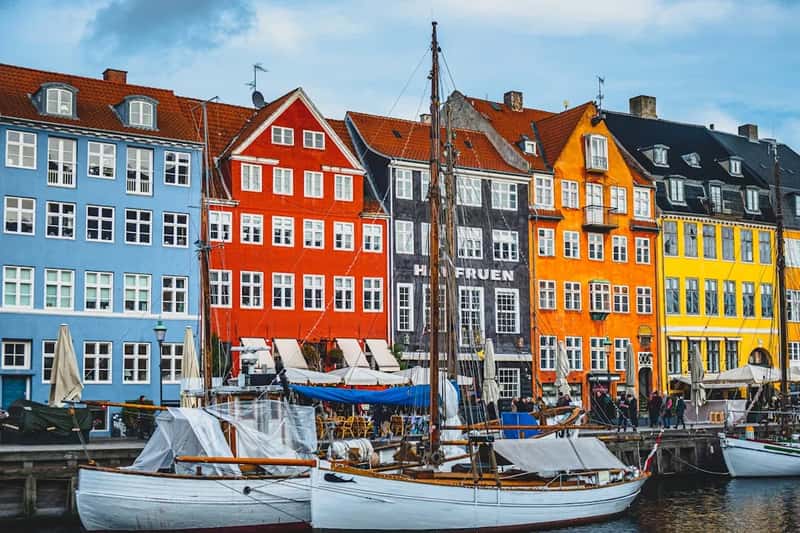
Denmark rounds out the upper tier of the 2025 rankings with a score that keeps it firmly among the world’s best. Denmark rounds out the upper tier of the rankings with a score of 611, keeping it firmly within the “Very High” proficiency band alongside its Nordic neighbors, and Danish speakers are frequently cited as some of the most naturally fluent non-native English speakers in the world, a reputation built over decades of early and consistent language education. That reputation is not new, since Denmark has hovered near the top of global English rankings for well over a decade.
Denmark’s edge over its Nordic neighbors, while narrow, has held steady in recent editions. Denmark leads the Nordic region, edging out Sweden and Norway by a fraction of a point in the 2025 index, and while differences between Nordic countries are small, Denmark’s consistent edge places it at the top this year. Early English instruction combined with minimal dubbing of foreign media continues to give Danish students an early and lasting advantage.
8. Sweden
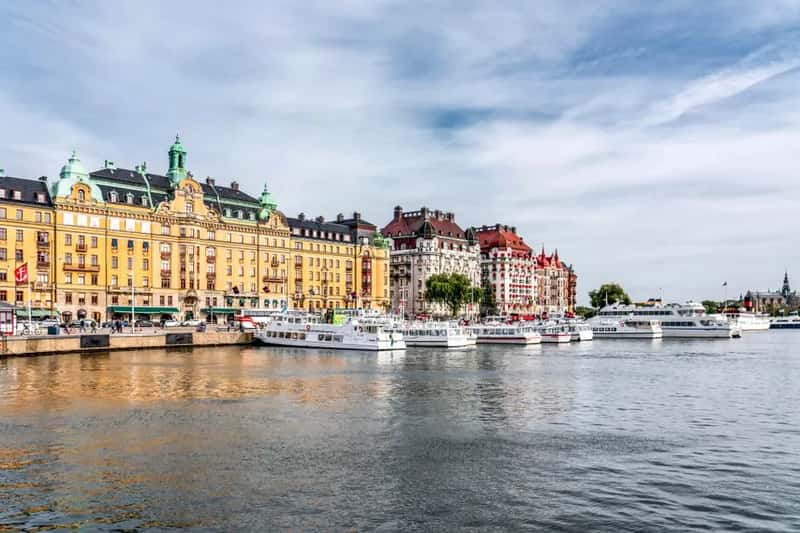
Sweden has long been one of the most dependable names near the top of the EF EPI, and 2025 was no exception. The country scored 609 points, placing it comfortably within the “Very High” proficiency band and just behind Denmark and Norway among its Nordic peers. Sweden’s ranking has shifted only slightly from year to year, a sign of just how deeply embedded English has become in Swedish education and media consumption.
As with Norway and Denmark, Sweden benefits from a media landscape that favors subtitling over dubbing, exposing viewers of all ages to spoken English on a near-constant basis. Swedish schools also introduce English instruction early and continue it consistently through secondary education, reinforcing what students already pick up from television, film, and online content. The result is a population that treats English less as a foreign subject and more as a practical second language woven into daily life.
9. Belgium
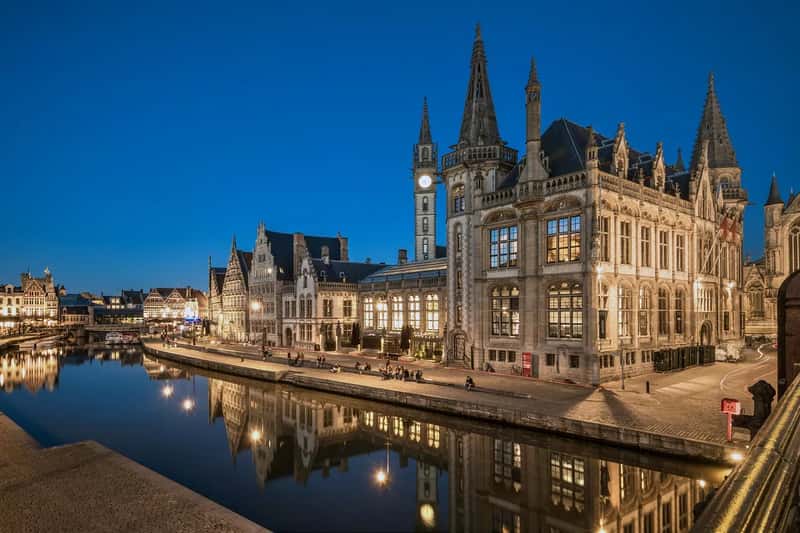
Belgium enters the top ten with a score of 608, keeping it solidly within the “Very High” proficiency band alongside its Western European neighbors. Belgium | 608 | Very high proficiency reflects a country where multilingualism is already a fact of daily life, given that Dutch, French, and German all hold official status within its borders.
That built-in multilingual culture appears to give Belgian students an advantage when it comes to picking up a fourth language. Schools across the country introduce English early, often alongside instruction in a student’s second national language, creating a learning environment where switching between languages feels routine rather than exceptional. Belgium’s steady position near the top of the rankings suggests this approach continues to pay off well into adulthood.
10. Slovakia
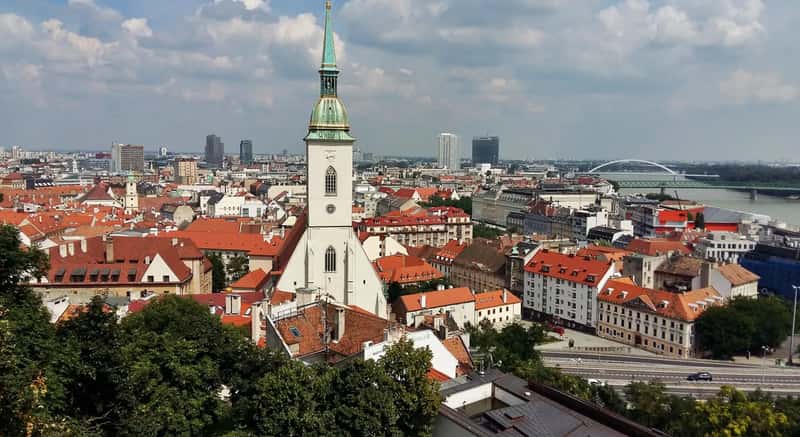
Slovakia closes out the top ten with a score of 606, a result that places it ahead of many larger and wealthier European economies. Slovakia | 606 | Very high proficiency confirms the country’s place among the global elite for adult English skills, a notable achievement for a nation of just over five million people.
Slovakia’s rise reflects a broader trend among Central and Eastern European countries, where investment in English-language education has accelerated sharply over the past decade. Integration with European Union institutions and a growing tech and outsourcing sector have both increased demand for strong English skills in the Slovak workforce. That economic pressure, paired with consistent classroom instruction, has helped push Slovakia firmly into the “Very High” proficiency band alongside countries with far larger education budgets.
Taken together, these ten rankings tell a clear story: English fluency has very little to do with geography or native tongue, and almost everything to do with policy choices, media habits, and how early a country starts teaching the language. Small nations with limited domestic media markets, heavy subtitling traditions, and export-driven economies keep producing the world’s strongest non-native English speakers, year after year. As the 2025 index shows, that pattern is not slowing down, it is only getting sharper.