Step off a plane in Lisbon, Bangkok, or Copenhagen, and it usually takes less than a day before an American traveler notices something feels slightly off, not in a bad way, just different. Small routines that feel invisible at home suddenly become obvious once there’s no one else doing them. It’s rarely the big cultural gaps like language or currency that trip people up. It’s the tiny, automatic habits nobody thinks to question until a waiter, a shopkeeper, or a new friend abroad reacts with mild confusion.
These habits aren’t flaws or embarrassments. They’re just deeply ingrained patterns shaped by decades of American infrastructure, economics, and social norms. Once you see them listed out, though, it’s hard to unsee how distinctly American they really are.
1. Tipping on almost everything, automatically
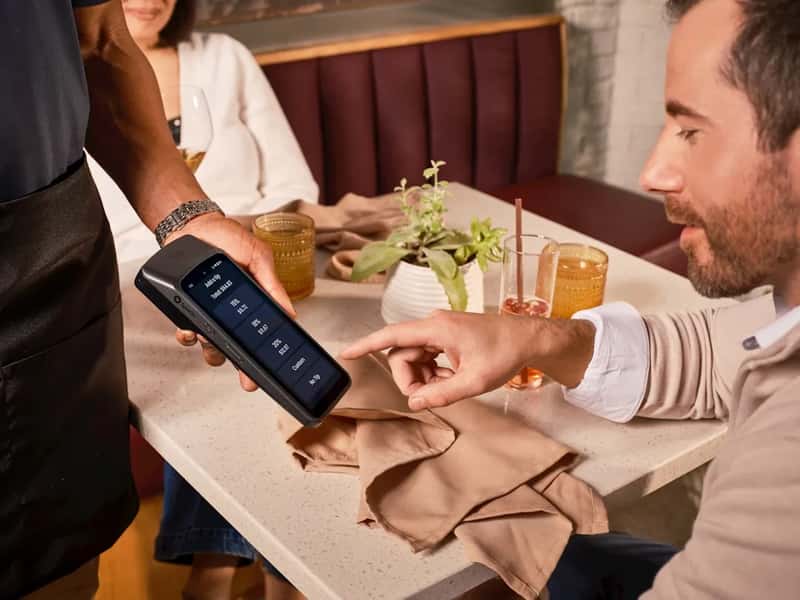
Nowhere else in the world treats tipping quite like the United States does. Tipping is deeply entrenched in U.S. culture, with Americans tipping more occupations than any other country and tending to tip larger amounts than other countries. Coffee shops, food trucks, hotel bellhops, even self checkout screens now prompt for it, something that would baffle a customer in Berlin or Tokyo.
Part of the reason runs deeper than habit. The US federal tipped minimum wage hasn’t increased in over thirty years, and in states without higher tipped minimums, servers legally earn just $2.13 an hour before tips, which is why American tipping expectations are so high and why the norms don’t apply elsewhere. In most of Western Europe, service is included in menu prices by law or custom, meaning staff are paid living wages and tipping is genuinely optional. An American who tips twenty percent out of habit in Rome or Vienna isn’t seen as generous so much as slightly puzzling.
2. Wanting ice in absolutely everything

Order a soda, an iced tea, or even plain water in much of Europe and Asia, and it often arrives at room temperature or lightly chilled at best. For Americans, that can feel like a small betrayal. Room-temperature water or chilled, rather than ice cold, beverages are the norm for Europeans, whereas ice is an ever-present staple for Americans, with 51% of Americans self-identifying as “ice-obsessed” in a 2020 survey.
The habit traces back further than most people realize. Ice gained strong traction in America when Bostonian Frederic Tudor persuaded establishments to serve drinks chilled, and by 1860 daily ice shipments were reaching cities like New York, San Francisco, and New Orleans as ice boxes became commonplace in homes. That century and a half head start explains why US hotels typically have ice machines in the corridor and grocery stores sell giant bags of ice, something that isn’t generally commonplace outside of North America. Travelers who ask for extra ice abroad often get a polite look that says, quietly, why would you want that.
3. Expecting huge portions and free refills
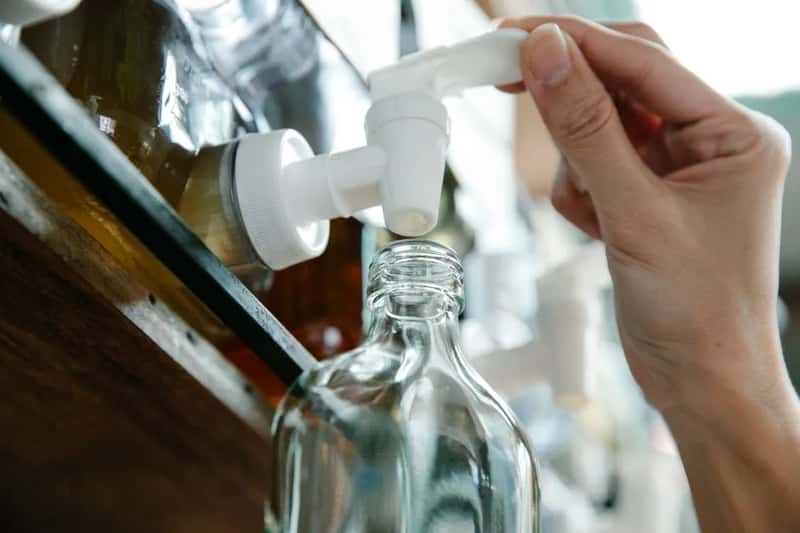
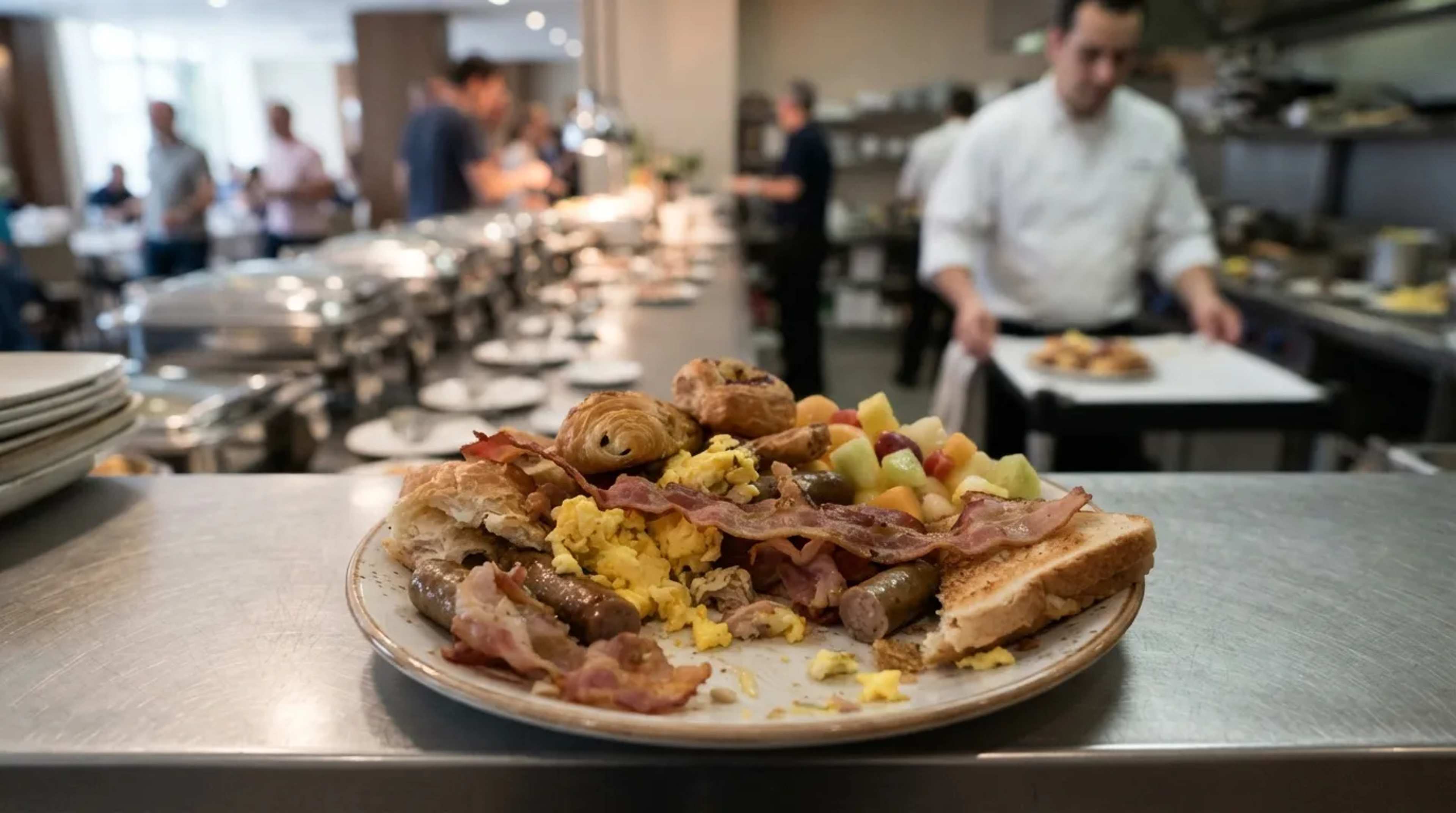
American restaurant plates are simply bigger, and this isn’t just perception. In ten out of eleven comparable restaurants studied, French portions were smaller than Philadelphia portions by an average of twenty five percent. The gap shows up in small details too, since a typical American coffee might run sixteen to twenty ounces, while a standard French café is only six to eight ounces at most.
Free refills compound the effect. Free refills are standard practice for sodas and iced teas in casual American restaurants, a concept that barely exists in most of Europe or Asia, where a second soda simply means a second charge. American diners abroad sometimes ask for a refill out of pure reflex, only to be handed a fresh bill. It isn’t rudeness on the restaurant’s part, just an entirely different assumption about what a meal price includes.
4. Living and working inside constant air conditioning
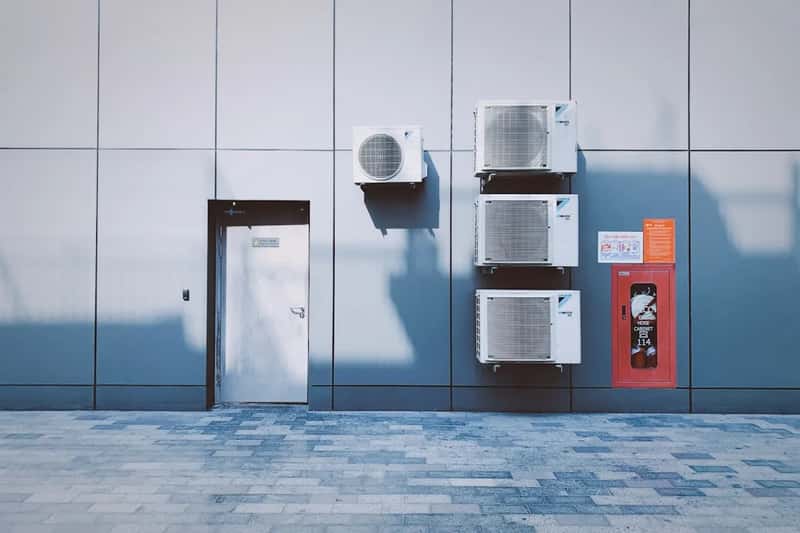
Americans tend to treat climate control as a baseline expectation rather than a luxury, and the numbers back that up clearly. According to the 2020 Residential Energy Consumption Survey, 88% of U.S. households use air conditioning, with two-thirds relying on central AC or a central heat pump as their main equipment. Compare that to Europe, where only 20% of European homes have AC, compared to 90% in the U.S.
The contrast becomes obvious the moment an American steps into a European apartment during a heat wave and finds only a fan and open shutters. Most of Europe, until the last few decades, really didn’t need air conditioning, and in southern countries many homes were built with thick walls, small windows, and shutters to keep the sun out and cool air in. It’s less about wealth and more about architecture, energy costs, and decades of different climate assumptions, though that distinction rarely comforts a sweaty traveler at 2 a.m.
5. Making instant small talk with total strangers

Chatting with a cashier, complimenting a stranger’s shoes on the subway, or striking up a conversation while waiting in line is standard behavior in most American cities. In many countries, this reads as unusually forward, even a little suspicious. Silence in an elevator or on public transit is the norm across much of Northern Europe and East Asia, where casual friendliness with strangers is generally reserved for people you actually know.
This isn’t coldness on their part, just a different social contract around personal space and public interaction. Americans traveling abroad sometimes interpret the quiet as unfriendliness, when really it’s simply a different default setting. The habit of narrating small observations out loud to strangers, something Americans barely notice themselves doing, tends to stand out almost immediately overseas.
6. Asking for tap water at restaurants without hesitation

In the US, asking a server for a glass of tap water is unremarkable and free. In much of Europe, it can prompt confusion or a gentle correction toward bottled water, since there’s a cultural divide in how some US folks and Europeans handle the tap water versus mineral water question. Restaurants in Italy, France, or Spain often expect diners to order bottled still or sparkling water as part of the meal, treating tap water as an odd, slightly cheap request rather than a courtesy.
Americans accustomed to unlimited, complimentary water sometimes feel mildly cheated when a small bottle shows up on the bill instead. It isn’t a scam, just a different baseline for what a restaurant automatically provides. Once travelers learn to ask specifically for “tap water” rather than just “water,” the confusion usually clears up fast.
7. Sticking to miles, pounds, and Fahrenheit

The United States remains one of only a handful of countries that hasn’t fully adopted the metric system, and it shows constantly abroad. Road signs in kilometers, grocery items priced by the kilogram, and weather reports in Celsius can leave American travelers doing quick, imprecise mental math for the length of an entire trip. A “warm” thirty degree day in Celsius sounds alarming until the conversion clicks into place at roughly eighty six Fahrenheit.
This habit isn’t really a choice tourists make; it’s just the only system most Americans have ever learned. Locals abroad often notice the hesitation immediately, whether it’s squinting at a supermarket scale or asking how far “ten kilometers” actually is in real terms. It’s a small reminder that infrastructure, not just personality, shapes how naturally someone moves through a foreign country.
8. Wearing gym clothes and sneakers almost everywhere

Athletic wear, baseball caps, and sneakers function as everyday American casualwear in a way that doesn’t translate cleanly overseas. Running errands, going to dinner, or even attending a semi-formal event in leggings or trainers barely raises an eyebrow across much of the US. In cities like Paris, Milan, or Seoul, that same outfit choice tends to mark someone as a tourist before they’ve said a single word.
Many European and Asian cultures maintain a sharper line between athletic clothing and everyday public dress, favoring more tailored or considered outfits even for casual outings. It’s not that comfort is frowned upon, more that the specific combination of gym shoes with regular clothes reads as distinctly American style. Locals can usually spot the pattern from a block away, long before overhearing an accent.
9. Writing dates month first and using the 12 hour clock

Writing 8/7/2026 to mean August seventh instead of the seventh of August is a habit so automatic that most Americans never question it, yet it causes regular confusion internationally. The vast majority of the world uses day, month, year formatting, meaning a form filled out the American way can accidentally list the wrong day entirely in another country’s system. Add in the American preference for a 12 hour clock with AM and PM, rather than the 24 hour format used almost everywhere else, and scheduling mix ups become a small but recurring travel hazard.
None of this is really a problem until a flight confirmation, hotel booking, or event invitation gets misread because of the format mismatch. Travelers who’ve been caught out once tend to start writing dates out in full, spelling the month by name just to avoid the ambiguity. It’s a quiet reminder that even numbers carry cultural assumptions baked into them.
10. Expecting upbeat, chatty customer service

The enthusiastic greeting, the “how’s your day going,” the genuine seeming interest from a barista or retail worker, these are staples of American service culture that don’t automatically exist elsewhere. In many European and Asian countries, service tends to be efficient and polite but far more reserved, without the performative warmth Americans often expect as a baseline. This isn’t rudeness; it simply reflects a different professional norm around what customer interactions are supposed to feel like.
American tourists sometimes misread this restraint as poor service when it’s really just a different cultural script being followed. Meanwhile, service workers abroad occasionally find the American style of constant chatter and forced positivity a little exhausting or insincere. The gap says less about quality and more about what each culture has decided friendliness in a transaction should sound like.
Final thoughts
None of these habits are inherently right or wrong, they’re just deeply local, shaped by decades of infrastructure, economics, and social expectations that rarely get examined until they’re placed next to a different set of norms. What feels invisible in Ohio or Texas can feel conspicuously American in Lisbon or Osaka, and that’s part of what makes travel genuinely useful. It doesn’t just show you a new place, it quietly reveals the shape of the place you came from.