You’ve done everything right. You arrived early, printed your boarding pass, wore slip-on shoes. Then someone three people ahead of you grinds the entire line to a halt. Sound familiar? The truth is, most security delays aren’t caused by suspicious travelers. They’re caused by ordinary, everyday items that passengers genuinely didn’t know would trigger extra scrutiny.
Some of these items are things you use every single morning. Others are souvenirs, snacks, or gadgets you tossed in at the last minute. The result is always the same: a bag pulled off the belt, an officer digging through your things, and a line that stretches back toward the departure boards. Let’s get into exactly what’s causing it.
1. Laptops and Tablets Left Inside Bags
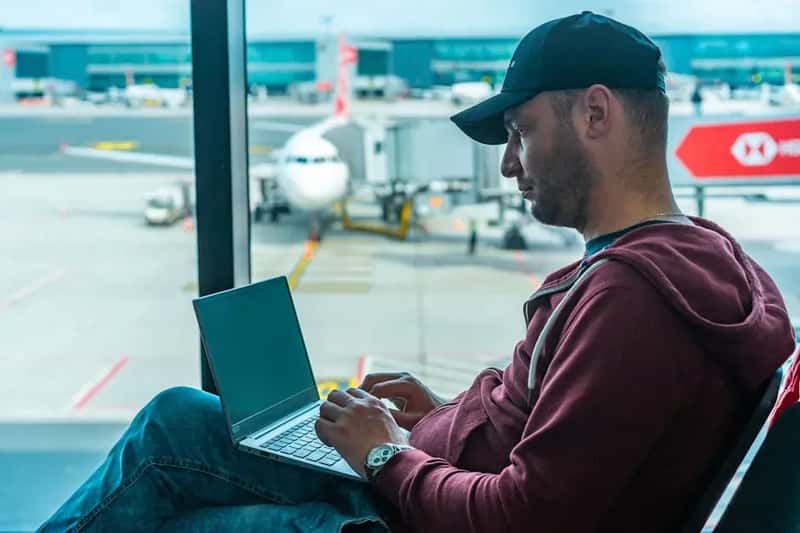
This one tops the list, and honestly, it’s still shocking how often it happens. You will be asked to remove personal electronic devices larger than a cell phone from your carry-on bag and place them into a bin with nothing placed on or under them for X-ray screening. Common examples include laptops, tablets, e-readers, and handheld game consoles.
Leaving electronics in carry-on bags is one of the most common mistakes TSA agents see. Any personal electronic device larger than a cell phone needs to come out of the bag and go into a bin on its own. When these are left in your bag, the bag gets flagged, pulled, and screened again, backing up the line for everyone behind you.
TSA screens approximately 3.3 million carry-on bags for explosives and other dangerous items daily. That volume means a single flagged bag ripples through the whole system fast. Think of it like a slow car merging onto a freeway during rush hour. One hesitation, and everything bunches up behind it.
2. Oversized Liquids and the Misunderstood 3-1-1 Rule
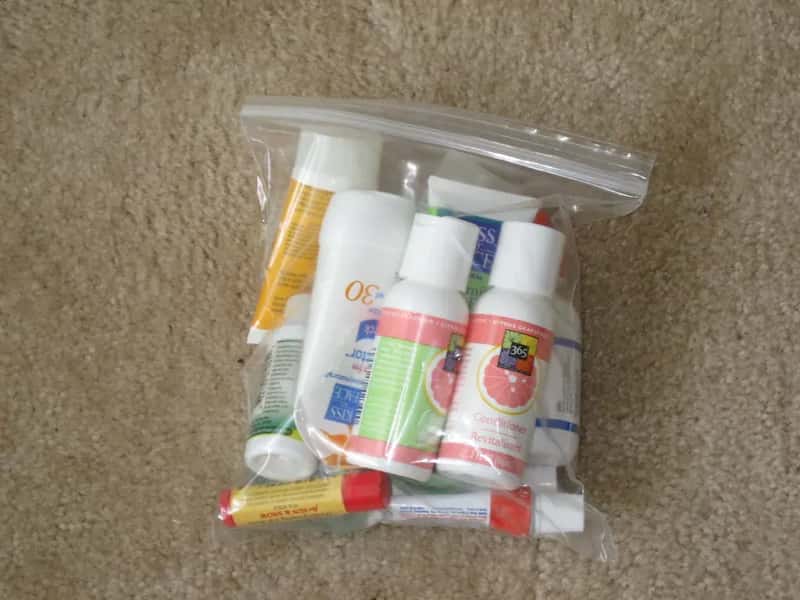
The 3-1-1 rule has been part of TSA security strategy since 2006, with the aim to limit the risk of dangerous liquids being brought on board any aircraft. Nearly two decades later, it still catches people off guard. A surprising number of passengers still don’t know exactly what it covers.
Each passenger is limited to one quart-size bag of liquids, gels, and aerosols. Common travel items that must comply include toothpaste, shampoo, conditioner, mouthwash, and lotion. A rogue 16-ounce bottle of sunscreen or shampoo slows the lanes down for everyone.
Passengers frequently encounter lengthy delays at airport security checkpoints as they navigate these liquid regulations. Such delays not only risk missed flights but also contribute to increased anxiety levels among travelers. Furthermore, if any issues arise during the inspection of liquid items, passengers may face additional screenings, complicating their travel experience even further.
3. Large Powder-Like Substances

Protein powder. Dry shampoo. Baby powder. These items look completely innocent in your bag, but to an X-ray scanner, dense powders can obscure other items underneath or around them. That ambiguity forces agents to act. TSA officers may instruct travelers to separate items from carry-on bags such as foods, powders, and any materials that can clutter bags and obstruct clear images on the X-ray machine.
TSA advises passengers to place powder-like substances over 12 oz. or 350 mL in their checked bags. Powders in carry-on baggage may require secondary screening, and powders that cannot be resolved by security officials will not be allowed onto the cabin of the aircraft. Powders can include items like cosmetics, baby powder, and protein or energy powder mixes, among others.
Here’s the thing: there’s nothing wrong with traveling with these items per se. It’s the size that matters. A small travel-sized container? No problem. A full gym bag’s worth of protein powder? Expect a delay.
4. Pocket Knives and Multi-Tools
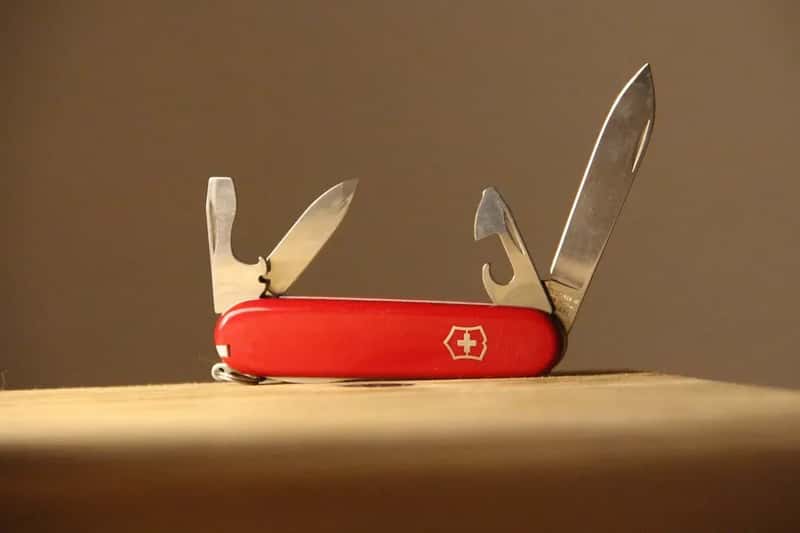
Let’s be real. Most people who show up with a knife at the checkpoint didn’t pack it with bad intentions. They simply forgot it was in their bag, tucked into a pocket from a camping trip or clipped to a keychain out of daily habit. In most cases, the excuse agents get is that the traveler simply forgot the prohibited item was in their bag.
Pocket knives and multi-tools with blades are a no-go in carry-on bags. TSA officers encounter prohibited items daily at the security checkpoint, and each discovery slows down the security screening process for all travelers. Every single one of these encounters means a bag being opened, officers examining the item, and a conversation about options.
At Williamsburg International Airport in Virginia, a pocketknife was found shoved inside someone’s shoe. The individual claimed they didn’t know the knife was there. Whether it’s true or not almost doesn’t matter. The line waited either way.
5. Firearms and Firearm-Related Items
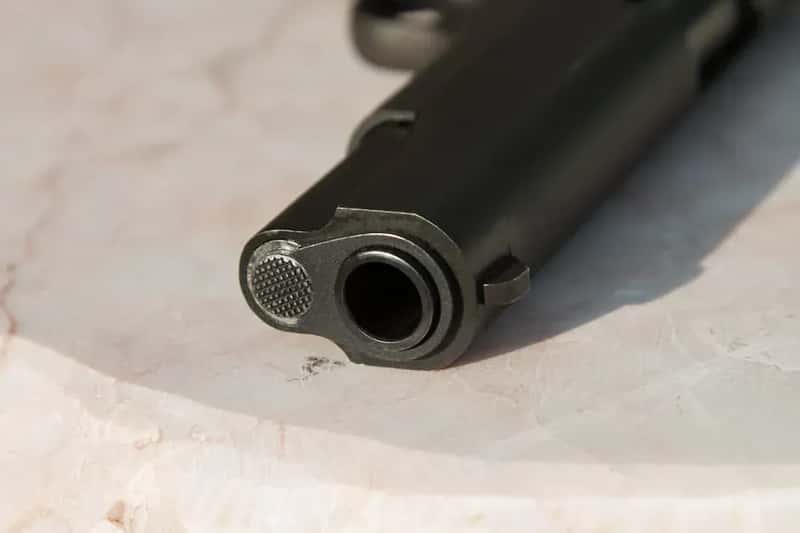
Nothing stops a security line faster than a firearm. And the numbers here are sobering. During 2024, TSA intercepted a total of 6,678 firearms at airport security checkpoints, approximately 94% of which were loaded. That is not a small number. That averages out to over 18 firearms discovered every single day, each one triggering a full checkpoint lockdown.
When a TSA officer sees the image of a firearm on the X-ray screen, TSA immediately notifies the local airport law enforcement agency, which responds to the security checkpoint. Firearms can be transported on a commercial aircraft only if they are unloaded, packed in a locked, hard-sided case, and placed in checked baggage.
The increase in new gun owners may be a contributing factor to the higher number of discoveries. One reason cited is that new firearm owners may not be as familiar with the rules as they should be. That may be understandable, but for everyone in line behind them, it means standing still for a long time.
6. Snow Globes

You bought a beautiful snow globe at a holiday market. You’re excited to bring it home. Then an officer pulls your bag, and suddenly you’re learning airport rules about liquid volume on the fly. Snow globes are one of the quirkier repeat offenders at security checkpoints, and yet they cause genuine, measurable delays every year.
Snow globes that appear to contain less than 3.4 oz of liquid and fit within a quart-sized bag may be allowed in carry-on luggage. Larger snow globes must be packed in checked baggage. The problem is that most people have no idea this rule exists. They see a souvenir, not a liquid regulation problem.
It’s a bit like peanut butter. The TSA considers it a gel, which means a full jar will get stopped just as quickly as a snow globe. If it can be spread, poured, or squeezed, expect scrutiny. The easiest move? Put the snow globe in your checked bag before you even leave the hotel.
7. A Cluttered, Overstuffed Bag
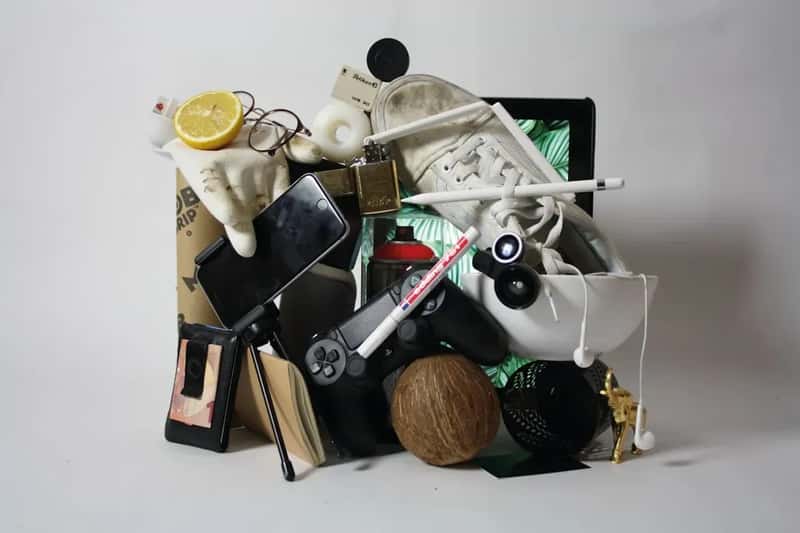
You don’t need to be carrying anything prohibited to slow things down. A messy, densely packed bag can be just as disruptive as a flagged item. When an X-ray image looks like a game of Tetris played by someone who gave up halfway through, officers have no choice but to flag it for a manual check.
It takes time for TSA officers to make sure a jam-packed, cluttered, overstuffed bag is safe, so keeping your bag organized helps ease the screening process. How and what you pack can directly impact the screening process. Think about it: a neatly layered bag allows X-ray techs to see exactly what’s inside, layer by layer.
TSA’s official travel checklist recommends starting with an empty bag, making sure all pockets and compartments don’t have any items left in them. Packing items in layers, such as shoes in one layer, clothes in one layer, and electronics in another, also helps speed up the process. It’s surprisingly simple, but most of us stuff bags without thinking about how they’ll read under an X-ray.
8. Gel Ice Packs That Have Started to Melt
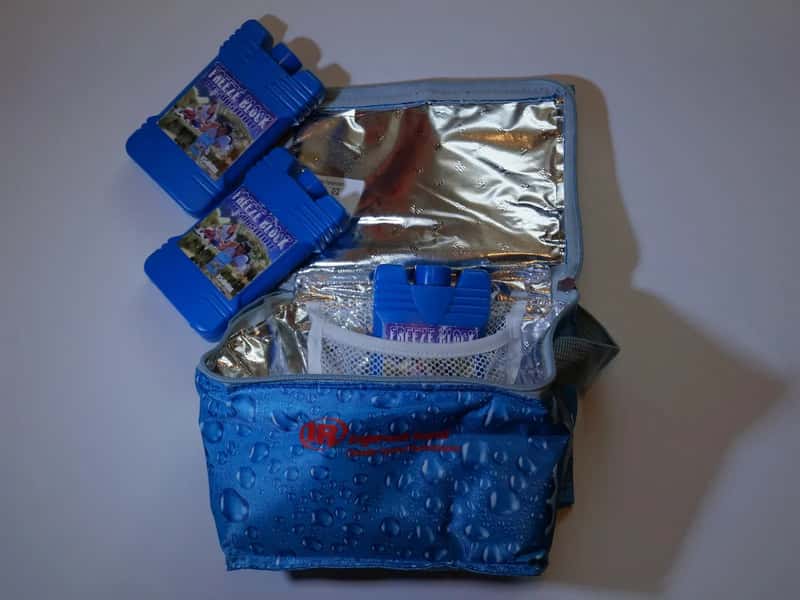
Gel ice packs are genuinely useful when traveling with food or medication that needs to stay cold. The catch is timing. What arrives at the checkpoint as a frozen, solid pack is sometimes already halfway melted by the time you’ve waited in line, and that changes everything about how it gets treated.
Frozen liquid items are allowed through the checkpoint as long as they are frozen solid when presented for screening. If frozen liquid items are partially melted, slushy, or have any liquid at the bottom of the container, they must meet 3-1-1 liquids requirements.
Medically necessary gel ice packs in reasonable quantities are allowed regardless of their physical state of matter, such as melted or slushy, with or without the presence of breast milk. So if you’re traveling with medication and a melting ice pack, declare it clearly and quickly. It saves time for you and everyone standing behind you.
9. Large Dense Food Items
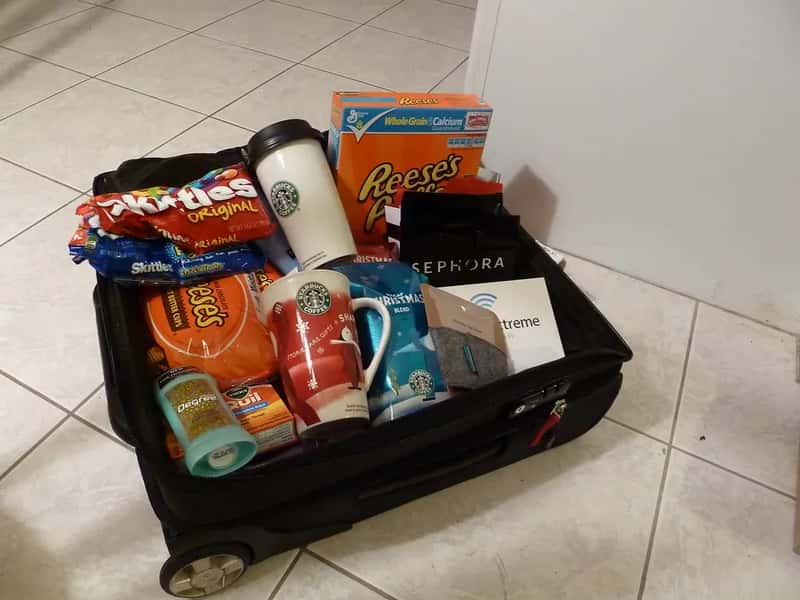
Peanut butter, hummus, creamy cheeses, cranberry sauce, nut spreads. These are the kinds of food items that feel perfectly harmless but create a genuine headache at security. The issue is how they look under an X-ray machine, where dense, gel-like consistency flags the same concerns as oversized liquids or gels in toiletry form.
The most common prohibited item that makes it into the TSA line is the everyday water bottle. According to TSA, nothing over 3.4 ounces of fluid is allowed through security. The rule of thumb is: “if you can spill it, spread it, pour it, or pump it, it’s limited to 3.4 oz.”
That rule applies to food too. The same logic that limits your shampoo applies to your homemade jam or that fancy artisan nut butter you bought at the farmers market. All food items in liquid or gel form must comply with the 3-1-1 rule. It’s one of the most surprising realizations for travelers who consider themselves seasoned fliers.
10. Improperly Declared Medications and Medical Liquids
Traveling with medication is completely allowed, and the rules are actually more generous than most people realize. Still, how you present those items at the checkpoint matters enormously. Pulling a liquid medication out at the last second after everything else has been scanned guarantees a delay for you and the people behind you.
Medication is allowed through the TSA checkpoint in your carry-on in sizes larger than 3.4 oz and beyond your 1 quart zip-top bag. When flying with liquid medication, you must declare these items to the officer at the checkpoint, remove the liquids from your carry-on bag to be scanned separately, and know that they may be subject to additional screening.
You must declare these exceptions to a TSA officer at the checkpoint, and you may be asked to test some liquids in front of security agents. Have your medications accessible, clearly labeled, and ready to separate before you reach the belt. It saves everyone time, including yourself.
11. Forgotten Items in Pockets

This might be the most human item on the entire list. Keys. A stray coin. A forgotten lip balm. A small tool you absent-mindedly slipped into a jacket pocket three days ago. These tiny, forgettable objects set off alarms and send travelers back through the body scanner, sometimes two or three times.
Not fully emptying your pockets before walking through the scanner can trigger the alarm, requiring a full physical screening by a TSA officer. That physical screening takes time, moves you to a secondary area, and means a TSA officer is occupied with you rather than keeping the lane flowing smoothly.
TSA’s official travel checklist specifically instructs passengers to ensure pockets are empty of keys, tissues, currency, wallets, and cell phones before reaching the scanner. It sounds almost too basic. It is also one of the leading causes of hold-ups at busy checkpoints. The two seconds it takes to check your pockets before the belt can save everyone ten minutes in line.
A Final Thought Before Your Next Flight
The security line is one of those rare places where your individual preparation directly affects dozens of strangers. Most delays don’t come from malice or rule-breaking. They come from habits, from forgetting, from not knowing. During the 2025 Christmas and New Year’s travel season, the TSA screened over two million passengers a day. At that volume, small delays multiply fast.
Packing light, organizing electronics and liquids so they can be quickly removed, and wearing simple footwear can shave crucial minutes in a stressed system where every additional bag check or secondary screening compounds the delay for those behind. None of this is complicated. It just requires a moment of intention before you zip up that bag.
The items on this list are not hidden dangers or rare oversights. They are everyday objects that get mishandled in everyday moments of distraction. Know them, plan around them, and next time you sail through the checkpoint while everyone else is still untangling their laptops and debating their peanut butter jar, you’ll understand exactly why. What would you have guessed was the biggest culprit?