Visa rules look settled until a government changes them. Thailand showed that in September 2026, when it cut the length of its visa free stay for tourists in half. Meanwhile, the Henley Passport Index for January 2026 showed how uneven global access has become. Singapore’s passport opens 192 destinations without a prior visa, while Afghanistan’s opens just 24.[1]
Entry rules depend on your passport, so what follows is a general picture, not a promise. The twelve countries below are places where travelers from the United States, Canada, the United Kingdom, the European Union and several other regions can usually arrive and be stamped in without applying for a visa first. Some ask for a short online form, and some have limits that are easy to miss. Check the official government site for your own nationality before you book.
Georgia: A Full Year on One Entry
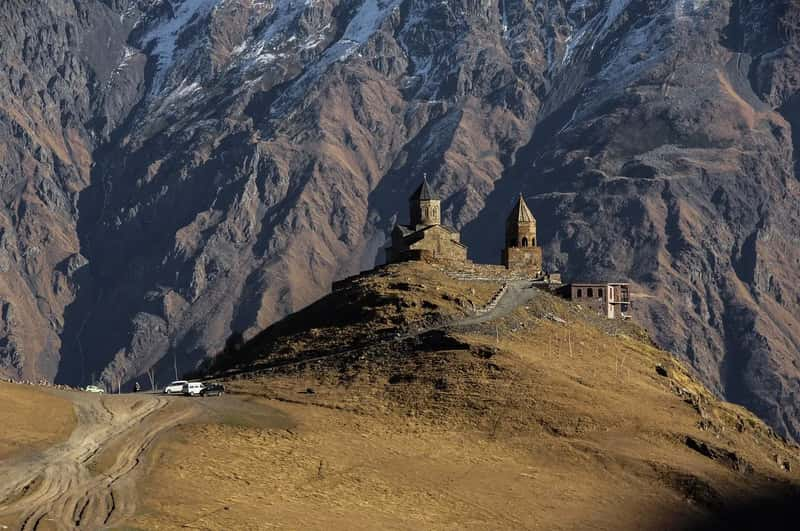
Georgia has one of the most relaxed entry systems anywhere. US citizens can stay without a visa for one full year per entry, as can UK, EU, Canadian and Australian citizens.[2] Estimates of how many nationalities qualify vary by source, but they generally land between 95 and 98.
The year runs from the day you enter, and there’s no rolling window to track. One change is worth knowing about. Since 1 January 2026, tourists must also show health and accident insurance.[2]
Albania: Easy Entry on the Adriatic

Albania isn’t in the Schengen Area, but its rules feel familiar to Europeans. EU and EEA travelers can stay 90 days in any 180, and so can UK passport holders.[3] Americans get more generous treatment, with up to one year on a passport.
The American year doesn’t renew itself. To reset the twelve months, you have to be out of Albania for 90 consecutive days.[3] A temporary measure running from 15 April 2026 until 31 December 2026[4] also lets some Gulf nationals in for tourism without a visa.
Thailand: Still Open, Just Shorter

Thailand remains visa free for tourists from many countries, but the terms changed this autumn. On September 15, 2026, it shortened its general visa free stay from 60 to 30 days and cut the number of eligible countries and territories from 93 to 60.[5] The exemption is now tourism only, so business activity or short term work needs a different visa.[6]
Many visitors can stretch their trip a little. A visa exempt stay can be extended once at a Thai immigration office by another 30 days, for about 1,900 baht in cash.[7] You’ll also need to register for the Thailand Digital Arrival Card before you land.
Japan: Ninety Days for Many Passports

Japan lets citizens of dozens of countries, including the United States, Canada, the United Kingdom, Australia and most of Europe, enter as temporary visitors for up to 90 days without a visa. The rule covers tourism, and you still need a passport that’s valid for your whole stay. Immigration officers can ask about your plans and your onward travel.
Japan’s strong standing in global rankings is about its own citizens’ travel freedom. In the 2026 Henley Passport Index, Japan and South Korea rank joint second, each with visa free access to 188 destinations.[1] Access for foreign visitors depends on a separate list of exempt nationalities.
Mexico: Show Up With a Passport
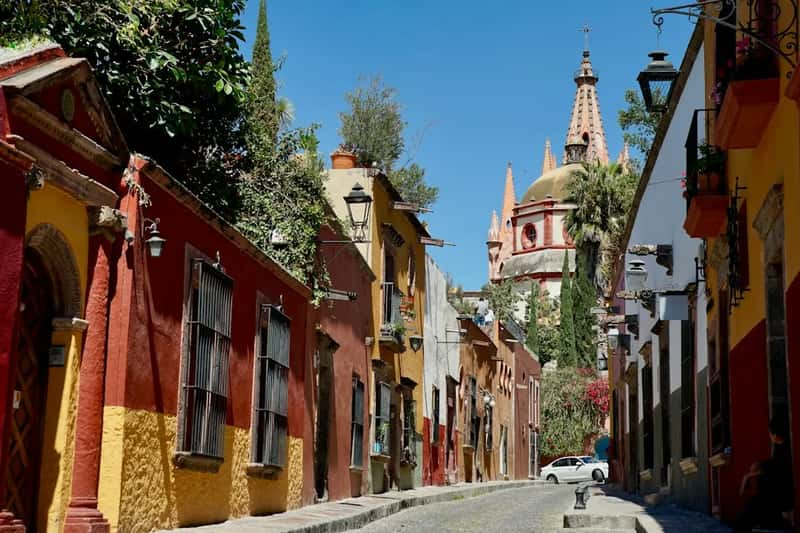
Mexico doesn’t require a visa from tourists from the United States, Canada, the United Kingdom and most of the European Union. You complete the immigration paperwork on arrival and receive an entry permit. The officer decides the length of stay, and it can run up to 180 days.
Officers often grant fewer days than the maximum, so it’s worth checking what’s recorded on your permit. Keep it safe, since you may need to present it when you leave. Overland travelers should know that the process varies by border crossing.
Argentina: Ninety Days for Many Visitors
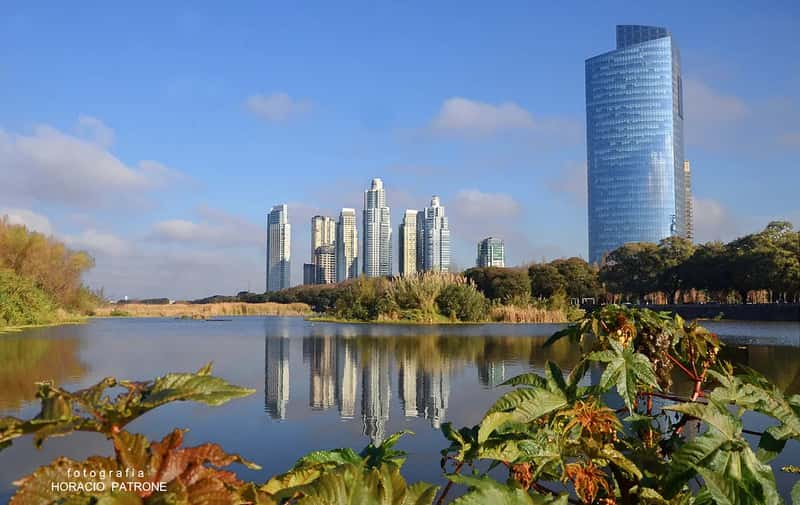
Argentina welcomes tourists from the United States, Canada, the United Kingdom and most EU countries without a visa. Stays of up to 90 days are the norm for short visits. Passports should be valid for the length of your trip, and arrival checks are usually quick.
The country is large, with Patagonian glaciers in the south and the wine country around Mendoza in the west. Travelers who want to stay longer typically need to apply for an extension with the national immigration office. It’s easier to plan that before the first 90 days are used up.
Serbia: A Balkan Crossroads With Few Hurdles

Serbia has a visa policy that’s open to a wide range of nationalities. Citizens of the EU, the United Kingdom and the United States can enter without a visa for short tourist stays, generally up to 90 days. Several travelers from outside Europe can enter without one too.
Belgrade is the usual starting point, and it’s easy to reach by air from many European cities. Serbia isn’t a member of the EU, so Schengen days don’t count toward your stay there. Registration with local police is normally handled by your hotel or host.
Montenegro: Small Country, Simple Entry

Montenegro admits citizens of the United States, the United Kingdom and the European Union for short tourist stays without a visa, typically up to 90 days. It uses the euro, though it isn’t an EU member. Border formalities tend to be light, particularly for visitors arriving by road from Croatia or Albania.
The coast around the Bay of Kotor draws most visitors, while the northern mountains are quieter. You should register your stay with the local authorities, and accommodation providers usually do this on your behalf. Keep the registration slip until you leave.
Colombia: Ninety Days, Often Extendable
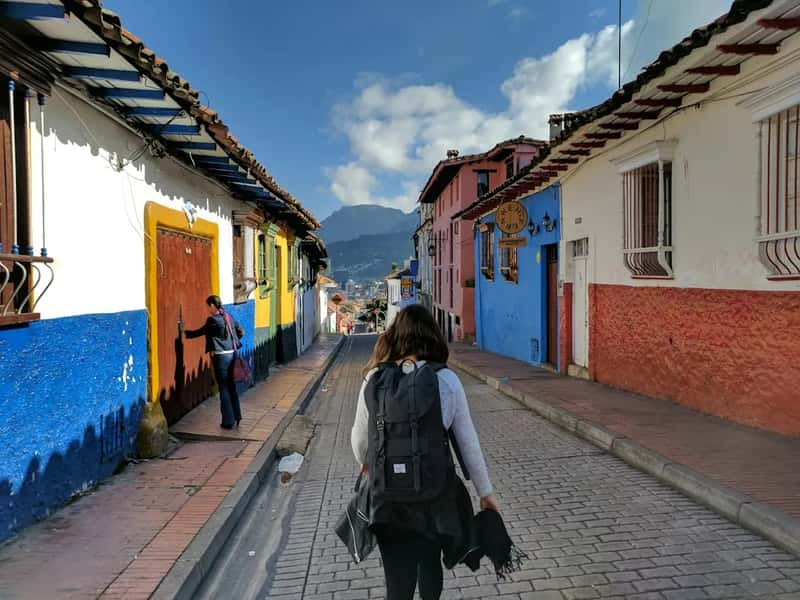
Colombia allows tourists from the United States, the United Kingdom, Canada and most of Europe to enter without a visa. The usual first stay is up to 90 days. It can be extended, with a combined limit of 180 days within a calendar year.
Travelers are asked to complete an online immigration form shortly before arrival. It’s free and takes a few minutes, but it’s easy to forget. Airlines sometimes check that it’s done before you board.
Morocco: North Africa’s Easy Entry Point

Morocco admits citizens of the United States, the United Kingdom and most European countries without a visa for stays of up to 90 days. Entry is a stamp in your passport, and many visitors arrive by air at Marrakech, Casablanca or Fez. Ferries from southern Spain also bring plenty of travelers across the Strait of Gibraltar.
Your passport usually needs to be valid for at least a few months beyond your arrival date. Border officers may ask where you’re staying, so keep your booking details handy. For longer stays, residence procedures are separate from tourist entry.
Taiwan: Visa Free and Well Organized

Taiwan gives visa free entry to citizens of the United States, the United Kingdom, Japan and most of the European Union, typically for up to 90 days. The country lists the eligible nationalities and stay lengths on its official foreign affairs website. Visitors are generally expected to hold a passport valid for several months and to have an onward ticket.
An online arrival card helps speed up immigration, and it’s worth completing before you fly. Taiwan’s transit hubs make it easy to combine with trips to Japan or Southeast Asia. Because stay lengths differ by nationality, it’s smart to confirm yours.
Costa Rica: Pura Vida Without the Paperwork
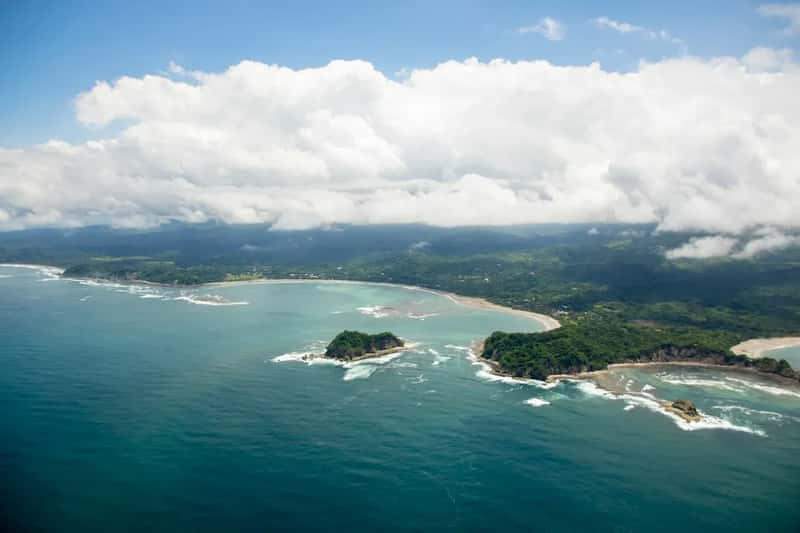
Costa Rica admits tourists from the United States, Canada, the United Kingdom and the European Union without a visa, usually for up to 90 days. Immigration officers decide how many days you receive, so the stamp may be shorter than the maximum. Airlines may ask for proof that you plan to leave, such as a return or onward ticket.
Visitors who want to stay longer commonly cross a border and return, though officials can refuse entry and rules change. Anyone planning an extended stay should look at residency options instead. The national tourism and immigration agencies publish current requirements.