Walking into a stadium to catch a football match seems like one of the simplest pleasures there is. Buy a ticket, find a seat, cheer for your team. Yet for millions of women around the world, that basic act has been treated as a crime, a moral failing, or a threat to public order. Some of these restrictions are written into law. Others exist as unspoken rules enforced with pepper spray, arrest, or worse. As of 2026, the picture is uneven and, in places, actively shifting, but four countries stand out for how deeply gender has shaped who gets to sit in the stands.
Afghanistan
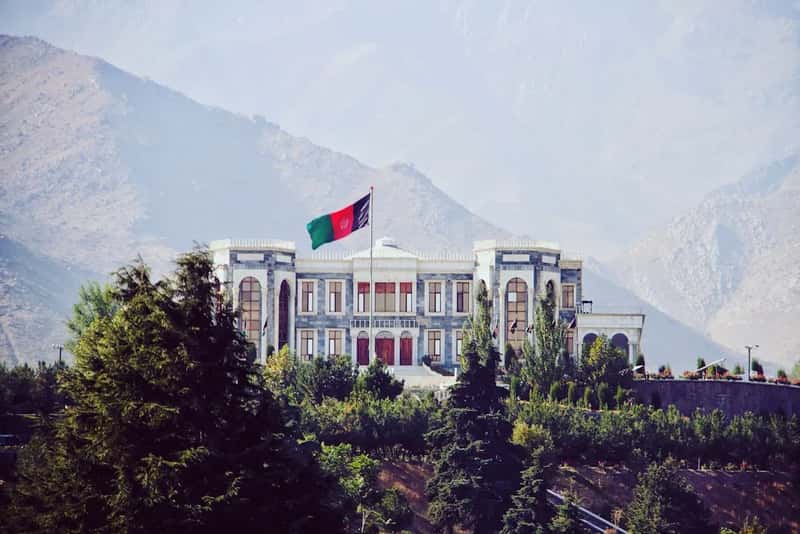
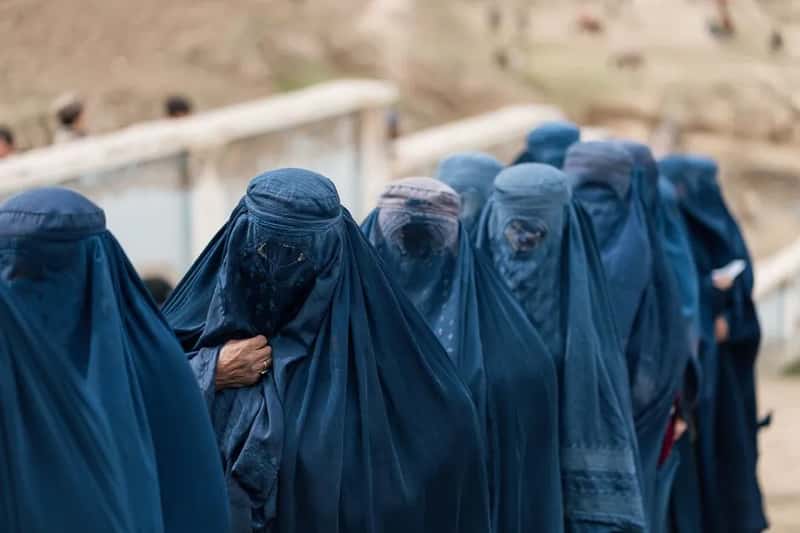
Afghanistan represents the most absolute case on this list. Since taking over Afghanistan in August 2021, the Taliban have banned all sports for women and girls, forcing many athletes into hiding. This is not a stadium-specific rule buried in some obscure regulation. It is a blanket prohibition that covers playing, training, and watching alike, and no other country currently imposes anything comparable.
The scale of what was lost is easy to understate. The Taliban has barred women from most areas of public life, such as parks, gyms, and most jobs, and also banned girls from going to school beyond the age of 12 and prohibited Afghan women from working at local and non-governmental organisations. Some of Afghanistan’s own former athletes have had to flee the country entirely just to keep training. Members of Afghanistan’s women’s national cricket team fled the country but have continued to practice and want to be recognized to compete internationally like the men’s national team. International sporting bodies have faced growing pressure to act, though as of mid-2026 Afghanistan’s men’s teams continue to compete internationally while the women’s side remains locked out entirely.
Iran
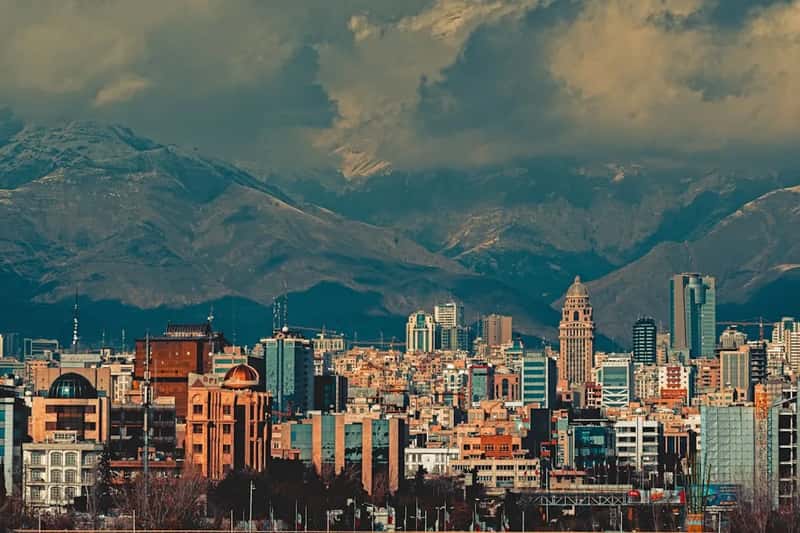
Iran’s restriction is older, stranger, and more inconsistent than Afghanistan’s. It was never written into a formal law. Over the past 40 years, Iranian authorities have banned women from attending football and other sports in stadiums, while this ban is not written into law or regulations, the authorities have regularly enforced it for decades. The rule traces back to the aftermath of the 1979 revolution, when conservative elements introduced a ban on women entering stadiums to watch football, a highly popular sport there.
Under pressure from FIFA, Iran technically lifted the restriction years ago. The ban enforced after the Islamic Revolution of 1979 was lifted in October 2019 under pressure from FIFA, the governing body for international football and its Asian counterpart the Asian Football Confederation (AFC). In practice, though, very little changed on the ground. Women are still not permitted to attend all matches, and local authorities frequently cite what they call insufficient preparation, such as the lack of designated seating areas for women, as a reason for their exclusion. As recently as 2025, reporting confirmed that many Iranian cities still do not grant women the right to attend matches. The human cost of resisting this rule has been severe. In 2019, a young fan known as the “Blue Girl,” Sahar Khodayari, was reportedly sentenced to jail for trying to enter a stadium, and she died by self-immolation, causing a domestic and international outcry. As late as 2024, Iran decided to prohibit women from attending football matches involving popular teams, with incidents in stadiums used as a pretext to ban women’s entry to particular stadiums.
Saudi Arabia
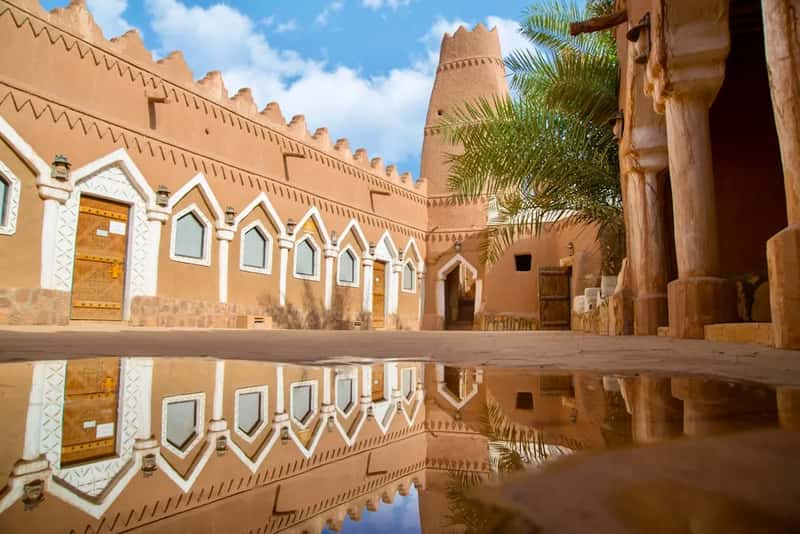
Saudi Arabia offers a useful contrast because its ban, though real and rigid for decades, has been officially reversed. Until 2018, women were not permitted in sport stadiums, even as spectators. A woman caught trying to sneak in disguised as a man could face arrest, which is exactly what happened to at least one fan before the rules changed. When the shift finally came, it was framed as a landmark moment. For the first time on Friday, Saudi women were allowed to enter a sports stadium to watch a soccer match between two local teams, though rules dictate that they must be segregated from the male-only crowd with designated seating in the so-called “family section.”
What followed was a broader, if slow, opening. Before 2017, women were not permitted to attend football matches as spectators; by 2024, the Kingdom established a comprehensive regulatory framework supporting women’s participation at all levels. That said, segregation by gender inside stadiums has not disappeared, and family sections remain the norm rather than fully mixed seating. Saudi Arabia is included here less as a country that currently enforces an outright ban and more as a reminder of how recent, and how conditional, this kind of progress tends to be. Reform came fast once it started, but it came only after decades of women being shut out of one of the country’s most popular public activities entirely.
Sudan
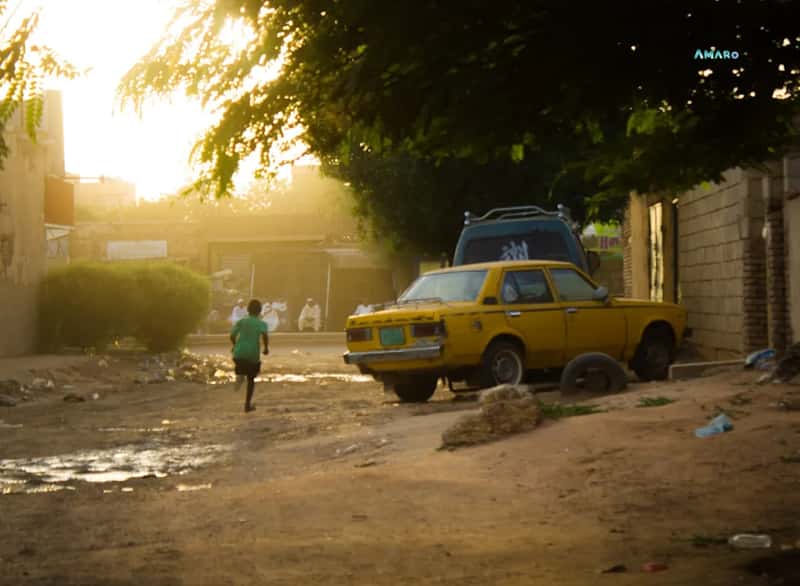
Sudan’s story runs on a similar timeline to Saudi Arabia’s, shaped by a sudden political shift rather than a gradual loosening of social norms. For years, women were not allowed to officially participate in sports such as football, until the Sudanese revolution of 2018 to 2019 abolished the former restrictive public order laws. Before that point, even organizing informal women’s teams could draw religious condemnation. In response to a question from FIFA regarding the feasibility of creating a women’s national team in 2012, the Islamic Fiqh Council issued another fatwa against the creation of a women’s soccer team, deeming it an immoral act.
The change after the 2018 to 2019 revolution was notably fast on paper. In September 2019, a women’s league with 21 teams from different cities in Sudan was established. Sudan now fields a recognized women’s national team and has hosted regional tournaments, a remarkable turnaround given where things stood only a few years earlier. Ongoing conflict inside the country since 2023 has complicated day to day life for athletes of every kind, and it would be inaccurate to describe access to stadiums today as fully normalized or secure. Sudan belongs on this list not because a formal ban is currently enforced, but because its recent history shows how quickly, and how recently, such restrictions defined everyday life for women there.
Final thoughts
The reality behind a headline like this one is messier than a simple checklist might suggest. Afghanistan enforces an active, total ban with no ambiguity. Iran keeps a technically abolished rule alive through inconsistent enforcement and shifting excuses. Saudi Arabia and Sudan have both moved past formal bans, yet neither transition erased the underlying attitudes that produced the restrictions in the first place. Watching how quickly things can change in one direction, and how stubbornly they can persist in another, is perhaps the clearest lesson these four countries offer.