There’s something undeniably fascinating about cheese. It’s one of those foods that seems simple on the surface, yet carries centuries of tradition, regional pride, and flavour complexity. When we talk about the countries in the world, we’re not merely discussing who produces the most. We’re diving into heritage, craftsmanship, and honestly, pure taste.
Walk into any speciality food shop,op and you’ll be confronted with shelves overflowing with varieties from every corner of the globe. Some are tangy, others creamy, and a few are sharp enough to make your eyes water. The nations that have mastered this dairy craft didn’t just stumble upon success. They’ve built entire industries around milk, time, and tradition. So let’s explore which countries truly deserve their place on the podium.
5. Switzerland: Precision and Alpine Excellence

Switzerland boasts more than 700 varieties of cheese, a testament to its deep-rooted dairy culture. Famous for iconic varieties like Gruyère, Emmental, and Raclette, the Swiss have transformed cheese into a national symbol. With a volume of 79,268 tons, cheese exports in 2024 reached the second-best export year since records began, with around 45% of Swiss milk processed into cheese and almost 40% exported to over 70 countries.
What sets Switzerland apart is the meticulous attention to detail. The country’s strict regulations for cheese production, including protected designations like AOP and IGP, ensure that every wheel meets exacting standards. Cheese exports increased again to over 79,000 tons in 2024, representing about 40% of total production, while total cheese consumption hit 210,000 tons, with per capita consumption surpassing 23 kg. Think about that for a moment: the Swiss eat more than fifty pounds of cheese per person annually.
Traditional Alpine cheese production continues to thrive, with herdsmen and women spending entire summers in mountain pastures making cheese from fresh milk. These artisanal methods preserve the authentic flavour that has made Swiss cheese legendary worldwide.
4. The Netherlands: Masters of Scale and Flavour

Dutch cheese is everywhere, and for good reason. The Netherlands has transformed cheese production into both an art and a highly efficient industry. In 2021, the Netherlands produced roughly 966 million kilos of cheese, with Gouda making up more than half of the total cheese production. That’s nearly a billion kilograms in a single year from a country smaller than West Virginia.
In 2023, Germany was the largest exporter of cheese worldwide, with exports amounting to a value of 6.5 billion U.S. dollars, followed by the Netherlands with 5.7 billion dollars in cheese exports. The Dutch have perfected the export game. In 2022, Germany was the leading export country of cheese from the Netherlands, accounting for more than 30 per cent of the export volume, but Dutch cheeses also reached Japan, South Korea, and markets across Asia.
Iconic varieties like Gouda and Edam have become household names globally. The Netherlands combines traditional methods with modern efficiency, producing consistent, high-quality cheese that travels well and satisfies diverse palates. It’s hard to deny their expertise when you consider that a country of just 17 million people exports cheese to over 70 nations.
3. Italy: Passion, Heritage, and Premium Exports

Italian cheese is more than food. It’s cultural identity. From Parmigiano Reggiano to Mozzarella di Bufala, from Gorgonzola to Pecorino, Italy produces some of the most sought-after cheeses in the world. Italian cheese exports reached a new record in 2024, with shipments rising 10.7% year-on-year to more than 657,000 tonnes, generating revenues of over €5.7bn.
Here’s the thing: Italian cheese isn’t just about volume. Fresh cheeses drove the expansion, up 12.7% and accounting for nearly half of total exports, while Grana Padano PDO and Parmigiano Reggiano PDO volumes rose 8.7% with total sales exceeding €1.5bn. Global demand for Italian cheese continues to surge, particularly in Asia. Exports to Southeast Asia rose 20%, with Japan importing 12,835 tonnes and demand in China surging 30.8% to 11,663 tonnes.
What makes Italy special is the unwavering commitment to traditional techniques and protected designation of origin standards. Each cheese tells a regional story, from the hills of Emilia-Romagna to the pastures of Campania. This authenticity translates into premium pricing and fierce loyalty among consumers worldwide.
2. France: Unrivalled Diversity and Cultural Icon
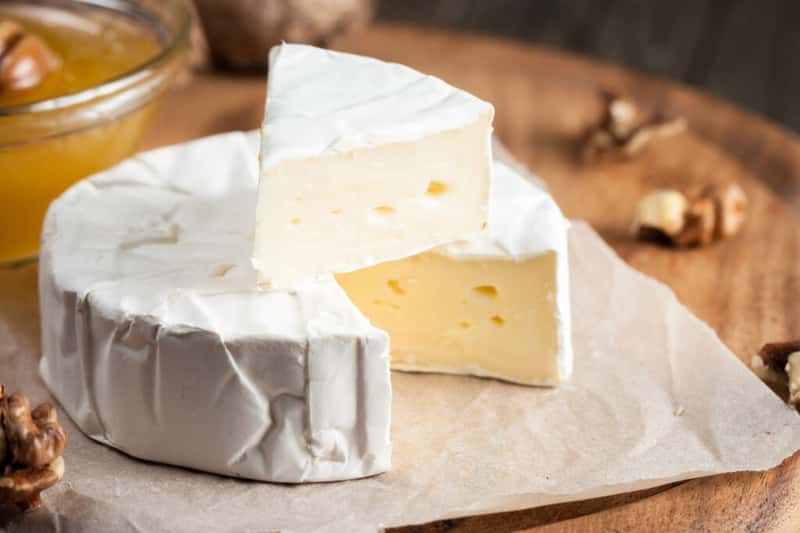
Let’s be real: when most people think of cheese, they think of France. It’s no accident. France has 246 varieties of cheese, including staples like brie, roquefort, and camembert, and the French take their cheese incredibly seriously. Between 2008 and 2023, the volume of cheese made from cow’s milk produced in France has remained moderately stable, between 1.7 and 1.8 million tons.
France is renowned for its cheese production, with popular varieties like Brie, Camembert, and Roquefort, and in 2024, France produced over 2 million metric tons of cheese, generating revenue of over $25 billion. French cheese culture runs deep. More than half of the respondents in a survey from 2019 declared eating some cheese daily or several times a week. That’s not just consumption; that’s devotion.
The diversity is staggering. From soft, creamy Camembert to pungent Roquefort aged in limestone caves, French cheesemakers have perfected countless styles. Major producers like Lactalis and Bel Group dominate global markets, but countless small producers continue artisanal traditions dating back centuries. In 2024, a quarter of French consumers said that they were eating less cheese as a result of environmental concerns, indicating shifting patterns, yet France’s position as a cheese powerhouse remains unshaken.
1. Germany: The Undisputed Production and Export Leader
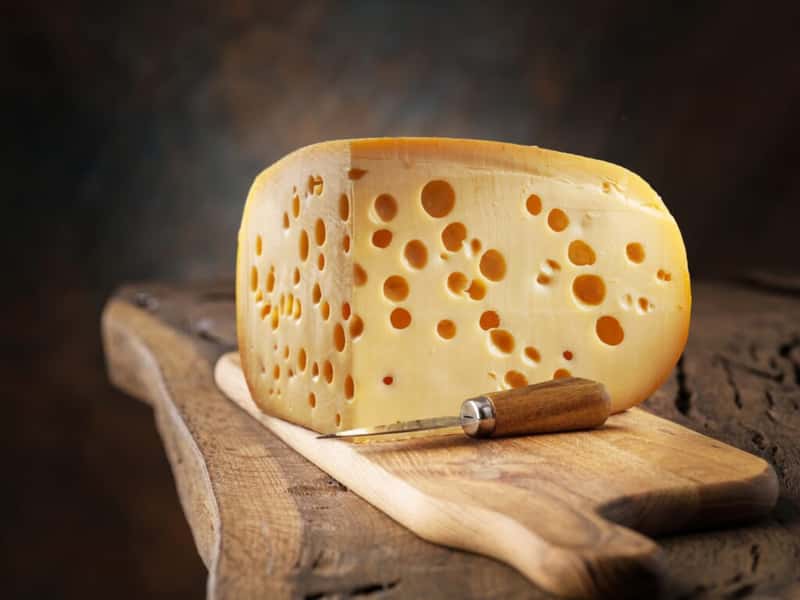
Surprised? Many people are. Germany doesn’t always get the recognition it deserves in the cheese world, yet the numbers speak louder than any stereotype. Germany is the second-largest cheese producer globally, with a focus on high-quality cheese varieties such as Gouda and Emmental, and in 2024, Germany produced over 2.5 million metric tons of cheese, generating revenue of over $30 billion.
Even more impressive: Germany is the biggest cheese exporter, with cheese exports accounting for $6.7 billion in 2024, holding a 15% share of the global cheese market. That’s more than any other country on the planet. Germany combines industrial efficiency with traditional craftsmanship, producing everything from creamy Bavarian cheeses to robust Emmental varieties.
German cheese producers like Hochland and Bergader have mastered both domestic and international markets. The country’s strategic location in the heart of Europe facilitates distribution across the continent and beyond. Approximately 50% of the cheese produced in 2024 comes from the European Union, with Germany becoming the top producer within the EU-28, producing almost 2.25 million metric tons.
The German approach emphasises consistency, quality control, and innovation. While France may have the romance and Italy the artisanal prestige, Germany has built a cheese industry that balances tradition with modern efficiency. It’s a model that works exceptionally well in today’s global marketplace.
These five nations represent the pinnacle of cheese-making excellence, each bringing unique strengths to the table. From Switzerland’s alpine traditions to Germany’s export dominance, from France’s cultural devotion to Italy’s premium heritage and the Netherlands’ efficient production, the global cheese landscape is richer for their contributions. Which country’s cheese do you reach for first?