Chocolate is one of the most universally loved foods on earth, yet not all chocolate is created equal. The country where it’s made – and the traditions, ingredients, and craftsmanship behind it – shapes everything about the final product. From bean-sourcing philosophies to centuries-old family recipes, the geography of great chocolate tells a fascinating story. Global sales for exported chocolate from all countries totaled $43.8 billion in 2024, and competition among producing nations has never been fiercer. Here are the five countries that consistently rise above the rest.
1. Switzerland – The World’s Most Beloved Chocolate
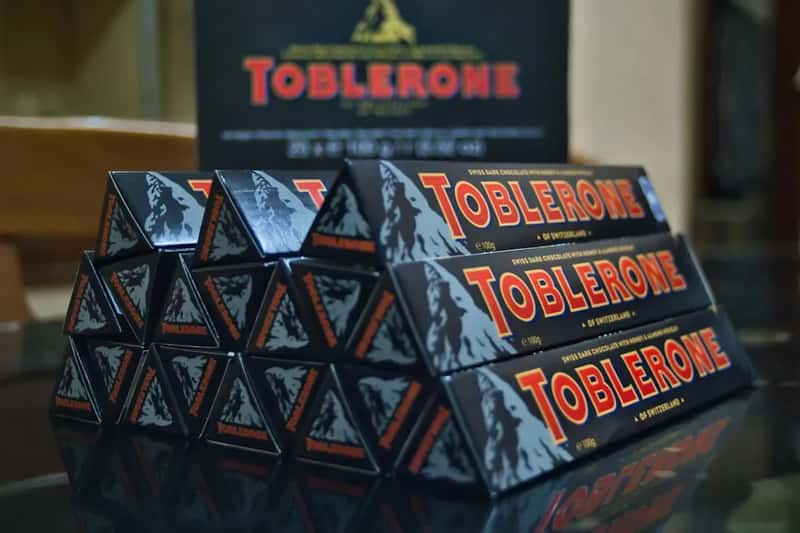
A global survey by YouGov confirmed what many chocolate lovers have long suspected: Swiss chocolates are the world’s most preferred, with 39% of respondents across 17 countries naming Swiss chocolate as their top choice, followed by Belgian chocolates at 28%. That level of dominance across such a diverse range of markets is no small feat. Switzerland doesn’t grow a single cocoa bean on its soil, yet it has built the most admired chocolate culture in the world through sheer innovation and obsessive craftsmanship. Daniel Peter – who later teamed up with Henri Nestlé – introduced milk into the mix, and the rest became milk chocolate history.
According to data in 2024, the average individual in Switzerland consumed an impressive 22 pounds of chocolate a year. That number speaks to a deep cultural bond with the product that few nations can match. Switzerland has a strong reputation as a producer of high-quality chocolates, and several Swiss brands are well known internationally, including Lindt and Toblerone. As such, Switzerland is among the largest chocolate exporters in the world. Brands like Läderach have also earned global recognition in craft chocolate competitions, reinforcing Switzerland’s position right at the top.
2. Belgium – The Art of the Praline
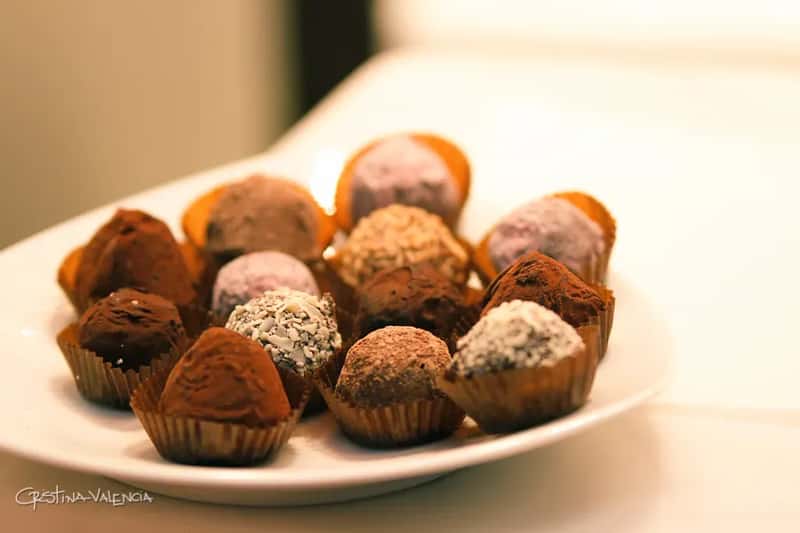
If you ask 100 people where the best chocolate in the world comes from, at least 90 of them are likely to say Belgium. Thanks to a handful of major brands, Belgian chocolate enjoys worldwide popularity. That reputation is hard-earned. Founded in 1857 by Jean Neuhaus, Neuhaus is considered one of the oldest and most prestigious chocolatiers in Belgium. The company is credited with the creation of the praline – the chocolate shell filled with various sweet fillings – which revolutionized the chocolate industry. This single invention changed how the world thought about and consumed chocolate.
Today there are almost 2,000 chocolatiers in Belgium, with Brussels often hailed as ‘the chocolate capital of the world.’ Large industrial brands like Godiva, Côte d’Or, and Leonidas are well-loved globally, and the mass-marketing of such brands has played a major role in building Belgian chocolate’s reputation. By law, chocolate made in Belgium has to contain no less than 35% cacao content and must also contain cocoa butter, rather than cheap alternative fats like vegetable oil. What makes Belgian chocolate unique is that it is only cooled at the end of the production process, which allows it to hold onto more of its aroma, and it is also almost entirely handcrafted.
3. Ecuador – The Finest Cacao Beans on the Planet
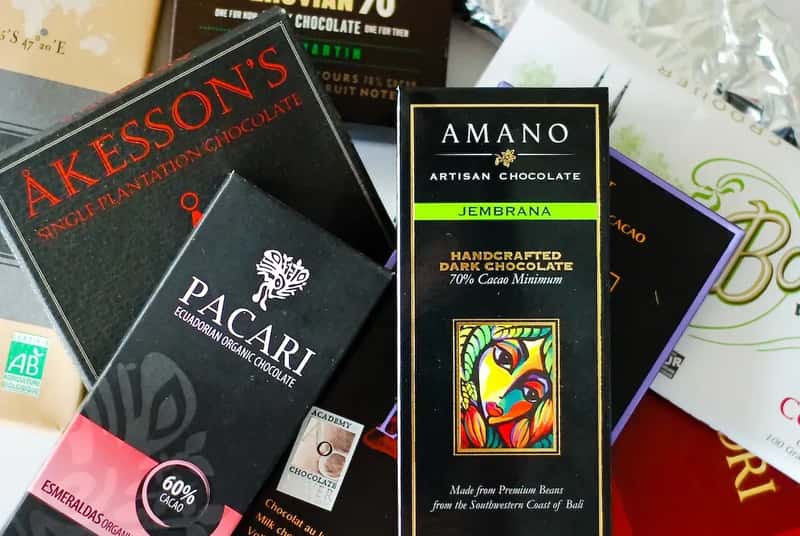
Ecuador is home to some of the best cacao beans in the world. Only approximately 5% of cacao in the world is labeled as “Fine Aroma,” and Ecuador produces nearly 63% of it. That single statistic is jaw-dropping. Ecuador is the largest cocoa producer in the Americas, with 430,000 tonnes per year. Its cocoa, noted for its fine aroma, is highly valued on the international market, with exports going primarily to the Netherlands, Malaysia, and the United States. The country’s chocolatiers have increasingly turned their world-class raw material into finished bars that compete directly with Europe’s finest makers.
Until recently, Ecuador focused its efforts on exporting its cacao, but in the last few years it has turned to producing its own chocolate. One brand, Paraci, has won dozens of international awards in recent years, beating out traditional European chocolate makers. On the agricultural side, Ecuador also promotes the certification of its products according to quality and sustainability standards, such as Fair Trade and organic agriculture, and in 2023, an increase in organic certifications allowed several Ecuadorian cocoa farms to position themselves advantageously in the high-end chocolate market. The country’s trajectory in the world of fine chocolate is unmistakably upward.
4. Italy – Where Chocolate Meets Culinary Mastery
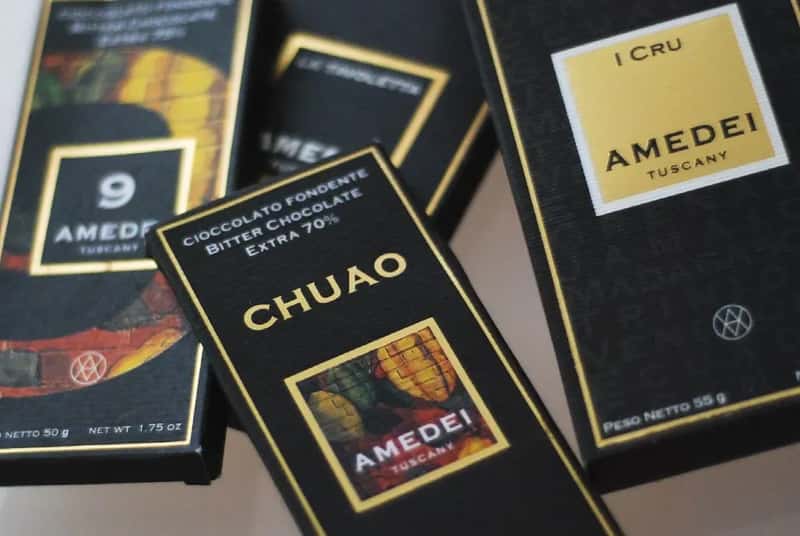
The most popular chocolate producer in Italy is Amedei. They buy their cocoa directly from growers, which means they know exactly where the beans came from and how they were grown. That farm-to-bar transparency has made Italian chocolate a benchmark for quality in the craft chocolate world. Italy’s strength isn’t volume – it’s precision. Italian chocolate makers have long treated cacao as a fine ingredient, not simply a commodity, bringing the same philosophy to chocolate that Italian cuisine applies to olive oil or aged vinegar.
Italy ranks among the five largest chocolate exporters in 2024, collectively with Germany, Belgium, Poland, and the Netherlands accounting for nearly half of all globally exported chocolate products. The country’s broader culinary culture also elevates its chocolate standing – the Italians also enjoy using chocolate in their pastries, a win for anyone with a sweet tooth. The European chocolate landscape has undergone a remarkable transformation in recent years, with craft chocolate emerging as a vibrant and sophisticated culinary art form, and the 2024 International Chocolate Awards showcase not just exceptional taste, but a deep commitment to ethical and sustainable chocolate production – a movement in which Italian makers have been central players.
5. Ghana – The Gold Standard of Cocoa Quality
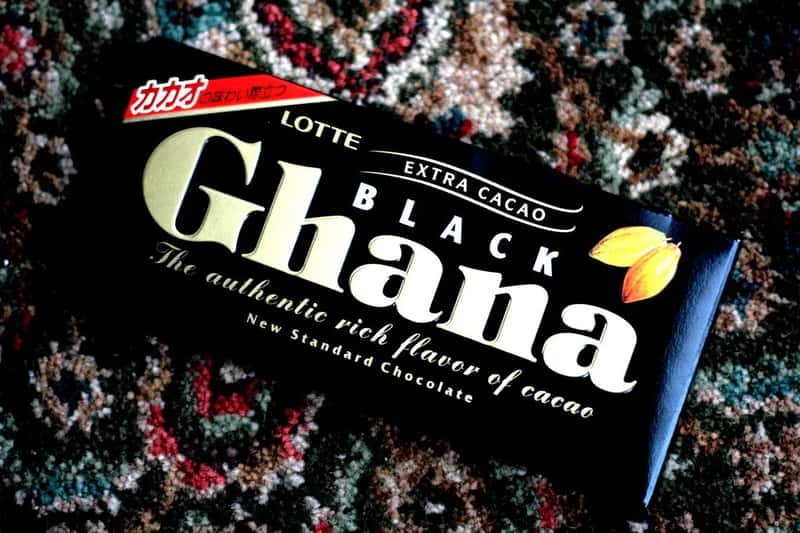
Ghana is globally recognised for producing some of the highest-quality cacao beans, prized by premium chocolate makers for their bold flavour and consistent fermentation standards. For decades, Ghana’s cocoa was almost entirely exported for others to turn into finished chocolate. That is starting to change. The country is also a major exporter of cocoa paste and cocoa butter, which are key to chocolate production. Ghana’s reputation for quality control is remarkable – its beans consistently fetch premium prices precisely because of how reliably good they are, season after season.
Côte d’Ivoire and Ghana produce approximately 60% of the global cocoa output, but Ghana’s focus has always leaned toward quality over sheer quantity. Illegal mining continues to encroach on cocoa farms, while disease, aging tree stock, and unpredictable weather have all contributed to falling yields. These pressures are not just environmental – they’re economic, threatening the livelihoods of thousands of smallholder farmers. Despite these setbacks, Ghana remains a cornerstone of the global cacao supply chain, and efforts to boost resilience, improve disease control, and protect farmland are gaining momentum. As Ghana’s domestic chocolate-making sector grows, the country’s place on this list will only become more firmly deserved.