Moving abroad or planning a long stay somewhere new usually brings up one quiet worry that outlasts all the excitement: what happens if you get sick and can’t explain what’s wrong. It’s a fair concern. Medical vocabulary is hard enough in your own language, let alone a foreign one, and the idea of gesturing at your stomach while a pharmacist guesses at your symptoms isn’t anyone’s idea of reassuring.
The good news is that a handful of countries have quietly built healthcare systems, and expat communities, that make finding an English-speaking doctor far less of a gamble than people assume. Some of this comes down to medical training standards, some to the sheer number of foreign residents who’ve settled in certain cities, and some to systems that were designed with international patients in mind from the start.
Netherlands
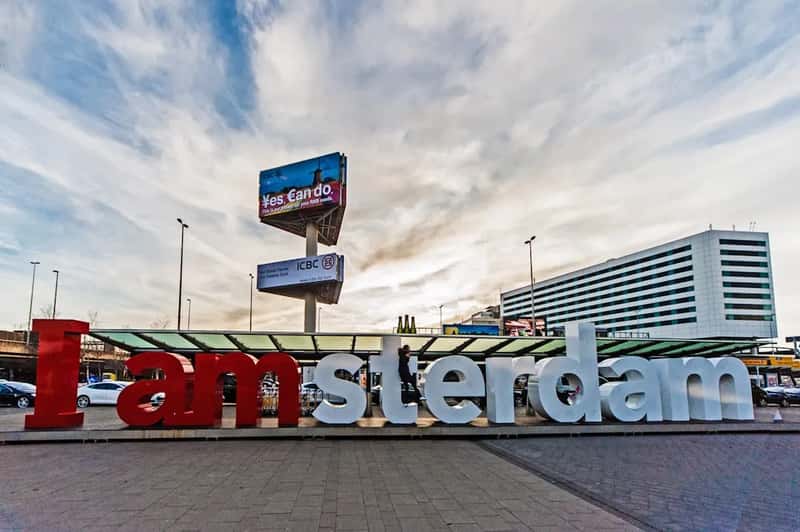
Amsterdam has quietly become one of the easiest places in continental Europe to get medical care in English, largely because so many expats and international workers have settled there over the past two decades. The Dutch capital has several English-speaking doctors who’ll see tourists or expat patients on short notice or offer 24-hour emergency care. That’s not a small thing when you’re dealing with a fever at midnight in an unfamiliar city.
Part of the reason this works so smoothly is that support structures exist specifically for non-Dutch speakers. Organizations like Healthcare for Internationals work to make healthcare more accessible for expats, providing information on finding English-speaking healthcare providers and maintaining a network of clinics attuned to the international community. Beyond the language piece, the Dutch model emphasizes preventive care and patient rights, with one of the shortest wait times among European countries, and the Netherlands ranks in the global top 10 for healthcare.
Spain

Spain has spent the last decade turning into one of Europe’s most popular retirement and remote-work destinations, and its healthcare system has adjusted to match. Spain has become something of a magnet for retirees and remote workers, and with high-quality medical facilities, English-speaking doctors, and strong emphasis on preventive care, it’s one of the best healthcare systems in Europe while also being one of the most expat-friendly. That combination of quality and accessibility is exactly what makes it stand out on this list.
The private system in particular tends to be where English fluency is most reliable. English-speaking doctors are widely available, particularly in major cities and expat hubs like Madrid, Barcelona, Malaga, and the Costa del Sol. Costs also remain surprisingly low. One expat noted that private insurance runs about seventy-five dollars a month and covers nearly everything, plus there are reasonable wait times.
Portugal
Portugal has built a reputation among expats less for flashy hospitals and more for the quality of attention patients receive once they’re in the room. Some expats say the biggest difference is how seriously doctors take their concerns, often at far lower costs than in the U.S. That kind of feedback tends to spread quickly through relocation forums and expat groups, which partly explains Portugal’s growing popularity.
Geography matters here too. Lisbon and Porto have particularly strong concentrations of English-speaking medical professionals. Private care remains the more predictable route for English speakers, since expats can find and see English-speaking doctors within the private medical system without insurance for about sixty-five to one hundred sixty US dollars per visit, a cost that typically drops to under twenty-five dollars with insurance.
Panama
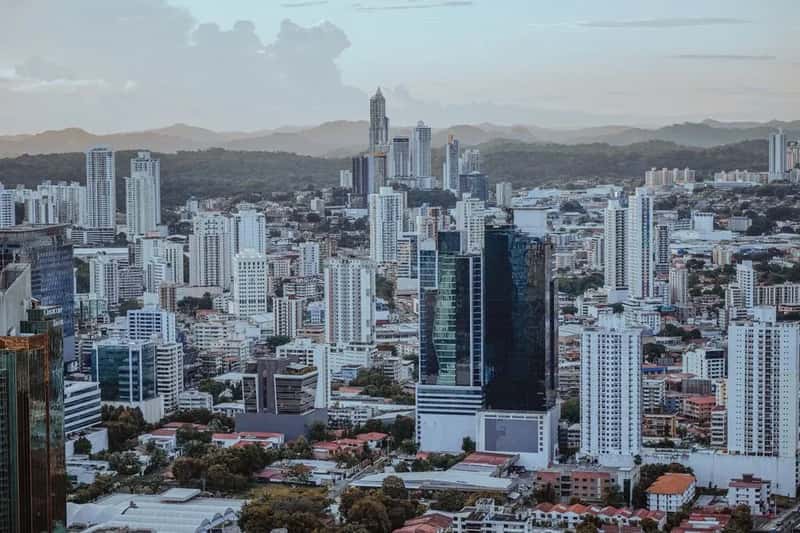
Panama doesn’t always come up first in these conversations, but it probably should. A large share of the country’s physicians trained abroad, often in the United States, which shapes both the quality of care and the ease of communication. So many Panamanian doctors study abroad and speak English that this is a very comfortable place to land, even if you don’t speak Spanish.
The hospital infrastructure backs this up. Top-notch hospitals like Paitilla, San Fernando, and Pacífica Salud are affordable, modern, and incredibly efficient, and many are affiliated with distinguished organizations like Joint Commission International or Cleveland Clinic. One expat summed up the experience simply by noting that doctors seem to spend more time with patients and they’re reachable on WhatsApp.
Mexico

Mexico’s proximity to the United States, combined with decades of cross-border medical training, has created genuine depth in English-language healthcare, particularly in expat-heavy regions. In thriving hubs like Puerto Vallarta, San Miguel de Allende, and the Lake Chapala area, English-speaking doctors are a crucial part of the community fabric. This isn’t a niche service tucked away for tourists. It’s built into daily life in these towns.
The scale of the expat population has shaped the supply of care available to them. These communities serve an estimated 1.5 million American expats who live in Mexico, and the demand has shaped the supply. Many physicians bring credentials that feel familiar to anyone coming from North America. Many of these doctors have even completed residencies or specialized training in the U.S. or Canada, which means a consultation will feel just as comfortable as it would back home.
Final Thoughts
None of these five countries guarantee that every single doctor you encounter will speak fluent English, and rural clinics almost anywhere will test that assumption. What they do offer is a reasonable, well-documented likelihood that in the cities and regions where expats actually live, English-speaking care isn’t a lucky exception but a normal part of how the system works.
That distinction matters more than it might seem at first glance. Knowing where the odds are genuinely in your favor takes one significant unknown off the table before you’ve even booked a flight, and that’s worth something when you’re building a life somewhere new.