Walk into almost any American or British supermarket and the math is brutally simple: the bag of chips is cheaper than the bag of spinach, and a frozen dinner beats out a fresh one every time. That pricing logic feels universal, yet it isn’t. In a handful of countries, the everyday reality flips. Fresh, minimally treated food grown close to home often costs less at the register than packaged, heavily processed meals shipped in from somewhere else.
This isn’t about a formal “organic” price war between certified labels on a supermarket shelf, since that comparison usually still favors conventional and processed goods almost everywhere. Instead, it’s about a different kind of food economy, one where small farms, local markets, and a lighter footprint from industrial food companies keep fresh, chemical-light produce affordable, while branded, packaged, and imported processed meals carry the extra costs of manufacturing, distribution, and marketing. Here’s a look at five places where that dynamic plays out.
1. Portugal
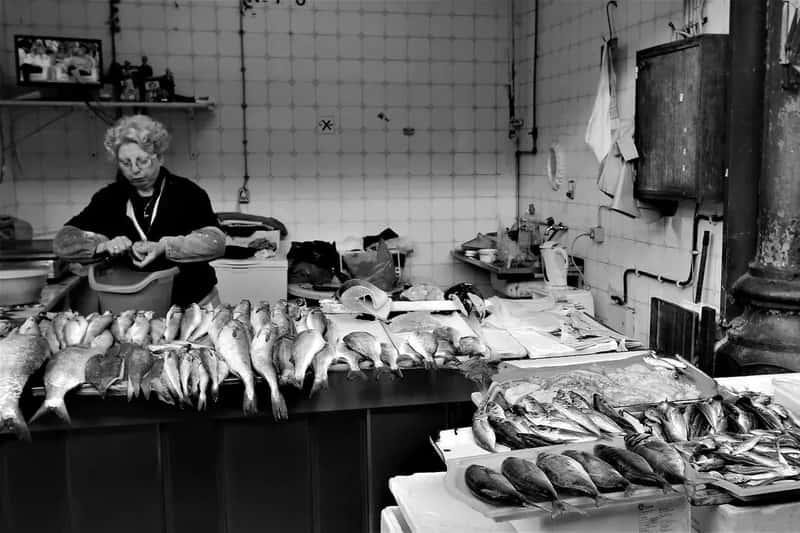
Travelers and even physicians who’ve spent extended time in Portugal often come away stunned by the produce aisle. One doctor who spent two months shopping in Portugal, Spain, and France described being amazed while food shopping, noting that fruits and vegetables were 30 to 70 percent less expensive than what he was used to, and usually organic and of better quality.[1] That’s not a marginal difference. It’s the kind of gap that changes what a family puts on the table each week.
Part of the reason lies in how Portuguese grocery culture is built. Small markets and local produce stands remain common, cutting out the layers of packaging, branding, and cold-chain logistics that inflate the price of processed alternatives. Combine that with a Mediterranean food culture that still treats fresh cooking as the default rather than the exception, and organic or near-organic produce ends up genuinely competitive with, or cheaper than, a box of ready-made pasta or a frozen pizza.
2. Tunisia
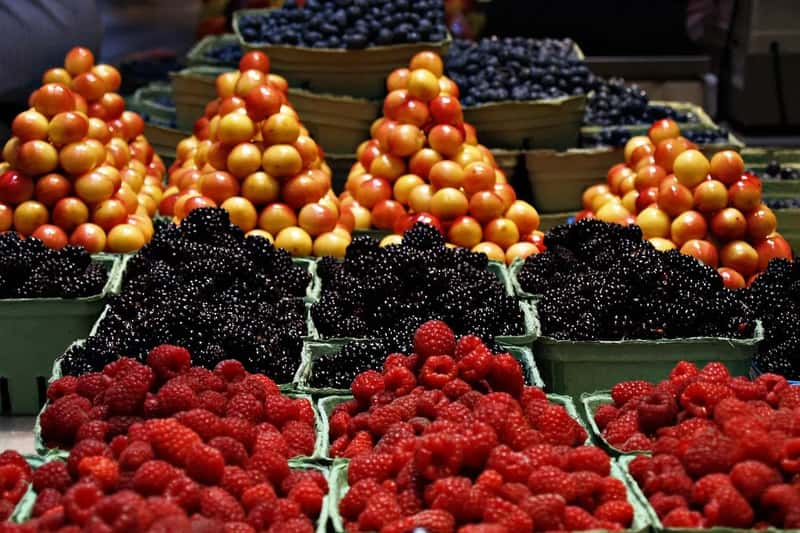
Tunisia consistently shows up on lists of the world’s most affordable places to buy groceries. According to comparisons of global living costs, Tunisia appears among the least expensive countries to live in, alongside Egypt, Pakistan, Libya, Bangladesh, India, and Nepal, with local produce, olive oil, and bread staying inexpensive thanks to a strong domestic agricultural base.[2] That domestic base matters enormously, since it means fresh food doesn’t need to travel far or pass through multiple middlemen before reaching a shopper’s basket.
Coastal markets and inland souks reinforce this pattern, offering fresh goods at prices that rarely shock even budget-conscious buyers. Processed and packaged foods, on the other hand, frequently arrive through longer import chains, carrying tariffs, shipping costs, and brand markups that fresh, locally grown olives, vegetables, and grains simply don’t have to absorb. The result is a grocery basket where reaching for the fresh, chemical-light option is often the cheaper habit, not the pricier one.
3. India
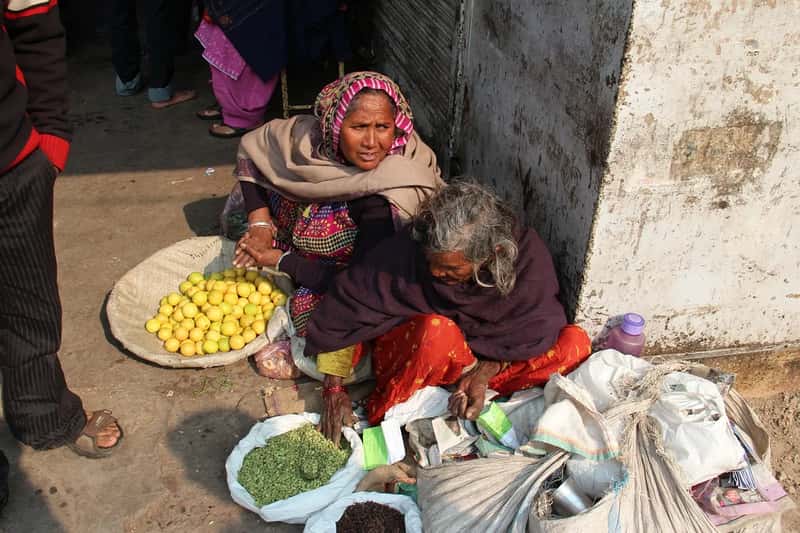
India presents one of the more interesting cases because it sits at two extremes simultaneously. On one hand, India reportedly has the largest number of certified organic producers in the world and ranks second globally for total organic cultivated area.[3] On the other, packaged organic products imported from abroad or wrapped in premium branding can carry a steep markup.
The gap depends heavily on what’s being bought. Everyday staples bought from local mandis tend to stay reasonable, since the price gap for rice and wheat is moderate, narrowing further with bulk buying, while pulses and lentils that are locally grown and seasonal stay reasonably priced through most of the year.[4] Meanwhile, imported or heavily marketed processed organic snacks and packaged meals sit at a real premium, meaning a household that shops seasonally at a local market and cooks from scratch often spends less than one that fills a cart with branded, processed convenience food.
4. Bhutan
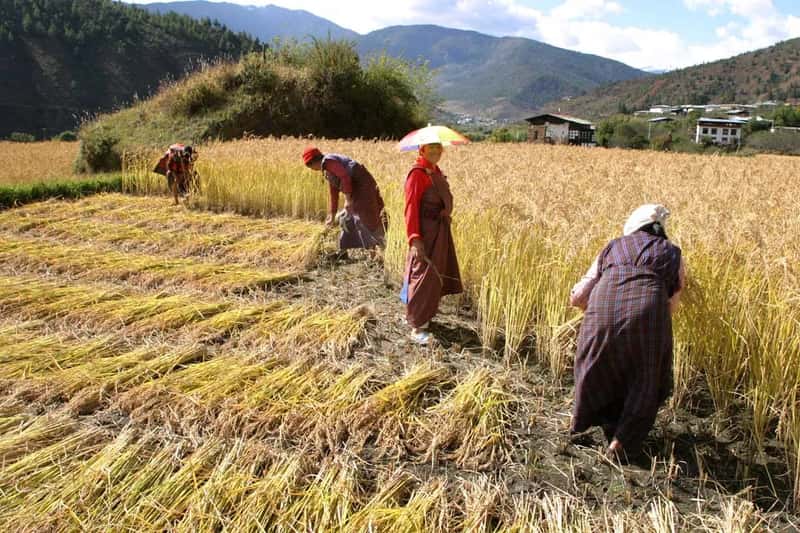
Bhutan occupies a unique spot in this conversation. More than a decade ago, the small Himalayan kingdom announced ambitions to move its agriculture away from synthetic chemicals entirely, a policy shift that reshaped how officials there think about farming, imports, and food self-sufficiency. That national direction, combined with a largely agrarian economy, has kept fresh, locally grown food deeply embedded in everyday diets rather than treated as a specialty item.
Cost-of-living comparisons back up how affordable daily life remains there. Bhutan is one of the cheapest countries in the world, where a person needs under $400 per month to live comfortably.[2] Imported processed foods, by contrast, have to travel long distances over mountainous terrain to reach Bhutanese markets, adding shipping and handling costs that locally grown vegetables, grains, and dairy simply avoid.
5. Nepal
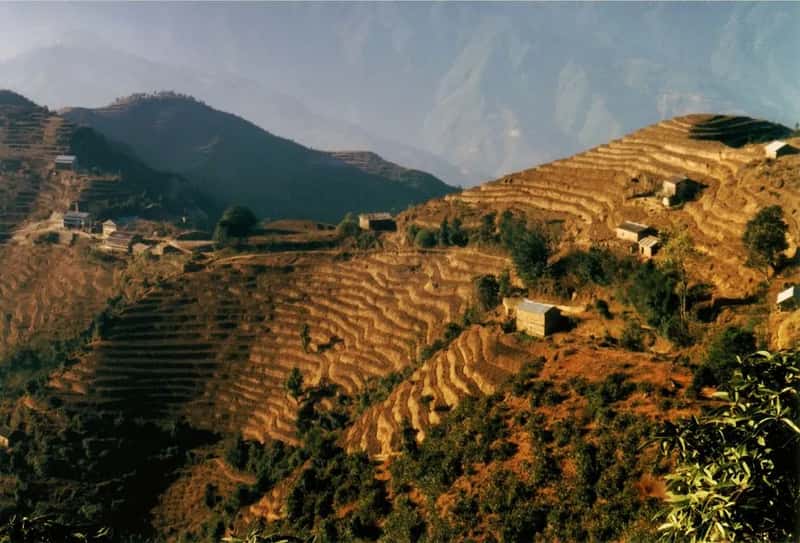
Nepal shares much of Bhutan’s geographic logic. It sits among the countries repeatedly flagged as having some of the lowest overall food costs anywhere, largely because it appears on lists of the least expensive countries to live in, alongside Egypt, Pakistan, Libya, Bangladesh, India, and Nepal.[2] A rural, farming-heavy economy means a large share of vegetables, grains, and dairy never travel far from field to table.
Processed and packaged meals in Nepal, especially imported ones, face the opposite set of pressures: higher transport costs across difficult terrain, import duties, and limited large-scale manufacturing infrastructure domestically. That combination keeps many locally sourced, chemical-light staples cheaper on a per-meal basis than a box of imported instant noodles or a frozen ready meal, flipping the usual global pattern on its head.
Why This Pattern Is the Exception, Not the Rule
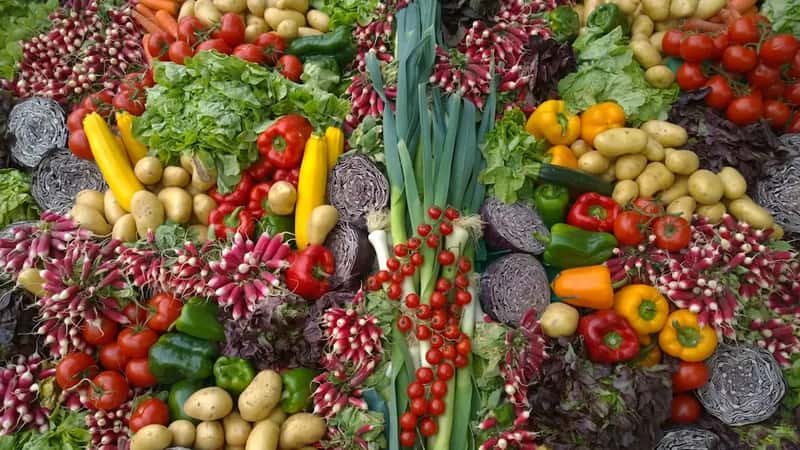
It’s worth being honest about how unusual this arrangement is. In most wealthy economies, the opposite holds true, and there’s a clear economic reason why. Products like breads, sugary drinks, pizza, and cookies come from crops that the federal government heavily subsidizes, keeping processed food cheap and plentiful while fresh produce gets far less support.[5] Fresh food is also simply harder to move and store, since fresh produce is heavy, vulnerable to spoilage, and expensive to move, especially in countries with poor transport networks, whereas ultra-processed products like soda avoid this problem because it’s cheaper to build bottling plants locally than to distribute perishables long distances.[6]
Even some emerging economies have moved in the opposite direction from the countries highlighted here. Research covering several major developing markets found that prices of fruit and vegetables rose by 91 percent from 1990 to 2012, while the costs of ultra-processed ready-to-eat meals dropped by up to 20 percent in Brazil, China, South Korea and Mexico.[7] That contrast is exactly why Portugal, Tunisia, India, Bhutan, and Nepal stand out. Strong domestic farming, shorter supply chains, and a lighter footprint from industrial processed food companies aren’t guaranteed outcomes of being a developing or agrarian economy. They’re the product of specific structural conditions that not every country shares.
What This Means For Shoppers Everywhere
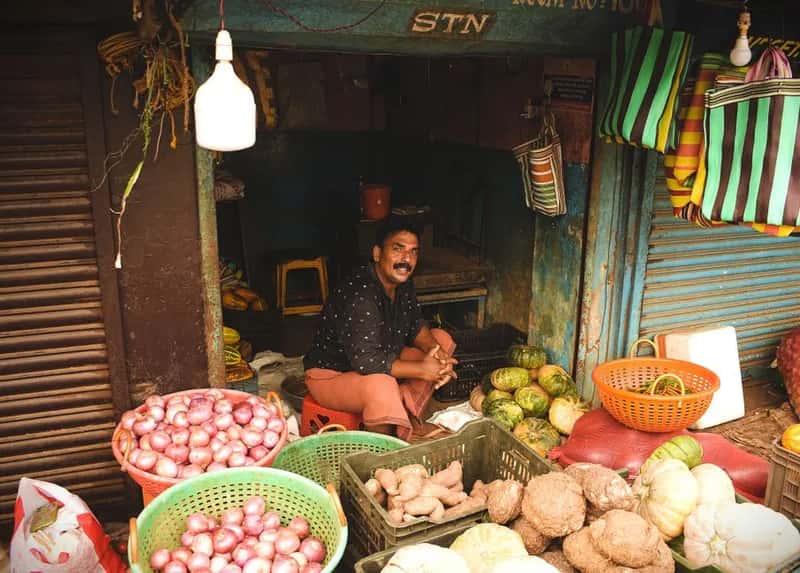
None of this suggests organic certification itself is inherently cheap, since certified organic products, especially processed ones, still tend to carry a premium almost everywhere they’re sold. What these five countries actually demonstrate is that when food stays close to where it’s grown, and when a country’s processed food industry hasn’t scaled up into the dominant force it is elsewhere, fresh and chemical-light eating stops being a luxury and starts being the default, budget-friendly choice.
For shoppers in places where the opposite is true, the lesson isn’t that they need to move to Lisbon or Kathmandu. It’s that seeking out local markets, buying what’s in season, and leaning on staples rather than packaged convenience foods can narrow the same gap, even in economies built around subsidized processed food. The countries on this list simply show what’s possible when the food system is built the other way around from the start.