Most American retirees know the math doesn’t quite work out. A monthly check that covers rent in one city barely covers groceries in another, and the gap between what Social Security pays and what daily life costs keeps growing. Yet a small number of countries across Europe have residency programs and living costs low enough that a modest, fixed income can actually stretch into something resembling a comfortable life abroad.
None of these places require wealth. What they require is planning, paperwork, and a realistic sense of what a monthly benefit can and cannot buy once you cross the Atlantic.
Portugal
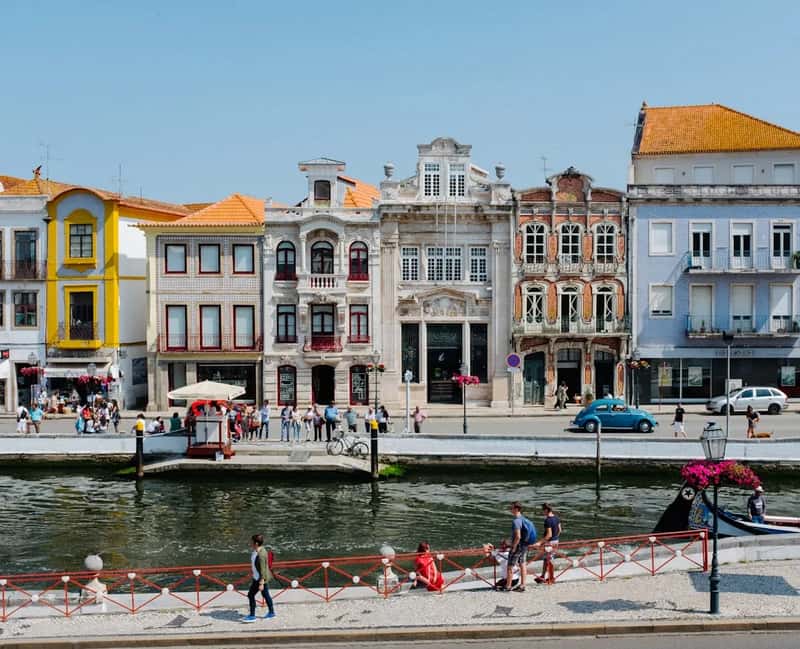
Portugal remains the clearest example of a country where an average Social Security check goes further than almost anywhere in Western Europe. The minimum income requirement for the Portugal Retirement Visa in 2026 is €920 per month for a single applicant, sourced from pensions, investments, or other passive income funds. Compare that to the roughly $2,071 average monthly retirement benefit reported by the Social Security Administration in early 2026, and the math works with room to spare.
The visa itself, known as the D7, was never designed exclusively for retirees, but it has become the default route for them. The initial residence permit is valid for two years, renewable for three, with eligibility for permanent residency after five years. Holders also gain access to the public healthcare system, affordable schools, the beaches and lower cost of living, plus a path to citizenship after ten years, which matters for anyone thinking beyond just the first few years abroad.
Greece

Greece has quietly become one of the most talked about retirement destinations in Europe, and not just for the scenery. International Living’s 2026 Global Retirement Index placed Greece at number one for the first time in the index’s 35 year history, citing a combination of climate, healthcare access, housing affordability, and an increasingly retiree friendly residency landscape. On top of that, Greece offers one of Europe’s most attractive tax regimes for retirees, with a 7% flat tax on foreign pension income subject to qualification, which can meaningfully soften the tax hit on a Social Security or pension check.
Daily costs help explain the appeal. Average monthly cost runs roughly €1,500 for a single retiree and €2,500 to €3,000 for a couple, including rent. In smaller cities like Chania, a furnished two bedroom, two bathroom apartment in a nice area rents for around $860 per month. The residency route for financially independent applicants tends to ask for more than Portugal’s, with some guides citing thresholds nearer $3,500 a month, so Greece often suits retirees with a somewhat above average benefit or a bit of savings to lean on.
Spain

Spain sits in a middle ground. It offers infrastructure, sunshine, and an established expat culture, but its residency requirements ask for more upfront proof of income than Portugal does. The Spain Non-Lucrative Visa requires income equivalent to 400% of the IPREM for the main applicant, €2,400 per month or €28,880 per year. That figure sits above the average Social Security payment, meaning applicants either need a benefit near the higher end of the range or a supplemental income stream to qualify.
Once approved, the visa carries real staying power. Permanent residence in Spain can be acquired after five years of continuously living in the country. Applicants also need valid private health insurance with at least €30,000 coverage, no copayments, a clean criminal record, and a medical certificate, and as of last year, holders of a residence permit based on financial independence are required to spend at least 183 days per year in Spain in order to be eligible to apply for a renewal.
Italy
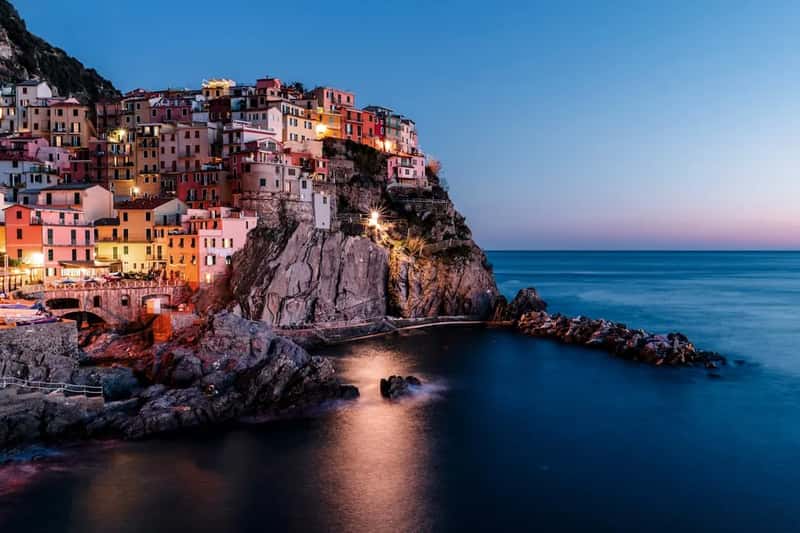
Italy’s version of a retirement visa, the Elective Residency Visa, sets one of the higher bars on this list. The minimum income requirement for the visa in 2026 is €32,000 per year for a single applicant and €38,000 for a couple. That’s well beyond what an average Social Security check provides alone, which means Italy tends to work best for retirees claiming near the top of the benefit range or pairing Social Security with a pension or investment income.
Where Italy compensates is in regional cost differences. In Rome and Milan, a one bedroom apartment rents for about $1,500 per month, while in Lecce, the same costs $620. The visa itself is strict about its purpose, since the visa does not allow work of any kind and is not suited for professionals, and renewing it means spending at least 183 days per year in the country. For someone drawn to southern Italy’s smaller towns rather than its famous cities, the income bar becomes noticeably easier to clear.
Bulgaria

Bulgaria rarely makes glossy retirement lists, but it consistently shows up in cost of living data as one of the least expensive countries in the European Union. Several European countries have average monthly costs below €1,000 including Portugal, North Macedonia, Hungary, Russia, Turkey, Bosnia and Herzegovina, Latvia, Montenegro, Serbia, Ukraine, Georgia, Bulgaria, Albania, Lithuania, Romania. One recent ranking built specifically for budget conscious retirees placed Malta, Bulgaria, Greece among the top three low cost destinations for affordability, safety, and healthcare quality combined.
Bulgaria’s appeal for Social Security recipients comes down to simple arithmetic. Its flat personal income tax rate of 10 percent is among the lowest in Europe, and since 2024 the country has been part of the Schengen area by air and sea, with land border checks lifted in 2025, making travel across the rest of the continent far easier for residents. For a retiree whose monthly benefit sits closer to the national average than the maximum, Bulgaria offers something the pricier Western European countries simply cannot: genuine breathing room in the monthly budget.
Weighing the trade offs

None of these five countries make retiring abroad effortless. Visa paperwork takes months, income thresholds shift with local minimum wage adjustments, and healthcare access often depends on how quickly you establish legal residency. What they share is a rare combination: cost structures and immigration rules that don’t assume every retiree arrives with a seven figure nest egg.
For someone living on an average Social Security check, that combination matters more than climate or cuisine. Portugal and Bulgaria offer the most forgiving income math today, while Spain, Greece, and Italy reward retirees who can pair their benefit with even modest additional savings. The right fit ultimately depends less on postcard appeal and more on which country’s numbers actually match the check arriving each month.