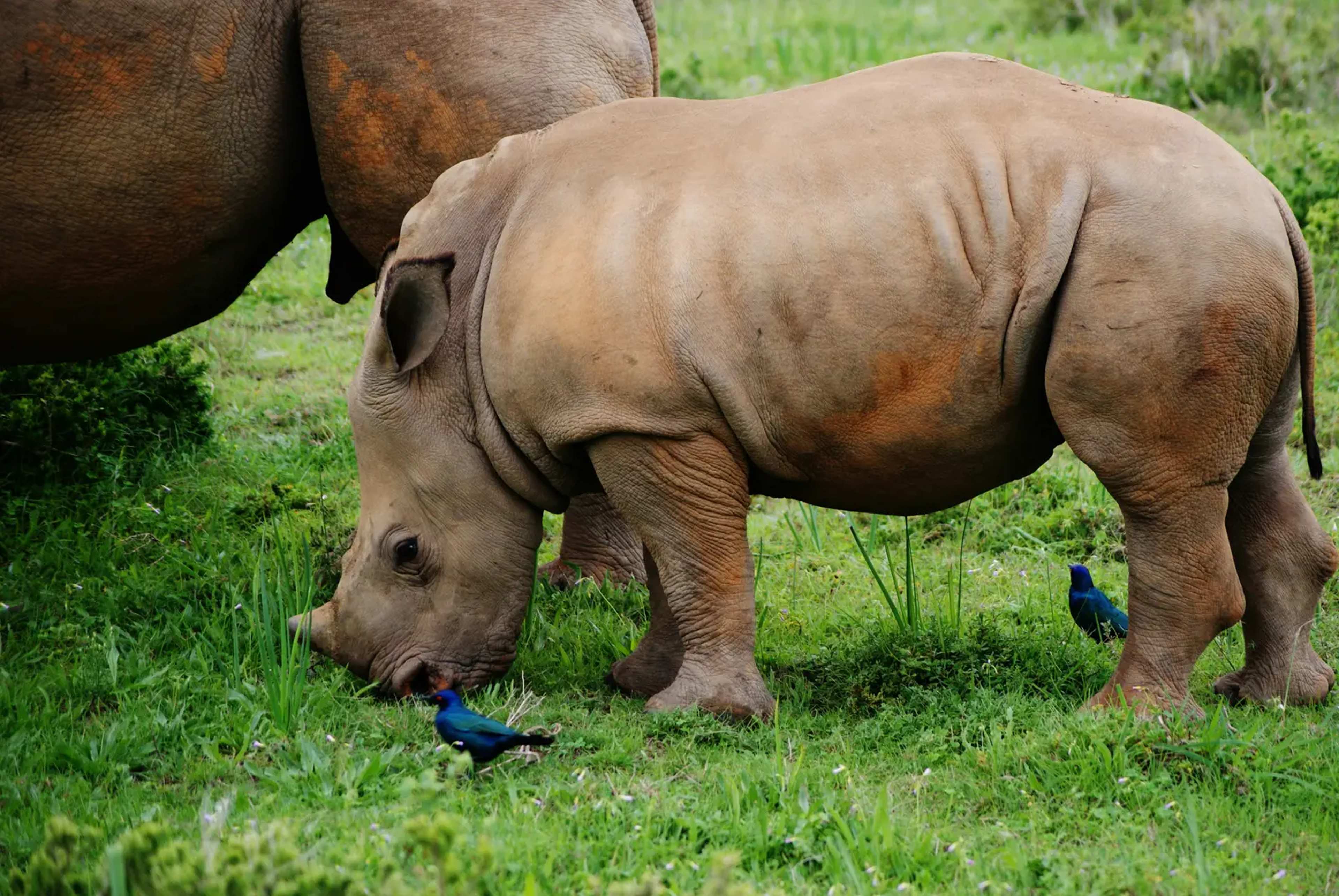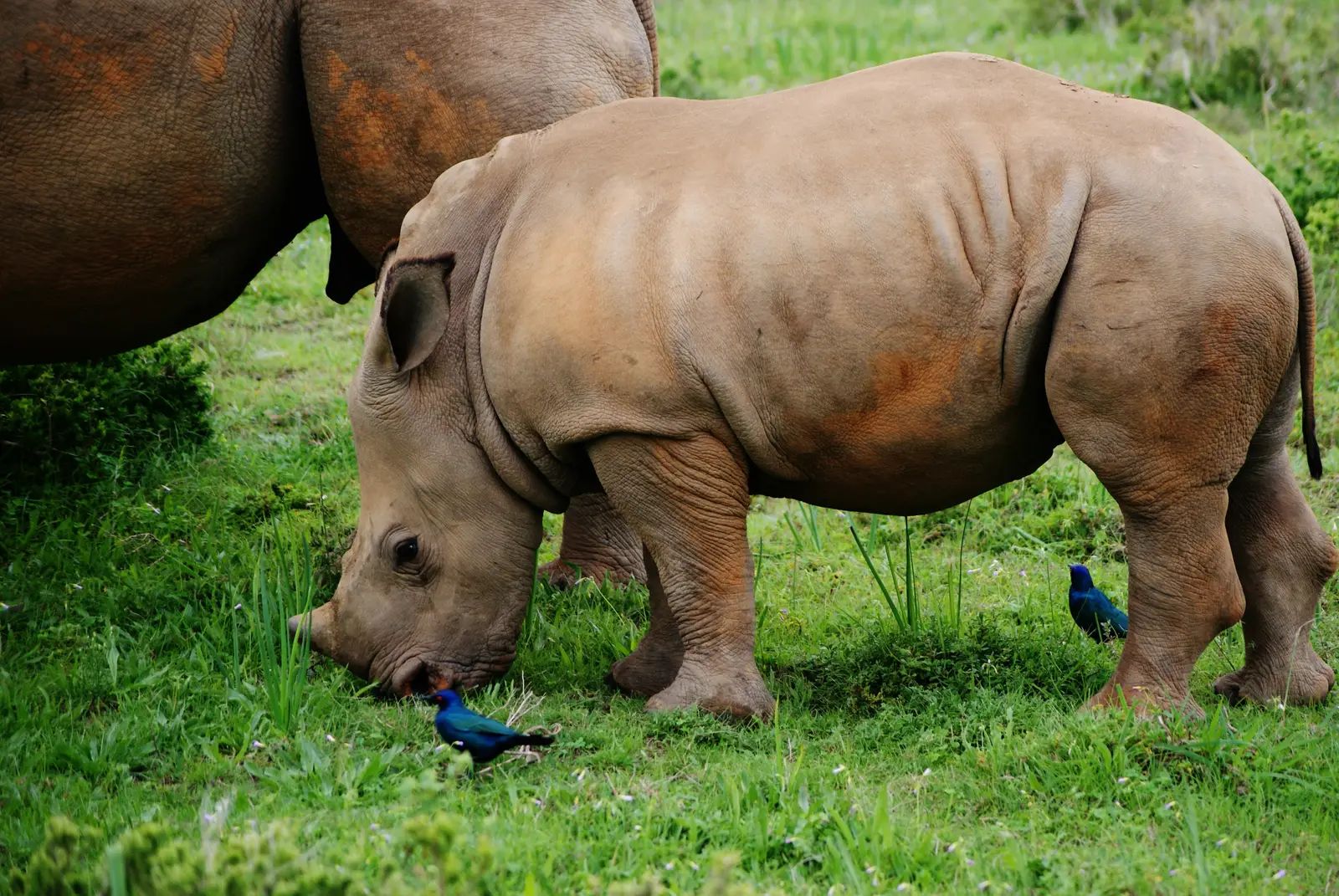
Indonesia’s Sumatran Rhino Sanctuary is preparing for two births expected next year, a development that stands out for a species reduced to roughly a few dozen individuals in the wild. The pregnancies involve a mother and daughter pair whose family ties also underscore the narrow genetic options available to the captive breeding effort. Officials from Indonesia’s Ministry of Forestry and the NGO Yayasan Badak Indonesia announced the news on October 3.
The Animals and Their Expected Calves
Ratu, captured from the wild in Sumatra in 2005, is carrying her fourth calf. The father is Andalas, a male born at Cincinnati Zoo in 2001. Their daughter Delilah, born at the sanctuary in 2016, is pregnant for the second time. Her calf was sired by Harapan, another male born at the same U.S. zoo in 2007. Both pregnancies are due around May 2027. The two males are full brothers, which means the father of Delilah’s calf is her paternal uncle. Sanctuary staff work to match the least-related animals possible while also weighing practical factors such as body size. With only eleven Sumatran rhinos in the global captive program, those choices remain limited.
Genetic Pressures on the Breeding Program
All males currently held in the Indonesian program are related, a situation that forces difficult trade-offs between immediate reproduction and long-term genetic health. The small population size means every successful birth carries added weight, yet it also increases the risk of inbreeding over successive generations. Program managers have stated that the urgency of preventing further population decline takes precedence over ideal genetic pairings at this stage. Experts note that the captive group represents the only Sumatran rhinos under human care anywhere in the world, making each decision about pairings especially consequential for the species’ future.
Stakeholders and Next Steps
The sanctuary operates under the joint oversight of the Ministry of Forestry and Yayasan Badak Indonesia, with technical support from international partners including the International Rhino Foundation. Staff continue daily monitoring of the two females to ensure healthy gestation and delivery. Timeline pressures are clear: the calves are not expected until mid-2027, leaving more than a year of careful management ahead. Any complications during that period would further strain an already constrained breeding pool.
- Two pregnancies confirmed at the Sumatran Rhino Sanctuary.
- Expected births around May 2027.
- Family relationships among the parents raise inbreeding considerations.
- Only eleven animals remain in the global captive program.
The pregnancies illustrate both the incremental progress possible in intensive conservation settings and the persistent biological limits that still confront the species. Continued attention to health, pairing decisions, and eventual reintroduction planning will determine how much these births ultimately contribute to long-term recovery.