Anyone who has sprinted through a terminal chasing a boarding call knows that not all airports are built the same. Some feel like obstacle courses, with long queues, chaotic signage, and gate changes announced at the last possible second. Others seem almost designed to keep your blood pressure steady, from the moment you check in bags to the second you settle into your seat.
Every year, the Skytrax World Airport Awards collect feedback from travelers across more than a hundred nationalities to identify which hubs genuinely make flying easier. The 2025 to 2026 survey period ran from August 2025 through February 2026, and the results point to a handful of airports that consistently keep stress levels low. Here is a closer look at the five that came out on top.
Singapore Changi Airport
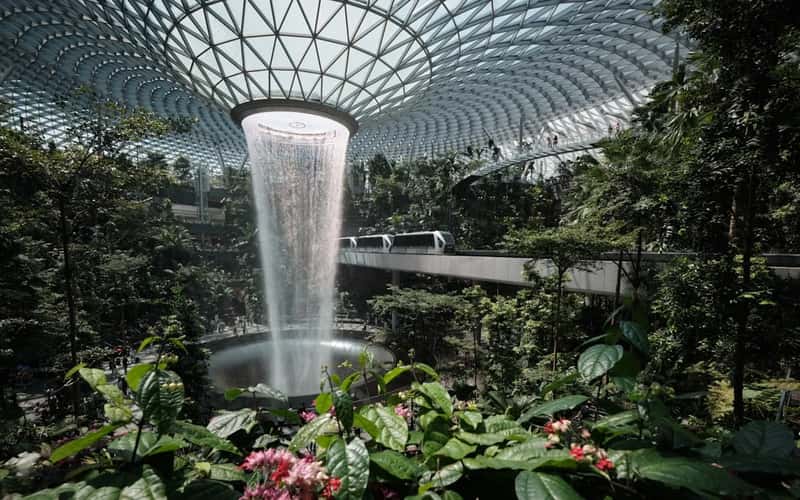
Singapore Changi has held its position at the very top of global airport rankings for years, and the 2026 results confirm that streak once again. Changi Airport in Singapore was named the world’s best airport, holding the top spot for many years in a row thanks to fast passport control, high-quality infrastructure, and comfortable conditions for transit passengers. A separate travel insurance industry study reached a similar conclusion, giving Changi an outstanding score across nearly every category that affects traveler stress.
The airport scored the highest for immigration and customs at 92 percent, security check at 92 percent, check-in wait times at 93 percent, and ease of getting to the airport at 94 percent, while also having the second-lowest rate of flight cancellations, averaging 0.19 percent over the past year. Much of that efficiency comes down to technology, since Changi features automated check-in counters and biometric authentication to speed up immigration procedures, and it recently became one of the first airports in the world to offer passport-free immigration clearance at all terminals, allowing travelers to clear immigration in as little as ten seconds. Beyond the paperwork, there is also plenty to do while waiting, including a butterfly garden, a free 24-hour cinema, and a rock climbing facility.
Incheon International Airport
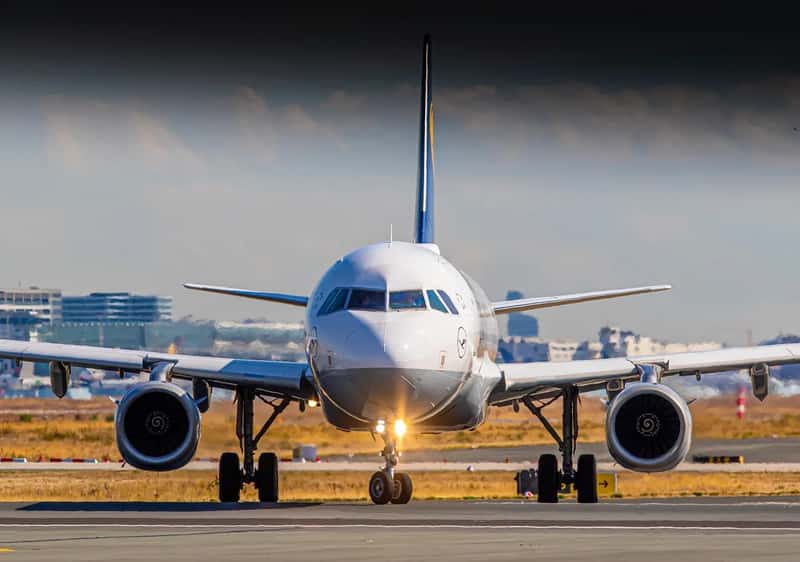
Seoul’s Incheon International Airport landed in second place on the 2026 Skytrax ranking, a result that reflects years of steady investment in passenger comfort. Incheon International Airport was placed second, right behind Singapore Changi Airport, which took the top spot. The airport has built a reputation not just for speed but for making the whole process feel manageable, even during peak travel periods.
Incheon stands out for how easy it feels to travel through, and it is especially good for families, with thoughtful facilities and smooth passenger flow that keeps stress low. That reputation carries over into other surveys too, since separate research on stress-free airports placed Incheon among the very best in the world, and it recorded the lowest rate of cancelled flights among the airports studied. For travelers connecting through Asia, Incheon has become something of a benchmark for what a calm, well-organized international hub should look like.
Tokyo Haneda Airport
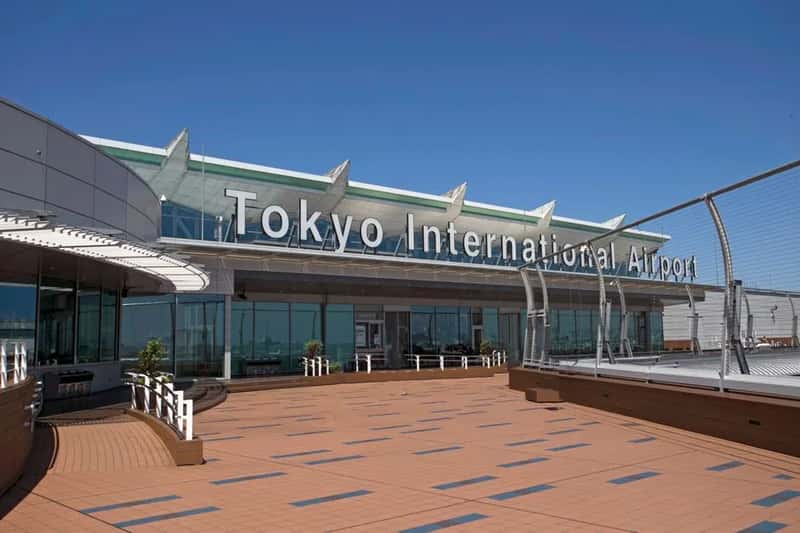
Tokyo Haneda took third place in the 2026 rankings, and it earned its spot through a combination of order, cleanliness, and thoughtful design. Tokyo Haneda Airport was ranked third in the overall standings. Unlike some sprawling international hubs, Haneda manages to feel calm even when handling significant passenger volumes.
Travelers repeatedly single out its attention to detail, and the airport backs that reputation up with hard data. It is clean, efficient, and incredibly well-organised, and Tokyo Haneda Airport also wins the title of the world’s cleanest airport among major hubs, which says a lot about attention to detail. That distinction held again in the most recent survey cycle, with Tokyo Haneda Airport named the cleanest major airport in the world by Skytrax in 2026. A tidy, predictable environment tends to translate directly into a calmer passenger experience, which likely explains why Haneda keeps appearing near the top of these lists year after year.
Hong Kong International Airport
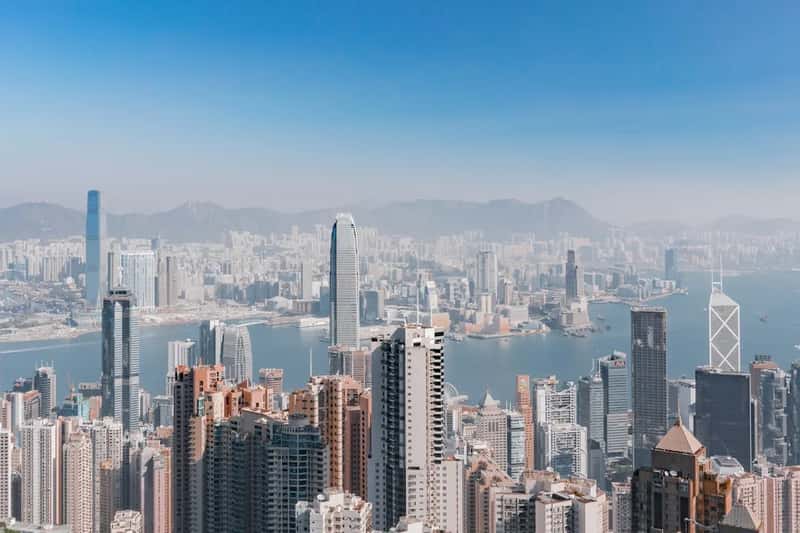
Hong Kong International Airport claimed the fourth spot, marking a notable rebound for a hub that faced disruptions in prior years. Hong Kong International Airport is making a strong comeback this year. Passengers moving through security and immigration have noticed the difference, and the feedback reflects that shift.
Passengers highlighted fast and efficient security checks, along with reliable infrastructure that keeps things moving. The airport also benefits from its role as a major connecting point across Asia, offering the kind of scale that usually creates bottlenecks elsewhere but rarely does here. Hong Kong International Airport stands out for its global connectivity and advanced infrastructure, serving as a major international hub with excellent transit facilities, and it is also known for its premium shopping, dining, and smooth passenger handling systems. For travelers with tight layovers, that smoothness matters as much as any lounge or shopping outlet.
Tokyo Narita Airport
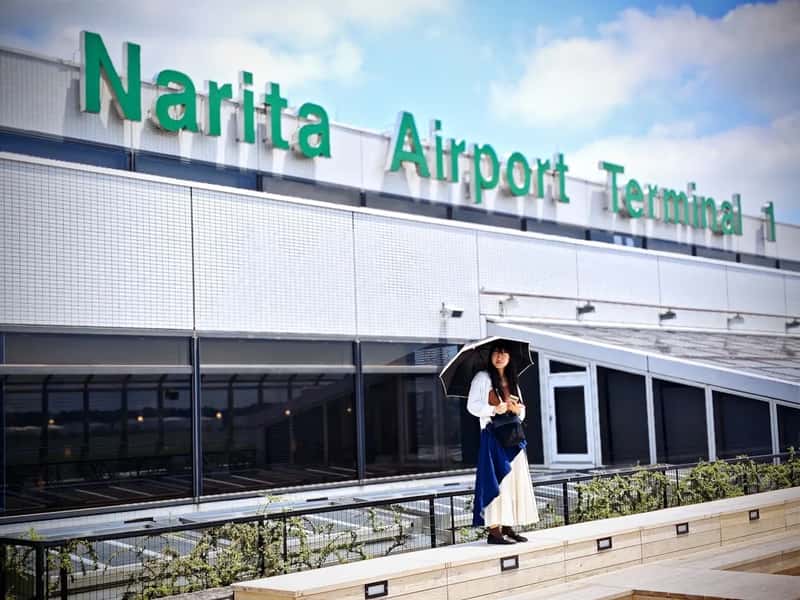
Rounding out the top five is Tokyo Narita Airport, Japan’s other major international gateway and a longtime fixture in global rankings. Tokyo Narita Airport completes the top five list, offering a high level of service quality and efficiency, and it is particularly strong in international connectivity and passenger comfort. While Haneda tends to get more attention for its cleanliness title, Narita holds its own on nearly every other measure that matters to travelers.
Its strength lies less in flash and more in consistency, which is often what keeps stress levels low during a long travel day. Narita is known for its organized operations, cleanliness, and wide range of passenger amenities. For long-haul travelers arriving after ten or twelve hours in the air, that kind of predictability can matter more than any single amenity, since a smooth exit through immigration and customs often does more for morale than a good meal ever could.
Final Thoughts

Four of the five spots on this list belong to airports in East Asia, a pattern that shows up consistently across multiple independent surveys, not just the Skytrax rankings. Fast biometric processing, clean terminals, and reliable on time performance seem to matter more to travelers than flashy architecture or endless retail options. If a calm departure or arrival is part of what makes a trip enjoyable, these five hubs remain a solid benchmark for what the rest of the industry is still working to catch up to.