Choosing a place to raise children abroad often comes down to one question that outweighs almost everything else: will my kid get a genuinely good education without me paying private-school tuition every month? For many expat families, the answer lies not in glossy international academies but in strong national public systems that welcome foreign children with open arms and consistently high academic standards. A handful of countries have built public education systems so reliable that families relocate specifically to access them, and the data backs up why.
Below are five nations that stand out in 2026 for the quality, accessibility, and expat-friendliness of their public schools. Each has its own personality, from disciplined test-driven classrooms to relaxed bike-riding school runs, but all five share a track record of measurable academic strength combined with genuine openness to newcomers.
Singapore
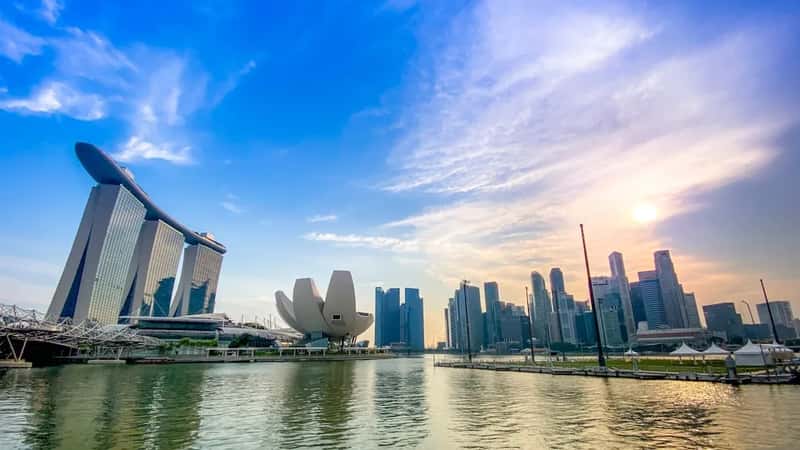
Singapore has become something of a benchmark for education quality worldwide, and the numbers explain why. Singapore consistently ranks among the top three countries globally for math, science, and reading.[1] On the OECD’s PISA assessment, Singapore topped the world education ranking with pupils excelling in math, science and reading, scoring 560 points and finishing almost three to five years ahead of their peers on average.[2] That is not a fluke result from one testing cycle either; the city-state has held its position near the top for over a decade.
What makes Singapore genuinely attractive for relocating families is how accessible this quality is. Singapore is widely regarded as one of the best expat family destinations globally, combining safety, infrastructure, excellent schooling, and an English-speaking environment.[3] Families who arrive through the right visa pathways find that safe, high-performing public schools and international campuses offering IB and British curricula[1] are readily available, and English as the language of instruction removes a major barrier that trips up families elsewhere.
Canada
Canada rarely tops headline rankings the way Singapore does, but its public school system quietly delivers some of the most consistent results in the Western world. PISA scores rank Canada in the top 10 globally, and the public school system is free and multilingual.[4] That combination of strong outcomes and zero tuition cost makes it a favorite among expat families who want quality without the private-school price tag common in many other developed nations.
Beyond raw test scores, Canada offers something particularly useful for expat children trying to build a new social life: genuine cultural mixing. The multicultural fabric of cities like Toronto, Vancouver, and Montreal means expat children integrate quickly.[4] Families also benefit from language flexibility, since French immersion programs are available across the country, giving children the advantage of growing up bilingual.[4] Education researchers regularly note that Canadian public schools rank among the best in the world, often scoring above the U.S.[5], which reassures American families in particular that the move won’t mean a step down academically.
Switzerland
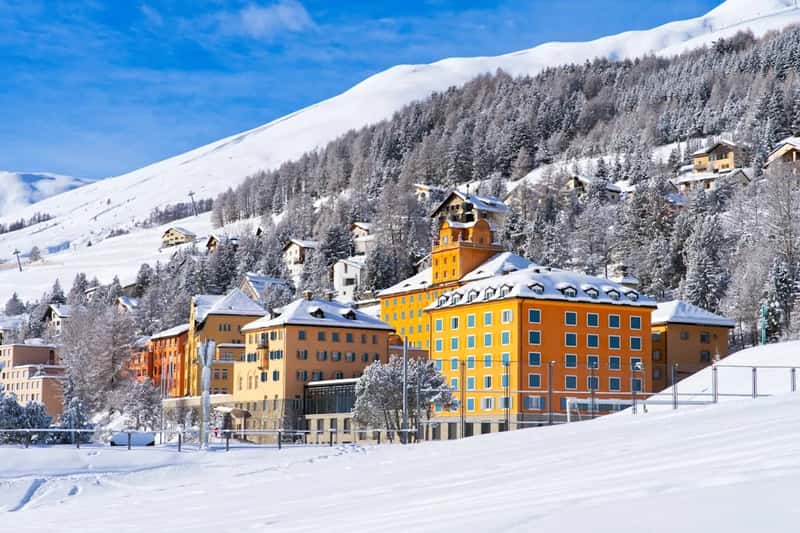
Switzerland’s education system does not chase flashy rankings, but its practical, multilingual approach has quietly earned it a reputation as one of the most reliable systems in Europe. Switzerland ranks high because of its multilingual schooling and world-leading vocational training model.[1] Outcomes are near universal too, since more than 90 percent of students complete upper secondary education, and literacy rates are near universal.[1]
For expat families, the appeal is straightforward. Public education is free and high-quality, available in German, French, or Italian, while private international schools cater to expats.[1] That dual system means families can choose full immersion in the local language track or ease their children in gradually, depending on how long they plan to stay. Recent PISA cycles have also shown genuine improvement, with Switzerland climbing 10 spots in the rankings[6], a sign that the system is not just stable but actively strengthening.
Japan
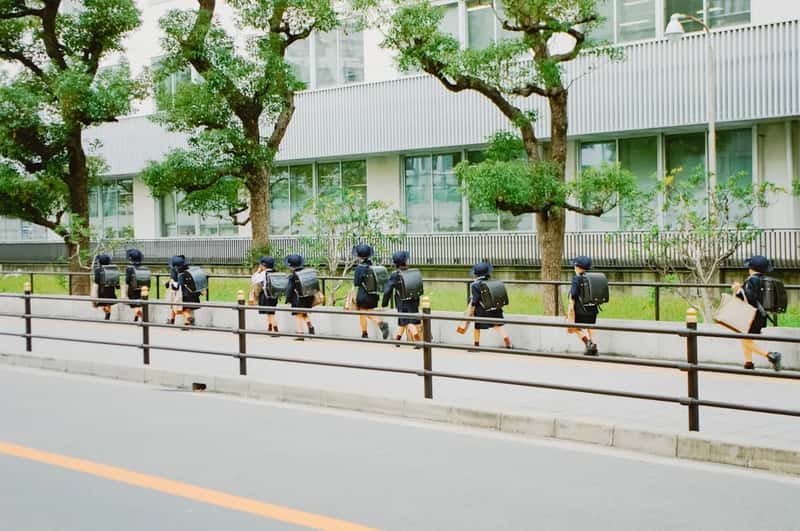
Japan’s public schools consistently place among the best-performing systems on earth. Independent 2026 analysis using OECD data ranked Singapore, Japan, and Taiwan[7] as the leading education systems worldwide, with Japan scoring at the very top of the dataset alongside its Asian peers. On subject-specific measures, Japan has climbed steadily too, with Japan rising from 520 to 533[6] on recent PISA science and math measures, reflecting a system that adapted well even through pandemic disruptions.
What sets Japan apart for expat parents, though, isn’t just the test scores. It’s the environment around the school itself. Japan offers something no other country can match when it comes to child safety, with children as young as six routinely walking to school alone, riding subways, and running errands in their neighborhoods.[4] For families used to constant supervision elsewhere, this level of independence combined with academic rigor is a rare and valued combination.
The Netherlands
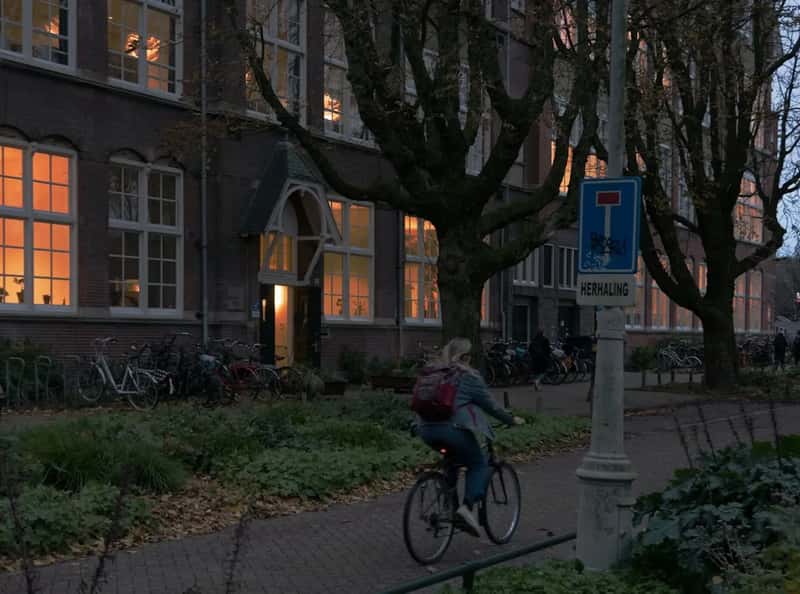
The Netherlands rarely gets the same headline attention as Singapore or Japan, but it consistently appears on lists of the best places in the world to raise and educate a child. Multiple rankings, including the Legatum Prosperity Index, name the UK, Canada, Switzerland, Sweden, Denmark, the Netherlands, Japan, and Italy as recognised for their high-quality schooling systems.[8] The country also scores exceptionally well on broader quality-of-life measures, with the Netherlands scoring highest globally on the Numbeo Quality of Life Index at around 213 in 2026, thanks to its combination of safety, healthcare, and prosperity.[5]
What makes Dutch schools particularly appealing to expat families is the culture inside the classroom. Children’s voices are valued, and many schools even have “children’s councils” to involve students in decisions.[5] Daily life supports this child-centered approach outside school too, since the Netherlands is famously flat and bike-friendly, making independent outdoor play a daily reality for children.[4] For families relocating with younger kids especially, that mix of academic quality and everyday freedom is hard to find elsewhere in Europe.
Choosing the Right Fit for Your Family

No single ranking tells the whole story, and what works brilliantly for one family can feel wrong for another. A household prioritizing raw academic intensity might lean toward Singapore or Japan, while a family that values bilingualism and cultural integration might find Canada or Switzerland a better long-term home. The Netherlands, meanwhile, appeals strongly to parents who want their children treated as active participants in their own education rather than passive recipients of it.
What all five countries share is proof that strong public education and expat-friendliness are not mutually exclusive. Each has built a system where foreign children can walk into a classroom on day one and receive an education that rivals, or beats, what many private international schools charge thousands of dollars a year to deliver. For families weighing a move abroad, that combination of quality and accessibility is worth far more than any single test score.