Traveling alone as a woman comes with its own quiet calculus. You weigh the freedom of moving through a new place on your own terms against the reality that not every destination treats a woman traveling solo the same way. Some countries make that calculation almost effortless. Others complicate it in ways that go beyond ordinary travel risk, touching on legal restrictions, harassment, or outright danger tied to gender.
The good news is that global data on safety, from peace indices to on-the-ground crime statistics, gives a fairly clear picture of where solo women can move with relative ease, and where caution needs to turn into avoidance altogether.
Iceland: The benchmark for solo travel confidence
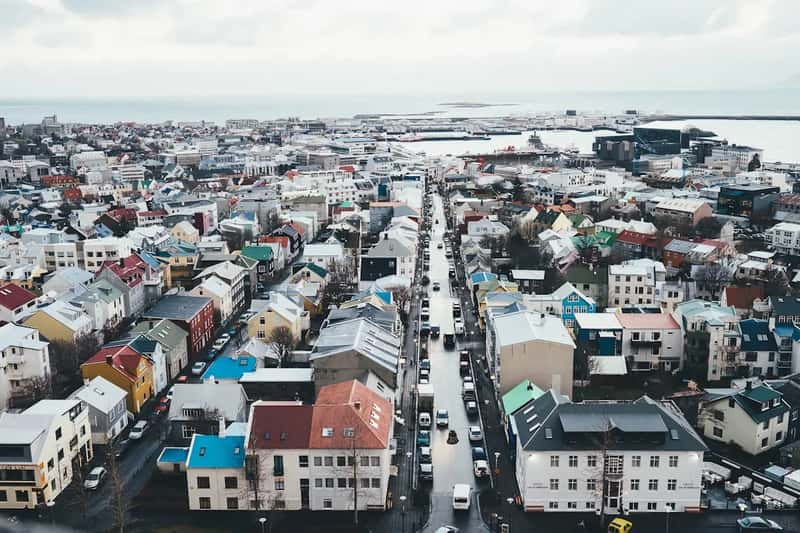
Iceland has held the top spot on the Global Peace Index for well over a decade, and that ranking is not just a statistic tourists cite casually. According to the Global Peace Index, Iceland is the safest country in the world for the 15th year in a row, a Nordic nation with a relatively small population that has a very low level of crime, typically attributed to its high standard of living, small population, strong social attitudes against crime, and a high level of trust in its well-trained police force. Even the police reflect that calm: Iceland has no military, and the police do not carry firearms, only extendable batons and pepper spray.
Beyond the statistics, Iceland offers something practical for a woman traveling alone, a small and navigable country where hitchhiking culture and hostel networks make it easy to connect with other travelers. Reykjavik functions as a natural home base, walkable and compact, with day trips reaching glaciers, geysers, and geothermal spas without much logistical strain. The legal backbone matters too, since Iceland has laws in place to guarantee equality, such as legal same-sex marriage and same-sex adoptions, religious freedom, and equal pay for men and women.
Denmark: Steady, orderly, and quietly reassuring
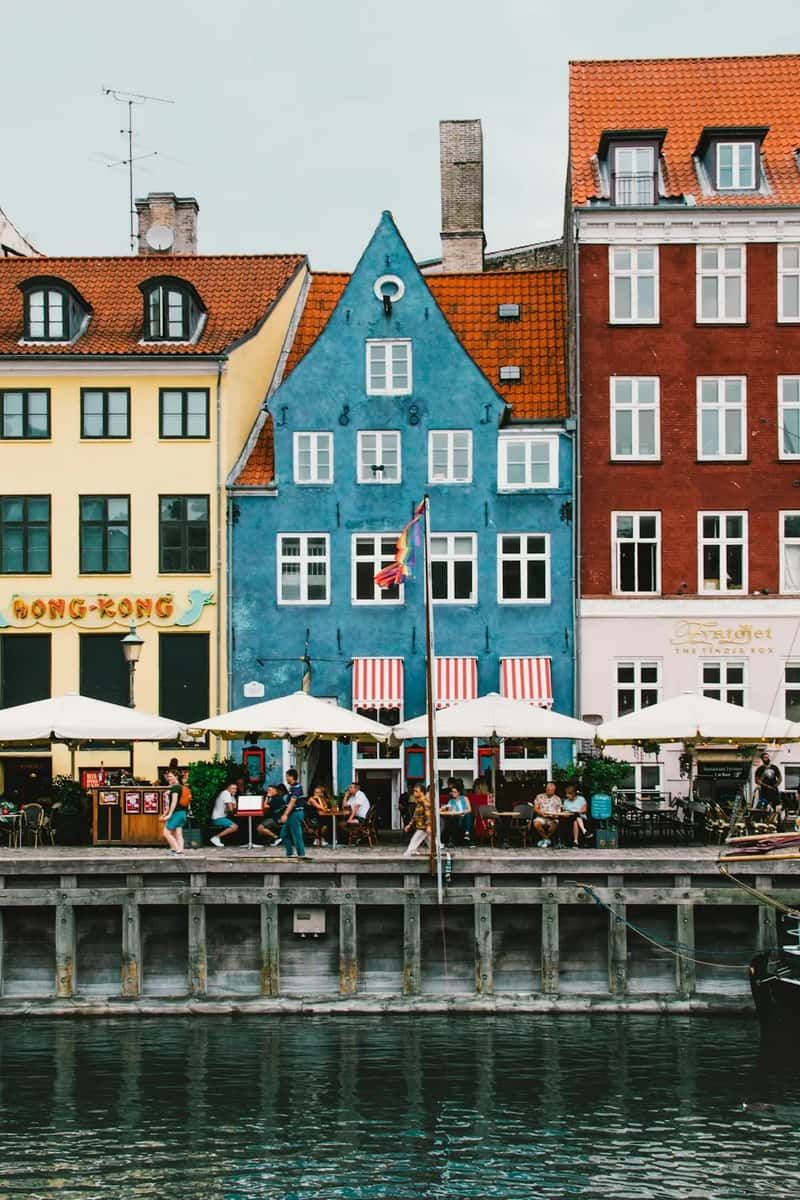
Denmark rarely tops headline lists the way Iceland does, but its consistency is exactly the point. A safe country to travel and live in, Denmark is characterized by a high degree of political stability, freedom of the press, and respect for human rights, boasting a high level of income equality and frequently ranking as one of the happiest nations in the world. That stability translates directly into how streets feel after dark.
What stands out for solo women specifically is the everyday sense of ease. Denmark is one of the few countries where people report feeling safe at any time of day or night, even children. Copenhagen in particular rewards independent exploration, with flat terrain, an enormous bike network, and food halls where dining alone draws no attention whatsoever. The city’s layout and culture make solo movement feel less like a workaround and more like the default way of getting around.
Japan: Safety that surprises first-time visitors
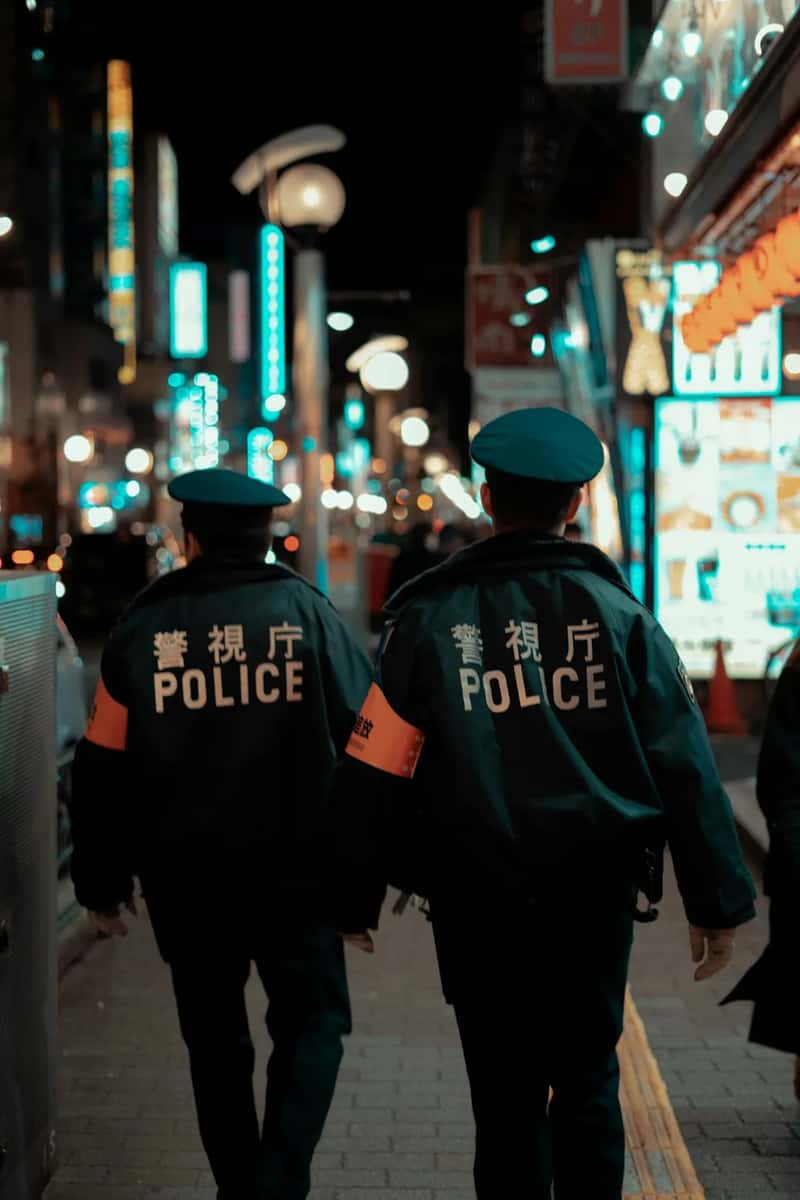
Japan tends to catch newcomers off guard, since a country of this size and density is not what most people picture when they think of a low-crime destination. Yet it consistently ranks among the safest nations in the world, a fact borne out by both official crime statistics and years of traveler testimony. Well-lit streets, an almost universal culture of returning lost items, and a heavy, visible police presence in cities all contribute to a sense of order that solo travelers notice almost immediately.
The trade-off is more social than physical. Japan is not known for a thriving hostel scene, and language barriers can leave solo travelers feeling isolated at times, even while remaining perfectly safe. Female-only train carriages during rush hour, widespread convenience store culture that keeps something open on nearly every corner, and clean, punctual public transport all add layers of practical reassurance that go beyond simple crime numbers.
Ireland: Warmth as a safety feature
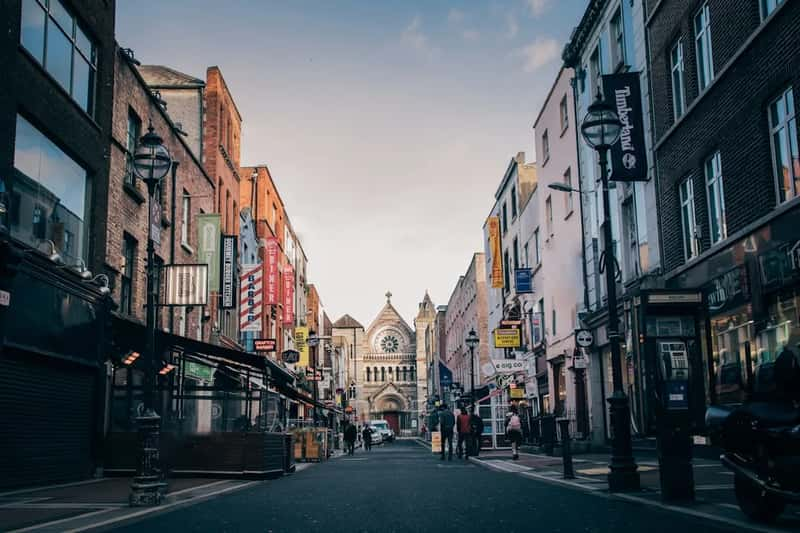
Ireland’s appeal for solo female travelers rests on something a little harder to quantify than crime statistics, though those numbers hold up too. Ireland ranks second among the safest countries in the world in 2025. Dublin has earned specific recognition for its walkability and welcoming atmosphere among solo travelers, and that reputation extends well beyond the capital.
The countryside adds another dimension entirely. Regions like the Wild Atlantic Way, Connemara, and the Ring of Kerry offer solo exploration without the isolation that can come with remote travel elsewhere, largely because English is spoken everywhere and small-town hospitality tends to fold strangers into conversation quickly. Pub culture, often intimidating to imagine alone, turns out to be one of the easiest social entry points for a woman traveling by herself.
Portugal: Affordable, walkable, and increasingly popular
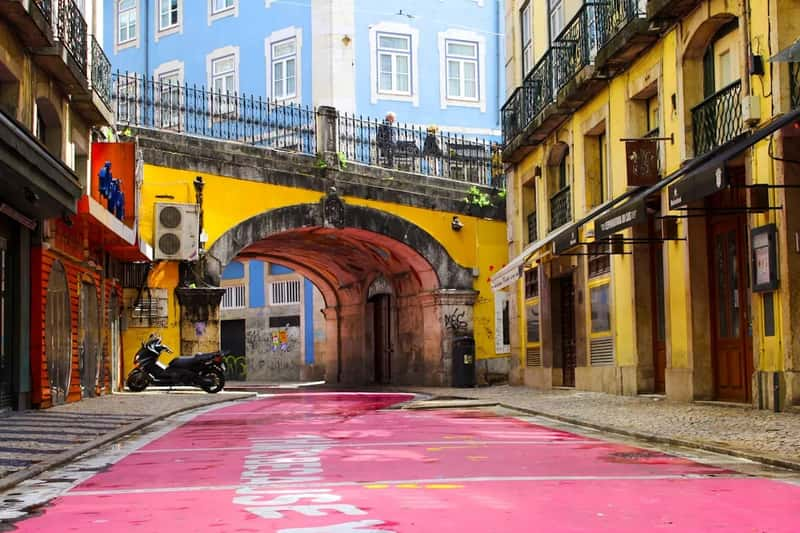
Portugal has climbed steadily up global safety rankings in recent years, landing among the top ten most peaceful countries. Portugal ranks seventh among the safest countries in the world for 2025. That ranking, combined with a lower cost of living than much of Western Europe, has made it a favorite for longer solo stays rather than quick visits.
Lisbon and Porto both offer compact, walkable centers where getting lost rarely feels dangerous, just inconvenient. Locals have a reputation for friendliness that solo travelers frequently mention, and the country’s tourism infrastructure, from coworking spaces to English-friendly cafes, has matured enough to support the growing wave of remote workers and solo travelers choosing to stay for weeks rather than days.
Afghanistan: Legal restrictions that go far beyond ordinary risk
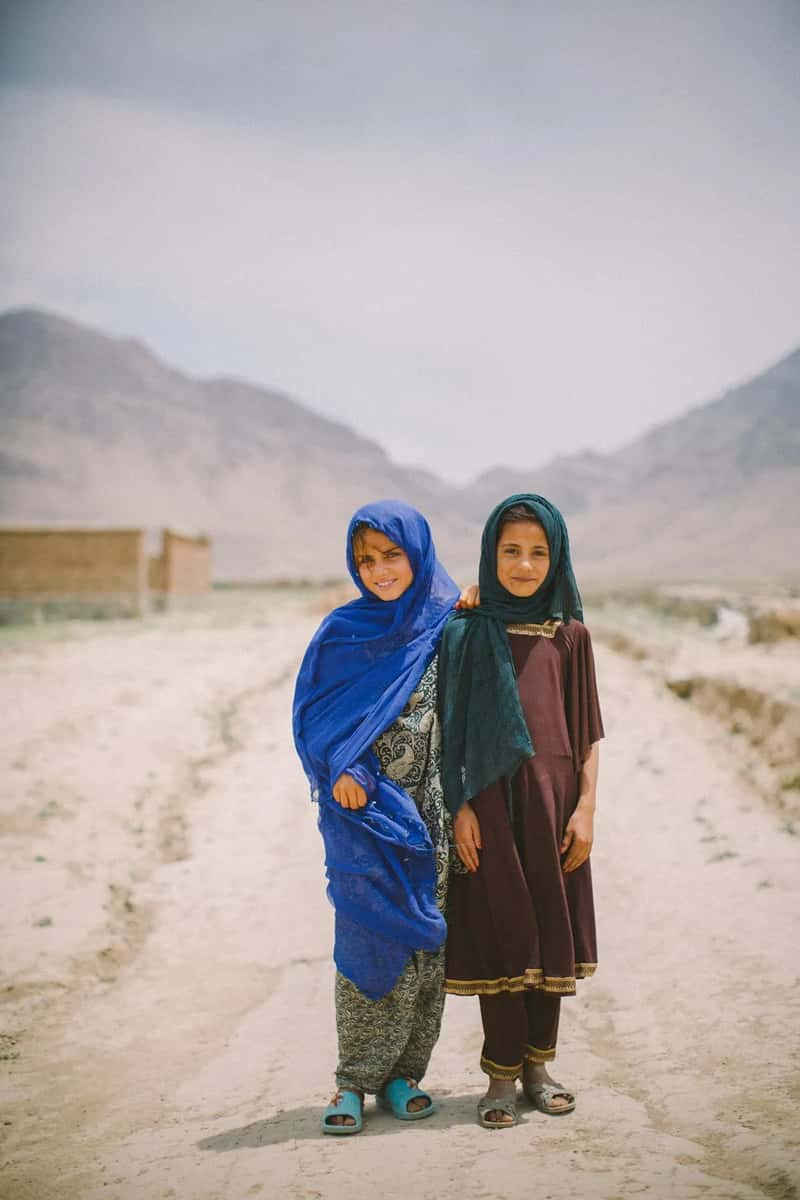
Afghanistan sits at the opposite end of the spectrum, and the reasons go well beyond typical travel-safety concerns. The U.S. Department of State has maintained its Level 4 Do Not Travel advisory due to a combination of political collapse, terrorism, armed conflict, and a lack of basic consular services, with the country experiencing significant shifts in governance and civilian safety since the Taliban’s takeover in August 2021, leaving travelers highly vulnerable, largely because there is no recognized, stable government.
For women specifically, the situation is even starker than the general advisory suggests. Restrictions on movement, dress, and independent activity under current governance make solo travel not just risky but often practically unworkable for a foreign woman. This is not a case of extra precaution solving the problem, since the barriers are structural rather than situational.
Iran: Legal risk layered onto political tension
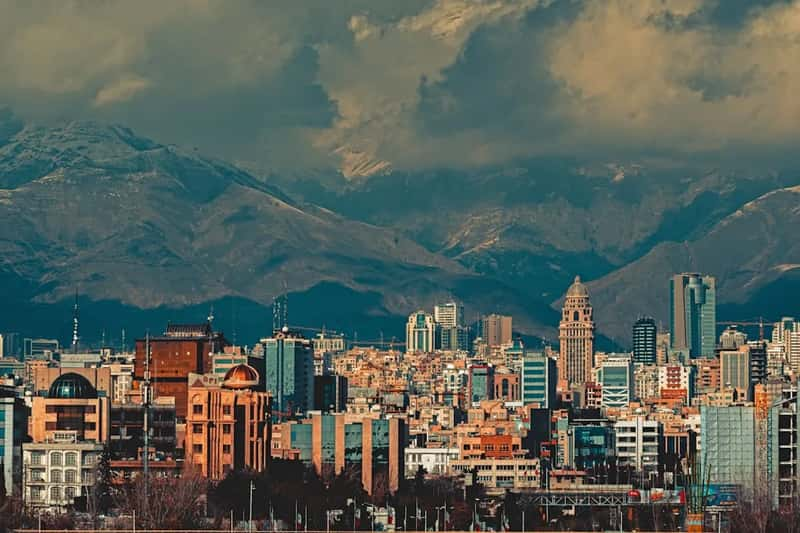
Iran’s inclusion on the Level 4 list reflects both geopolitical instability and specific risks tied to detention. Iran remains among the countries where local armed groups or governance collapse contribute to unpredictable violence and minimal government authority, according to the State Department’s 2026 list of destinations with severe and protracted conditions. Recent conflict, including the 2025 Twelve-Day War with Israel, has only heightened the unpredictability for foreign visitors.
Beyond the political risk, mandatory dress codes and morality policing create day-to-day complications for women that most other destinations simply do not impose. Wrongful detention of foreign nationals, including women, has been documented repeatedly, and the country’s legal system offers little protection or transparency for anyone caught up in it. It is a destination where the risks are less about street crime and more about the state itself.
Yemen: A country still shaped by active conflict
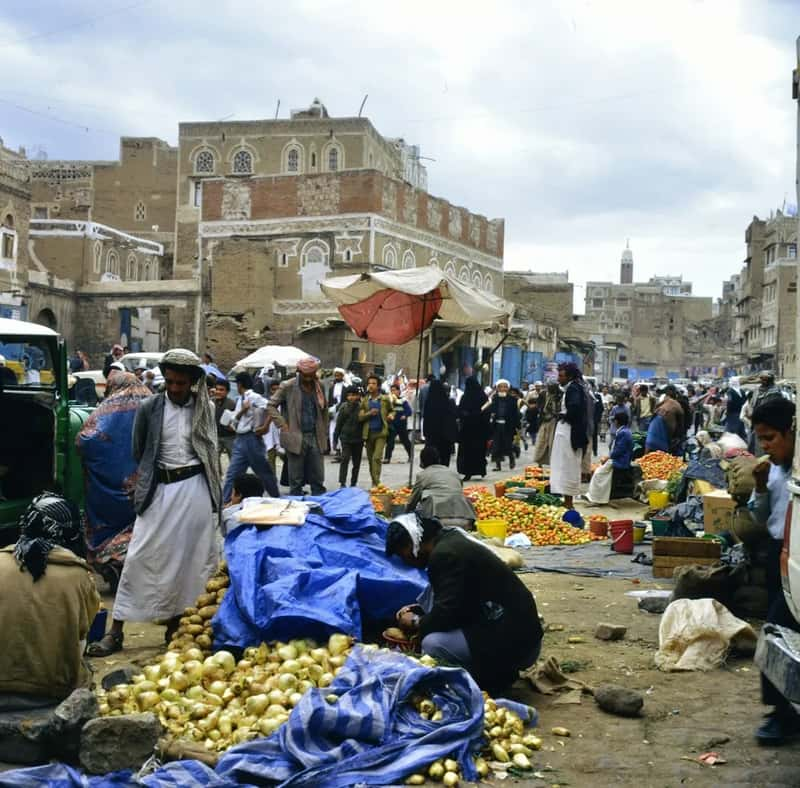
Yemen’s civil war has eased in intensity compared to its peak, but the country remains far from safe for any traveler, let alone someone navigating it alone. Although the death toll in Yemen’s ongoing civil war decreased greatly in 2022, violent terrorist attacks can still happen with little warning, particularly in public places, and the fighting has taken a toll on local infrastructure, impacting the reliability of electricity, clean water, and medical care.
Beyond the direct conflict risk, basic infrastructure that solo travelers rely on elsewhere, reliable transport, functioning healthcare, predictable communication networks, is often unavailable or unreliable. Combined with deeply conservative social norms around women’s movement in public space, Yemen presents a level of risk that has little to do with preparation or experience and everything to do with conditions on the ground.
Venezuela: Crime rates that outpace the headlines
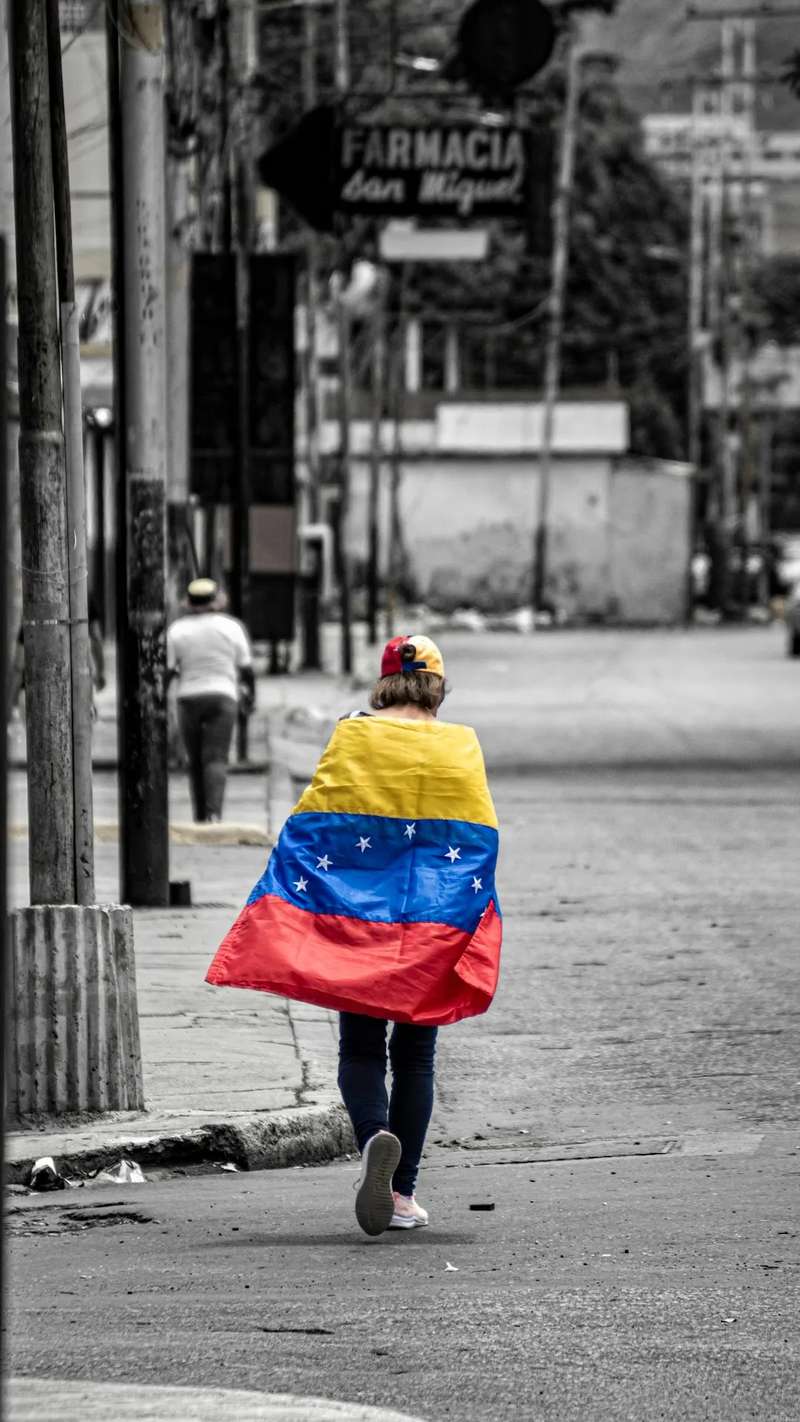
Venezuela’s Level 4 designation reflects a mix of economic collapse and violent crime that has worsened over the past several years. Ruled by a dictatorial regime, Venezuela has experienced frequent shortages of food, gasoline, electricity, water, and medical supplies, with violent crimes including homicide, armed robbery, kidnapping, and carjacking common, and a government known to violate human rights through unlawful detention, torture, and extrajudicial killings. Political developments have only intensified matters recently, with U.S. military action in early 2026 adding further instability.
For a solo woman, the layered risks compound quickly. Petty crime that might be manageable elsewhere becomes far more dangerous in an environment with weak policing, unreliable infrastructure, and a legal system offering little recourse. This is a case where the general instability of the country makes solo travel of any kind, not just for women, an unreasonable risk.
What the safety gap really tells travelers
The contrast between these two groups of countries is not subtle. On one side sit nations with strong institutions, gender equality written into law, and cultures where solo movement barely raises an eyebrow. On the other are places where instability, legal restriction, or active conflict make the ordinary calculations of solo travel irrelevant.
Travel advisories and peace indices are not perfect predictors of individual experience, and plenty of women have navigated difficult places with care and good fortune. Still, the pattern holds up well over time. Choosing a destination with strong safety fundamentals does not guarantee a trouble-free trip, but it removes a whole category of risk that no amount of preparation can fully offset.