Every year, a fresh batch of retirement rankings arrives, and every year the same handful of states keep showing up near the top for reasons that go beyond spreadsheets. It’s not just about tax brackets or average home prices, though those matter plenty. It’s about the quieter stuff too: the pace of daily life, the sense that neighbors actually know each other, and the feeling that a fixed income can still buy a comfortable existence rather than a constant balancing act.
Wyoming: wide open spaces and a tax bill that barely exists
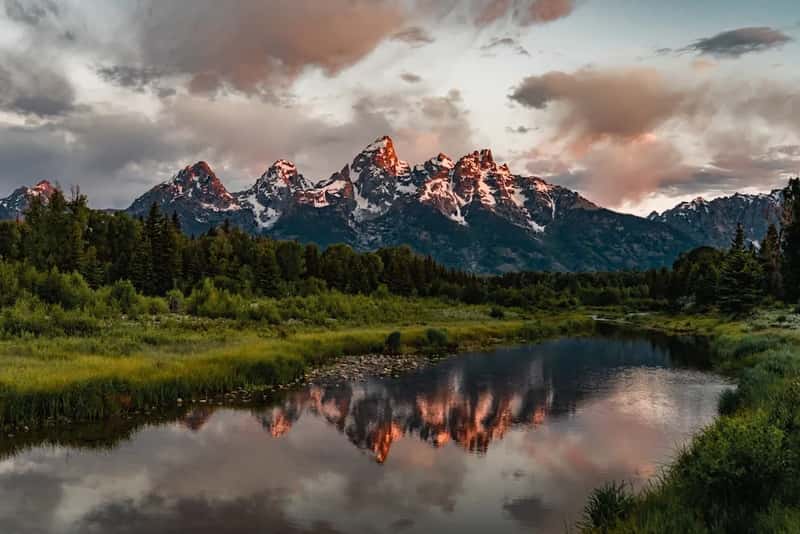
Wyoming has become something of a darling in retirement circles lately, and the numbers explain why. Wyoming ranks No. 1 overall, due to its lack of personal income tax and the nation’s lowest rate of multiple chronic conditions among Medicare beneficiaries, with a moderate cost of living and solid Social Security income offering a compelling blend of affordability and health support.[1] That combination of low health burden and low tax burden is rare enough that it tends to outweigh the state’s other quirks.
WalletHub’s 2026 analysis backs up the enthusiasm from a different angle. Wyoming barely edged out Florida for the overall No. 1 spot, ranking first in affordability, sixth in quality of life, and 33rd among the 50 states in healthcare.[2] That healthcare ranking is the honest caveat here. Rural areas mean fewer specialists nearby, so retirees moving to Wyoming often plan around trips to larger regional hospitals rather than assuming everything will be a short drive away.
Florida: still the retirement capital, even with rising costs

Florida’s reputation as the default retirement state hasn’t faded, and recent data suggests it’s earned. Florida was ranked the second-best state to retire in, with its beaches giving it the second-most miles of shoreline of any state, a factor that helped earn Florida the No. 1 spot in the quality-of-life category.[2] That’s not a small thing. Quality of life scores tend to reflect how people actually feel living somewhere, not just what they pay in taxes.
Healthcare access is a mixed bag, though it’s not the disaster some assume. Healthcare access backs up the appeal, with Florida’s healthcare score supported by systems like Mayo Clinic Jacksonville and Tampa General Hospital, both of which draw retirees who want strong medical infrastructure nearby.[3] The tradeoff most people mention these days is insurance. Property insurance premiums have climbed sharply in hurricane-prone areas, which is why some retirees now look at inland Florida cities rather than the classic coastal towns.
South Dakota: the quiet plains state with a surprising financial edge

South Dakota rarely gets the glamour treatment, but its financial case for retirees is hard to argue with. The Tax Foundation ranks South Dakota second overall on its 2025 State Tax Competitiveness Index, including first place for its individual income tax system, and the state relies more heavily on sales and property taxes, neither of which applies directly to retirement account withdrawals or Social Security benefits.[4] For someone drawing down a 401(k) or living on Social Security, that structure can translate into real savings year after year.
It also happens to sit among the very cheapest places to grow old in America. The strongest combinations are no-income-tax states with low property tax, including Wyoming at 0.56%, Tennessee at 0.56%, and South Dakota at 1.14%.[5] Winters are the honest tradeoff. Anyone weighing a move here should expect long cold stretches and should factor that into how much time they’ll actually want to spend outdoors between November and March.
Tennessee: no income tax with a milder climate to match

Tennessee tends to appeal to a slightly different type of retiree, one who wants tax relief without giving up four real seasons. Tennessee is the value pick, combining zero income tax with a cost of living roughly 10% below the national average, access to four distinct seasons, and a fast-growing metro area in Nashville with excellent healthcare facilities.[6] That mix of affordability and milder winters than the Dakotas or Wyoming is a big part of its draw.
The healthcare picture in Tennessee also tends to score better than in some of the more rural no-tax states. Tennessee, Texas, and Mississippi stand out for having lower healthcare cost indexes, which can impact savings.[7] Combine that with no estate or inheritance tax, and it’s easy to see why Tennessee shows up so often on shortlists for retirees trying to balance cost against convenience.
New Hampshire: high Social Security income meets low tax friction

New Hampshire doesn’t get the sunbelt attention that Florida does, but its financial profile for retirees is genuinely strong. New Hampshire mirrors Wyoming’s tax friendliness, with no personal income tax, and delivers the second-highest Social Security income in the U.S. at $29,422.[1] For retirees whose income leans heavily on Social Security, that combination of a bigger average check and no state tax on it adds up quickly.
The catch, as with most New England states, is cost of living and property taxes rather than income tax. New Hampshire is a no-income-tax state but has a comparatively high property tax rate of 1.86%.[5] Retirees who own their homes outright and plan carefully around property tax exemptions tend to fare best here, especially those drawn to the state’s mix of small towns, mountains, and easy access to Boston.
What these five states have in common

Looking across Wyoming, Florida, South Dakota, Tennessee, and New Hampshire, a pattern emerges that’s more telling than any single ranking. Four of the five have no state income tax at all, and the fifth, Florida, makes up for it with scale and infrastructure built specifically around an enormous retiree population. Housing costs remain the wildcard everywhere, since the median U.S. existing-home price hit an all-time high of $440,600 in June 2026, and housing remains the single largest retirement budget variable.[8]
None of these states are perfect, and none of them will suit every retiree’s priorities equally. Someone who values coastal weather above all else will lean toward Florida despite the insurance headaches, while someone chasing pure tax efficiency might land in Wyoming or South Dakota and simply plan around the winters. The point isn’t that one state wins outright. It’s that each of these five solves a different piece of the retirement puzzle well enough that the people who move there tend to stay.