Winter hits differently depending on where you live, but for the residents of a handful of national capitals, cold isn’t a season so much as a way of life. Some of these cities sit on windswept steppe, others tucked into river valleys that trap frigid air for weeks at a time. What follows is a look at six capitals where winter temperatures regularly drop into territory that would shut down most other places on Earth.
1. Ulaanbaatar, Mongolia
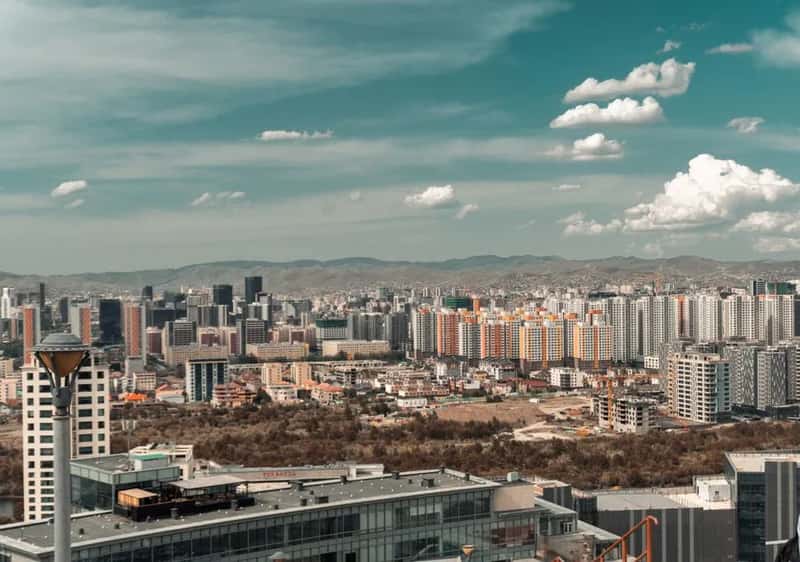
No capital city on the planet gets as cold, on average, as Ulaanbaatar. It has an annual mean temperature of approximately -1.3°C (29.7°F), making it the only national capital on Earth with a sub-zero annual average. The real story, though, is winter. The average daily temperature in January at the Ulaanbaatar airport sits around -23°C (-9°F), with daytime highs reaching roughly -15°C (5°F).
What makes this even stranger is the location. The city sits at 47°55′ north, roughly the same latitude as Seattle, Vienna, Paris, and the southern tip of Vancouver Island. None of those cities come close to this kind of cold, and the difference comes down to elevation, distance from any ocean, and a valley setting that traps dense cold air for weeks. Meteorological data from 2023-2024 recorded Ulaanbaatar’s coldest temperature at -42.2°C in January 2024, reinforcing its position as the planet’s most frigid capital. Winter here isn’t brief, either. Winter conditions begin in October and persist through April, with average temperatures below freezing for more than six months of the year.
2. Astana, Kazakhstan
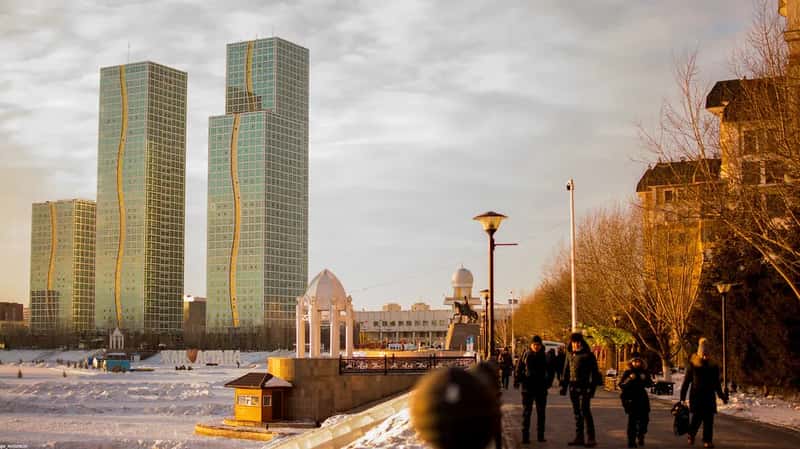
Astana takes the number two spot, and it isn’t close behind Ulaanbaatar so much as it is a distant second overall while still being brutally cold in its own right. Astana, the runner-up to Ulaanbaatar and the second-coldest national capital, averages +3.5°C annually. That annual figure hides just how harsh the winter months actually get. Temperatures rarely rise above freezing during winter, and the January average low is −14.2°C (6.5°F).
The city’s exposure to open steppe makes things worse. Various factors contribute to the city’s cold climate, including strong winds from the Left Bank, which is characterized by an open steppe landscape. The Ishim River, which cuts through the city, freezes solid for most of the season. The Ishim River of the city remains frozen from mid-November to the beginning of April. That’s roughly four and a half months of ice, a detail that says plenty about how long the deep cold actually sticks around here.
3. Ottawa, Canada
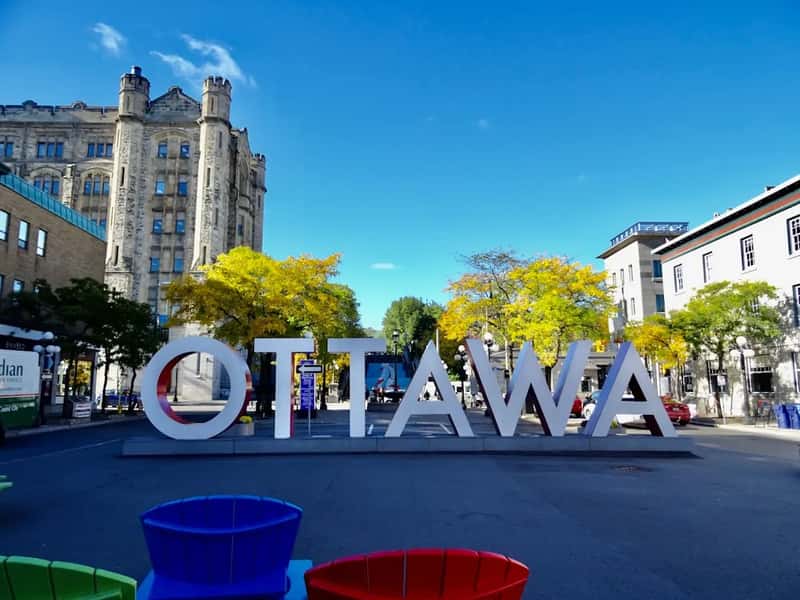
Ottawa is the coldest capital in North America by a wide margin, and its position on this list often surprises people who assume Canada’s harshest weather belongs to smaller northern towns rather than the seat of government. In Ottawa, the average temperature of the coldest month, January, is -9.9°C, while July averages 21.2°C. That nearly 31 degree swing between summer and winter is part of what defines the city’s continental climate.
Cold snaps here aren’t just theoretical. The coldest record for the city is -37.2°C (-35°F), set in January 1957. Snow piles up fast during the coldest stretch of the year too. Snowfall runs from 321mm (12.64 inches) in January down to mere traces of 2mm in May, with a complete absence from June through September. Founded well over a century and a half ago as a small logging town, Ottawa has grown into a city that treats deep winter as simply part of the calendar rather than an emergency.
4. Moscow, Russia
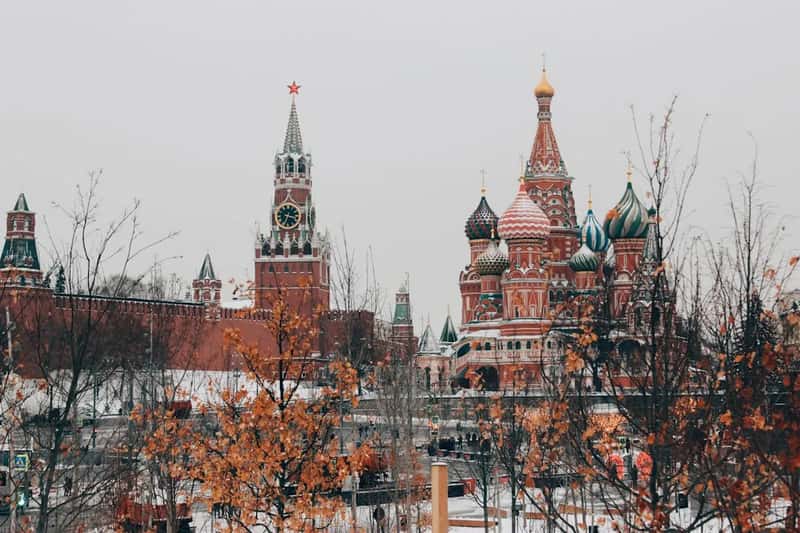
Moscow sits comfortably in the middle of this ranking, cold enough to earn its reputation but noticeably milder in winter than Astana or Ulaanbaatar. The coldest period tends to be January, when average temperatures fluctuate between a high of -4°C (24.8°F) and a low of -9.1°C (15.6°F). That puts the city’s January mean somewhere around -6°C to -7°C, a level of cold that’s serious but manageable compared to what residents further east or on the steppe endure.
The broader climate picture backs this up. The average annual temperature in Moscow, based on 1991-2020 normals, is 6.3°C (43.3°F), though recent years including 2022 through 2025 have trended higher. Snow, unsurprisingly, defines the season. January has the most snowfall days of the year in Moscow, with snow falling for 18 days. That combination of consistent cold and reliable snowfall gives the city its familiar wintery character.
5. Helsinki, Finland
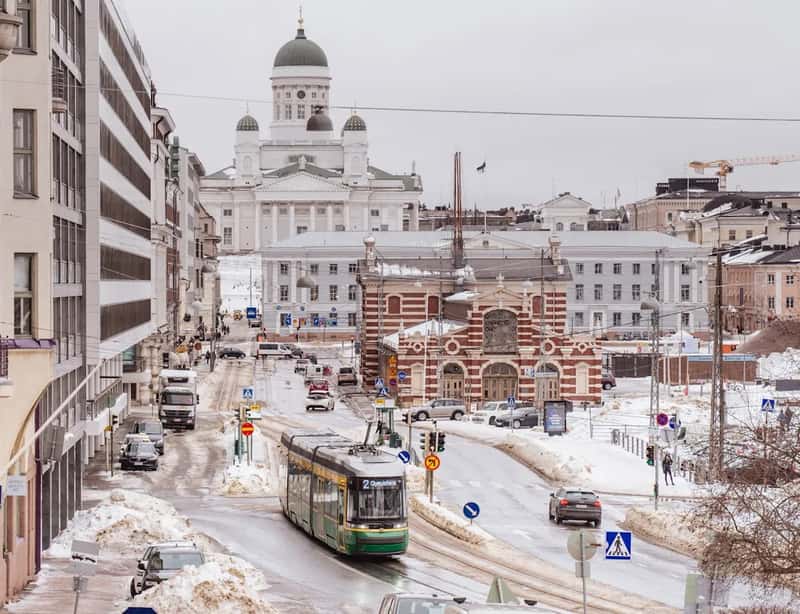
Helsinki is colder than most people expect for a coastal European capital, though its position by the Baltic Sea does soften the extremes compared to inland cities at similar latitudes. Helsinki averages -3.8°C (25.2°F) during January. That’s a meaningfully milder figure than Moscow or Ottawa, but still cold enough to freeze standing water and keep snow on the ground for months.
Individual days can still dip sharply lower than the monthly average suggests. The coldest day of the month has been recorded dropping to -8.2°C (17.2°F). Even coastal water offers no relief during this stretch. Water temperatures begin the month near 1.3°C, warm slightly to around 0.7°C, then dip to -0.2°C as the month ends. It’s a climate shaped as much by short daylight hours and persistent cloud cover as by raw temperature numbers.
6. Reykjavik, Iceland
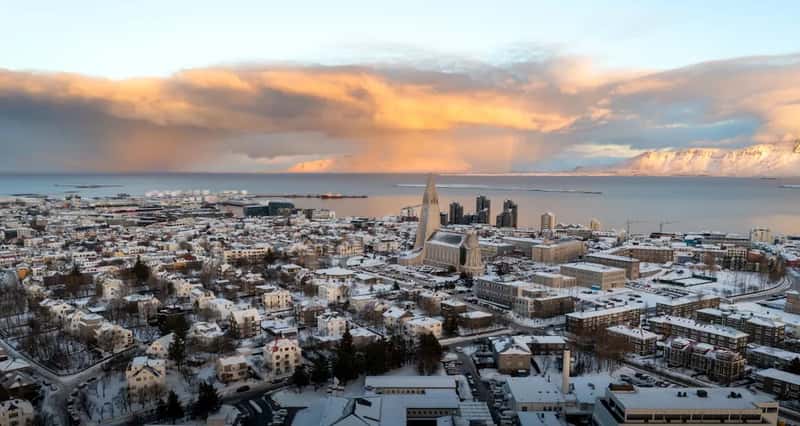
Reykjavik rounds out the list, and it’s the outlier here in an important way. Despite its far northern latitude, it’s the mildest of the six cities in winter. The average January temperature is 0.6°C, with a minimum of -2.2°C and a maximum of 3.4°C. That’s a stark contrast to the deep negative averages seen in the other five capitals on this list.
The reason comes down to ocean currents rather than latitude. Reykjavík, despite sitting at 64°N, well north of the Arctic Circle’s threshold, averages a relatively mild temperature thanks to the moderating influence of the Gulf Stream. Without that warm current running past Iceland’s coast, the city would likely rival Helsinki or Moscow for winter severity. Even so, cold snaps do happen. The coldest temperature ever recorded in the city was -19.7°C (-3.5°F), set in January 1971. It’s a reminder that even the mildest entry on this list still qualifies as a genuinely cold capital by global standards.