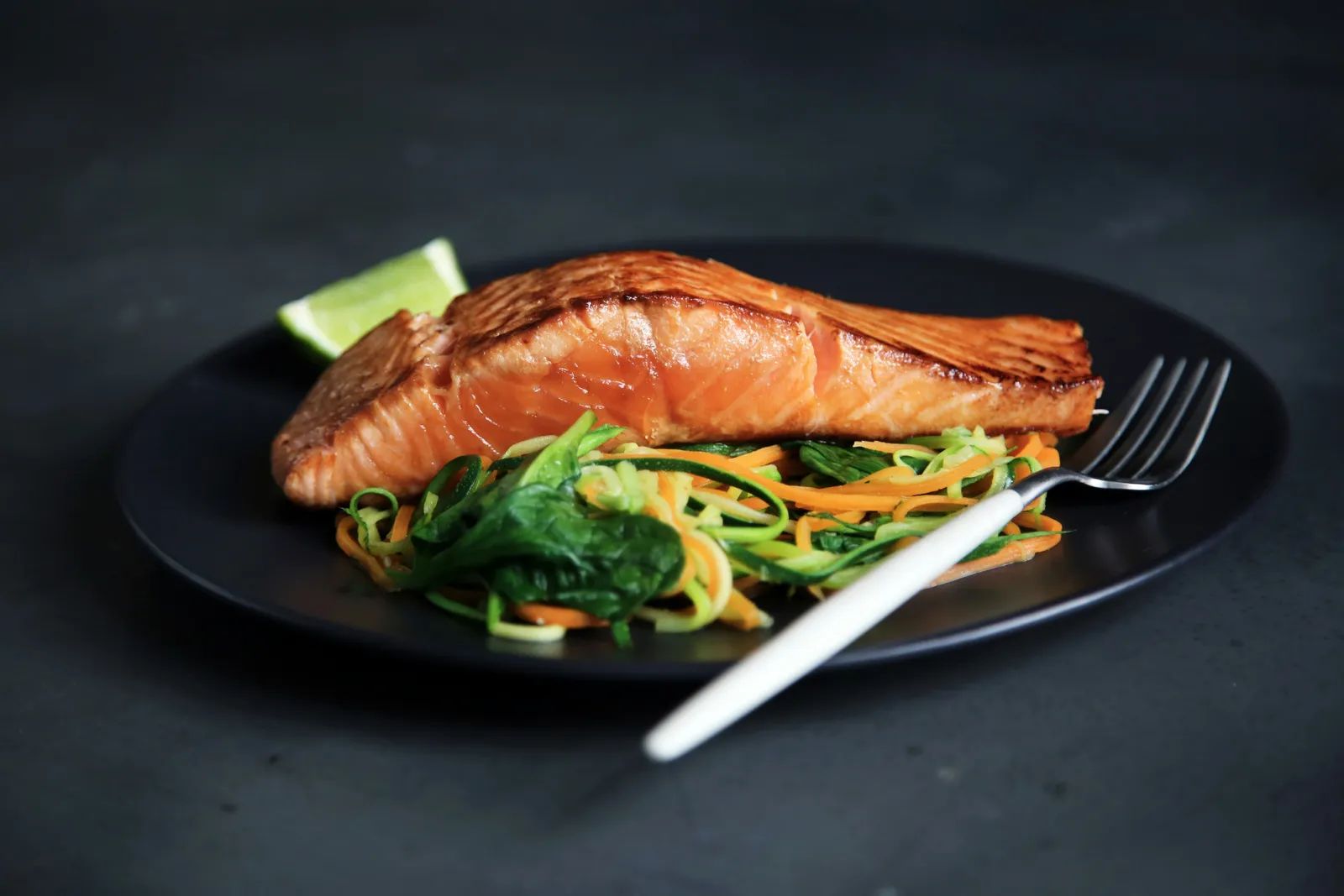
Many people assume smoked salmon stays safe for days or weeks once chilled, yet federal and university guidance highlights a persistent concern. The fish is ready to eat without further cooking, and Listeria bacteria can continue to multiply at typical refrigerator temperatures. This makes careful attention to dates, opening times, and serving conditions essential for anyone planning to serve it at brunch or on a holiday platter.
Why the Risk Stands Out
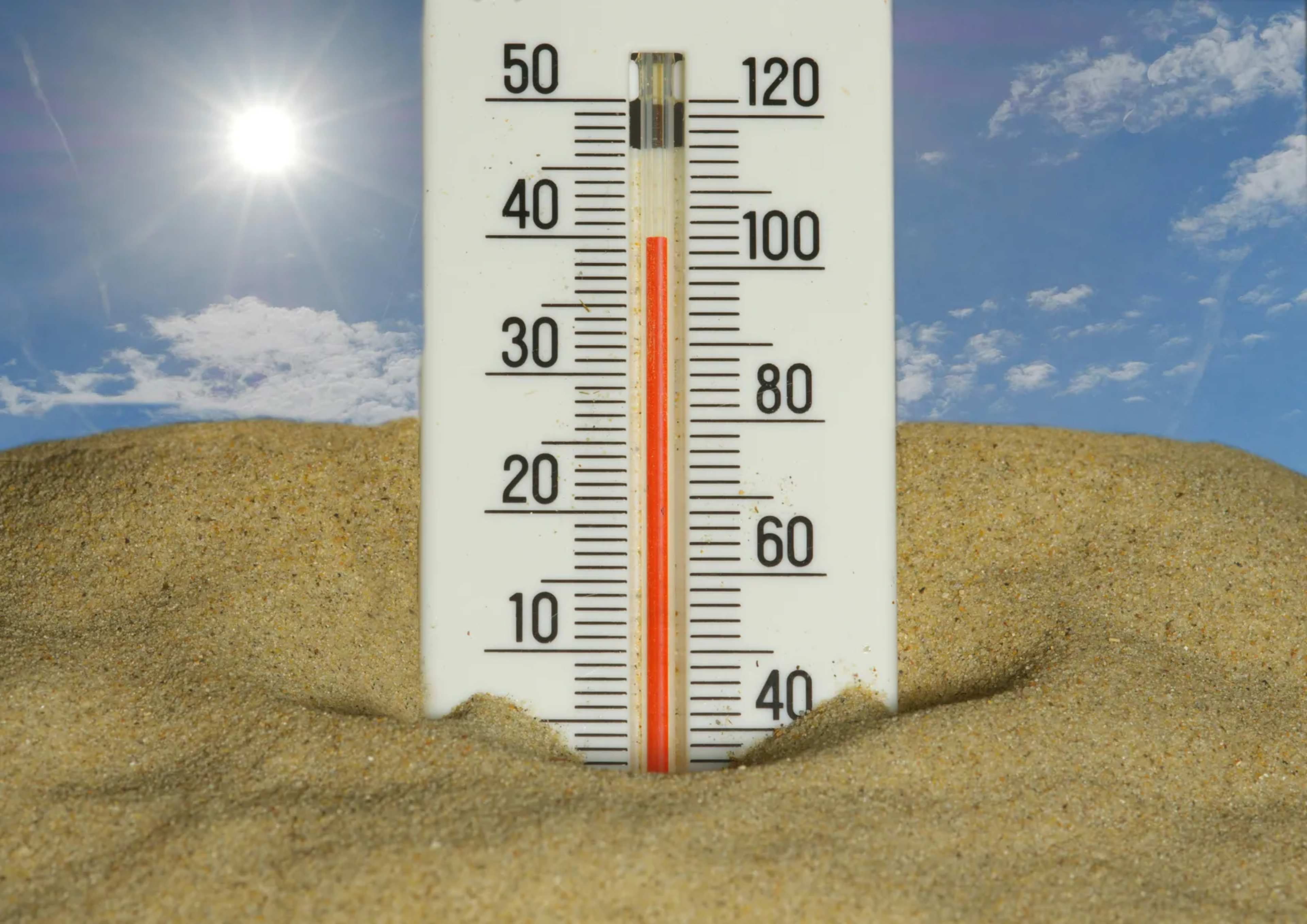
Refrigerated smoked salmon falls into a category that health authorities flag for potential Listeria contamination. The pathogen grows at temperatures as low as 34°F, so a standard home fridge at 40°F slows but does not eliminate the threat. Sources including FoodSafety.gov and extension services from several universities emphasize that unopened packages should stay at or below 40°F and follow the printed date. Once opened, the window narrows sharply because exposure to air and utensils increases contamination chances. Vacuum packaging adds another layer. While it helps preserve the product initially, any loss of vacuum or swelling signals that the seal has failed and the contents should be discarded. Producers and researchers note that cold-smoked varieties, which never reach cooking temperatures during processing, carry the concern more consistently than hot-smoked options, though both require the same cautious approach once opened.
Practical Storage Times
Guidance varies slightly by source, yet the most conservative figures provide a reliable default for opened vacuum-packed smoked salmon. A UC Cooperative Extension chart prepared with USDA input lists two days at 40°F after opening. Other university extensions suggest longer periods, but those often omit whether the package has been opened, making the shorter limit the safer choice for ready-to-eat fish.
| Condition | Recommended Limit | Notes from Sources |
|---|---|---|
| Unopened, refrigerated | Follow package date | Keep at 40°F or colder |
| Opened, refrigerated | 2 days | Conservative default from mail-order chart |
| Left out at room temperature | 2 hours max (1 hour above 90°F) | USDA danger-zone rule |
| Frozen at 0°F | 2 months for quality | Safety holds longer, but texture declines |
Canned or shelf-stable pouches follow a different timeline once opened, with the same two-day recommendation applying after the seal breaks. Dishes prepared with smoked salmon, such as quiches or spreads, last three to four days in the refrigerator according to USDA leftovers guidance.
Freezing and Thawing Practices
Freezing extends usability for quality rather than safety. Both Minnesota and Idaho extension services list roughly two months at 0°F as the target for best texture and flavor. USDA statements confirm that food kept constantly at that temperature remains safe, yet freezing does not destroy any Listeria already present. Thaw packages in the refrigerator and use the contents within two days after thawing. Avoid refreezing once thawed, and treat the fish as if it were freshly opened. Producers sometimes suggest up to six months for frozen product stored airtight, but agency figures remain the more cautious benchmark for home use.
Who Should Avoid It and How to Spot Problems
Pregnant individuals, older adults, and people with weakened immune systems face elevated risks from Listeria. FoodSafety.gov advises skipping refrigerated smoked seafood unless it is cooked thoroughly in a dish that reaches an internal temperature of 165°F. The UK Food Standards Agency echoes this stance for cold-smoked and cured fish, recommending it be heated until steaming hot throughout if consumed at all. Visible or olfactory changes provide additional clues. A slimy film, sour or ammonia-like odor, or leaking liquid all indicate spoilage. A normal appearance or smell does not guarantee safety, so dates and elapsed time since opening remain the primary decision tools. Rainbow-like sheens on the surface can occur naturally and do not by themselves signal a problem. Proper storage starts with keeping the refrigerator at 40°F or colder and placing the salmon in the coldest section rather than the door. Once opened, wrap tightly or transfer to an airtight container to limit further exposure. These steps, combined with respect for the two-day opened limit, help keep the product within safe bounds for most households.