Retirement abroad used to sound like something reserved for the adventurous few, a leap only taken by people with deep pockets or a restless streak. That picture has changed. More Americans are quietly weighing where their monthly Social Security check might stretch further, where healthcare costs less without sacrificing quality, and where locals actually seem glad to have them around rather than merely tolerant of tourists passing through.
What follows isn’t a ranking based on beaches or Instagram appeal. It’s built around the countries that have made retirees feel genuinely welcome, through visa programs designed with them in mind, communities that have absorbed thousands of Americans without friction, and a cultural openness that doesn’t fade once the honeymoon period ends.
Portugal: Europe’s easiest door to open

Portugal has become something of a benchmark for retirement visas, and the numbers explain why. To qualify for Portugal’s Retirement Visa (D7), you will need a passive income of just €920 per month. That’s a remarkably low bar for a Western European country with EU membership attached to it.
The processing time is six to nine months in 2026, and the visa can lead to permanent residency and Portuguese citizenship. Beyond the paperwork, the appeal runs deeper. These countries perform well in indicators such as the affordability of healthcare, safety, and migrant acceptance. Retirees in the Algarve region often describe a similar rhythm, slow mornings, easy neighbors, and a sense that nobody’s rushing anyone out the door.
Panama: the pensionado playbook everyone copies

Panama didn’t invent the retirement visa concept, but it perfected the marketing of it decades ago and never really let go. The Pensionado Programme is one of the most established retirement routes worldwide. Qualifying pension income grants permanent residency and national discounts on services. That combination of permanence and everyday savings is rare.
Geography plays a role too. Boquete sits in Panama’s highlands at roughly 3,900 feet, which gives it a spring-like climate year-round while the coast bakes. Monthly costs average $2,400 per household, covering rent, groceries, and utilities. The pensionado discounts, on everything from medical bills to entertainment, have made Panama feel less like a foreign posting and more like a place that actually planned for people like you to arrive.
Costa Rica: stability wrapped in warmth
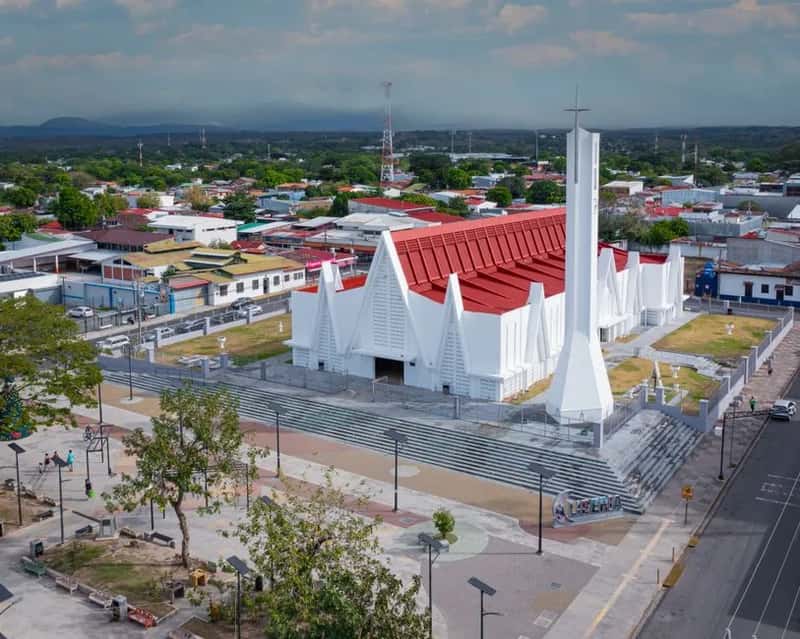
Costa Rica’s pull isn’t just scenery, though there’s plenty of that. The Pensionado visa program allows retirees with a guaranteed lifetime pension of at least $1,000 per month to obtain residency in Costa Rica. This visa includes benefits such as the ability to import household goods tax-free and access to the public healthcare system. There is no minimum age requirement, and the visa can include a spouse and dependents.
The country has also built a reputation for peace that predates modern retirement marketing. Costa Rica is known for its political stability and commitment to peace, having abolished its army in 1948. The country ranks 59th on the Global Peace Index, outperforming many other nations, including the United States. With roughly seventy thousand Americans already settled there, newcomers rarely feel like pioneers. They’re stepping into a network that’s had decades to mature.
Mexico: proximity, culture, and a caveat
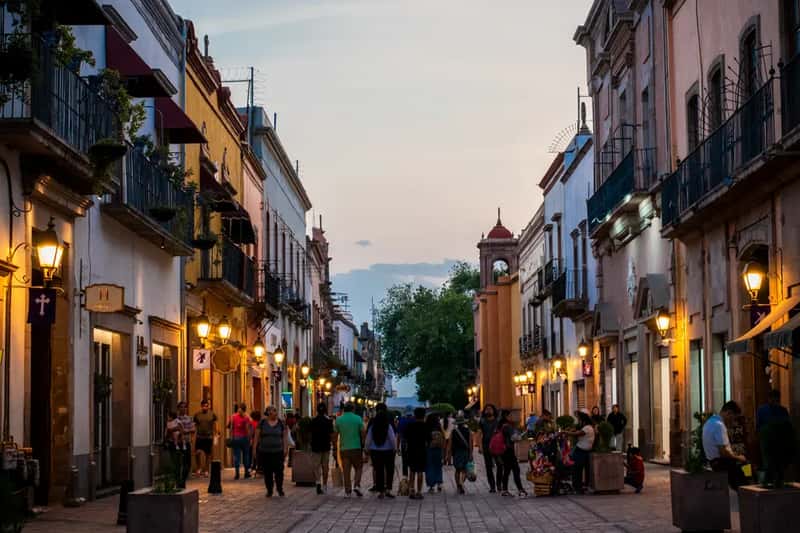
Mexico remains the emotional home base for American retirement abroad, and for good reason. What truly makes Mexico special is its warmth, both in climate and in spirit. Local communities are welcoming, food and culture are world-class, and established expat hubs make integration easy. Towns like Lake Chapala and San Miguel de Allende have hosted American retirees for generations, which shows in how smoothly newcomers get folded into local life.
There’s an important shift worth knowing about, though. For decades, Mexico was the most popular destination for US retirees. By 2025, however, new income requirements, $4,200 per month for temporary residency and $7,000 for permanent residency, have made it unattainable for many relying solely on Social Security. As a result, Mexico is now a destination primarily for wealthier retirees. The welcome hasn’t cooled, but the entry price has climbed noticeably.
Ecuador: dollarized, welcoming, and increasingly documented
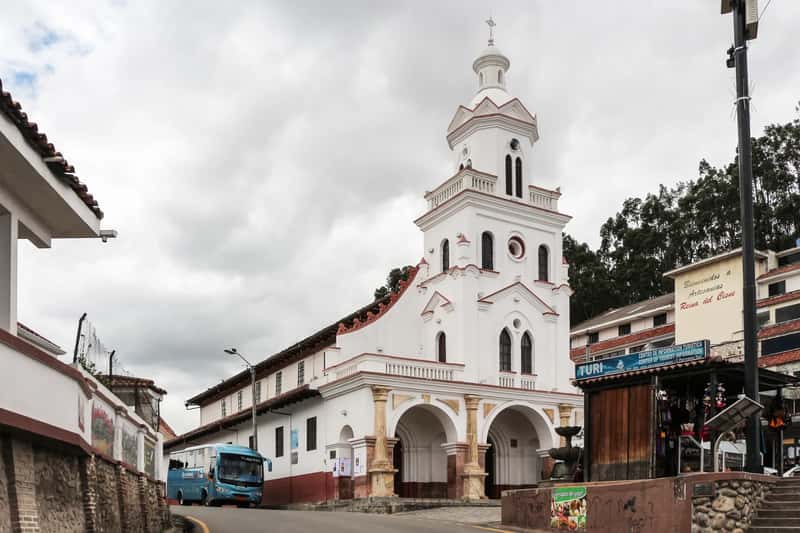
Ecuador offers something practical that few countries can match: it already uses the US dollar, removing a layer of financial anxiety that follows retirees almost everywhere else. Ecuador has consistently ranked among the best countries in the world for retirement because of its affordable cost of living, use of the U.S. dollar, quality healthcare system, and welcoming culture. Cuenca in particular has become something of an unofficial capital for American retirees.
The visa itself has grown more structured in recent years without losing its accessibility. The Ecuador retirement visa requirements for 2026 are $1,446 per month in qualifying pension income, an apostilled FBI background check, health insurance valid for the full two-year visa period, and a passport with at least six months of remaining validity. There is no age minimum, no net worth test, and no employer sponsor. An established community of roughly ten thousand Americans means new arrivals rarely have to figure things out alone.
Uruguay: the quiet, understated option

Uruguay doesn’t shout about its retirement appeal the way some neighbors do, but that restraint is part of its charm. Uruguay often flies under the radar, but this small, progressive nation offers a level of stability and comfort that few Latin American countries can match. With a strong democratic system, excellent safety record, and low corruption levels, it’s ideal for retirees seeking predictability and calm.
Healthcare access adds another layer of reassurance. The healthcare system is among South America’s best, with residents able to join affordable private health cooperatives known as mutualistas. Its retirement visa program is straightforward, and foreign income is generally exempt from local taxation. The cultural welcome tends to match that steadiness, culturally, Uruguay is welcoming yet understated, which suits retirees who want warmth without constant fanfare.
Final thoughts on choosing a destination

Every country on this list arrived at its reputation differently. Portugal built accessibility into its visa system, Panama perfected the discount structure, Costa Rica leaned on decades of stability, Mexico traded on proximity and culture even as its costs rise, Ecuador offered dollar certainty, and Uruguay quietly delivered predictability few expected.
None of these places is without tradeoffs, and income thresholds shift often enough that anyone serious about relocating should verify current figures before committing to a plan. Still, the common thread across all six is fairly simple: they’ve made room for American retirees, not just tolerated their arrival, and that distinction tends to matter more once the moving boxes are actually unpacked.