Walk into a first grade classroom in Helsinki or Amsterdam and you might hear children switching between two languages without missing a beat. It is not magic, and it is not some rare gift passed down through generations. It comes down to timing, curriculum design, and a cultural decision made decades ago that English belongs in a child’s life long before adolescence.
Some nations treat English as an optional subject bolted onto secondary school. Others start so early that by the time a child reaches double digits, English feels less like homework and more like a second skin. The following six countries represent the clearest examples of that second approach, each with its own reasoning, timeline, and results to show for it.
Netherlands
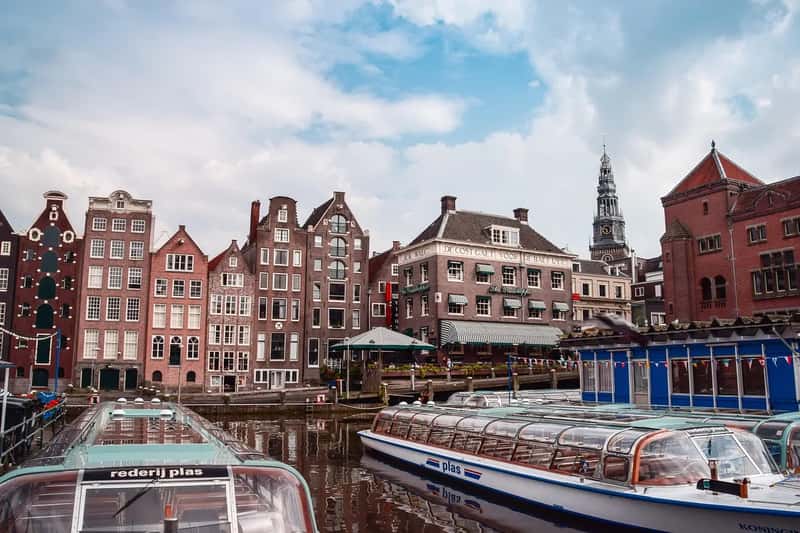
The Dutch schooling system starts early in general, since school attendance is not necessary until group 2 at age five, but almost all children commence school at age four. Most institutions introduce formal English lessons a bit later, since most schools teach English in groups 7 and 8, but some start as early as group 1. That earlier option has become far more common in recent years, with dedicated programs pushing the timeline forward for thousands of pupils.
These early language programs go by a specific name in Dutch education circles. Over 1,150 primary schools have decided to start offering foreign languages earlier, sometimes as early as group 1, known as VVTO schools, short for Vroeg vreemdetalenonderwijs, or early foreign language education. Combined with the country’s early school entry age, this approach helps explain why the Netherlands remains one of the countries with the earliest school entry in Europe, and why the Dutch consistently top global English proficiency rankings among non-native speakers. The results show up clearly in international data, where the country with the highest score was the Netherlands with 647 in one recent index edition.
Sweden

Sweden treats English less like a foreign subject and more like a core life skill, and the national curriculum reflects that stance directly. The core curriculum in Swedish compulsory schools includes Swedish, English and mathematics, complemented by science, social studies, arts, technology, and physical education. Placing English on the same list as math and the native language signals its priority from the very first years of school.
This is not simply a matter of textbooks and grammar drills. Sweden treats English less as a subject to be studied and more as a life skill to be absorbed, and the school system reflects that attitude from the start. Swedish television and streaming culture reinforce this, since English language shows and films are typically subtitled rather than dubbed, giving children constant informal exposure outside the classroom that complements what they learn at their desks.
Denmark
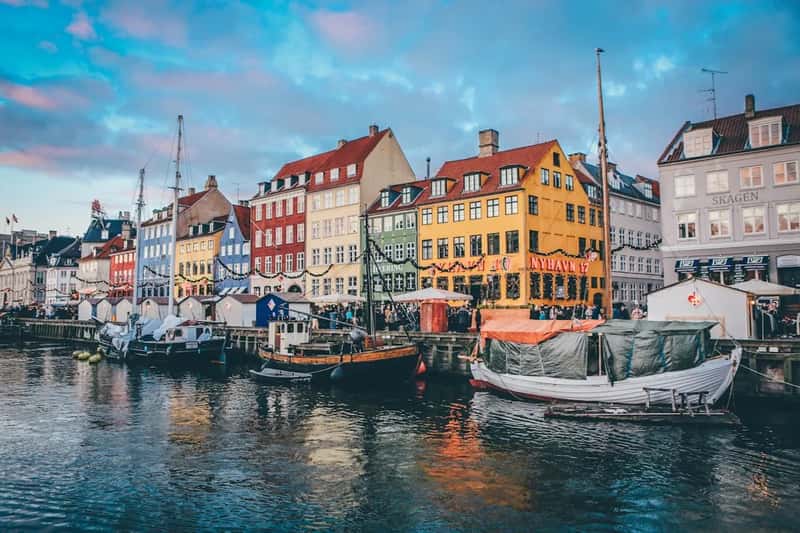
Denmark’s formal introduction to English comes slightly later than some of its neighbors on paper, though the country still ranks among the earliest starters worldwide. In Denmark the first foreign language starts at age seven, which is still remarkably early by international standards, especially compared with countries where foreign language instruction does not begin until the end of primary school or the start of secondary school. That head start compounds over nine or ten years of compulsory schooling.
The payoff shows up consistently in regional comparisons. Denmark leads the Nordic region, edging out Sweden and Norway by a fraction of a point, according to the most recent English Proficiency Index analysis. Much of that edge traces back to habits formed young, since it reflects years of steady exposure that begins in the early grades and continues through a media landscape where English content is rarely dubbed, reinforcing whatever children pick up at school.
Finland
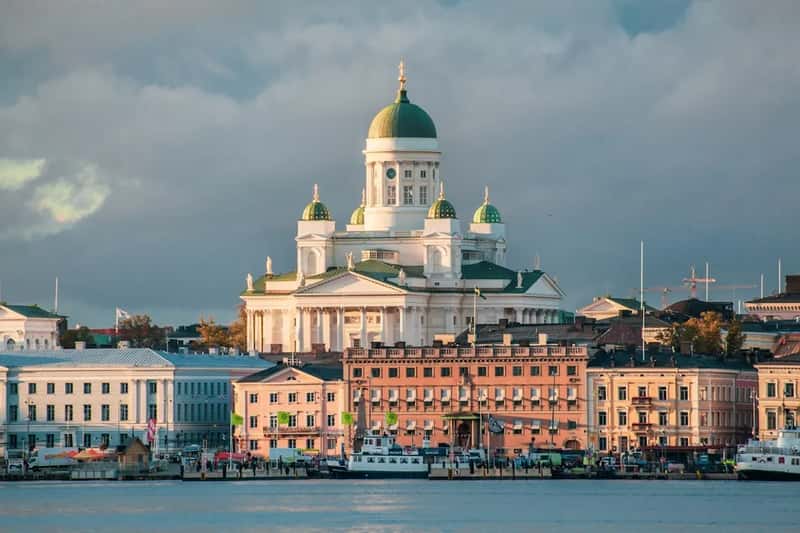
Finland’s education system draws international attention for many reasons, and its language timeline is one of them. Finland fits the broader Nordic description in which English lessons are introduced in the classroom as early as the first grade, and no later than the third grade in most cases. That flexibility lets individual municipalities decide the exact starting point while still guaranteeing early exposure nationwide.
Beyond the classroom, several structural factors reinforce this early start. Combined with near-universal access to preschool education and a culture that favors subtitling over dubbing for foreign media, Finnish children build a foundation in English years before they would in most other parts of the world. In many municipalities specifically, children begin learning their first foreign language, usually English, as early as Grade 1, when they are just six or seven years old, and this is formally recognized as the compulsory “A1 language” under national curriculum rules.
Norway

Norway sits among a small group of European nations that push foreign language instruction into the earliest possible grade. Comparative research on continental language teaching places the country among the earliest starters, noting that in Luxembourg, Norway, Italy, Malta and Spain, the first foreign language starts at age six. Since Norwegian children begin compulsory schooling around that same age, English essentially arrives at the very start of formal education rather than being introduced later as an add on subject.
This timing lines up with the structure of Norway’s broader school system, where compulsory schooling in Norway is ten years and children start school at the age of six. A single national curriculum governs the approach across the country, ensuring that early English exposure is not limited to wealthier districts or private schools but built into the public system from day one.
Singapore

Singapore takes a different route than its European counterparts on this list, since English functions as the primary language of instruction rather than simply an early school subject. The main language of instruction in Singapore is English, which was officially designated the first language within the local education system in 1987. That policy decision means English touches nearly every subject a child studies, not just a dedicated language period.
Exposure actually begins even before formal schooling starts. English is the first language learned by half the children by the time they reach preschool age and becomes the primary medium of instruction. Once children reach primary school, this continues seamlessly, since Singapore’s bilingual policy means all students learn English plus one Mother Tongue language, which supports cultural identity while maintaining English as the main language of instruction.