For a lot of would-be solo travelers, the biggest obstacle isn’t cost or logistics. It’s fear. Family members warn about pickpockets, scams, or worse, and the idea of navigating a foreign country alone can feel riskier than simply staying put. Yet when you actually look at the data, that fear often gets the geography backward.
Several countries now post lower crime rates, lower homicide rates, and higher “feels safe walking alone at night” scores than many travelers experience in their own hometowns, particularly if home is a large American city. Based on the 2026 Global Peace Index, Berkshire Hathaway Travel Protection’s annual safety report, and OECD safety data, here are six countries where a solo traveler is statistically likelier to feel secure, and to actually be secure, than they would be back home.
Iceland: The World’s Longest-Running Safety Champion
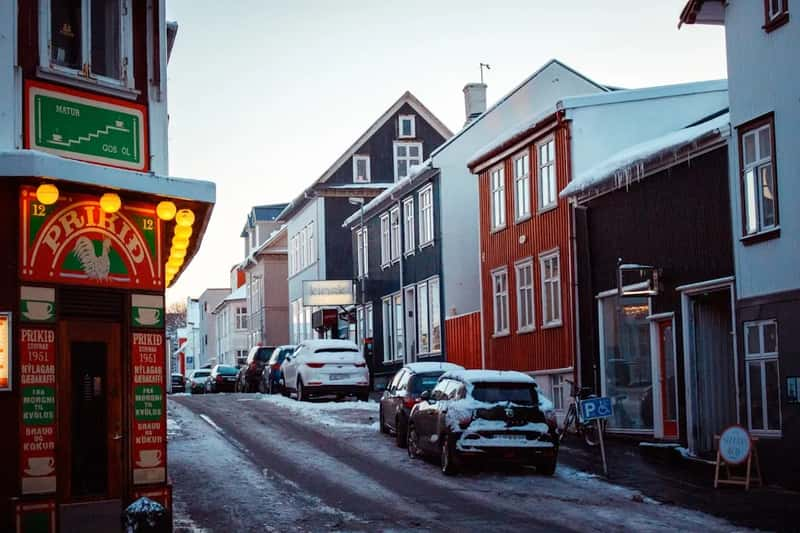
Iceland has not just topped a list once. Iceland retains its position as the world’s most peaceful country for the 19th consecutive year according to the Global Peace Index. That is not a fluke or a one-year spike. It reflects a small, cohesive society where the country stands apart in the data, described as outperforming all others “by a significant margin.”
What does that mean for someone actually walking around Reykjavik at midnight? In Iceland, 85% of people say that they feel safe walking alone at night, more than the OECD average of 74%. The homicide numbers back that feeling up: Iceland’s homicide rate is 0.3, one of the lowest rates in the OECD, where the average is 2.6. Iceland’s small population also plays a role, since as one of the least populated countries in the world, Iceland often does not require police to even patrol their streets, given how safe the country is, including having zero armed police, and little violence occurring.
New Zealand: Distance and Stability Combined
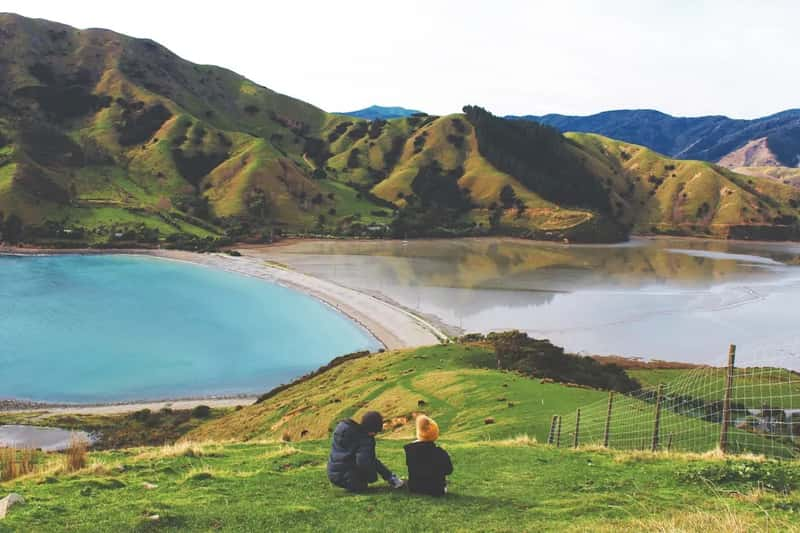
New Zealand’s appeal for solo travelers has as much to do with what it lacks as what it offers. There is no history of large-scale internal conflict, minimal border tension, and a political system that rarely makes international headlines for the wrong reasons. In the 2026 Global Peace Index, New Zealand moves up to second place, from third, recording the lowest ongoing conflict score across the Asia-Pacific region.
Beyond the ranking itself, the everyday experience of traveling there tends to reinforce the numbers. Beyond its striking natural scenery, it offers a level of political stability and societal calm that few countries can rival. That combination of remote geography, low population density outside a handful of cities, and strong public trust in institutions makes it one of the rare places where a solo hiker or backpacker can genuinely relax their guard, something that’s much harder to do walking home late at night in many U.S. metro areas.
Switzerland: Precision Isn’t Just for Watches
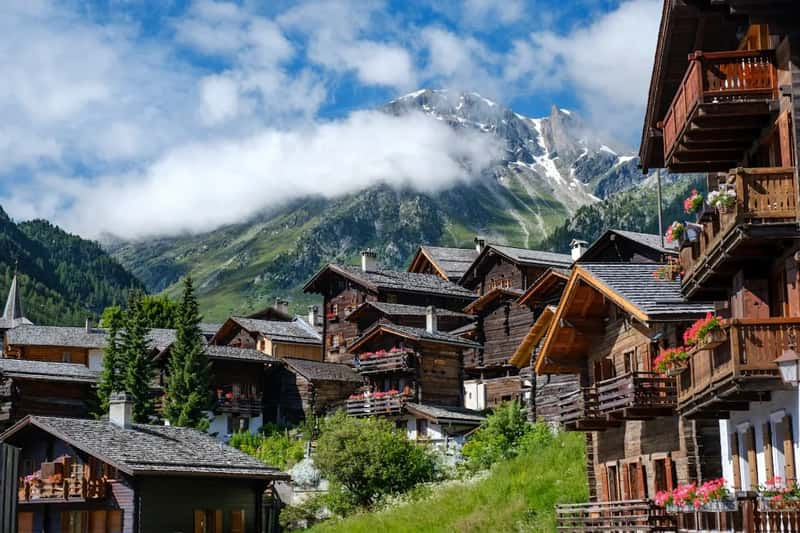
Switzerland’s reputation for order and predictability extends well beyond its trains running on time. The country has consistently ranked among the most peaceful nations on earth, and 2026 was no exception. Switzerland ranks third, reinforcing a long-held perception among travelers, underscored by the data, as one of the most consistently stable and secure countries in the world.
Residents themselves back up that reputation in surveys about everyday personal safety. More than 85% of people in Finland, Switzerland, Iceland, Slovenia and Norway feel safe when walking alone at night where they live. For a solo traveler weighing whether to explore a new city on foot after dark, that kind of near-universal confidence among locals is a meaningful signal, and one that few large cities anywhere in the world, including many in the traveler’s own home country, can match.
Japan: Low Crime, High Trust
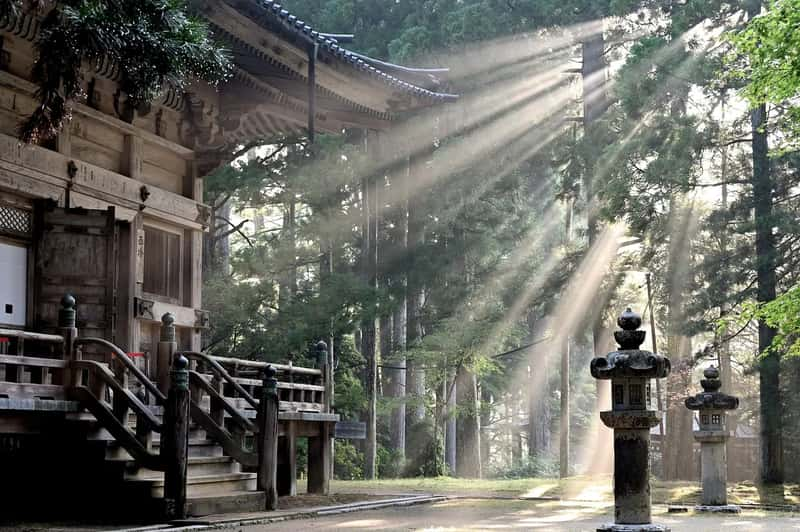
Japan’s safety reputation among solo travelers, particularly women traveling alone, has become something of a modern travel cliché, but it’s a cliché rooted in real numbers. The country ranks among the most peaceful nations globally, with Japan placing 10th in the 2026 Global Peace Index, an especially notable achievement given its population size and dense urban centers. Unlike many of the other countries on this list, Japan proves that safety doesn’t require a small population or a remote location.
The country’s low-crime reputation extends to everyday interactions that would surprise many first-time visitors. Japan’s street crime is almost non-existent, as well as drug use, a combination that makes wandering unfamiliar neighborhoods, using public transit late at night, or leaving a bag unattended at a café table far less nerve-wracking than it would be in most Western cities. It’s also why Japan continues to top wish lists for solo travelers heading into 2026, according to a recent industry survey that found the top country solo travellers want to visit in 2026 is Japan.
Austria: Central Europe’s Quiet Overachiever
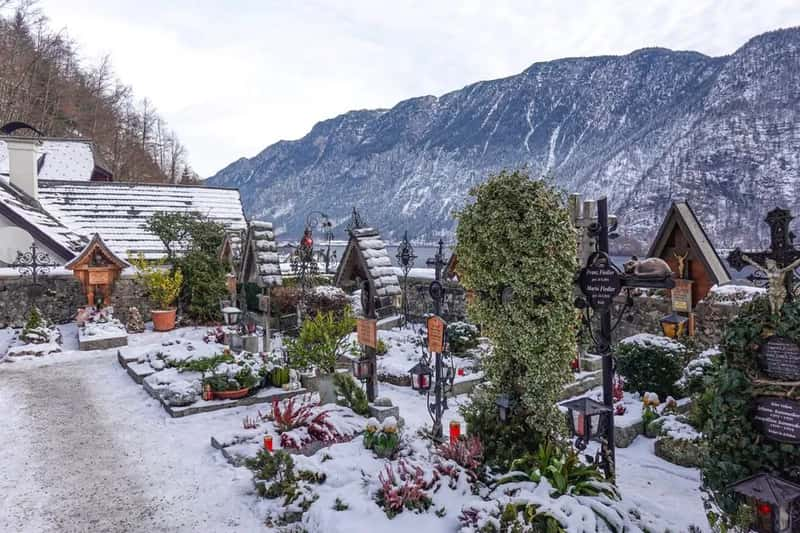
Austria doesn’t get the same tourism buzz as its neighbors, but its safety credentials are hard to ignore. The country has climbed steadily in recent rankings, and by 2026 it had secured a spot among the world’s most peaceful nations, with Ljubljana, Slovenia, in 4th place on the safest countries in the world, emerging as one of the list’s most underrated countries, a regional pattern that includes Austria sitting just behind it in the same top tier. Austria’s rise wasn’t limited to peace indices either.
Travel insurers have taken notice too. For 2026, BHTP’s top five safest countries are the Netherlands, Australia, Austria, Iceland, and Canada. Feelings of personal security among residents are just as strong as the institutional rankings suggest, since 85% or more of people in Austria, Denmark, Finland, Iceland, Luxembourg, Norway, Slovenia, and Switzerland say they feel safe in their daily lives. For a solo traveler deciding between a well-trodden capital and a quieter alternative, Austria offers genuine security without the crowds that come with more famous neighbors.
Singapore: Order as a Deliberate Safety Strategy
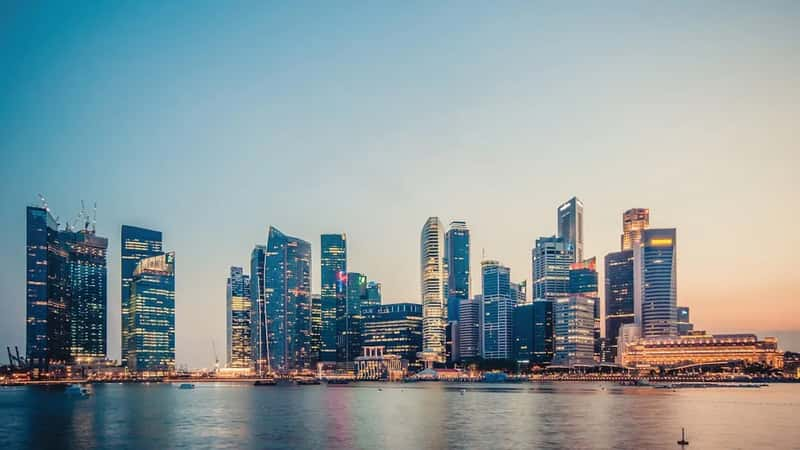
Singapore stands apart from the other five countries on this list simply because of geography. It’s the rare non-European, non-Oceania destination that consistently lands in global safety rankings, and it does so by a wide margin. Singapore ranks eighth in the 2026 Global Peace Index, an impressive result for a dense, highly urbanized city-state.
That ranking isn’t just about statistics on a spreadsheet. Solo travel risk assessments that weigh healthcare access, connectivity, and public safety together have repeatedly flagged Singapore as an outlier in Asia, noting that Singapore and Brunei were the only non-European places to make the cut in a recent solo travel safety index built from resident safety perceptions, healthcare quality, and peace indicators. Strict laws, heavy surveillance, and a culture of order combine to make Singapore one of the few major cities where a solo traveler can walk nearly anywhere at any hour without the low-grade vigilance required in most global capitals.
Why These Numbers Matter More Than They Seem
It’s worth pausing on why comparisons like these actually hold up. The Global Peace Index isn’t a marketing exercise; it’s a rigorous annual study that draws on 23 indicators covering societal safety, ongoing conflict, political stability, terrorism, displacement, relations with neighboring countries, and militarization. When a country tops that list year after year, as Iceland has for nearly two decades, it reflects deep structural stability rather than a temporary lull in bad news.
The gap becomes especially clear when you look at where large countries with high-profile safety concerns actually land. One recent analysis of the 2026 index pointed out that the United States, in the same 2026 Global Peace Index released this month, sits at #132, between Cambodia and Tanzania. That single data point reframes the whole conversation. A solo traveler nervous about visiting Reykjavik, Zurich, or Tokyo alone may, statistically speaking, be safer there than they are walking to their own car after dark back home.