Grocery stores rarely make anyone’s travel bucket list, yet they end up being one of the most revealing stops on any trip abroad. Airports and museums are designed with visitors in mind, but supermarkets are built for locals, running on routines that regulars follow without a second thought. That’s exactly why a quick trip for snacks or bottled water can turn into an unintentional confession of nationality, especially for Americans who assume the checkout experience works the same everywhere.
None of these habits are embarrassing exactly, but they’re consistent enough that European and Asian shoppers, along with store staff, can usually spot an American customer within seconds. Here’s what tends to give it away.
1. Skipping the Produce Scale Entirely

In much of Europe, fruits and vegetables aren’t priced and bagged by a cashier the way they are in most American supermarkets. Instead, if you’re used to filling bags with fruits and vegetables and heading straight for the checkout line, it’s not such a direct path to the cash in Europe, where customers typically must weigh their own produce on an electric scale using the item’s code or selecting it by image. That machine then prints a barcode sticker that the cashier scans, and skipping this step means holding up the entire line while someone runs back to the produce aisle.
This trips up American travelers constantly because grocery stores back home almost always have staff weigh loose produce at checkout. According to travel guides on German and Italian shopping customs, it’s very common for shoppers to weigh their own produce in those countries, while in France and Spain the practice varies depending on the store. One traveler on a popular travel forum described the confusion firsthand, recalling an awkward experience buying produce in a Paris grocery store after forgetting the need to weigh and get a barcode in the produce section instead of having the cashier weigh items like at home in the US.
2. Assuming Someone Will Bag Their Groceries
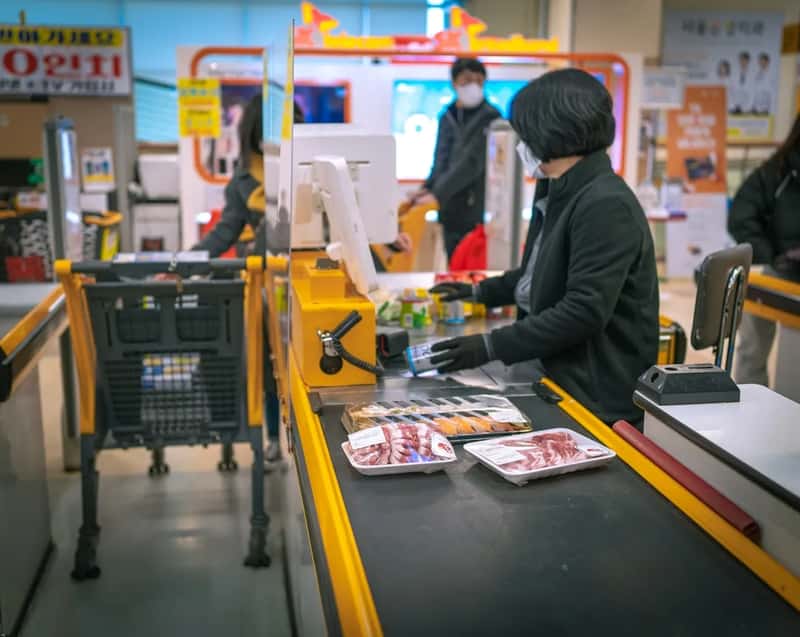
American grocery stores almost always have a bagger, or at least a cashier who packs items into bags as they’re scanned. That’s simply not the norm across much of Europe, where packing your own goods is common pretty much everywhere, and it can feel especially nerve wracking at fast-moving discount chains where checkers scan items quickly. American tourists who stand there waiting for someone else to do the packing quickly become the reason the line backs up.
The fix that seasoned travelers recommend is simple: unload the cart, pay, then move away from the register to bag everything at your own pace. As one traveler advised, shoppers should throw everything in the cart unbagged, pay, exit that area, and take their time packing bags away from the checkout, since some stores even have dedicated areas set up for exactly this. It’s a small adjustment, but not knowing it in advance is one of the fastest ways to signal you’re new to the country.
3. Showing Up Without Reusable Bags

Free plastic bags at checkout are increasingly rare outside the United States, and in several countries they’re gone entirely. In Germany, for instance, plastic bags have been against the law since 2022, and even before that many businesses had voluntarily agreed to phase them out starting in 2016. Shoppers there now rely on paper bags offered for a fee, or sturdy reusable plastic bags sold at the register.
France has followed a similar path, where free bags have disappeared from the majority of hypermarkets, with the trend expected to spread to smaller supermarkets and eventually be banned entirely by law. American travelers who walk up to checkout empty-handed, expecting a complimentary bag the way they would at home, often end up paying a small fee on the spot or awkwardly juggling loose items to their car or hotel. Packing a foldable tote in a daypack is one of the easiest ways to blend in.
4. Reaching for a Card When Cash Is Expected
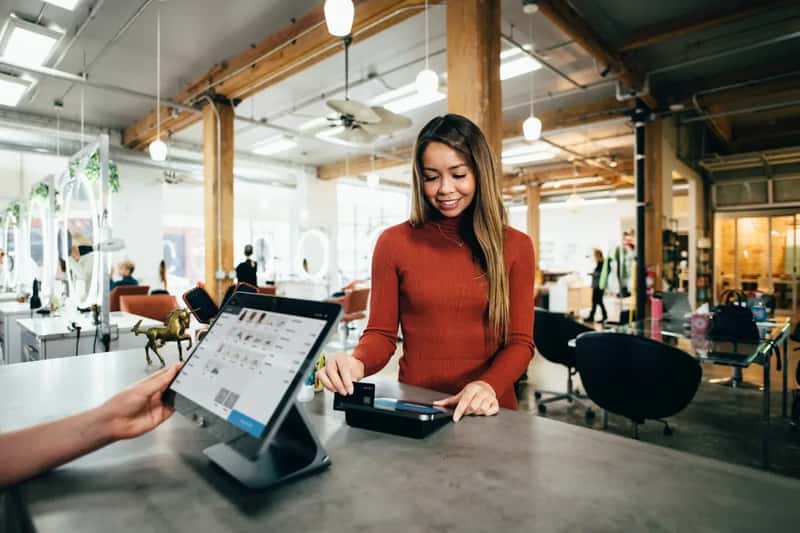
The United States has largely gone cashless for everyday purchases, but that shift hasn’t happened everywhere at the same pace. In parts of Western Europe, particularly at smaller grocery stores and markets, cash is still very much the default. As one traveler put it plainly when describing shopping in France, some supermarkets accept credit cards while others take only their own store cards, so it pays to have cash ready.
This catches American tourists off guard because tap-to-pay and contactless cards feel second nature back home. Fumbling at the register while a cashier waits, or holding up a line to find an ATM after a card gets declined, is a familiar scene for anyone who has worked a European checkout counter. Carrying a modest amount of local currency as a backup is standard advice from frequent travelers for exactly this reason.
5. Talking Louder Than Everyone Else in the Aisle

This one is more anecdotal than statistical, but it’s mentioned constantly in travel forums and by tour guides: American voices tend to carry. Whether it’s a phone call in the cereal aisle or a conversation between family members comparing prices, the volume often stands out in grocery stores where ambient noise is typically much lower than in a busy American supermarket.
It’s not necessarily rude, just a cultural difference in what counts as an appropriate indoor volume. Locals in many countries, especially in parts of Northern and Central Europe as well as Japan, tend to keep conversations quiet in shared public spaces like stores, trains, and elevators. American travelers who forget this norm are often the ones other shoppers glance toward without needing to hear a word of English.
6. Piling the Cart Like It’s a Costco Run

Grocery stores in the United States, especially warehouse clubs, are built around bulk buying. Family-sized cereal boxes, multi-packs of soda, and giant jugs of laundry detergent are just normal shopping in most American towns. That habit doesn’t always translate well abroad, where neighborhood supermarkets are frequently smaller, aisles are narrower, and packaging sizes are noticeably more modest.
An American tourist wheeling a cart stacked high with supplies for a week in a rented apartment often stands out simply because locals are shopping for a day or two at a time, sometimes on foot or by bike. Smaller carts, more frequent trips, and portion sizes built for a household rather than a warehouse are the norm in much of Europe and Asia, which makes an overflowing cart an easy tell.
Wrapping It Up
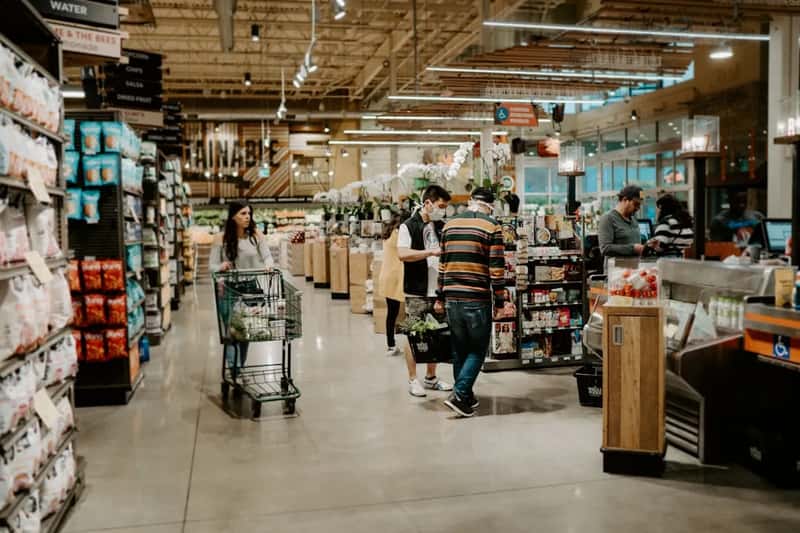
None of these habits are mistakes exactly, just reflexes built by a lifetime of shopping in one particular system. Grocery stores are shaped by local laws, culture, and everyday convenience, from Germany’s plastic bag restrictions to the self-service produce scales found across much of Europe. Recognizing these differences ahead of time won’t make anyone invisible in a foreign supermarket, but it does turn an awkward learning moment into a much smoother stop between sightseeing.
At the end of the day, blending in at a grocery store abroad is less about hiding where you’re from and more about paying attention to how everyone else around you is doing it. A little observation goes a long way, and it usually saves you from being the person holding up the checkout line.