Forget everything you think you know about faith and religious devotion across the globe. While many people picture deeply religious societies dominating our world, a fascinating counter-revolution has been quietly taking hold. These nations are witnessing unprecedented levels of secular thinking, with some reporting atheist populations reaching as high as 91%. What makes these transformations even more intriguing is how different historical paths led these countries to remarkably similar destinations. Let’s dive into the surprising stories behind the world’s most secular societies.
China: The Communist Giant’s Secular Revolution

China stands at the forefront of global secularism, with reportedly around 90% of its population identifying as atheist or non-religious, and 67% being convinced atheists. The numbers become even more striking when you realize we’re talking about over one billion people.
China’s secular mindset has deep roots in Confucian philosophy, which historically emphasized practical ethics over supernatural beliefs. The Communist Party’s official promotion of atheism since 1949 has further cemented this trajectory.
Today’s modern China showcases how rapid economic development and urbanization can accelerate secular attitudes. In major cities like Beijing and Shanghai, you’ll find a population far more concerned with material progress than spiritual matters.
Sweden: The Nordic Pioneer of Practical Atheism
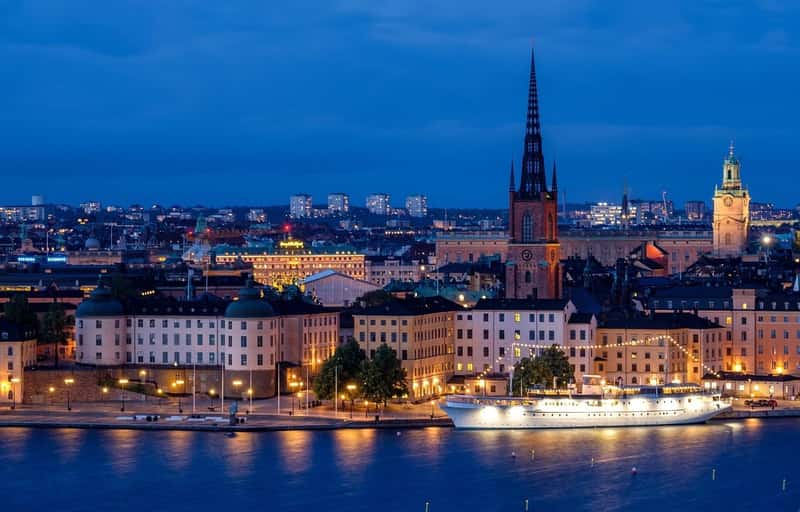
Sweden stands as a beacon of secular progress, where studies suggest a significant portion of the population identifies as atheist or agnostic. That’s roughly 4-7.6 million Swedes who’ve traded traditional faith for a more rationalist worldview.
Decades of progressive social policies, comprehensive education, and a robust welfare system have shaped a society where religious belief takes a backseat to practical humanism.
Sweden officially separated church and state in 2000, ending centuries of formal religious authority. This shift allowed for greater religious freedom and normalized nonbelief as a legitimate worldview. With only around 51 percent of the population being members of the Church of Sweden, Sweden is a highly secular country. The Church of Sweden only officiates at about 25 percent of weddings today, compared with 80 percent in 1970.
Czech Republic: Europe’s Atheist Capital
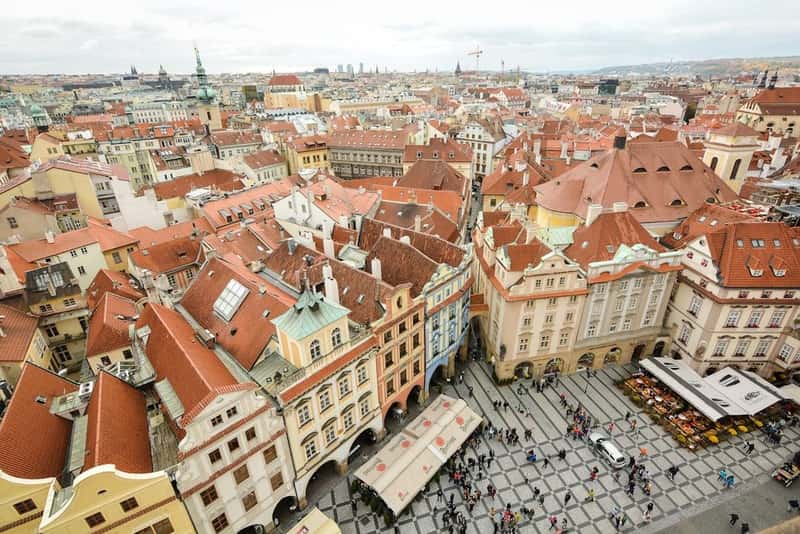
The Czech Republic is widely considered among the nations with the highest percentage of atheists, with studies suggesting approximately three-quarters of the population identifying themselves as non-believers. Data reveals that young Czechs are the least religious in Europe, with 91% indicating they are non-religious.
The Czech Republic’s tumultuous history played a significant role in shaping its secular identity. With the Hussite Wars in the 15th century, the religious fervor imposed by the Habsburgs during the Counter-Reformation, and the suppression of religious expression under communist rule, Czechs developed a deep mistrust of organized religion.
The authors of the study suggest distrust grew during the Cold War, which ended in 1989, and which adopted an anti-religious stance, promoting atheism as part of its ideological ideas. This post-World War II era reinforced a culture of skepticism towards organized religion, which shaped the Czech population’s attitude towards spirituality. Following the fall of the Berlin Wall in 1989, Czechia became one of the most secular countries in Europe.
Japan: Where Ancient Traditions Meet Modern Secularism

With studies indicating a majority of its population identifying as atheist or agnostic, Japan stands as one of the most secular countries in Asia, representing tens of millions of non-believers. Yet Japan presents a fascinating paradox that challenges traditional definitions of religious practice.
What makes Japan unique is how seamlessly it blends traditional spiritual customs with modern secular life. You’ll find Japanese people participating in Shinto ceremonies or Buddhist rituals while maintaining fundamentally non-religious worldviews – a phenomenon often called “practical atheism”.
This secular shift gained momentum during Japan’s post-war economic miracle, when rapid industrialization and modernization reshaped social values. Today’s Japanese society embodies this duality perfectly, where ancient shrines stand in the shadows of towering skyscrapers, and most citizens approach religion as cultural tradition rather than spiritual truth.
Norway: The Humanist Haven
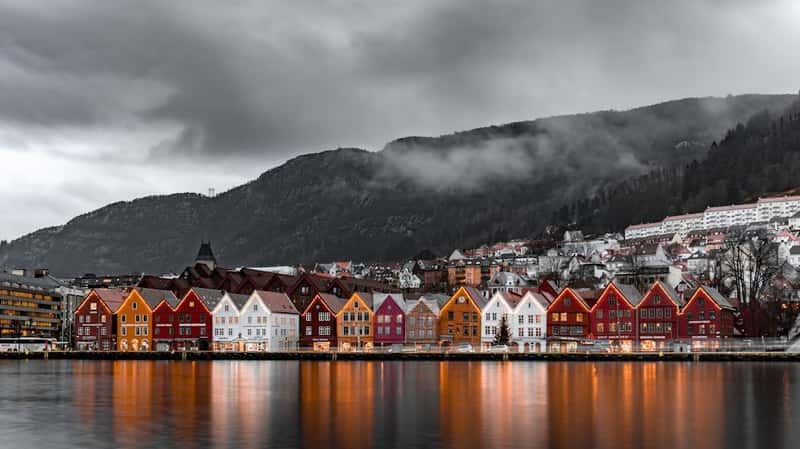
Despite the Church of Norway’s official membership, a very small percentage of the Norwegian population regularly attends church. A plurality of Norwegians do not believe in a god. A 2021 study found that affiliation with the National Lutheran Churches among the Norwegian population dropped from nearly 89% in 1998 to 69.8% in 2018. This trend towards disaffiliation was most significant in Norway compared to the other two countries.
By far the biggest, oldest, and most visible is the Norwegian Humanist Association (HEF), founded in 1956, which has close to 100,000 members. Those members constitute 1.7% of the national population of 5.36 million, making the HEF by far the largest such association in the world in proportion to population.
The HEF offers civil alternatives for weddings, funerals, and Confirmation ceremonies, which may typically be facilitated through religious institutions. This institutional replacement of religious functions demonstrates how secular organizations can fill the social roles traditionally held by churches.
Denmark: The Gentle Secularization Model
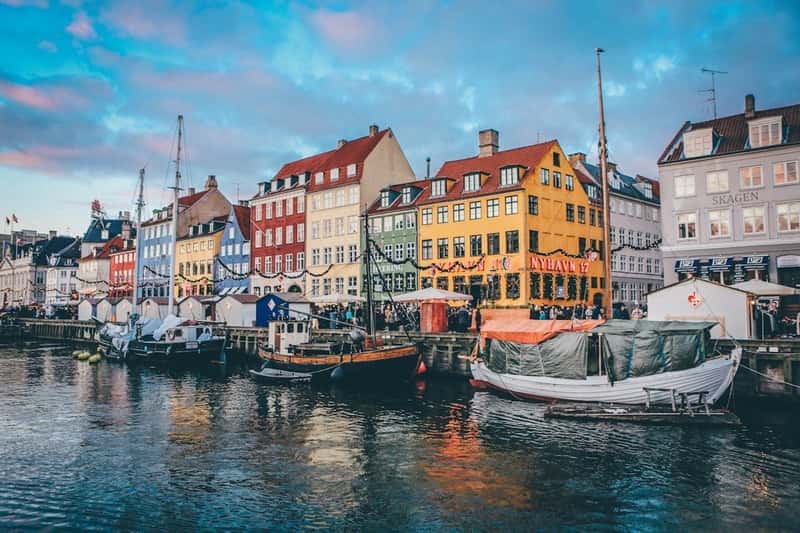
Denmark follows closely, with about 53 per cent of the population expressing similar views. The Evangelical Lutheran Church of Denmark is the only remaining state church of the Scandinavian countries, with about 74% of Denmark’s population affiliated. However, this membership doesn’t translate to active belief or practice.
According to the Pew Research Center, only 19% of Danes say religion is very important in their lives. The disconnect between formal membership and actual religious conviction showcases a unique Scandinavian phenomenon where cultural tradition supersedes spiritual belief.
The high living standards, the strong welfare systems, and the educational levels in these countries all lead to the perception that religion becomes irrelevant to one’s life. Is disaffiliation associated with an overall detachment from religion, or do the unaffiliated keep some ‘private’ form of religion? Denmark’s experience suggests that robust social safety nets can indeed reduce the psychological need for religious comfort.
Why Religion Disappeared: The Common Threads

This includes the noteworthy work of Norris and Inglehart (200,4) who reframed the secularization hypothesis as the existential insecurity hypothesis. Religion here is taken as an emotional buffer against the existential fears of things such as death, disease, and destitution. As societies modernize, most begin to address the roots of these fears by making the environment more secure with institutional programs like insurance, healthcare, and welfare.
Another explanation is that the increasing levels of education increase secularization at the individual level, because rational and scientific thinking is not compatible with religious worldviews. Thus, the increment of compulsory education leads to the people’s distancing from religion.
Education plays a pivotal role in shaping secular attitudes. The Nordic countries are renowned for their comprehensive, publicly funded education systems, which emphasize critical thinking, science, and ethics over dogma. Religious education, when present, is typically pluralistic and encourages students to explore a variety of worldviews. This approach fosters an environment where questioning and skepticism are not only tolerated but encouraged.
These transformations didn’t happen overnight. Each country followed its own path toward secularism, whether through communist ideology, welfare state development, historical trauma, or educational emphasis on rational thinking. Together, they represent nearly two billion people who’ve found meaning and community beyond traditional religious frameworks. What do you think drives these massive cultural shifts? Tell us in the comments.